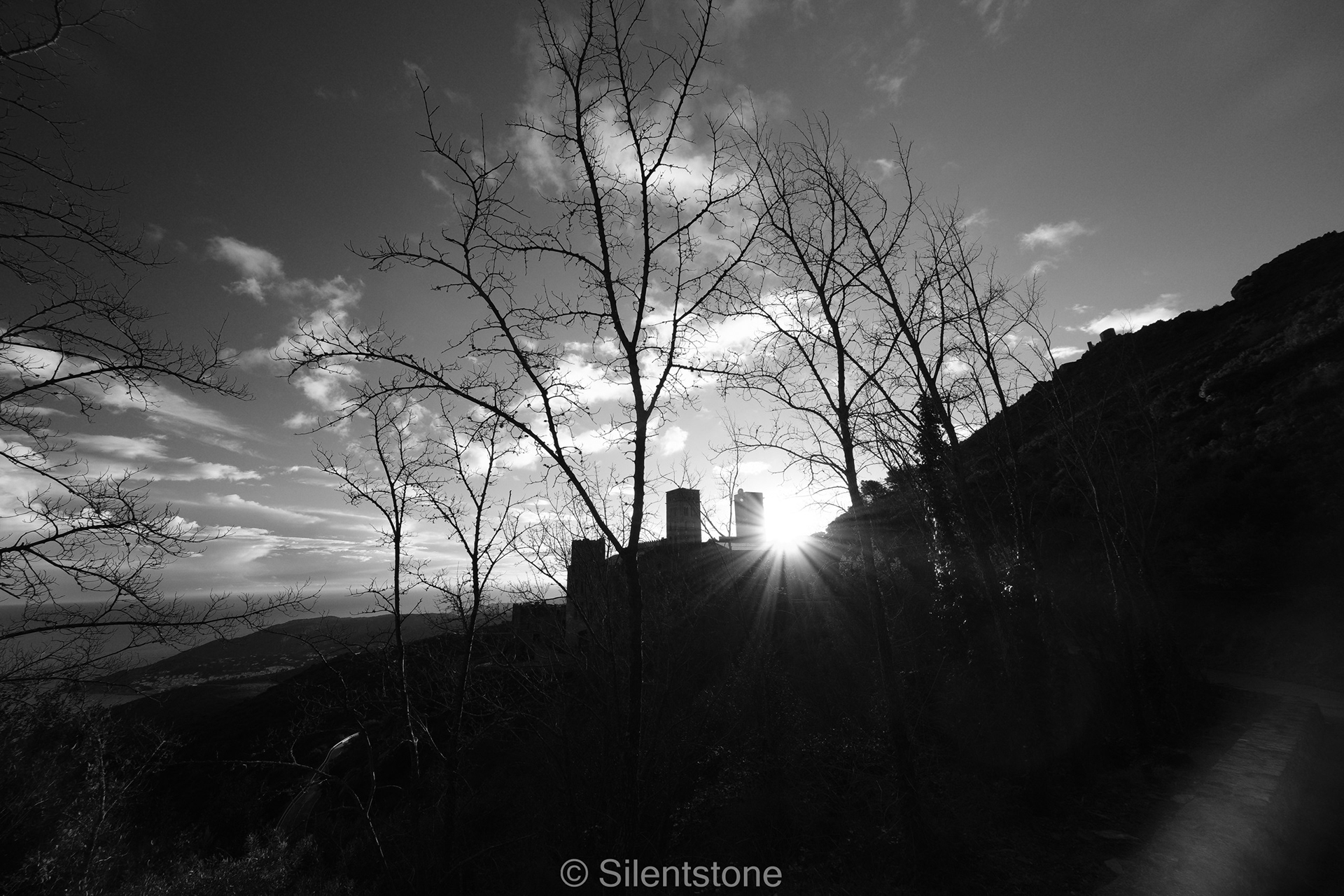
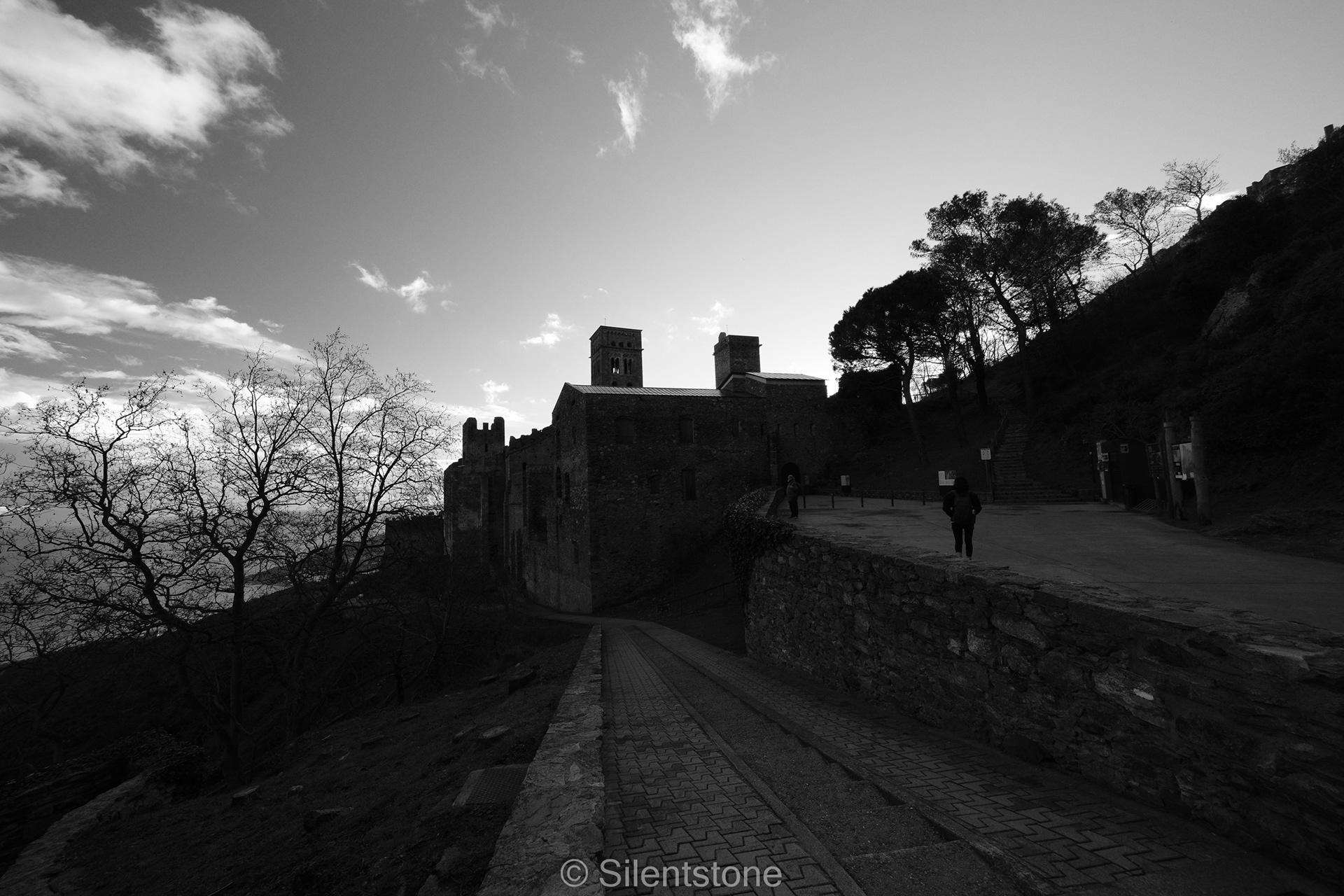
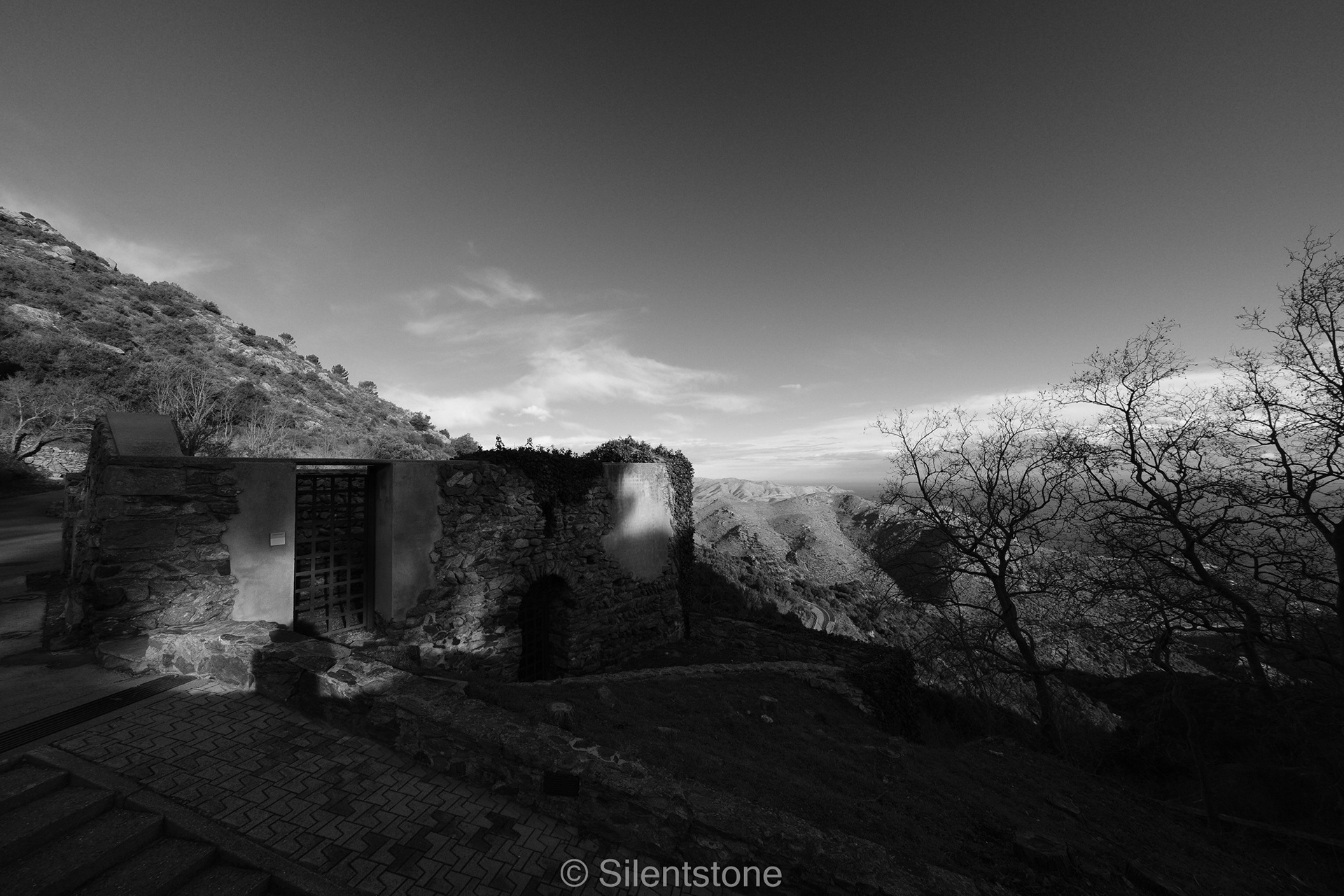
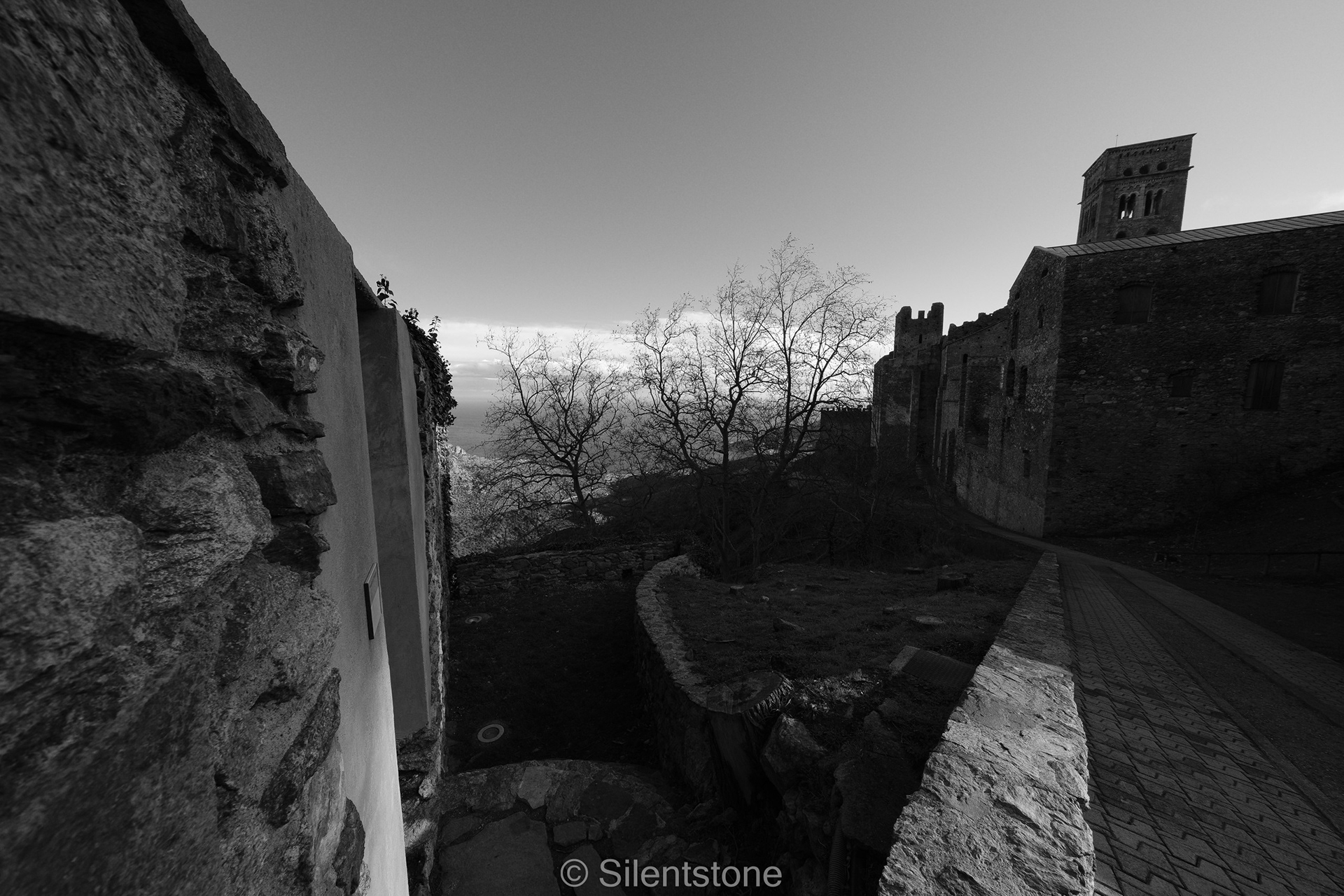
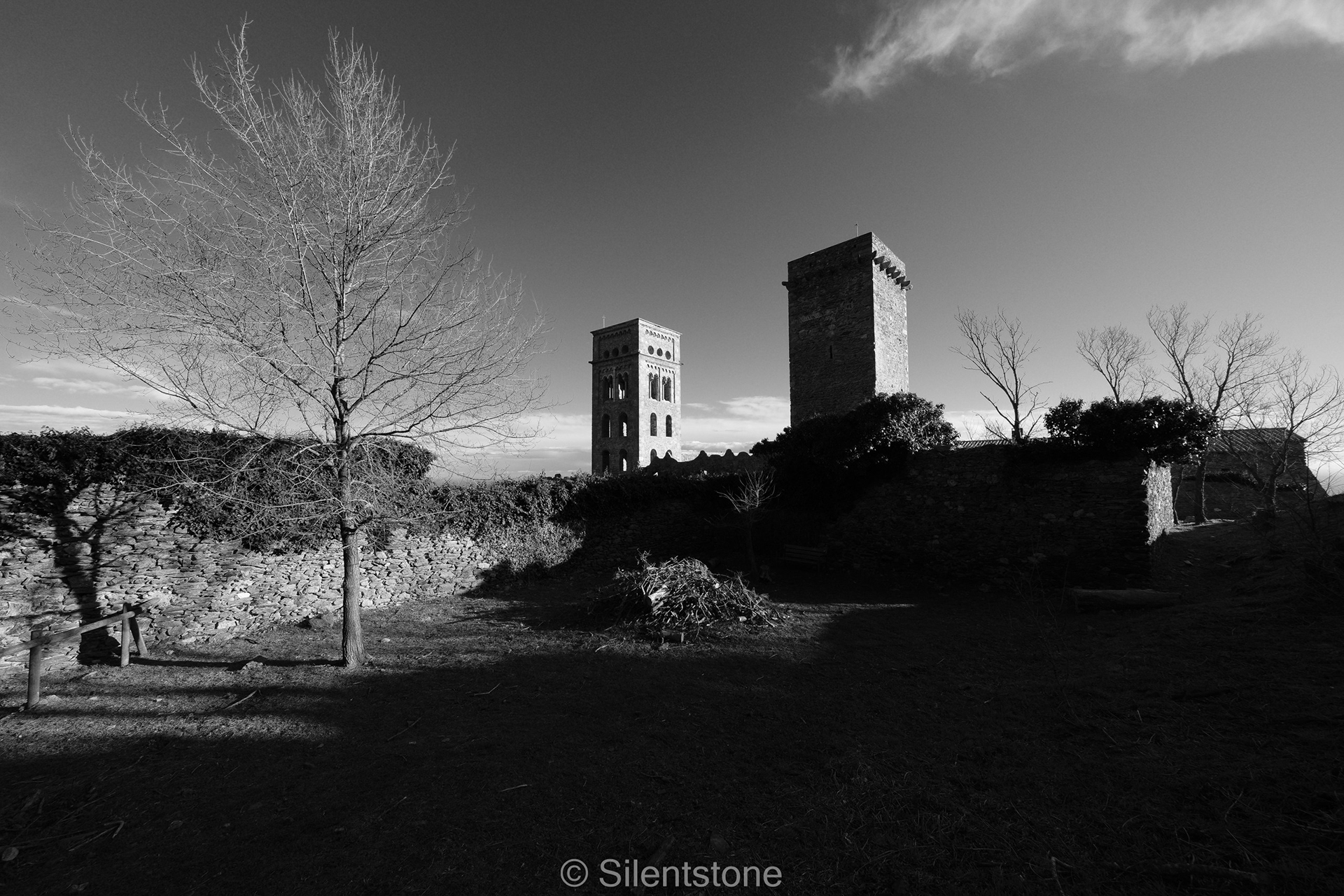
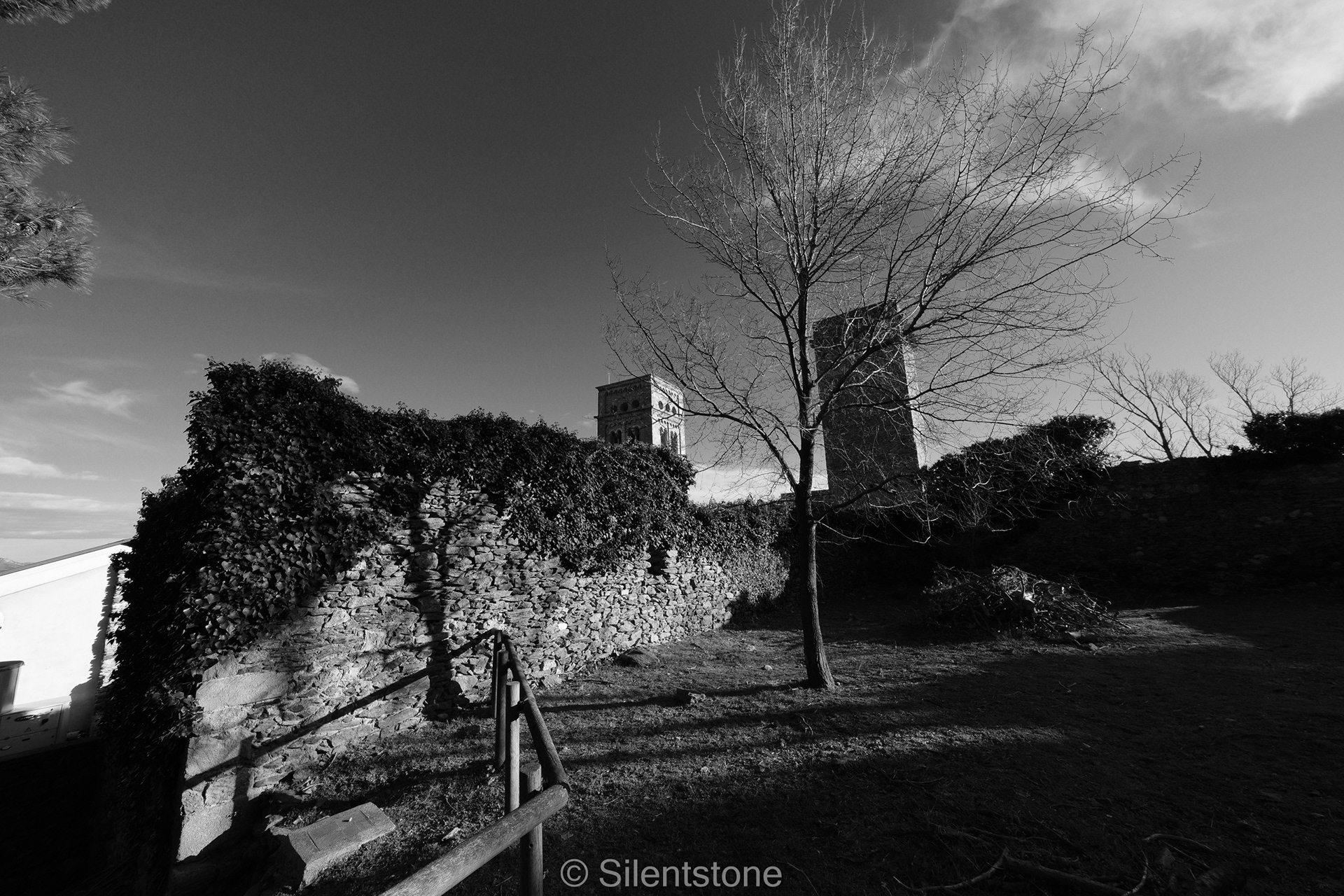
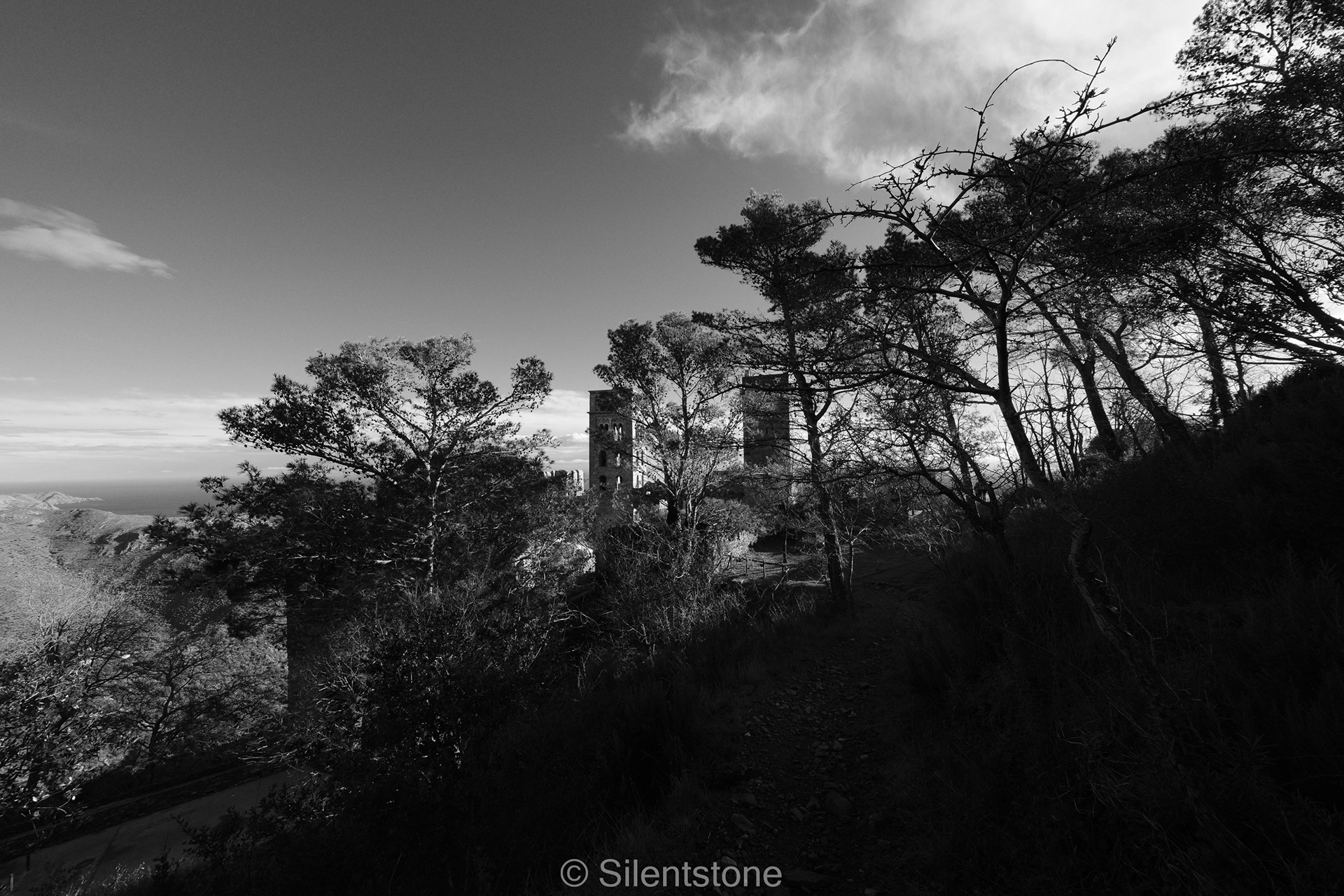
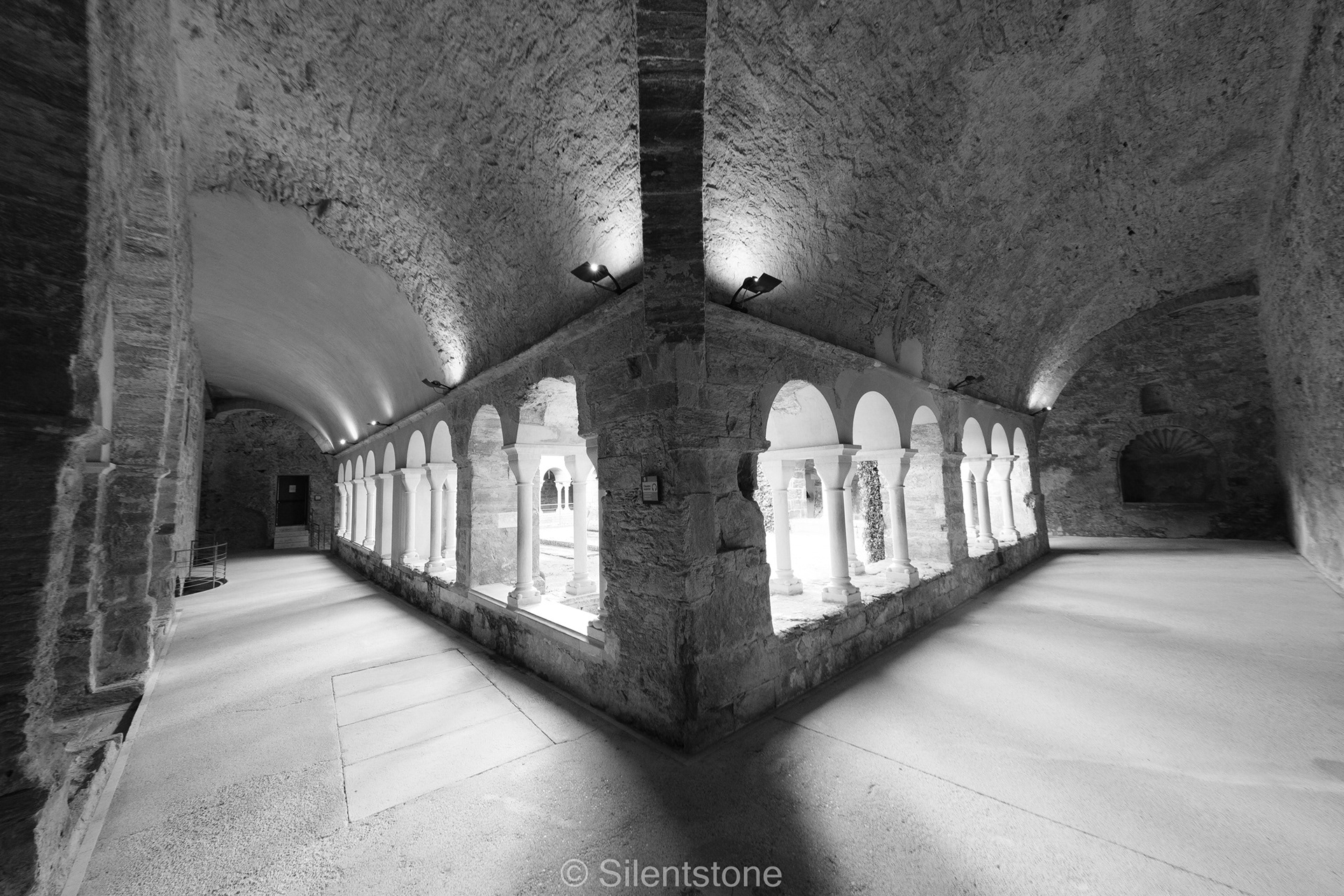
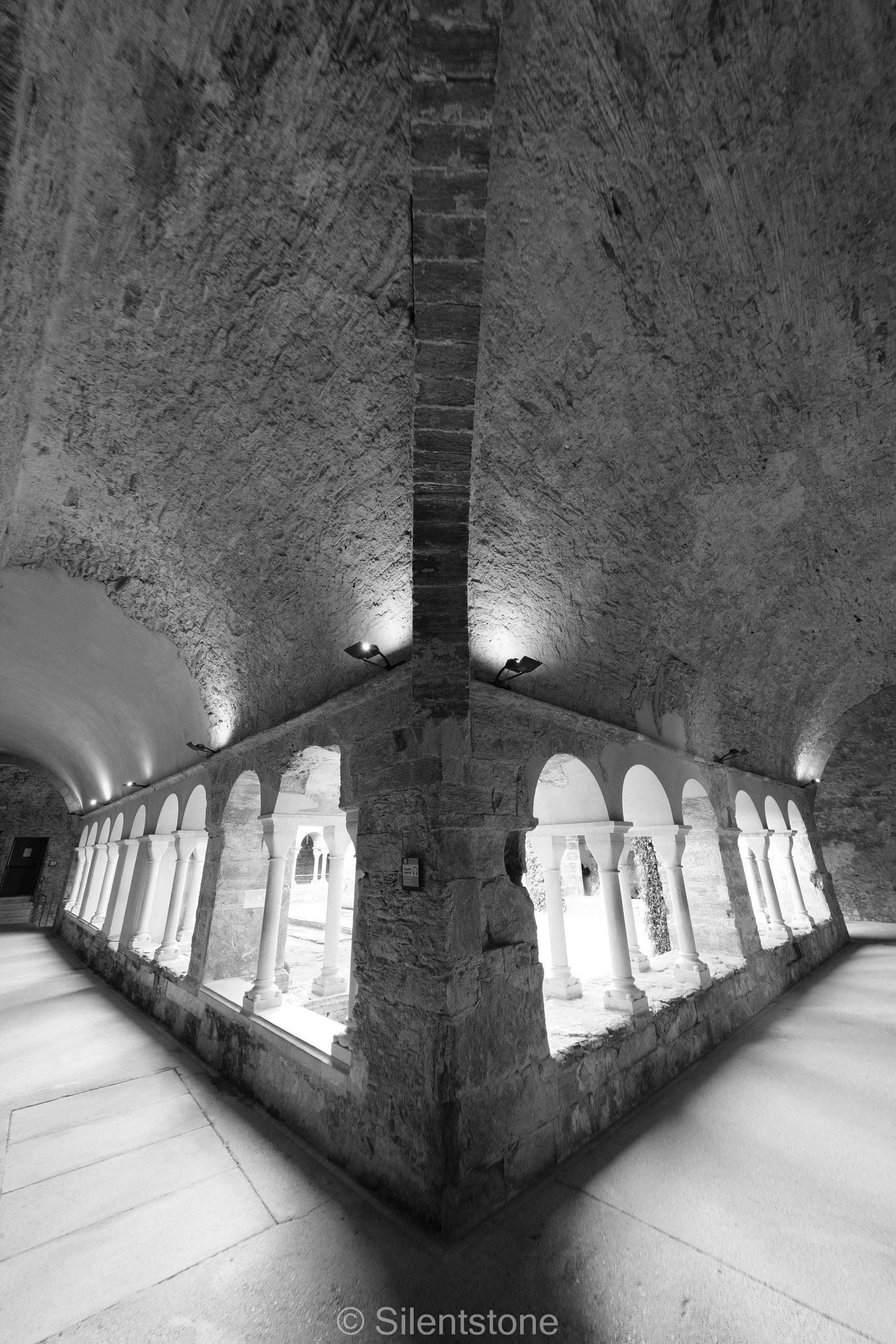
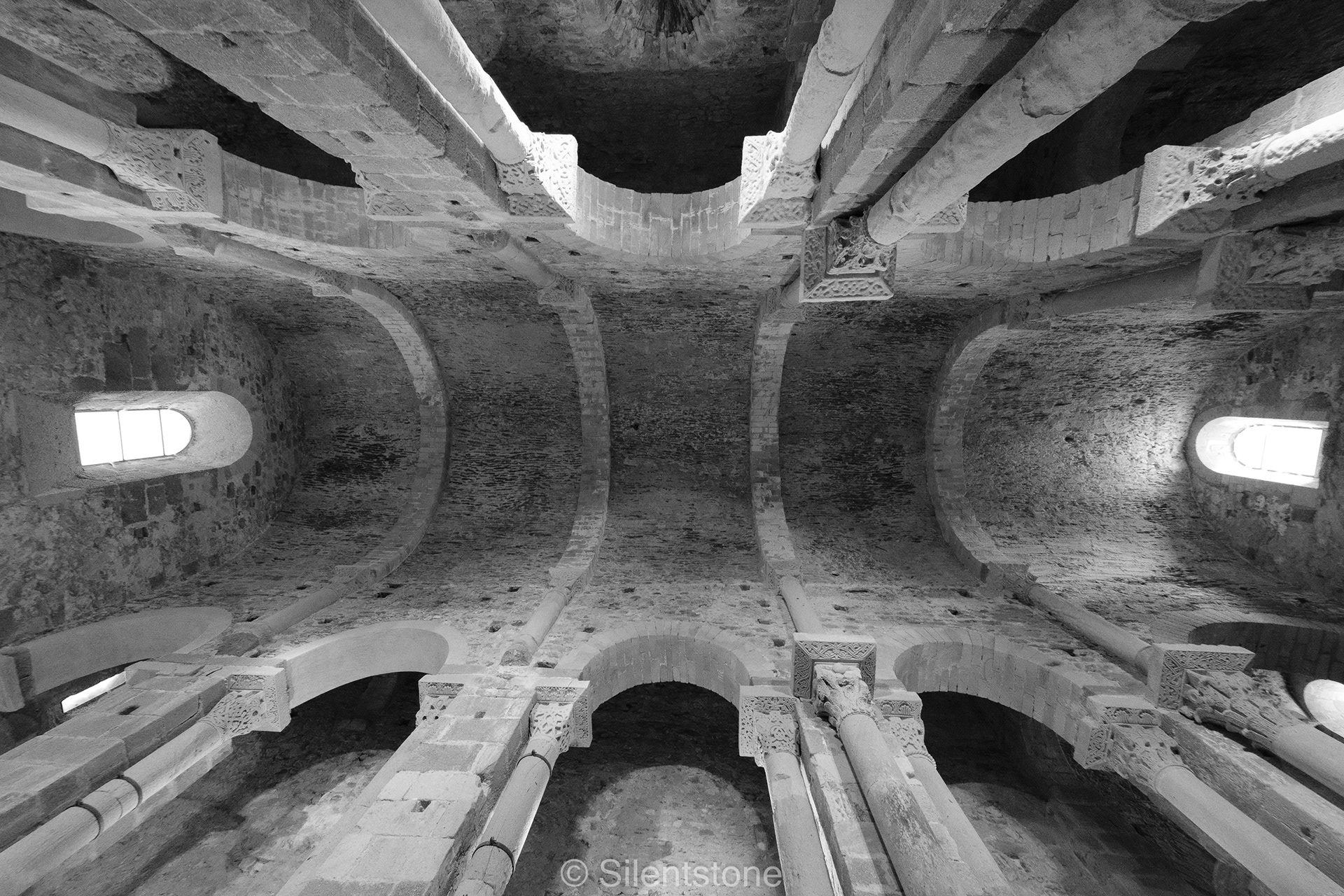
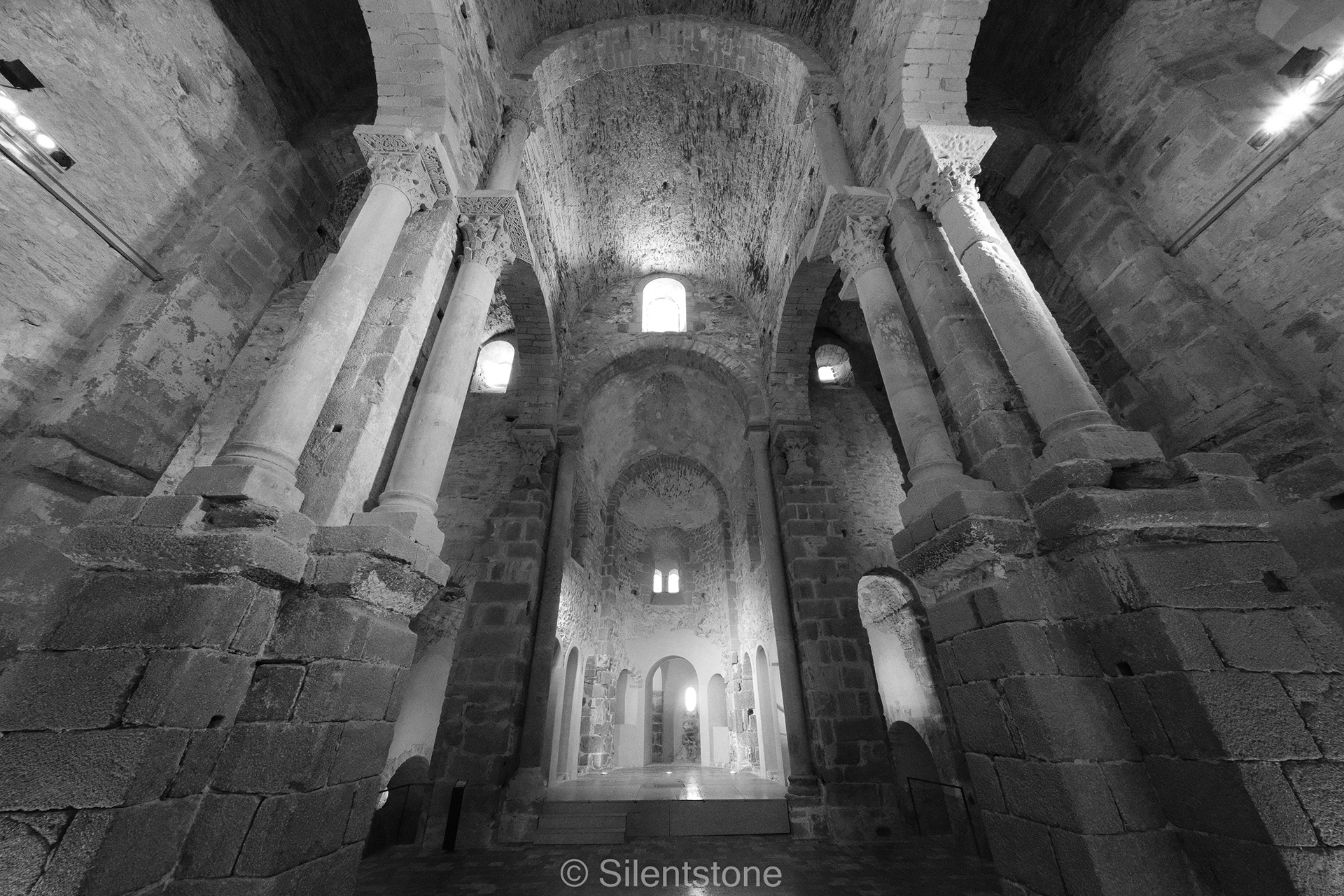
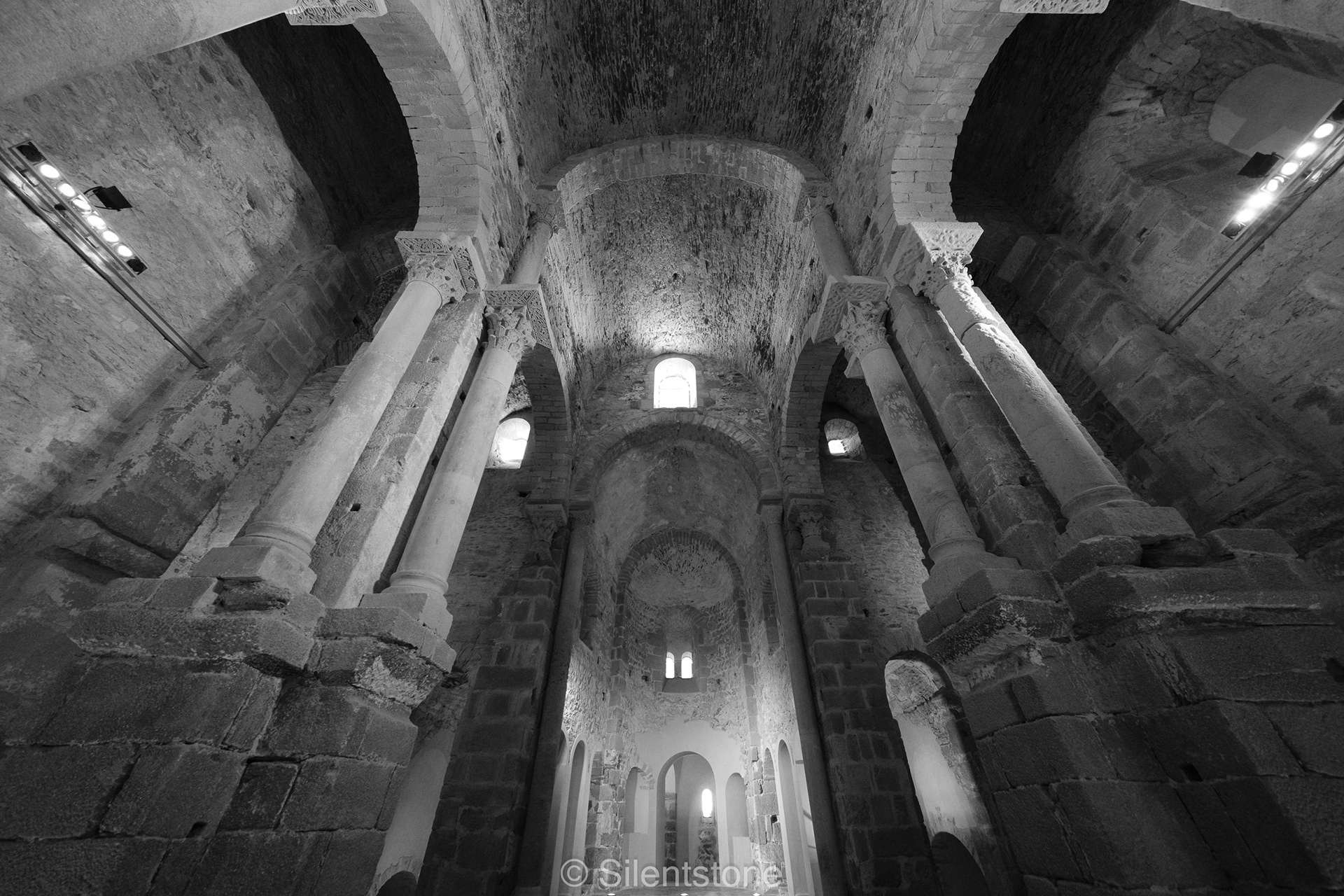
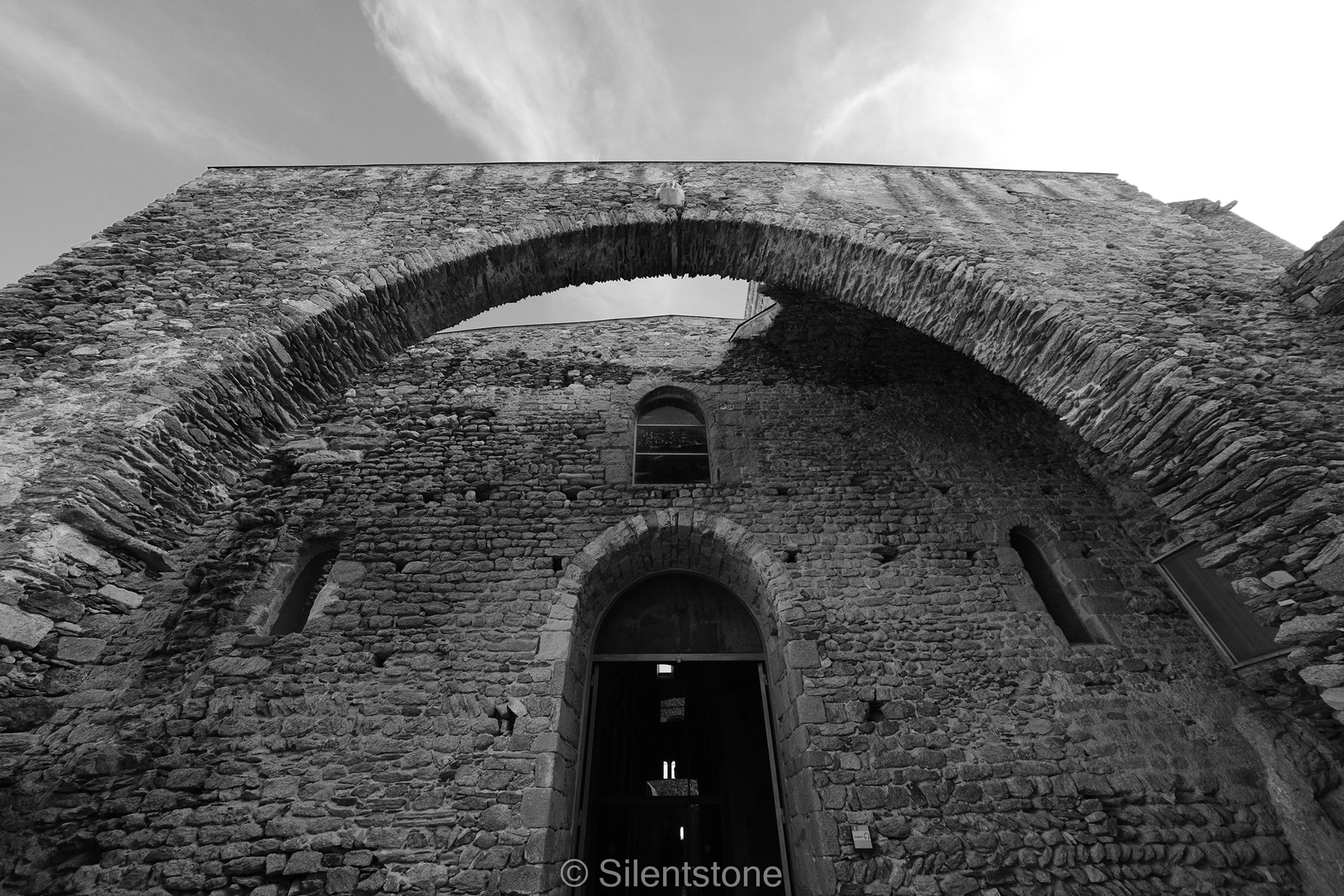
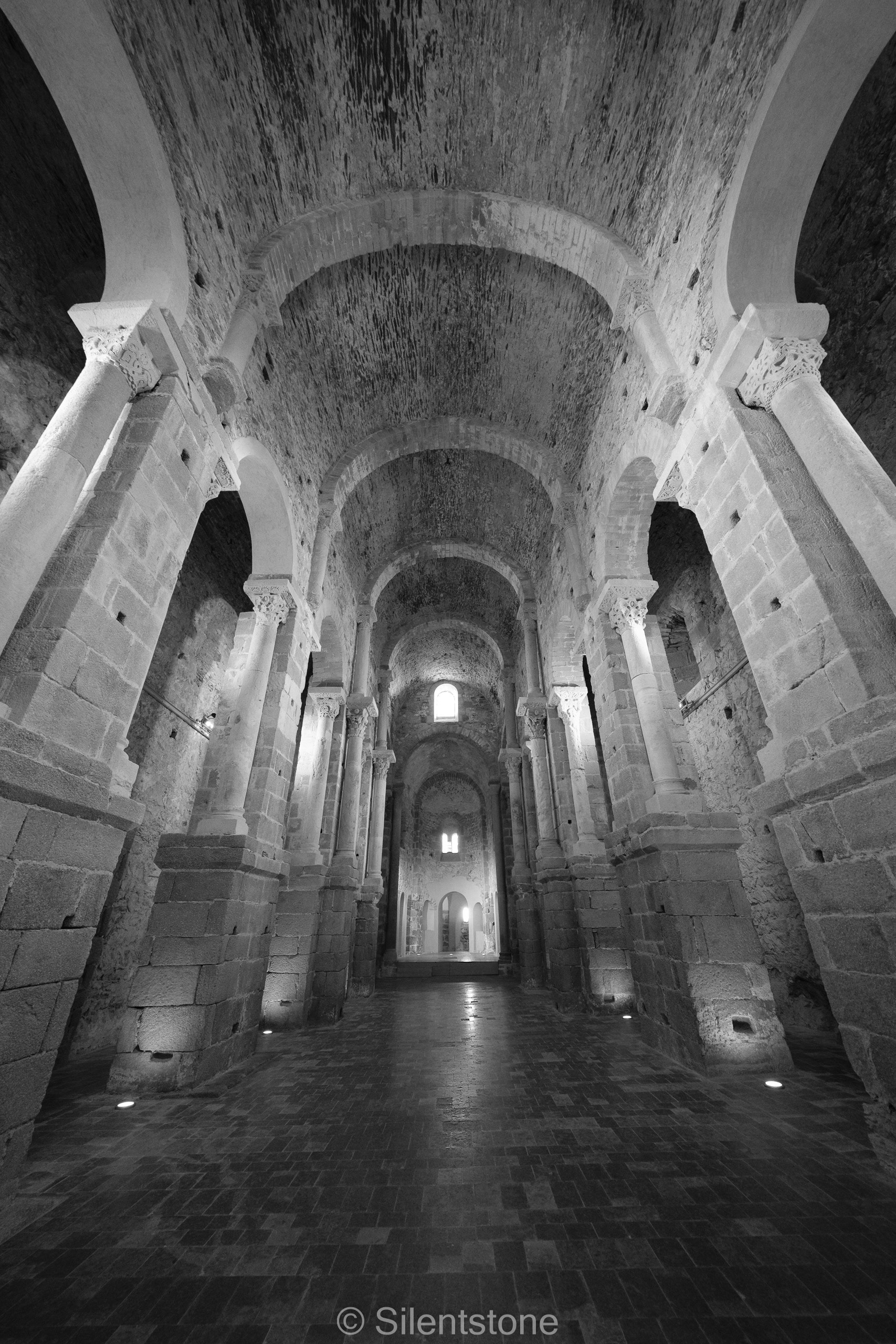
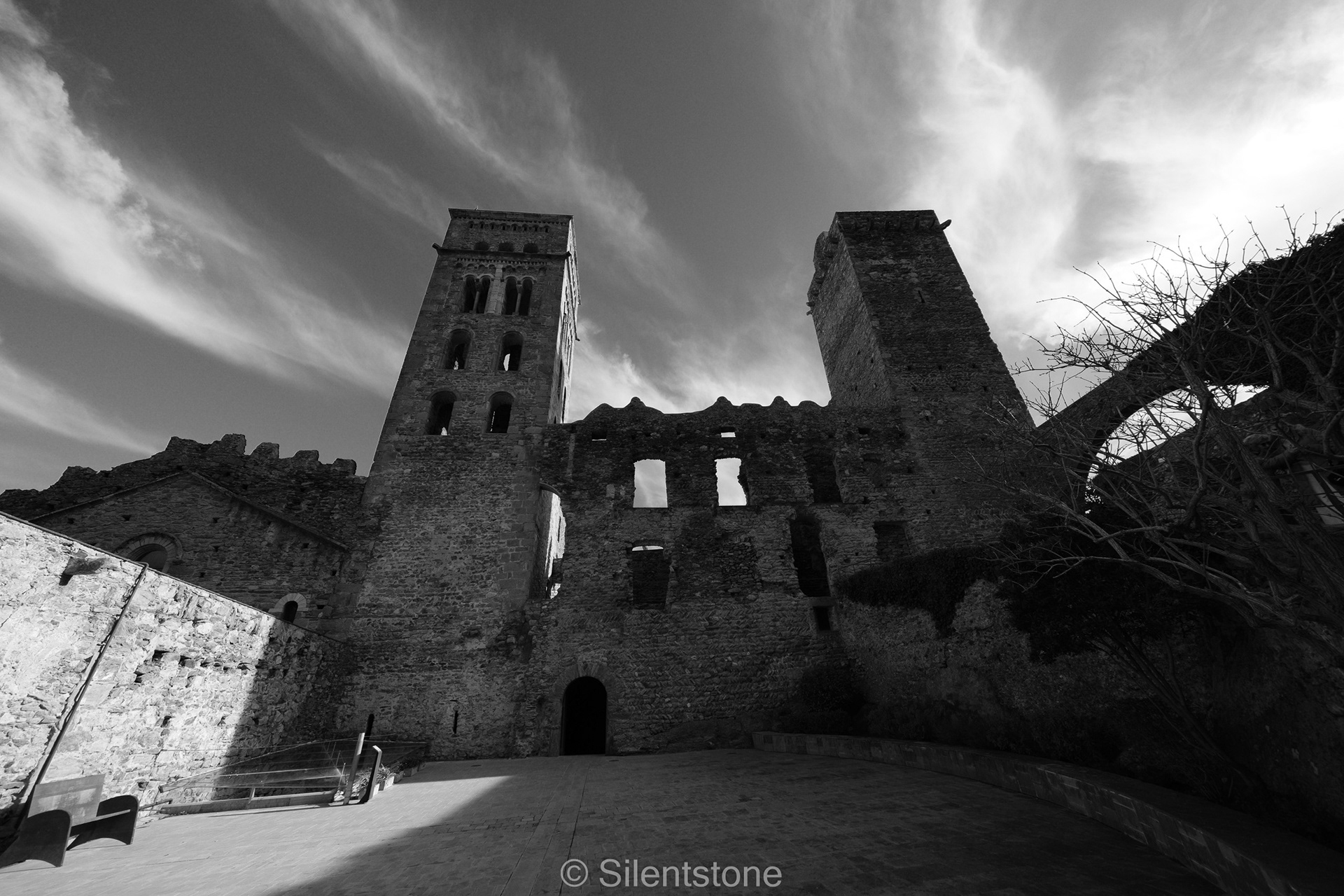
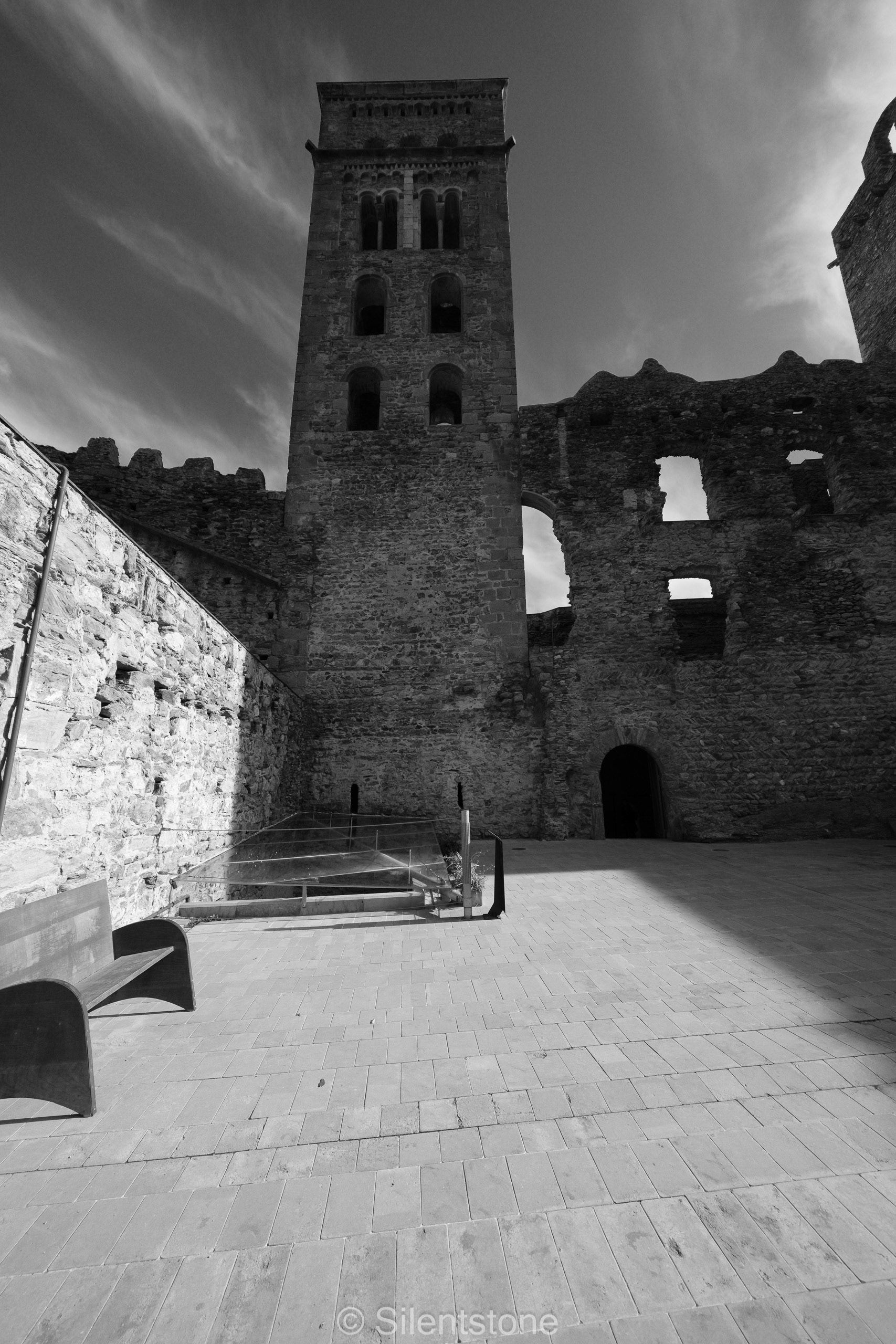
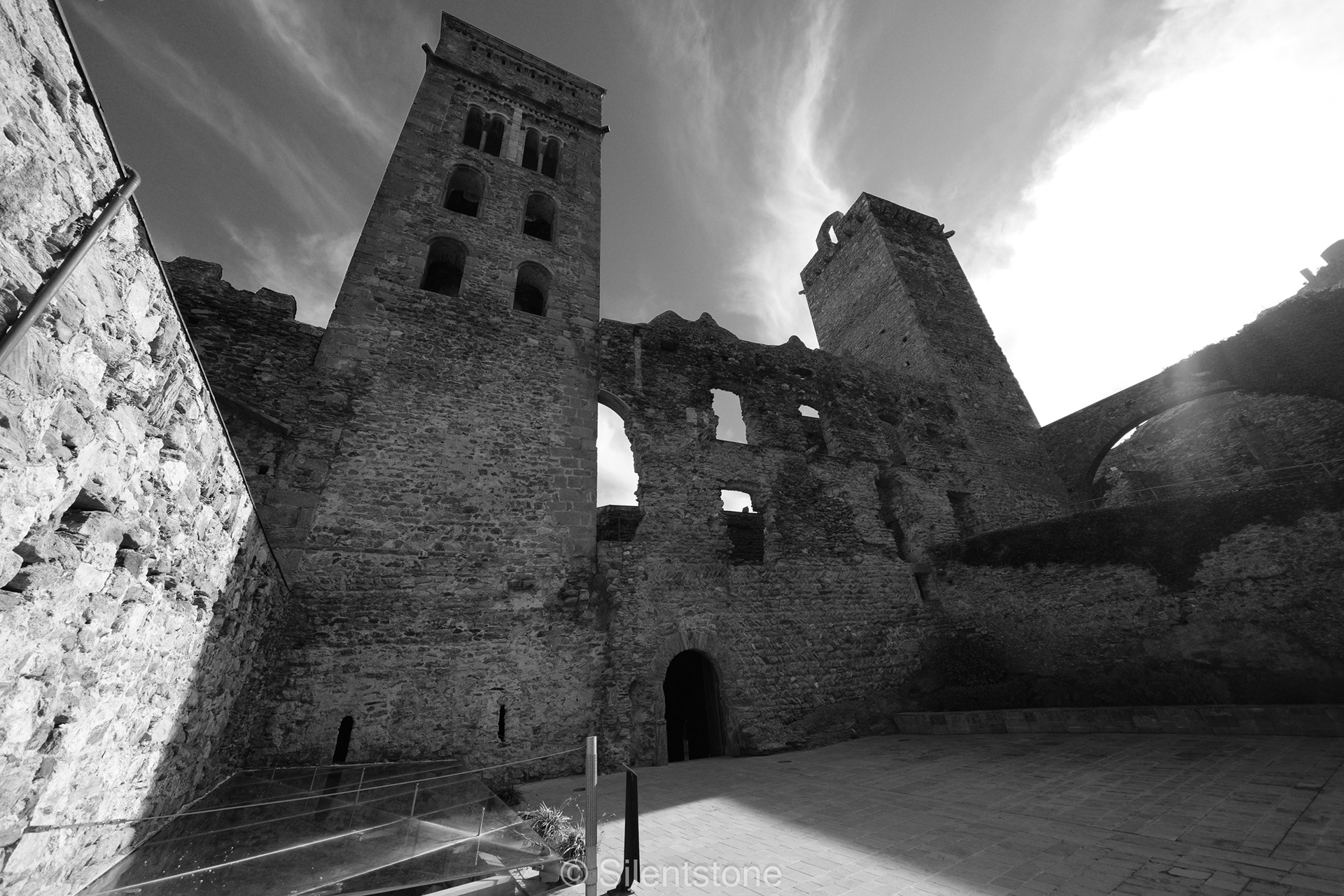
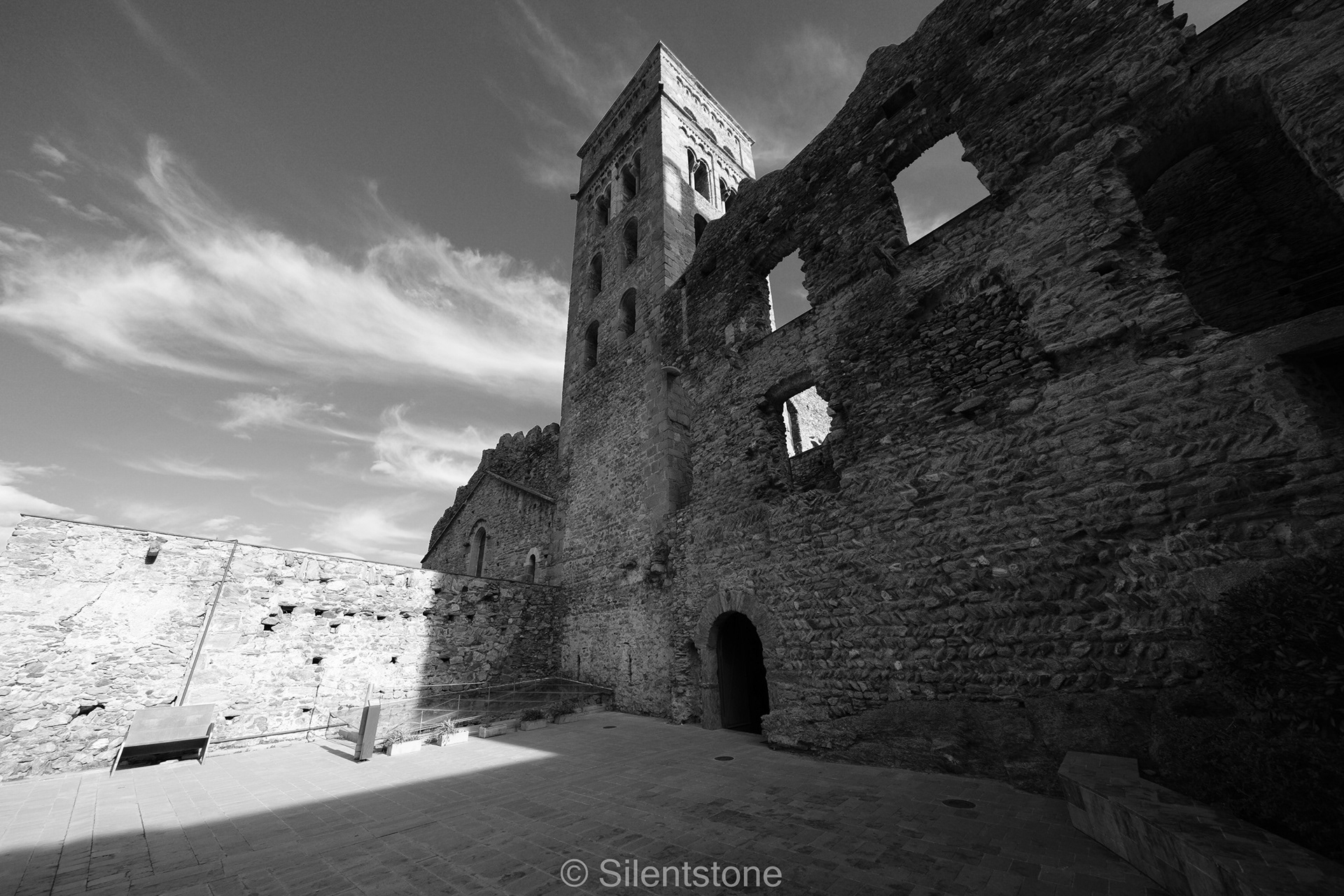
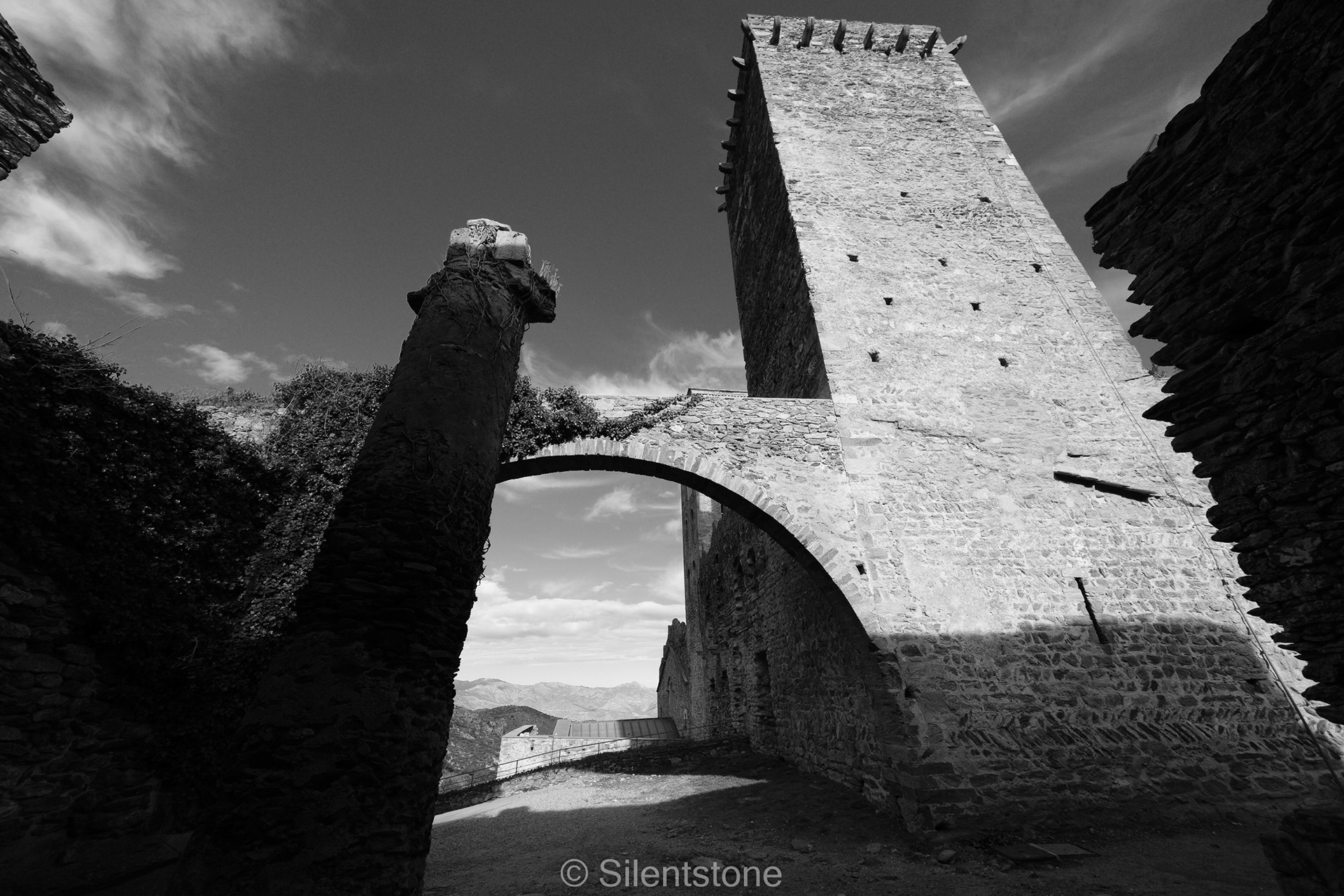
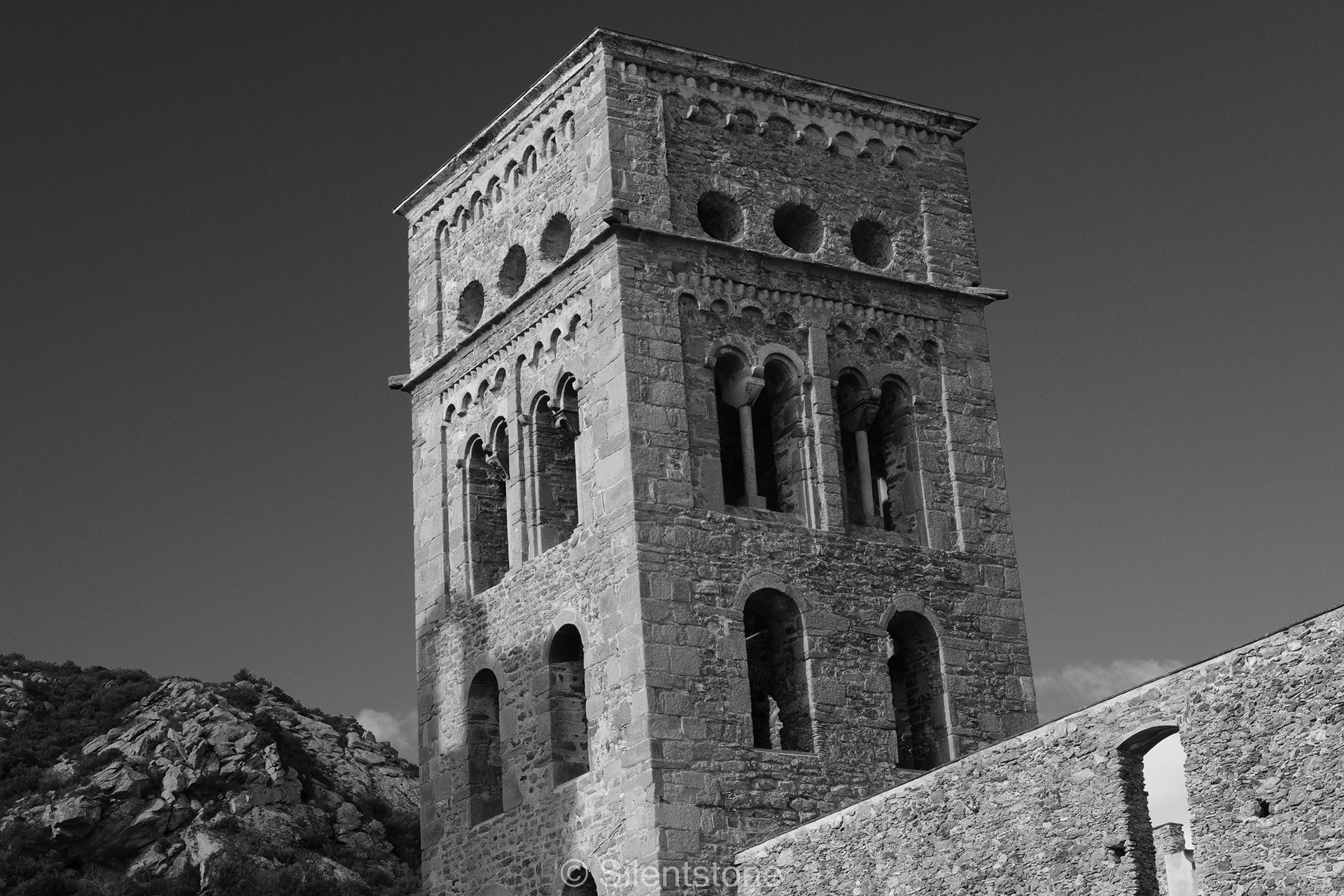
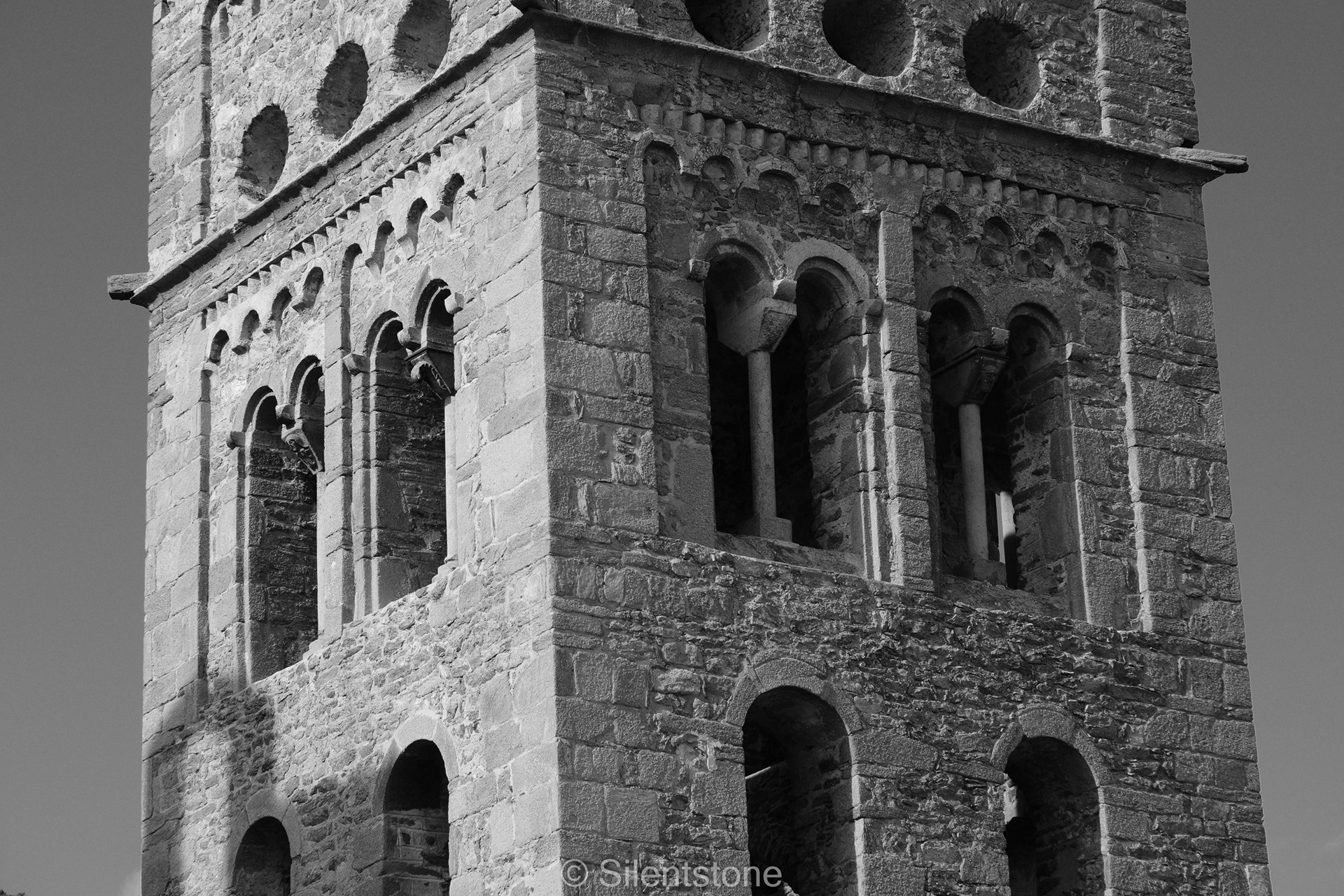
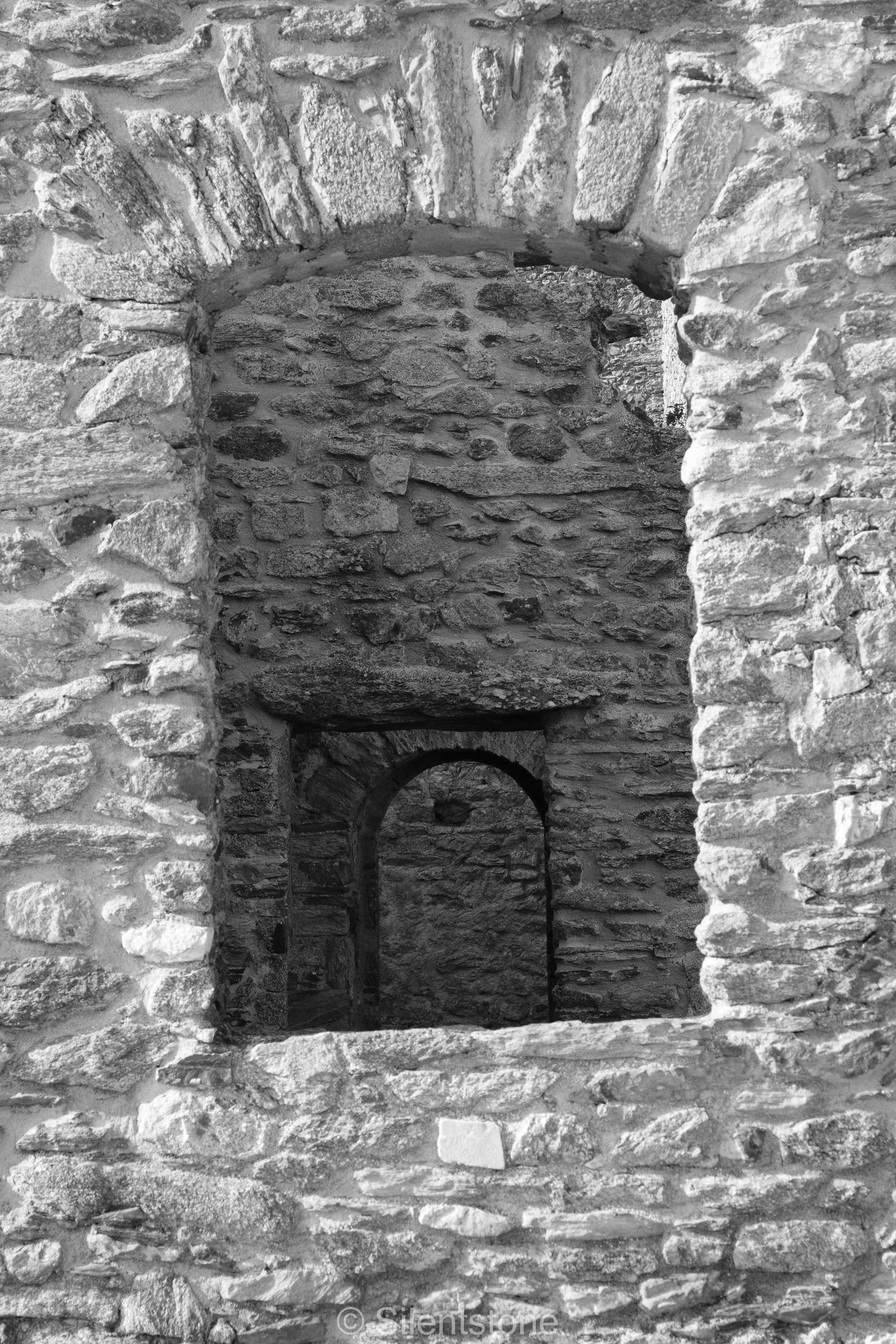
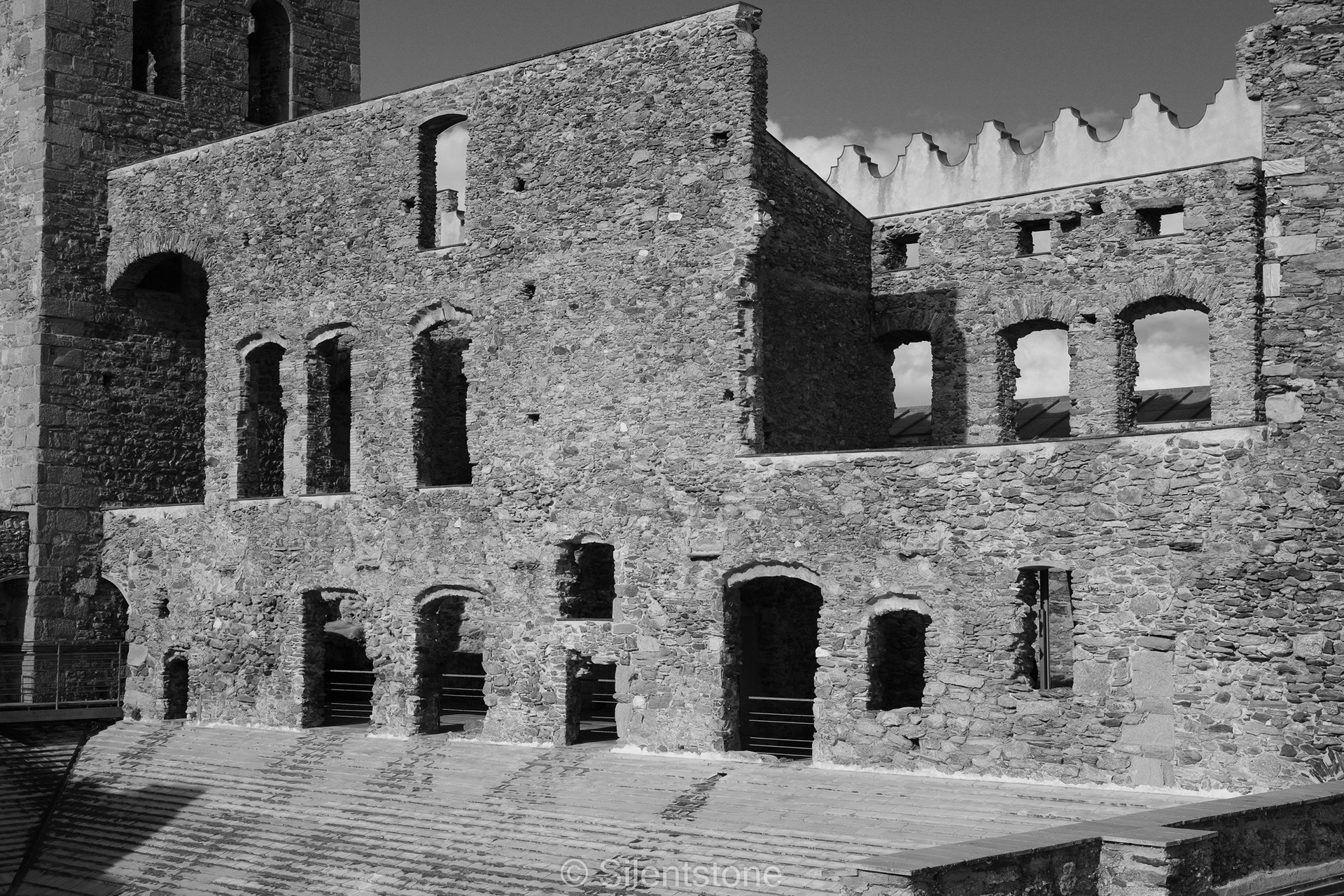
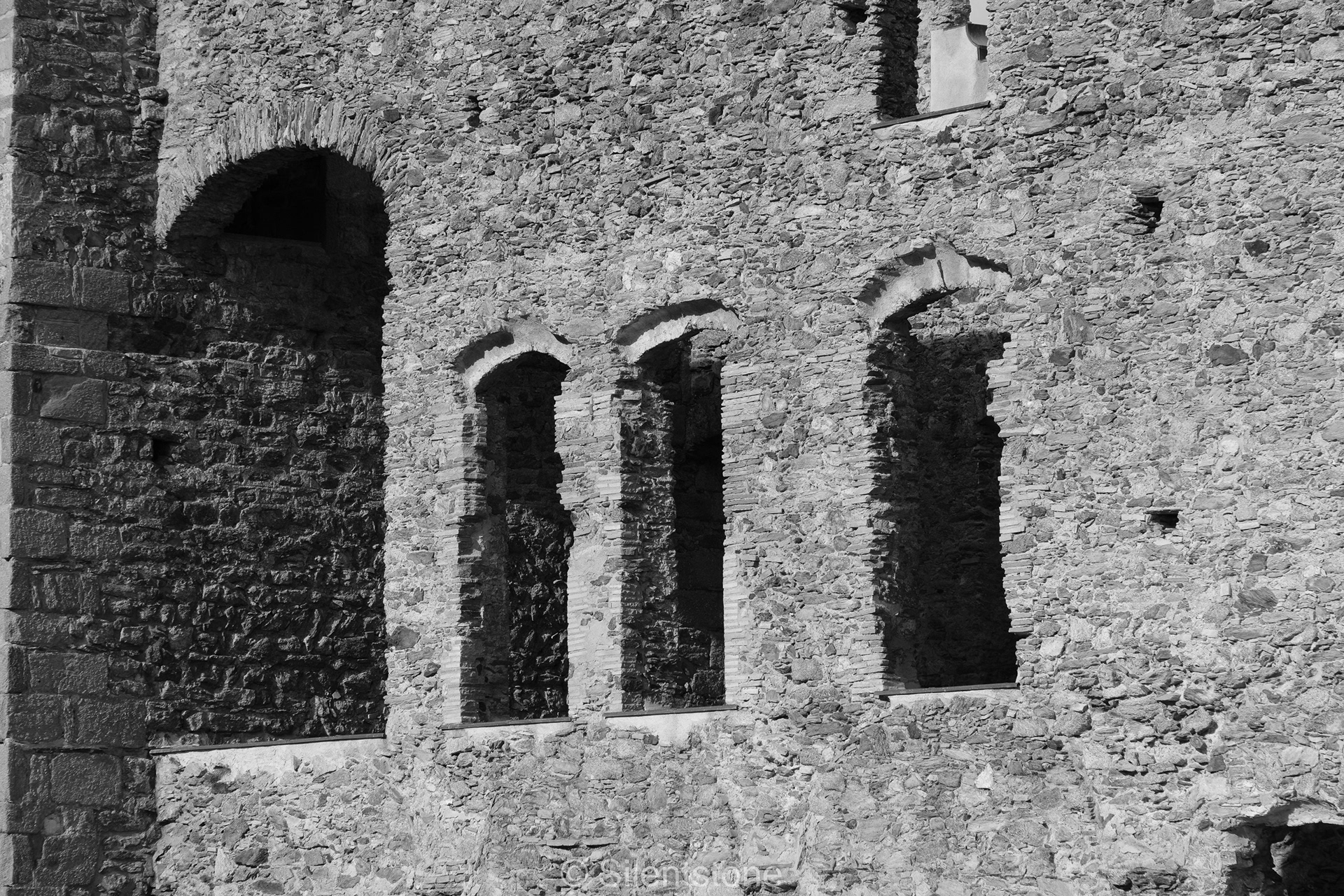
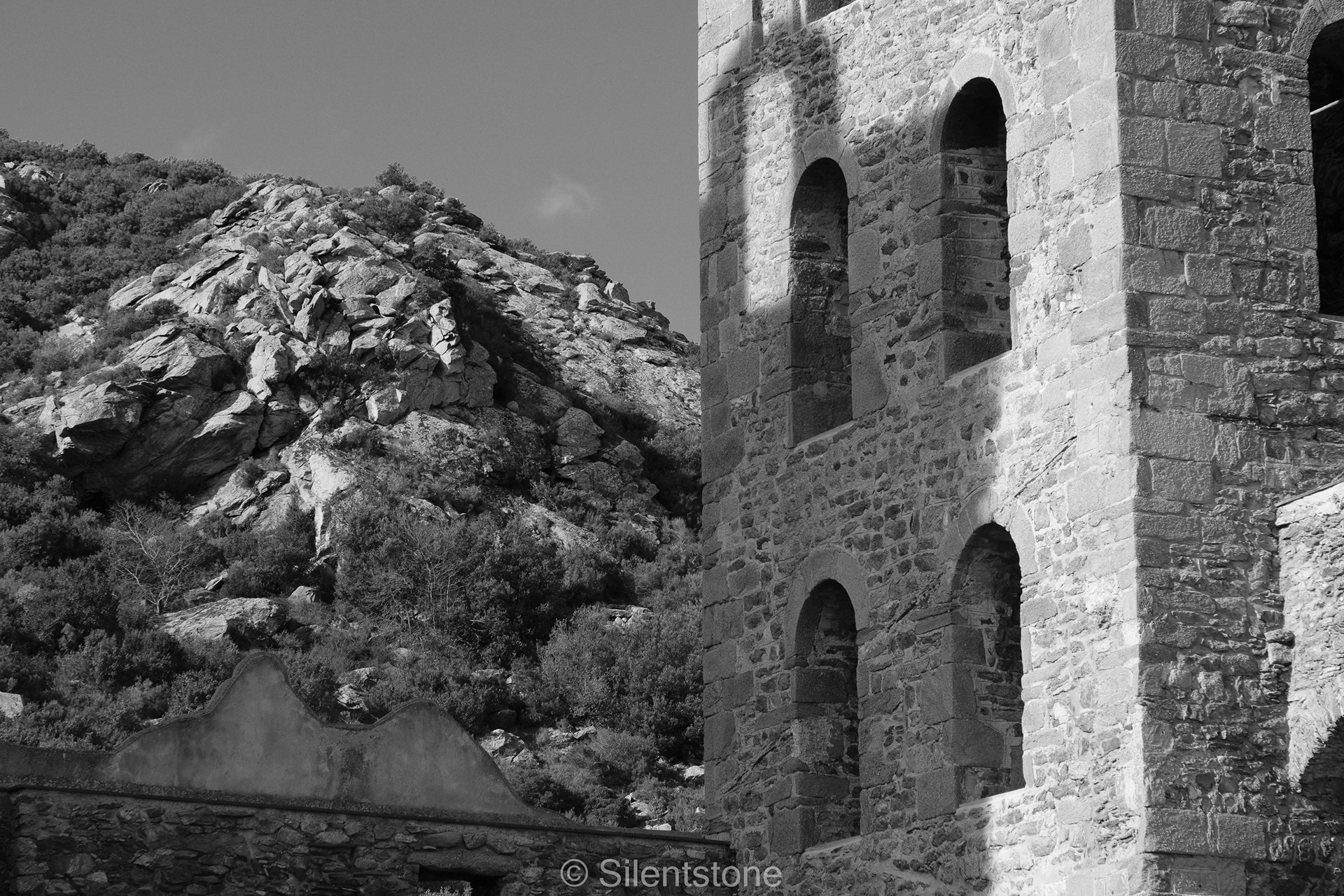
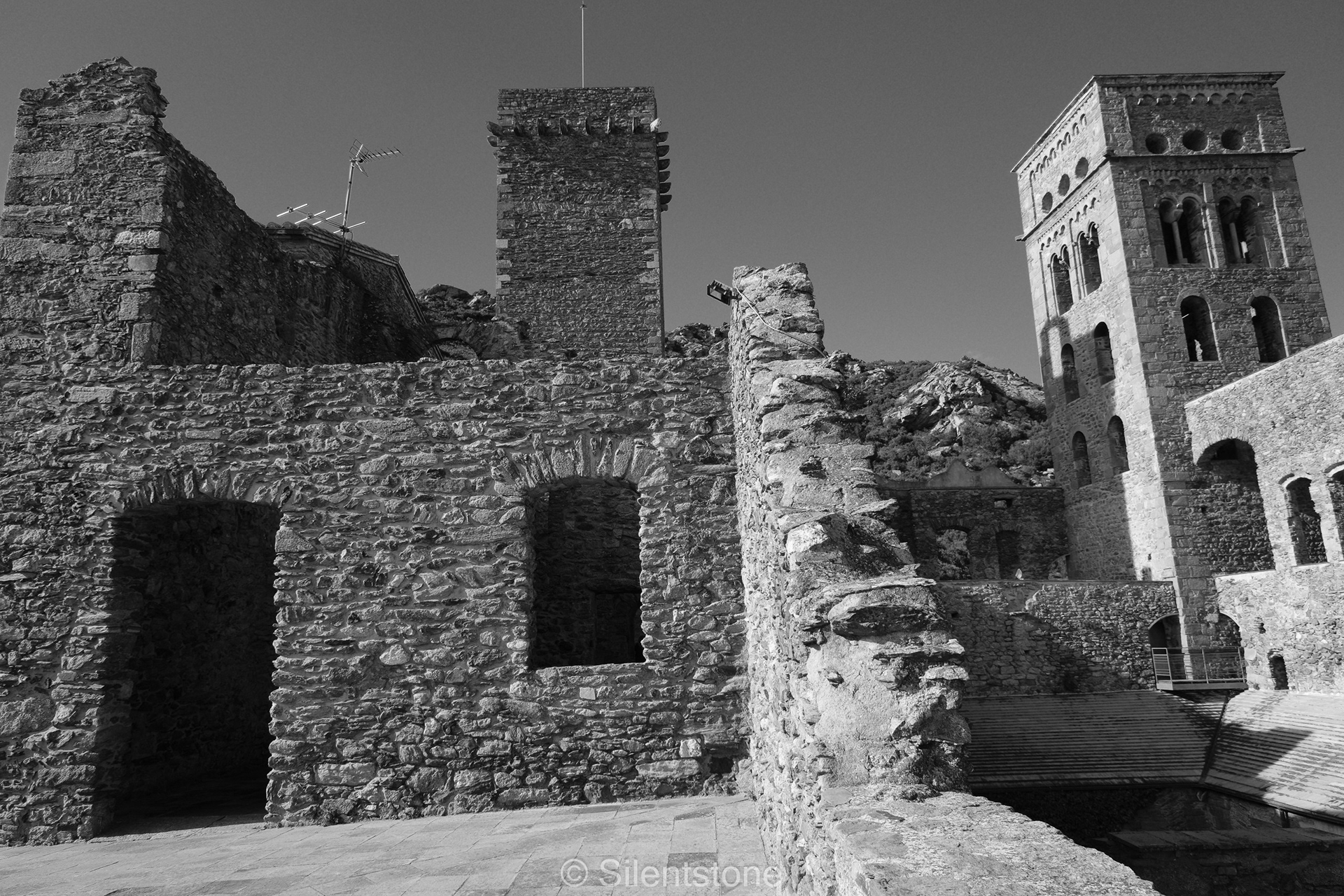
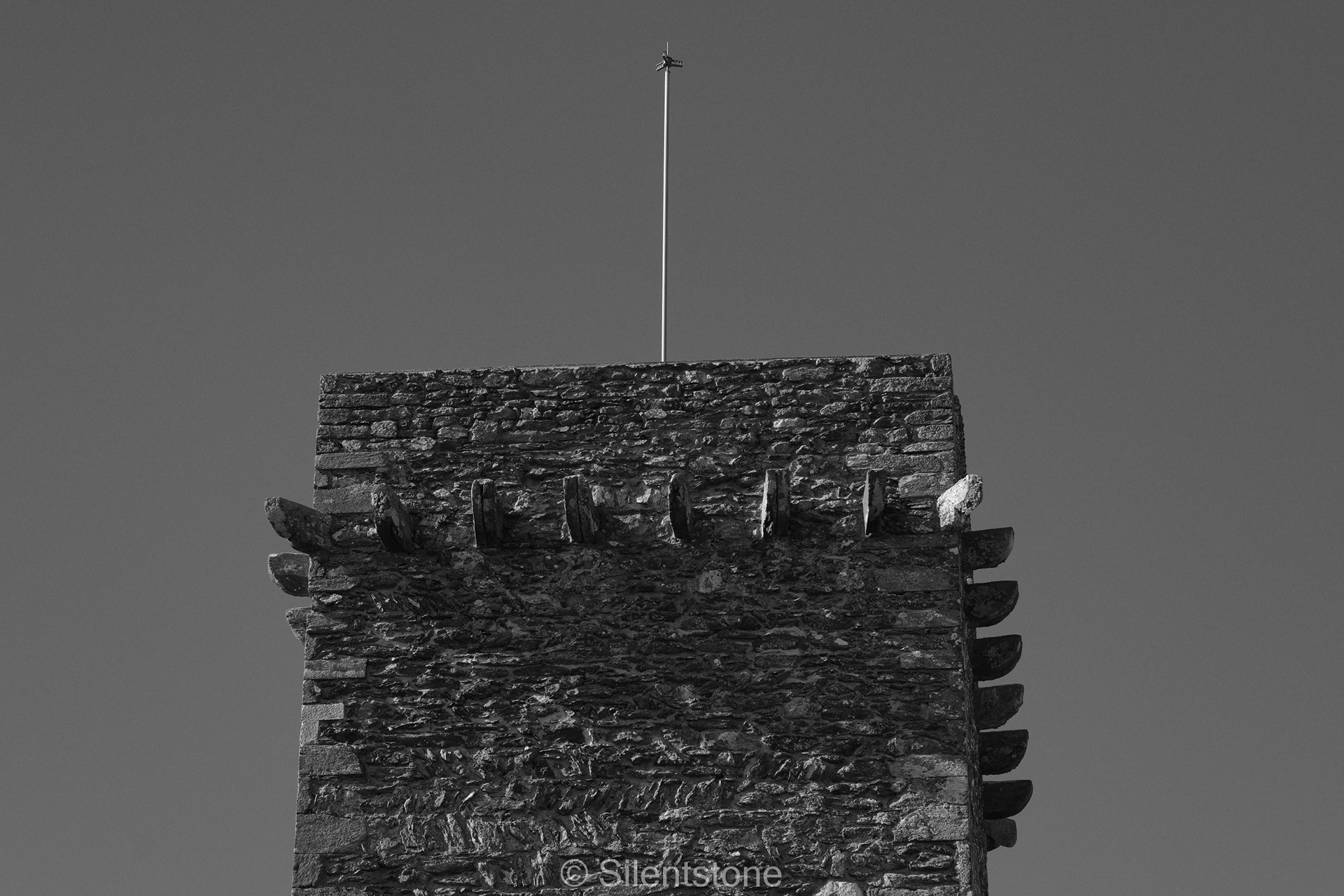
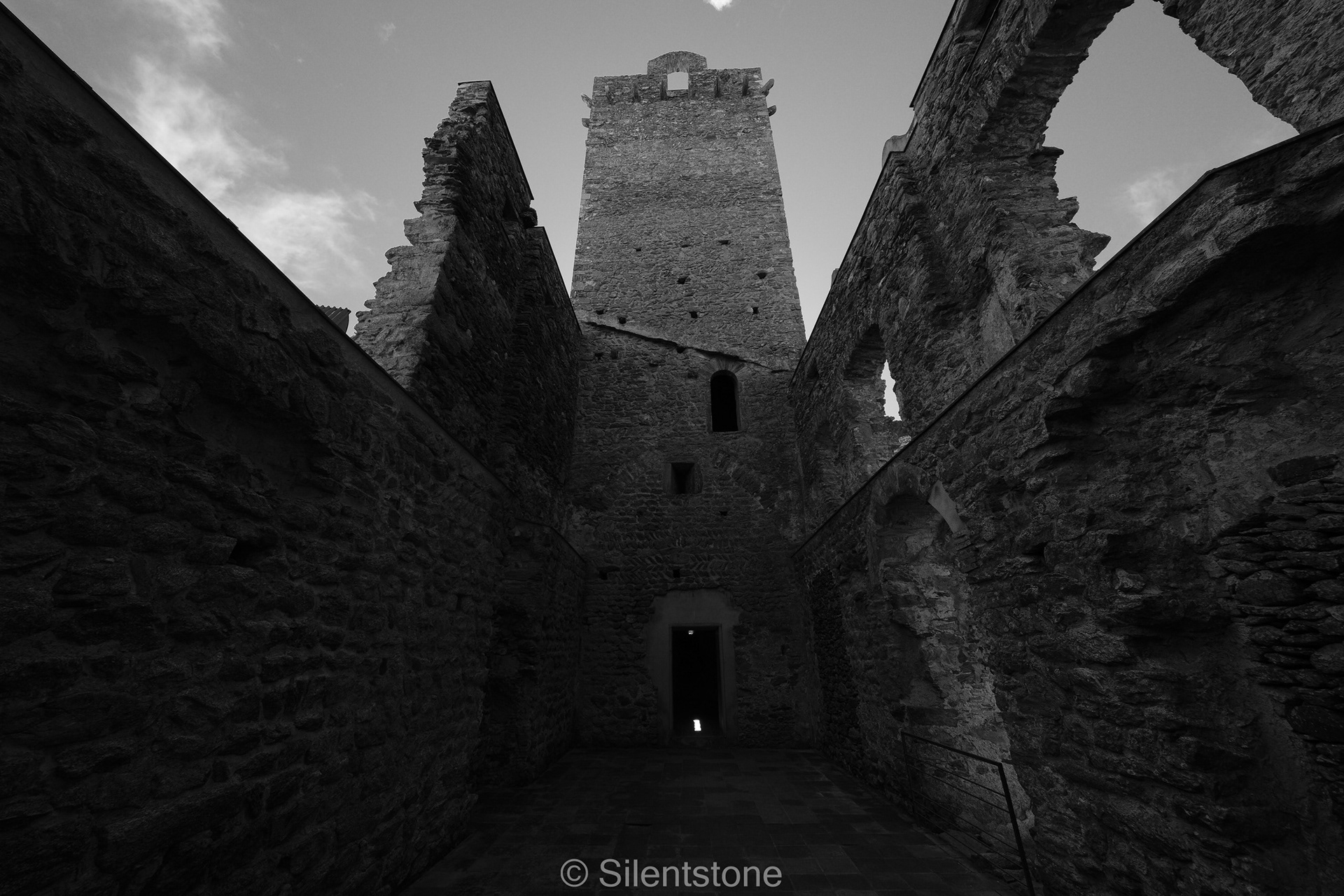
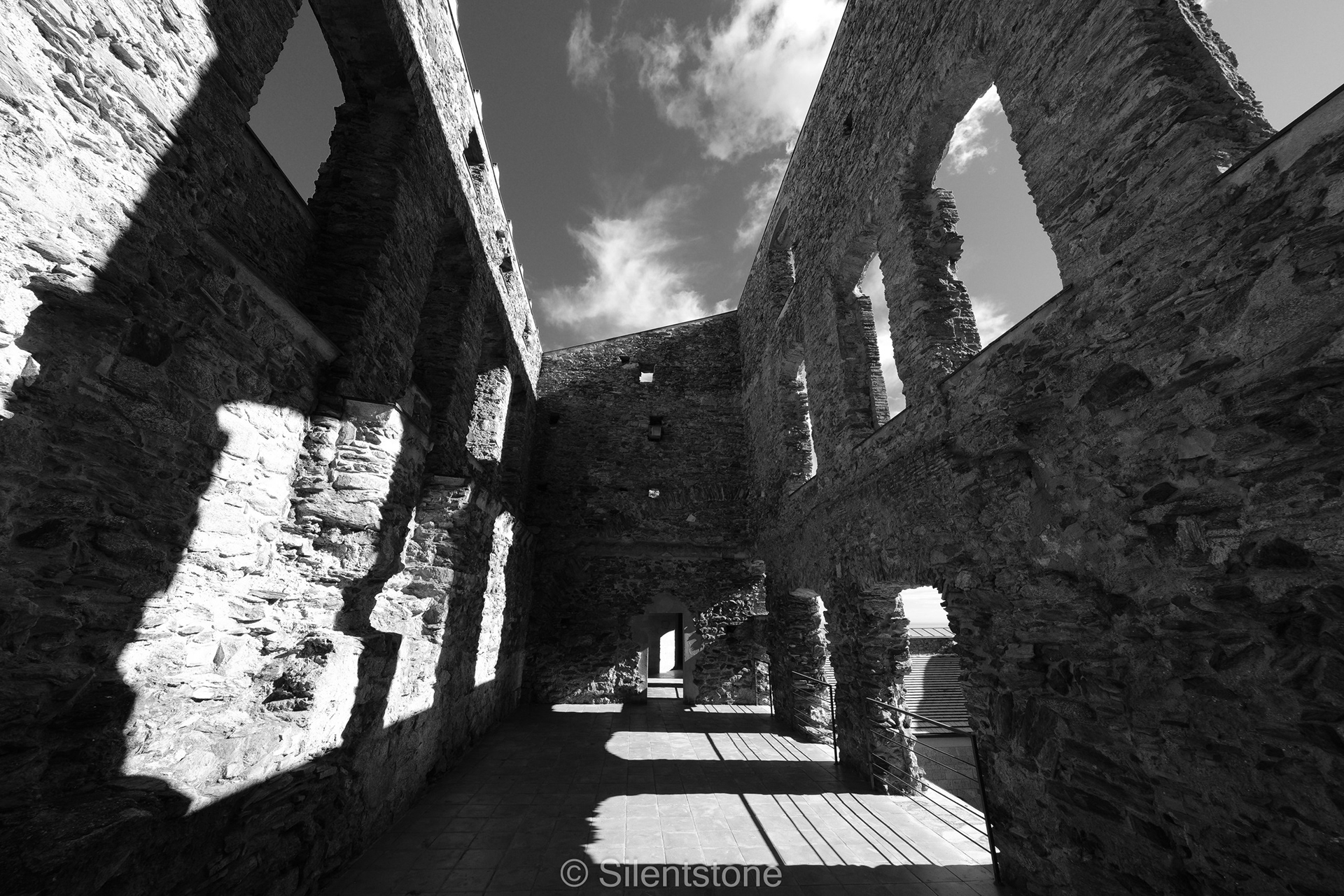
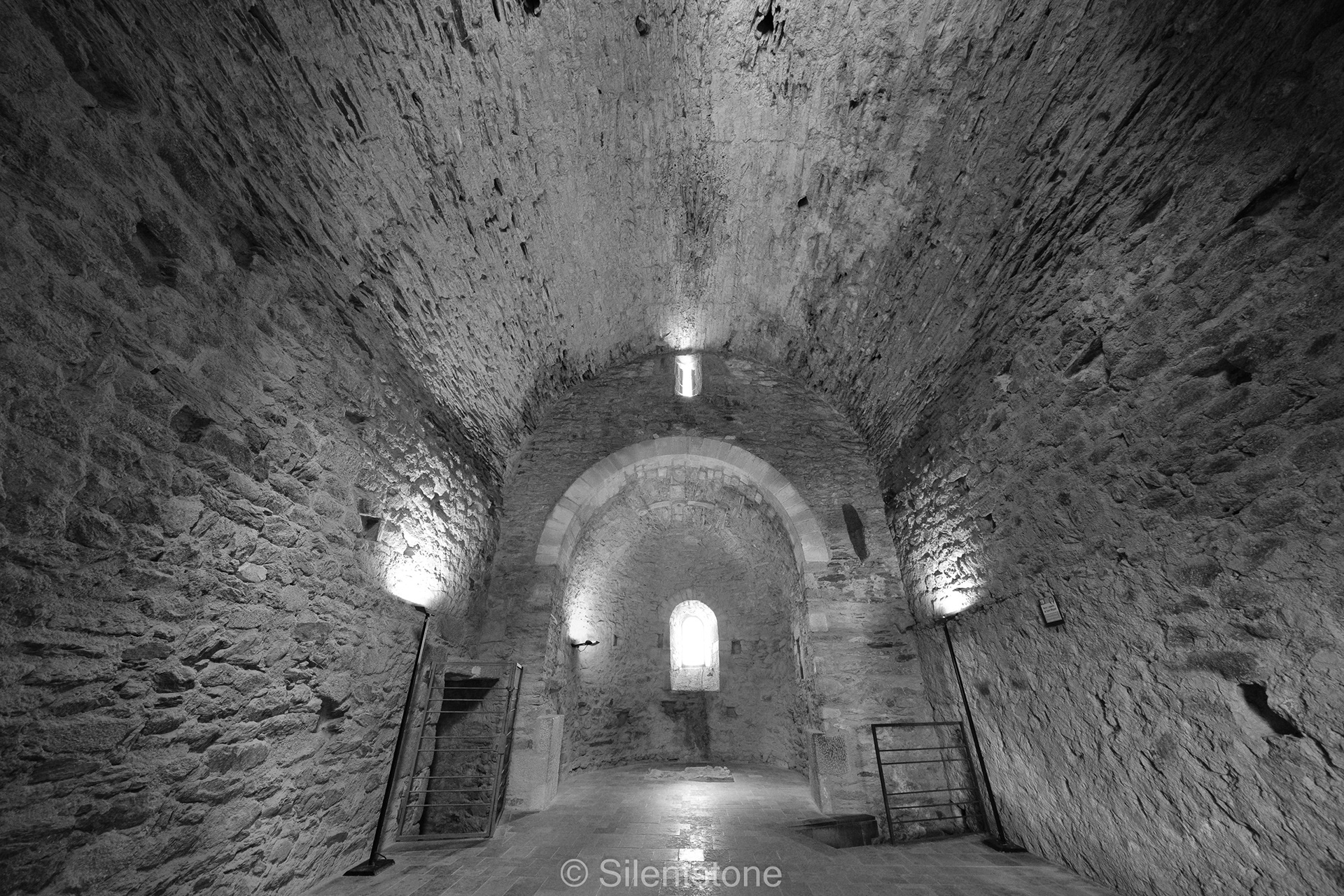
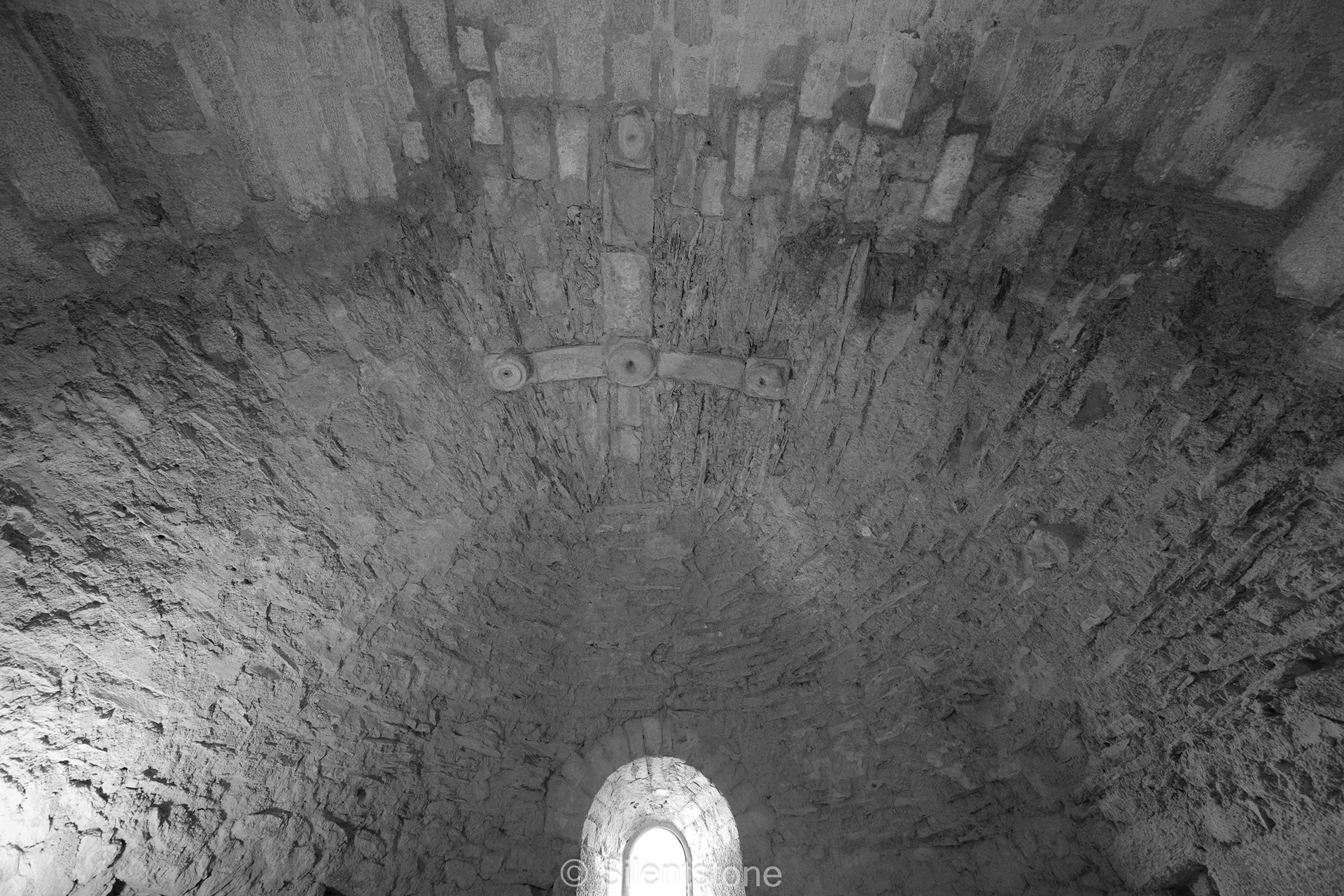
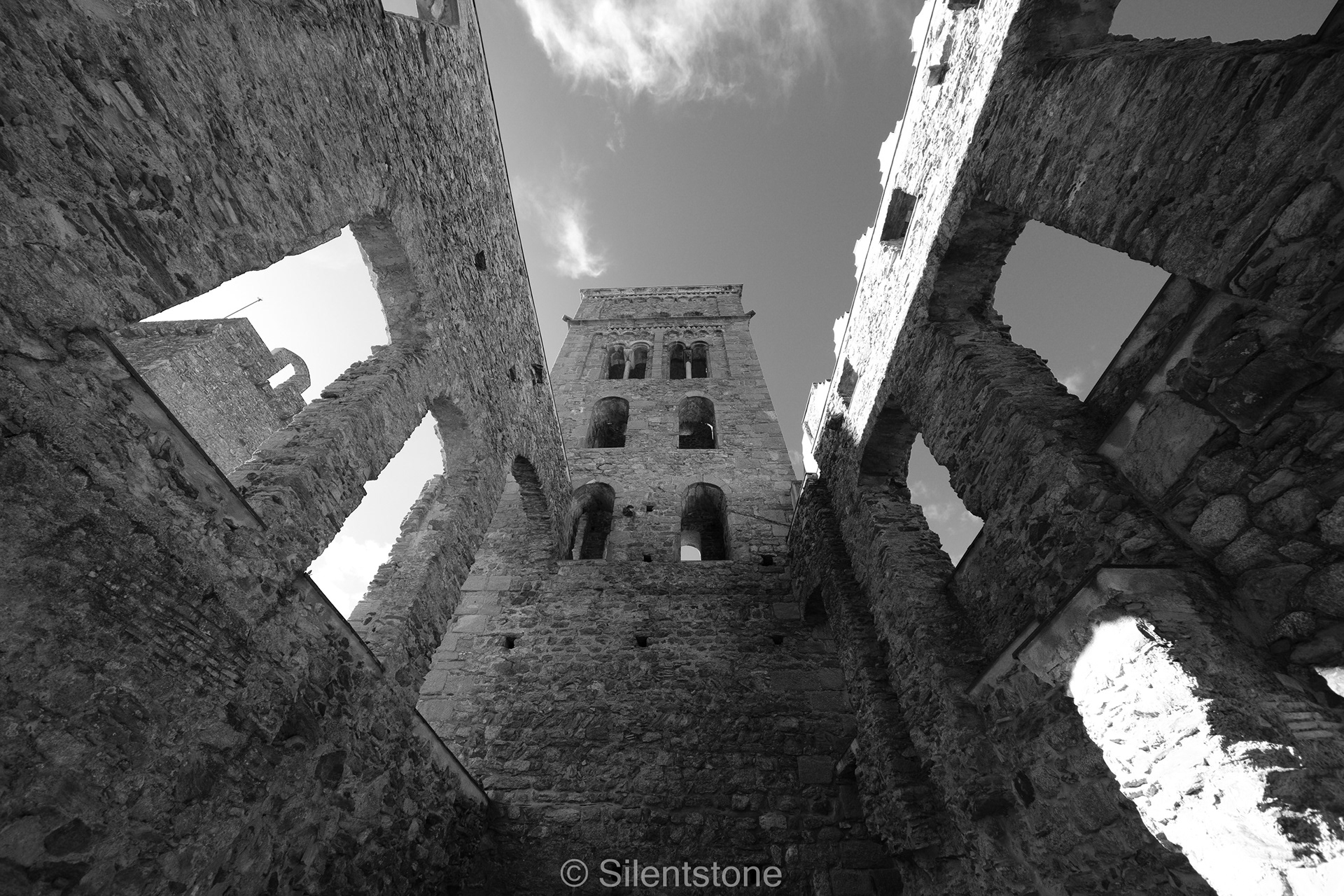
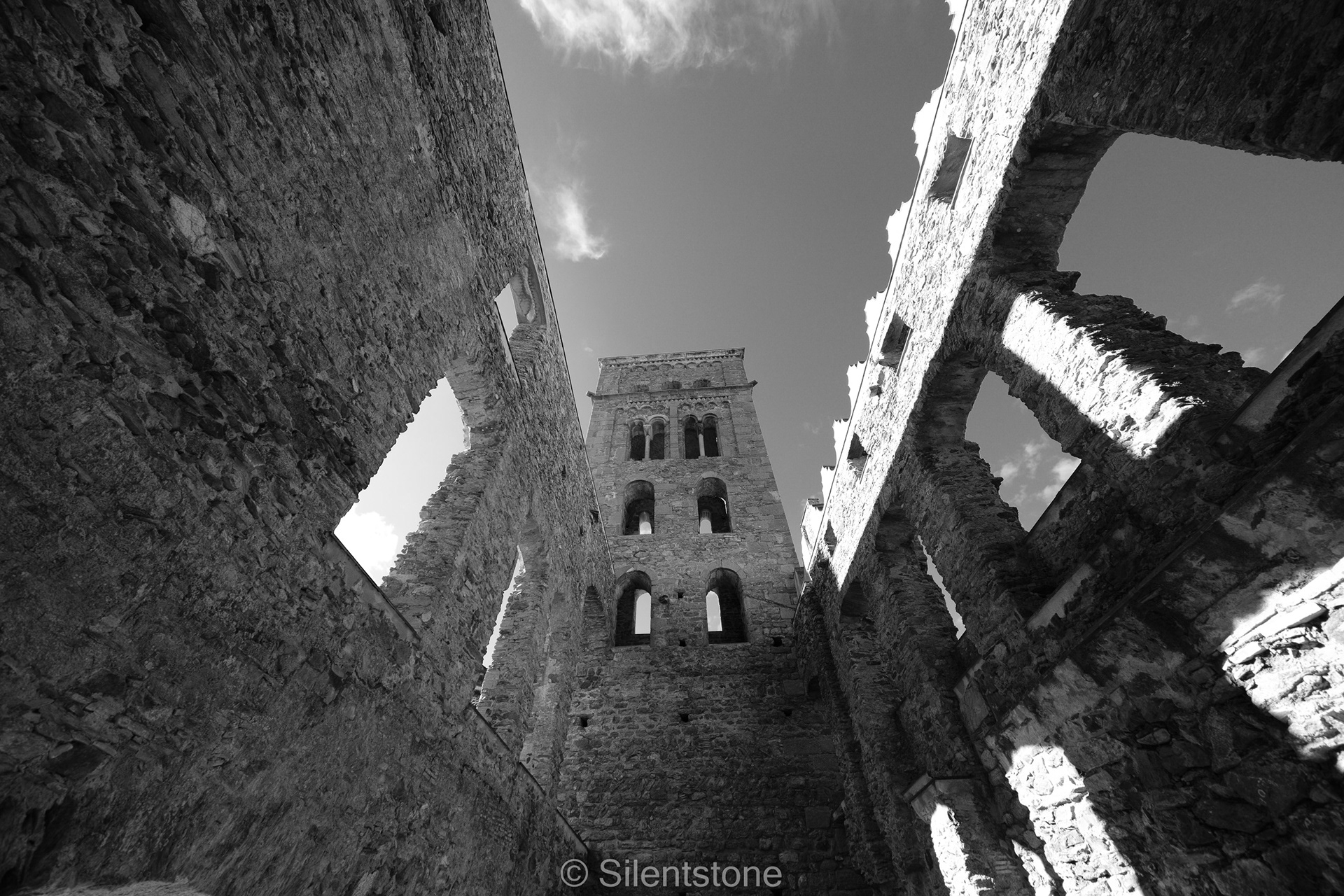
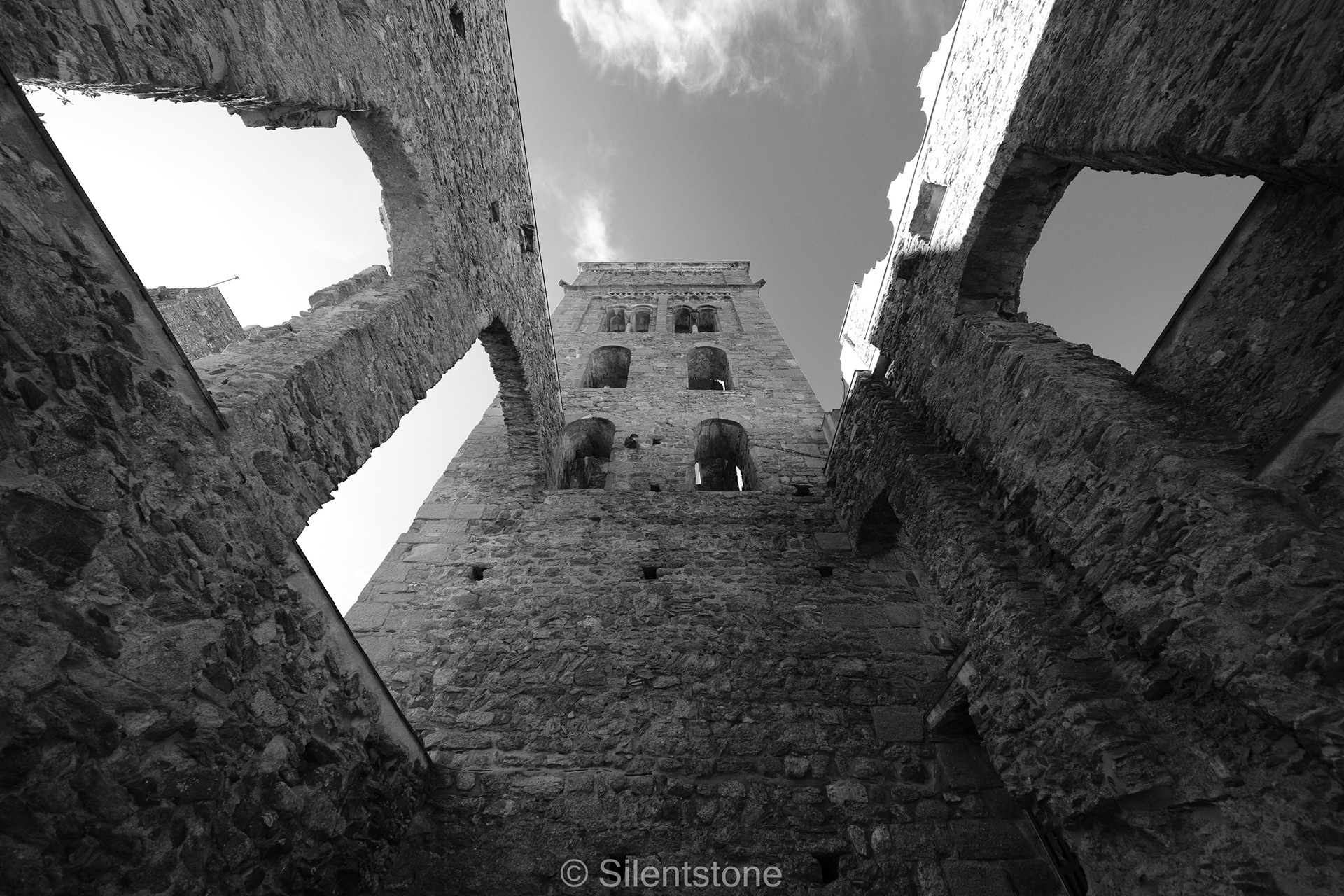
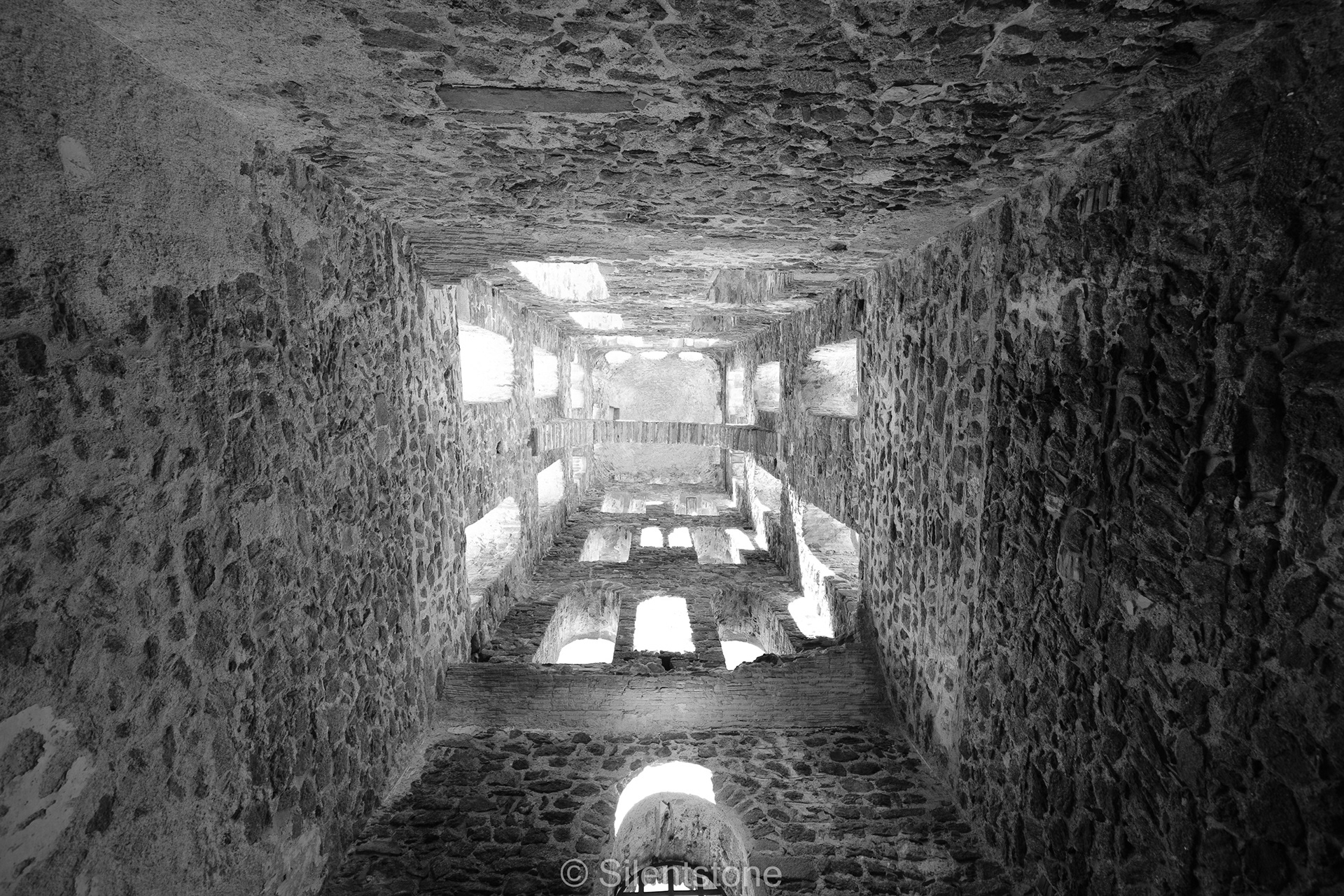
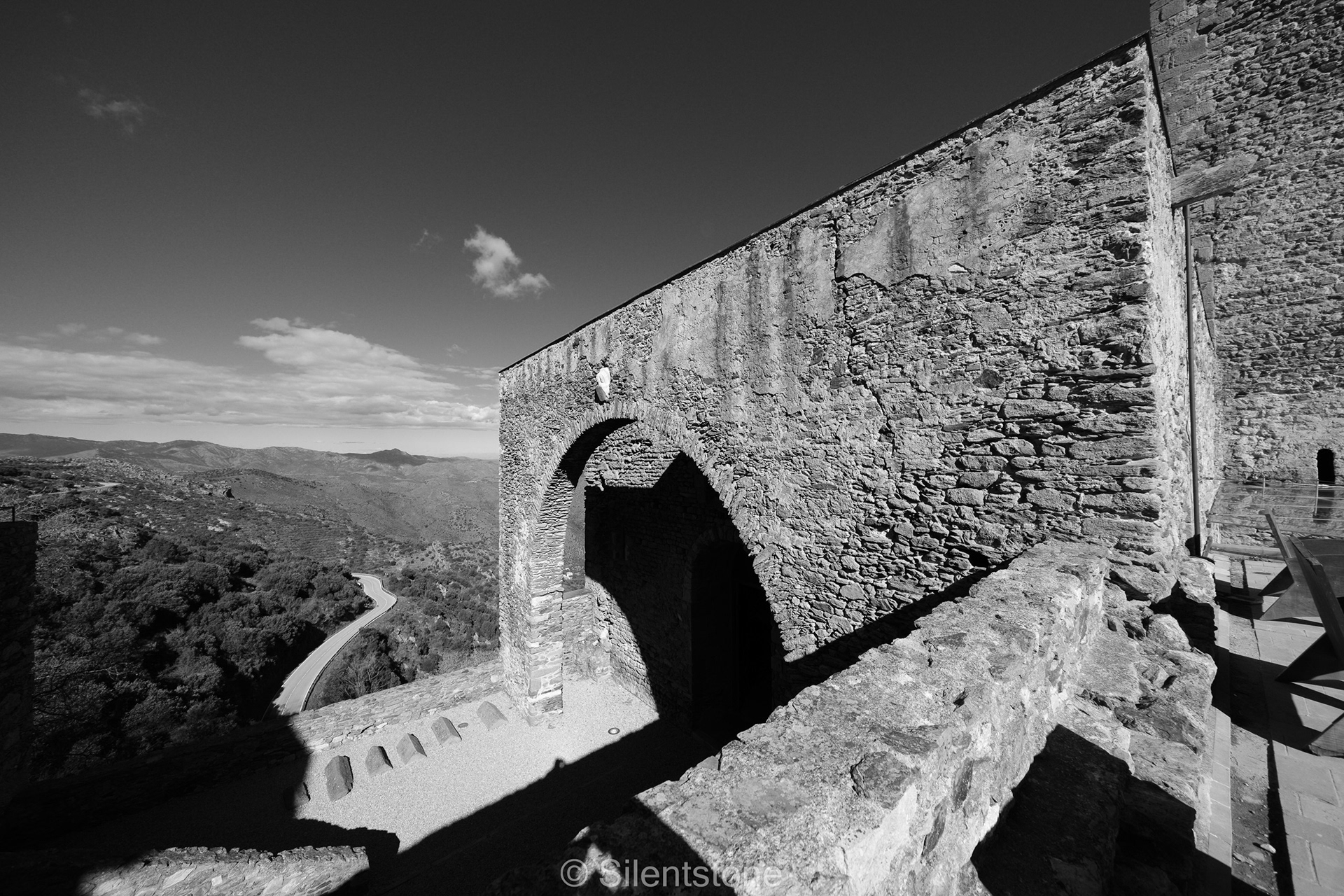
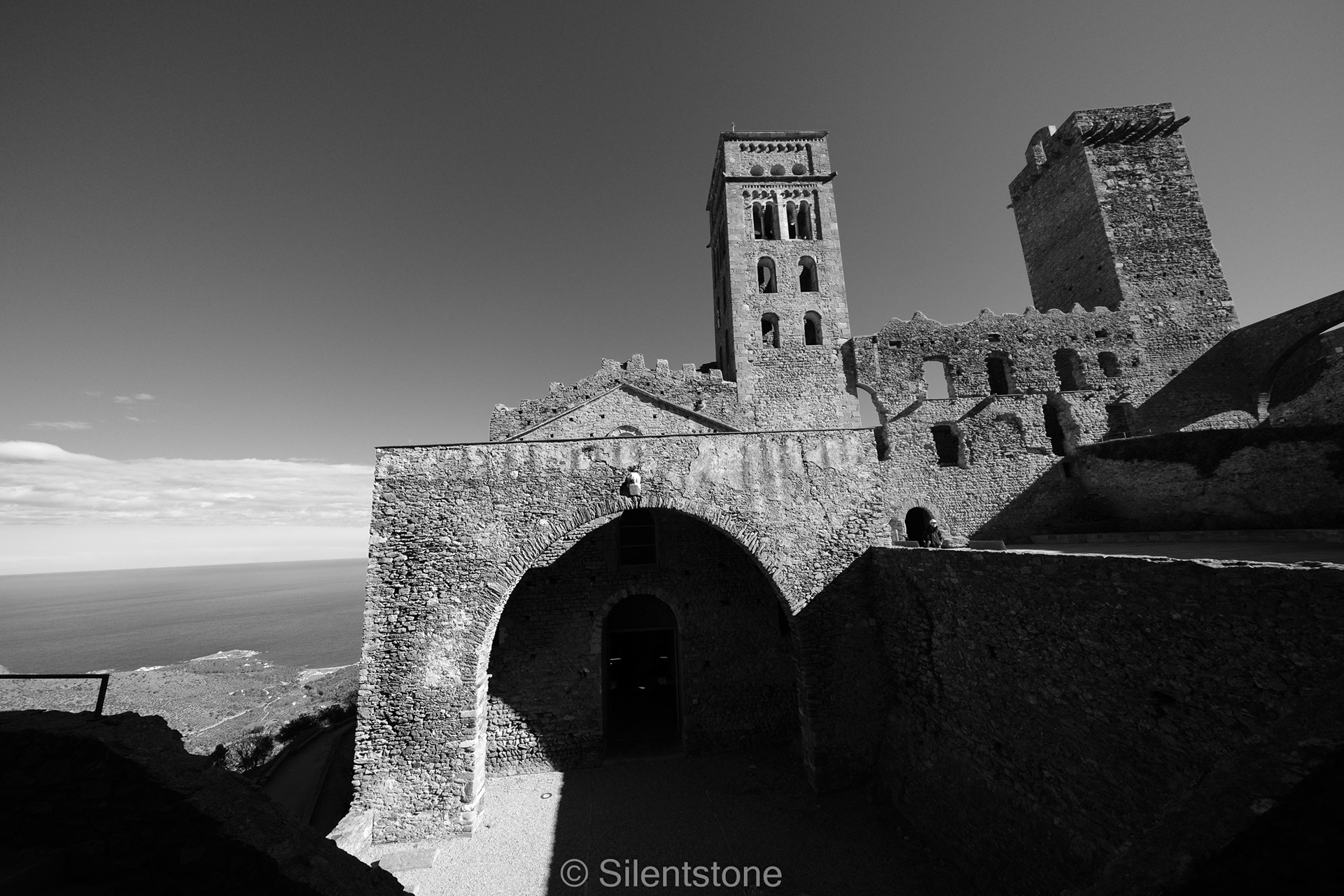
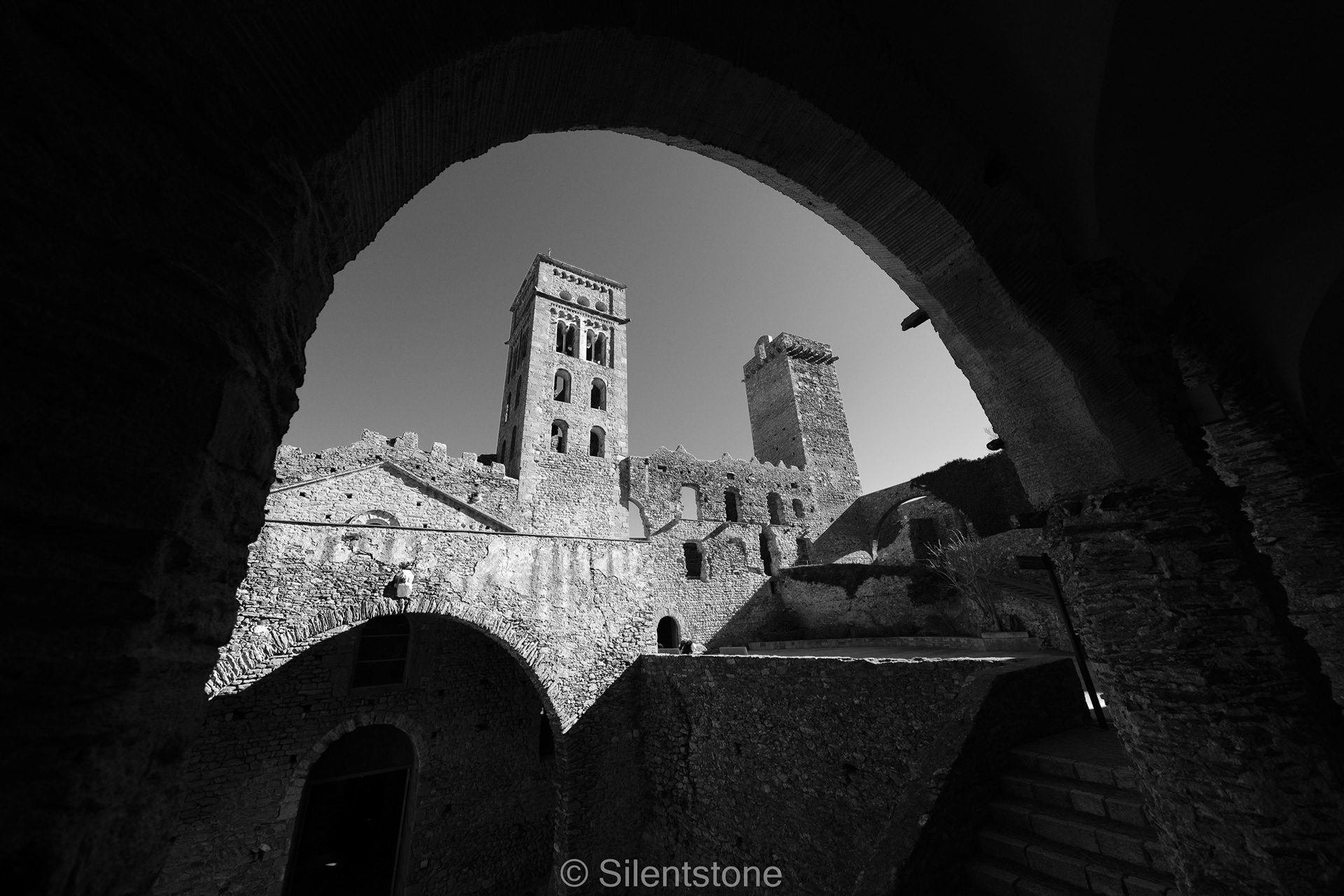
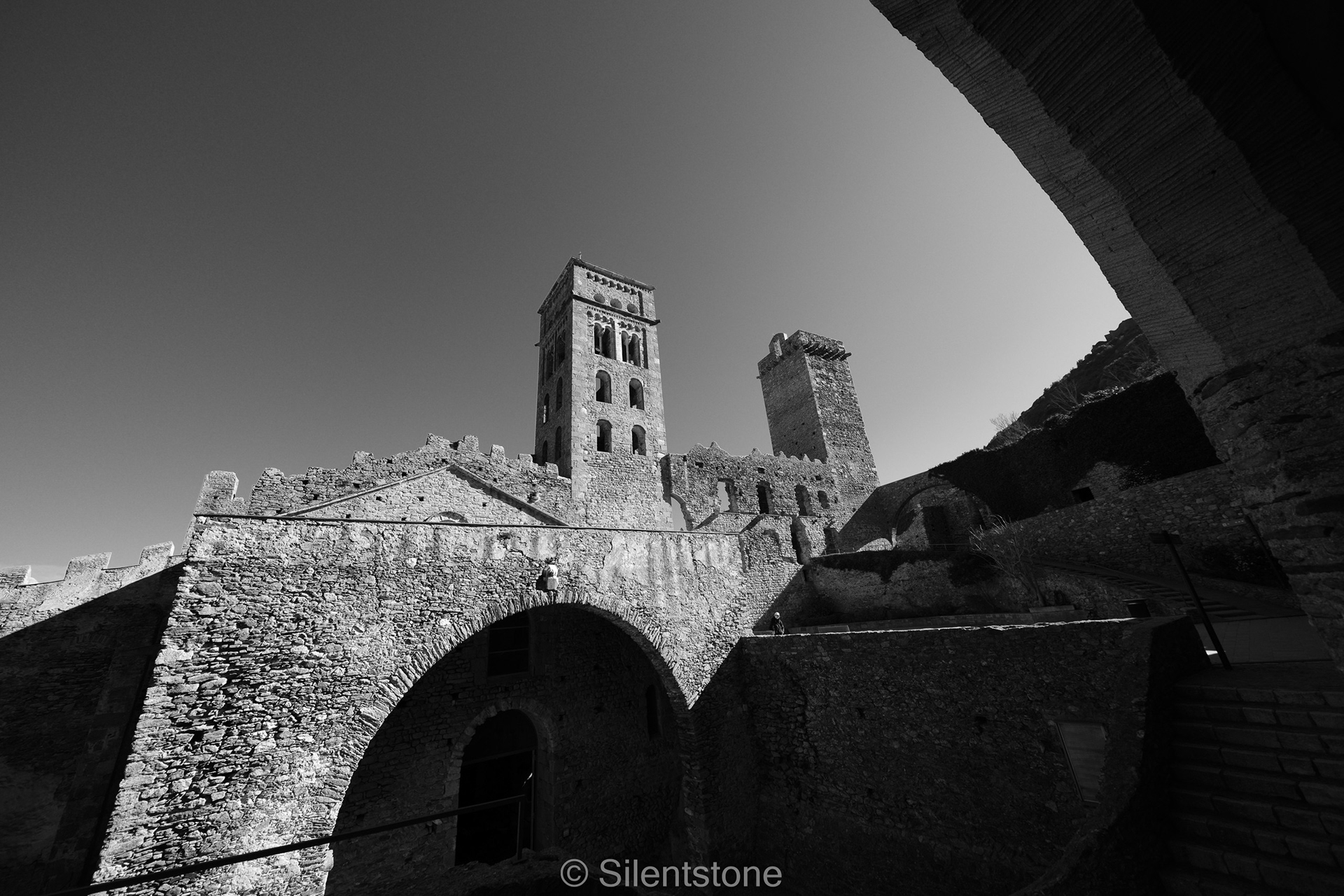
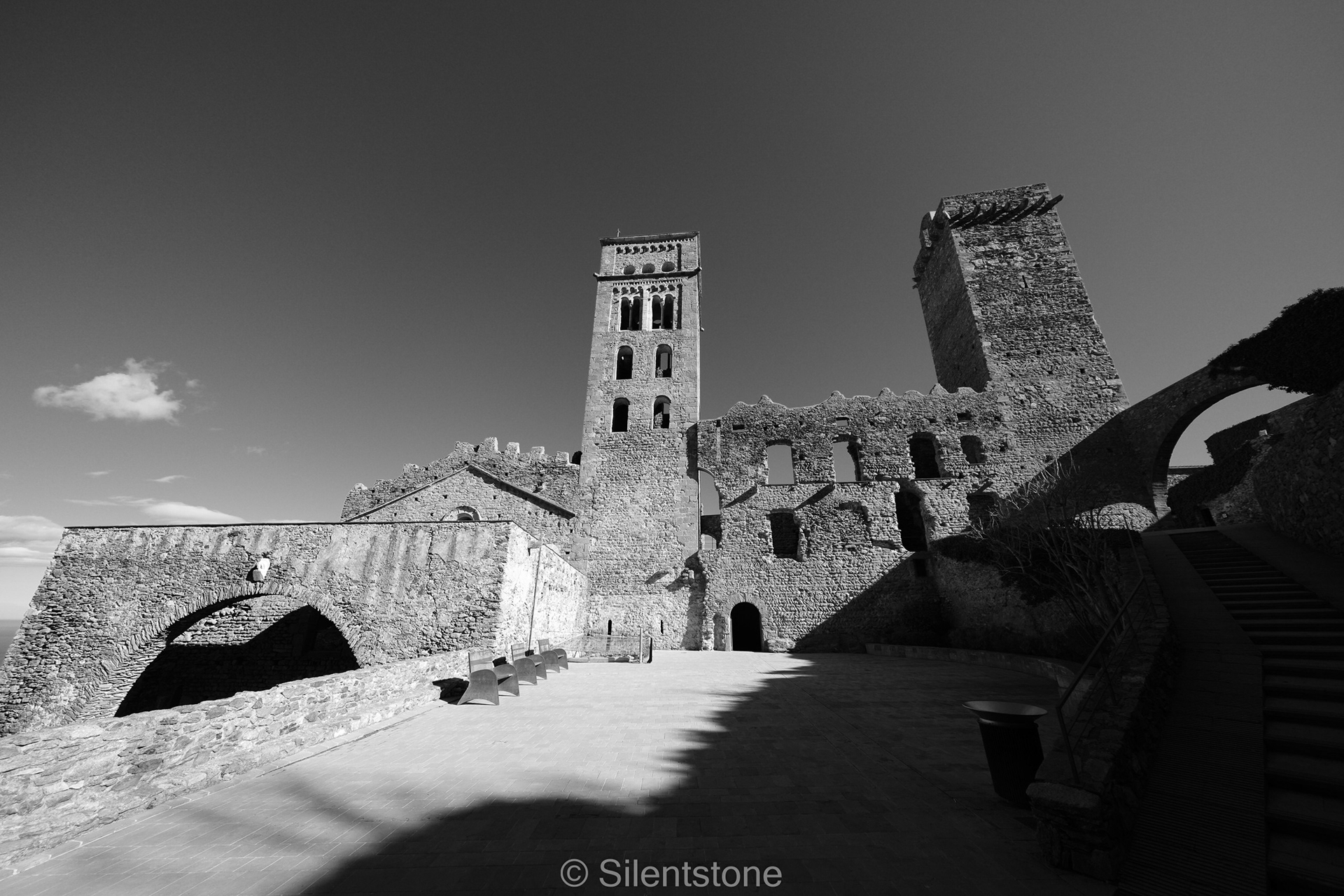
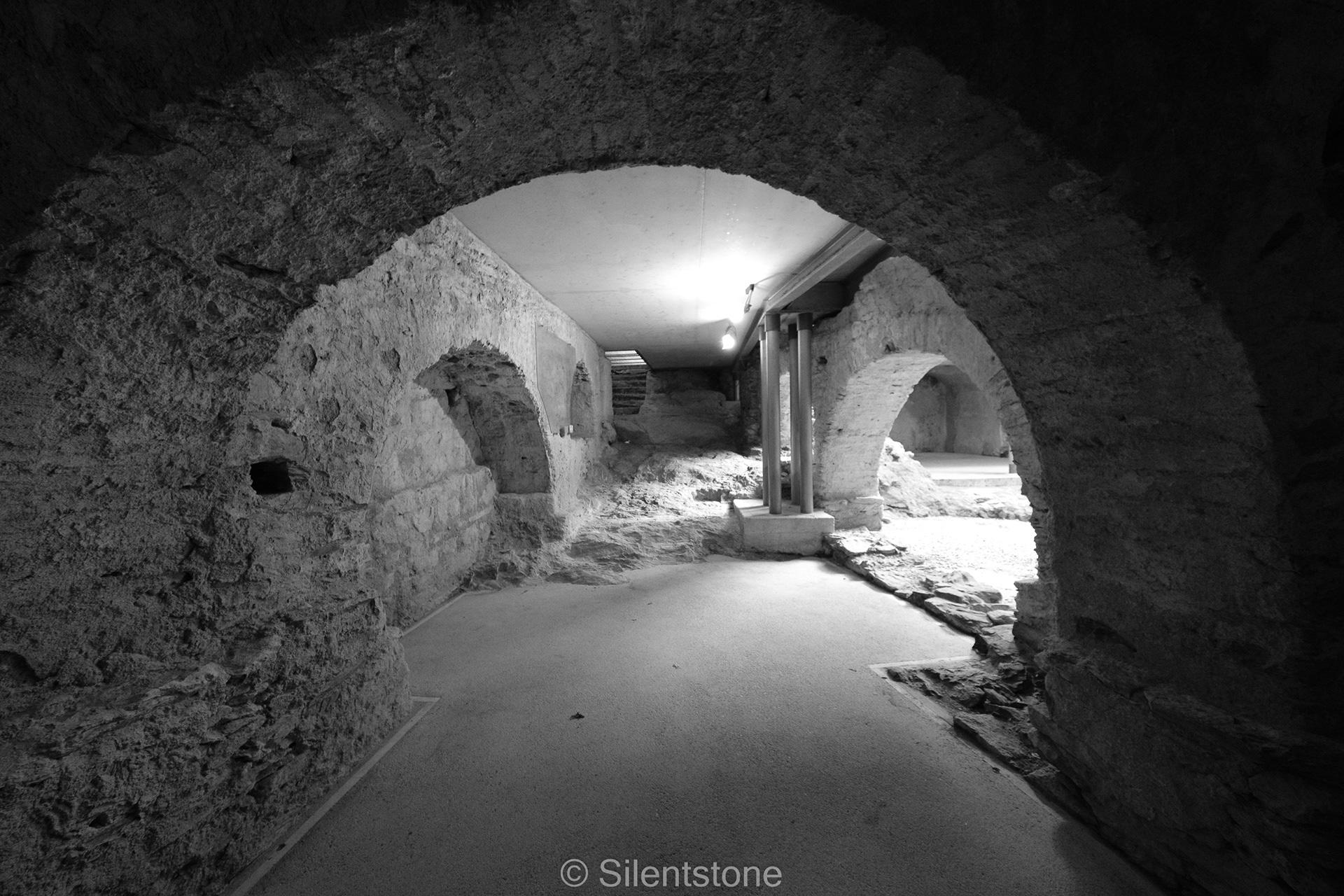
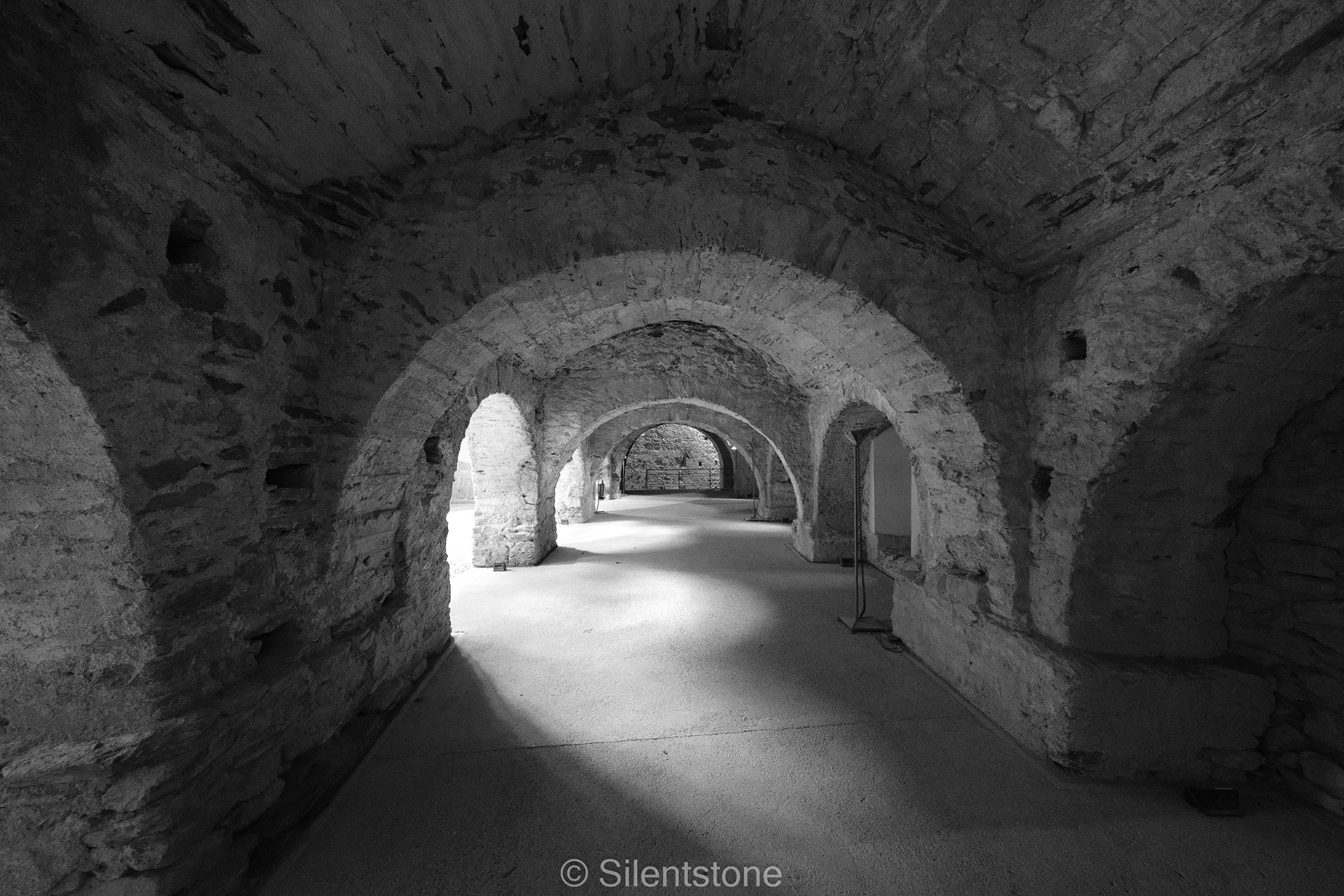
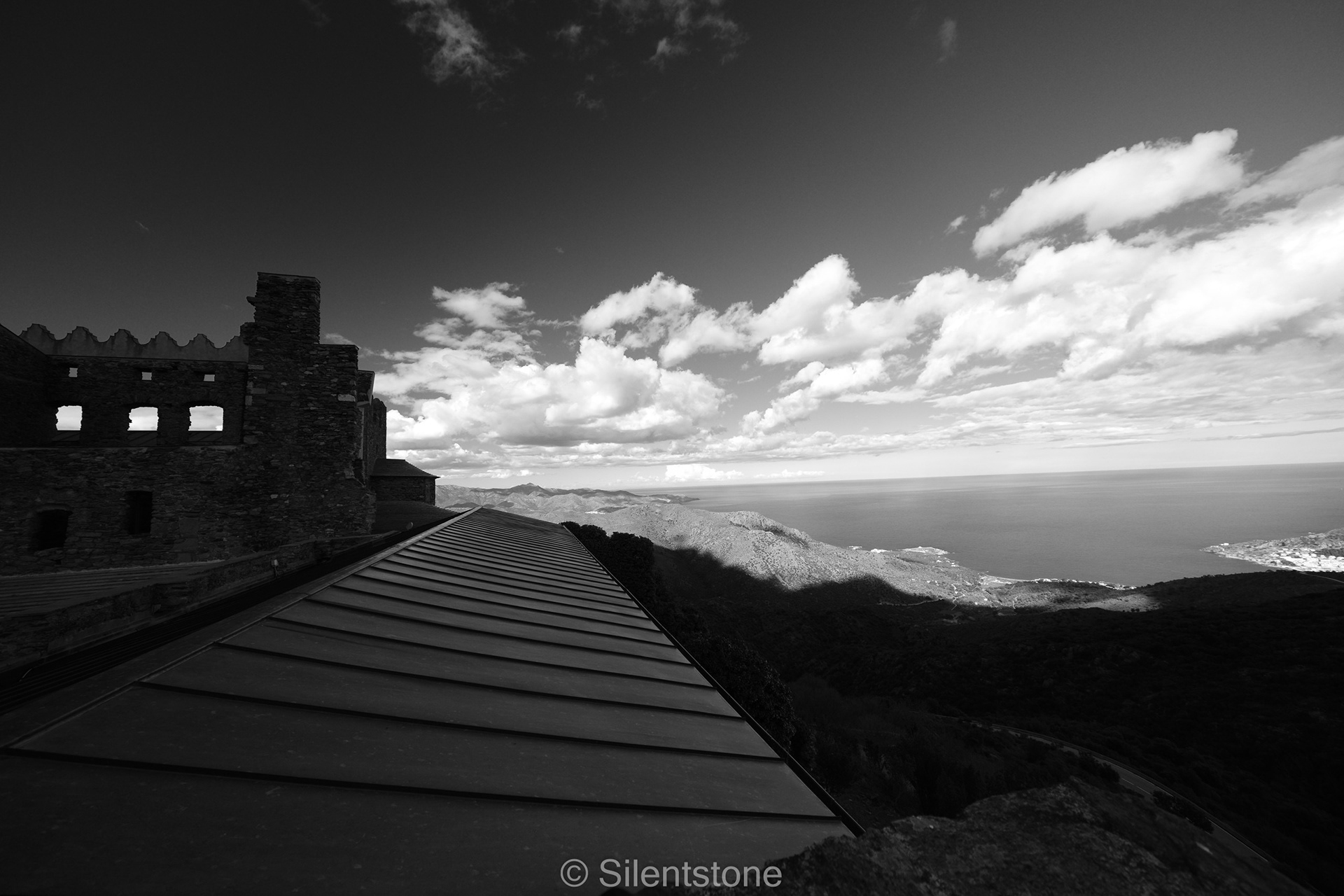
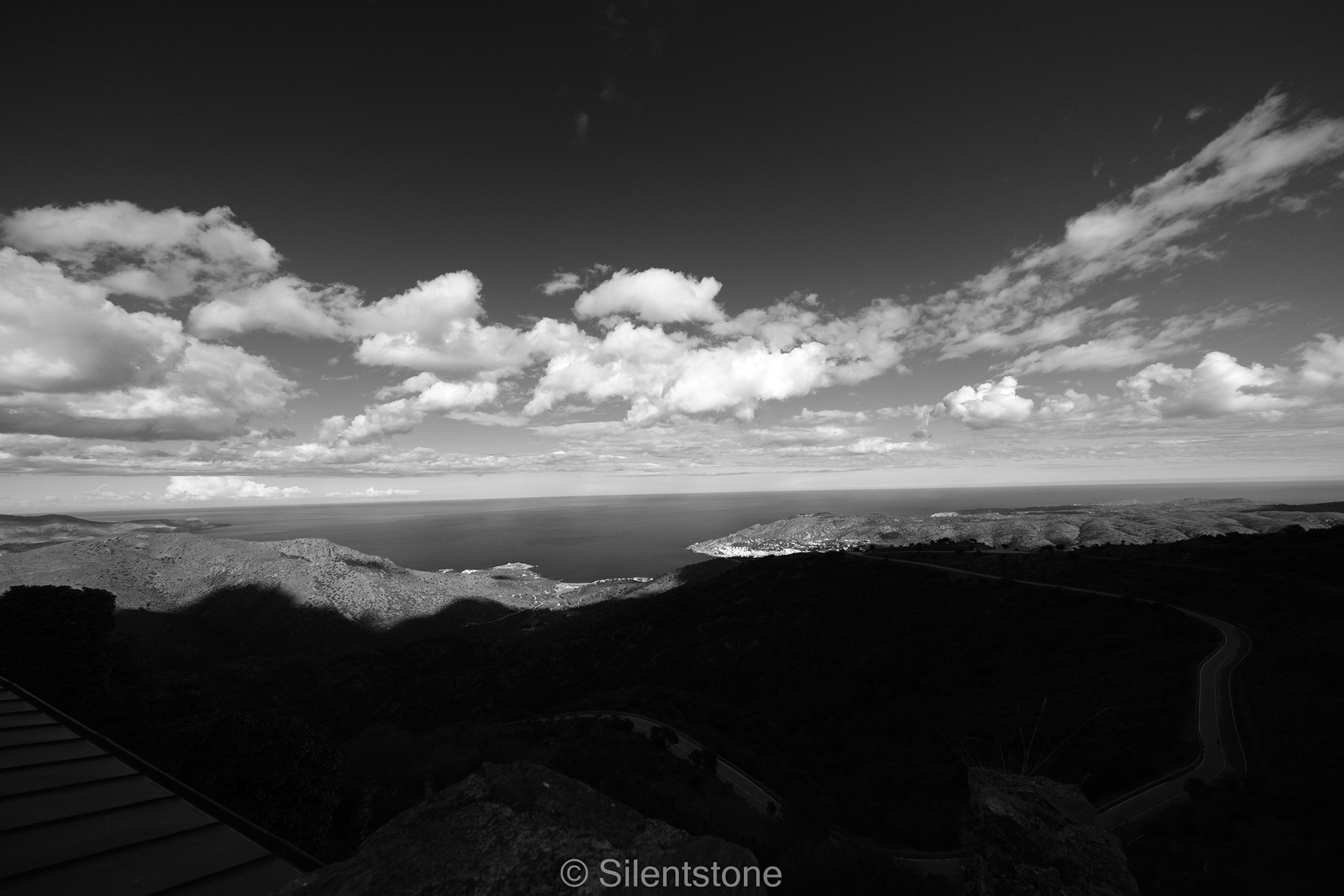
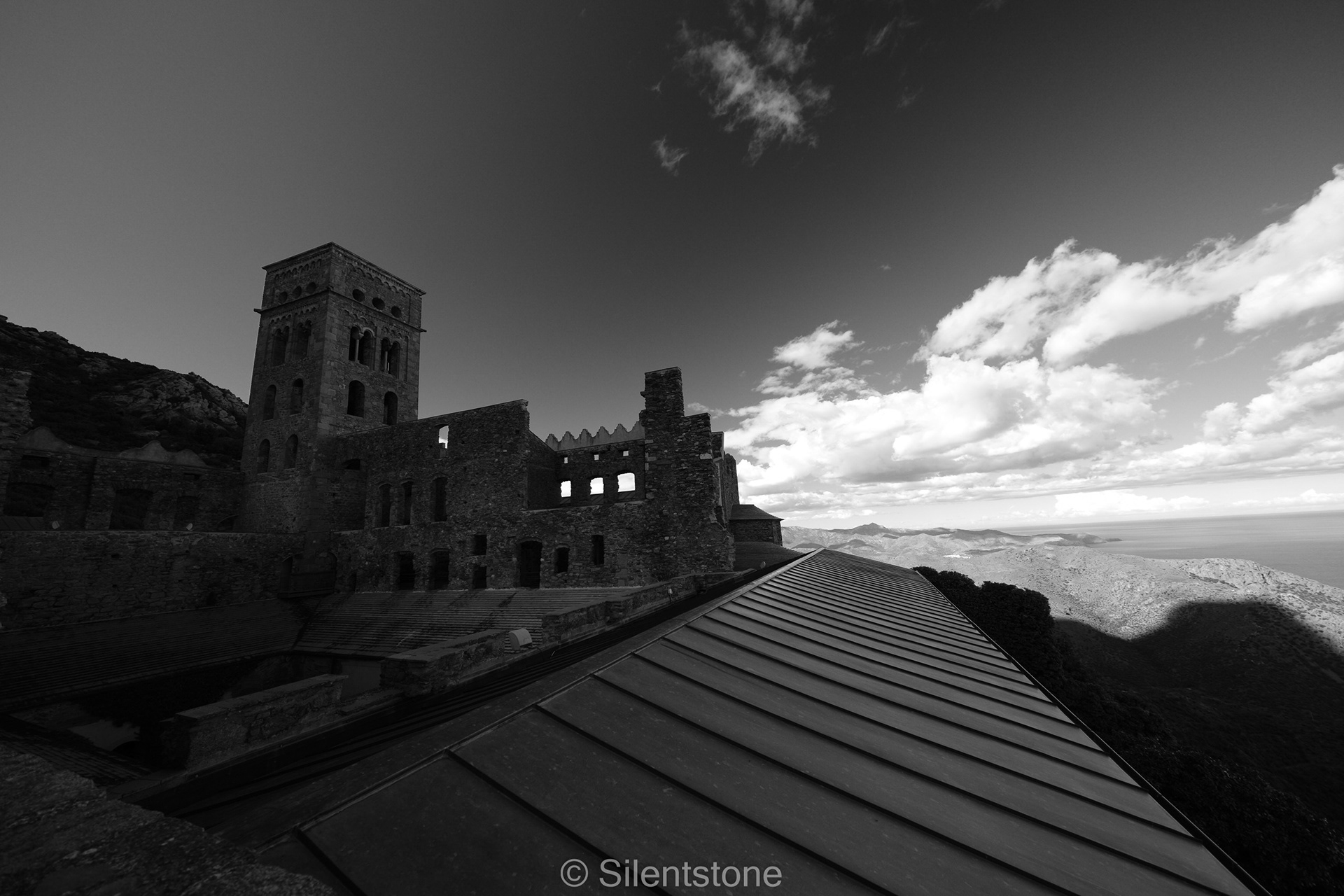
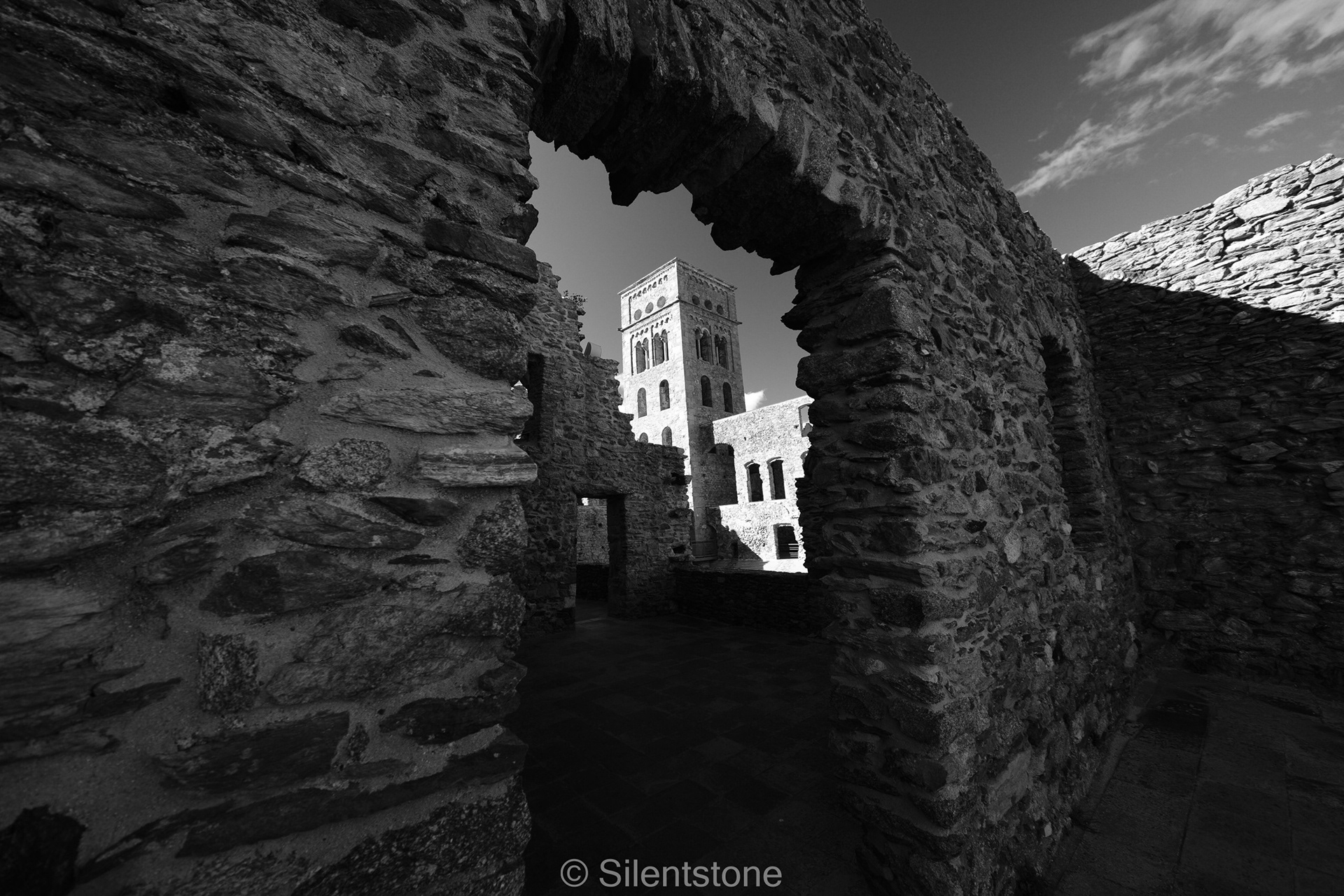
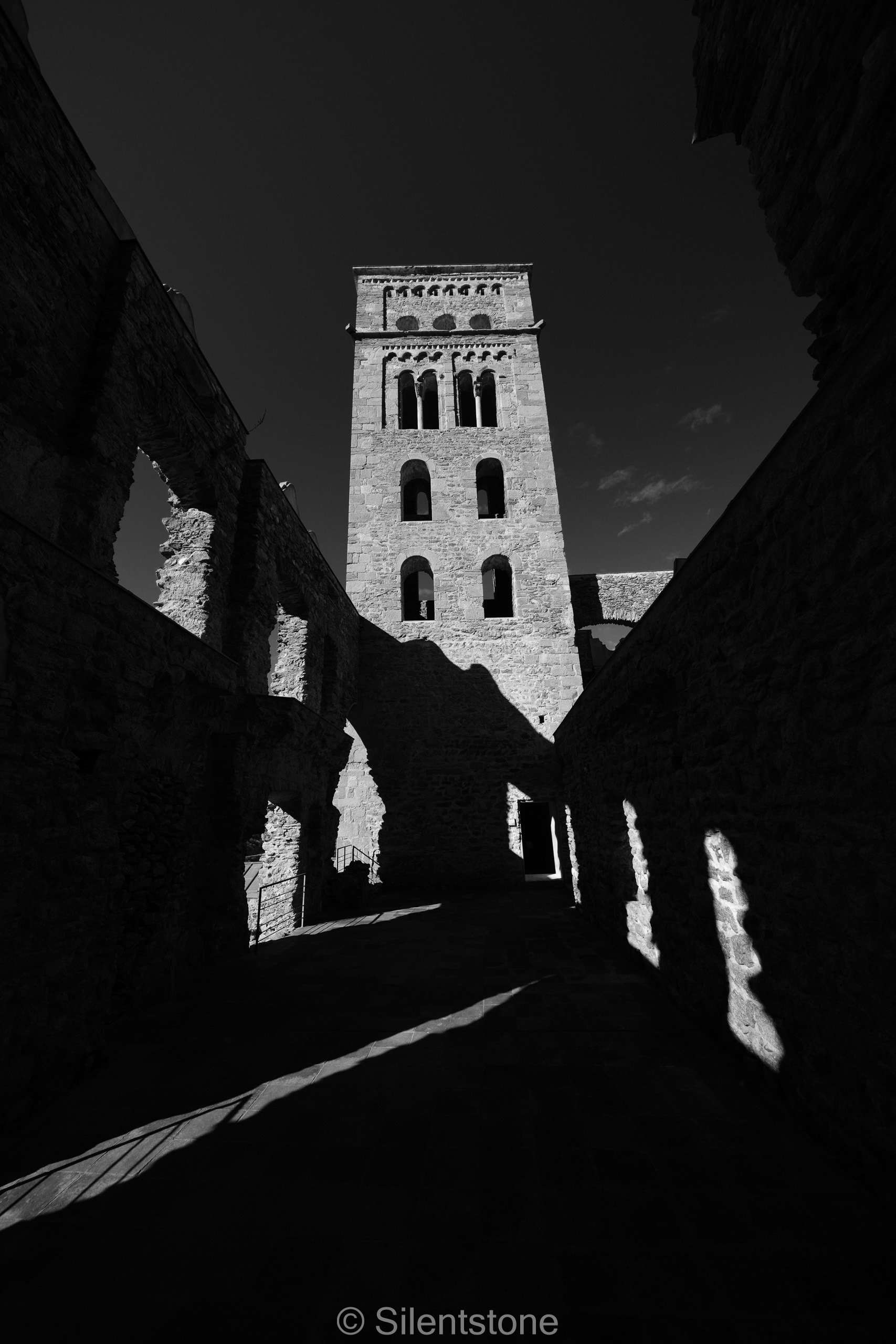
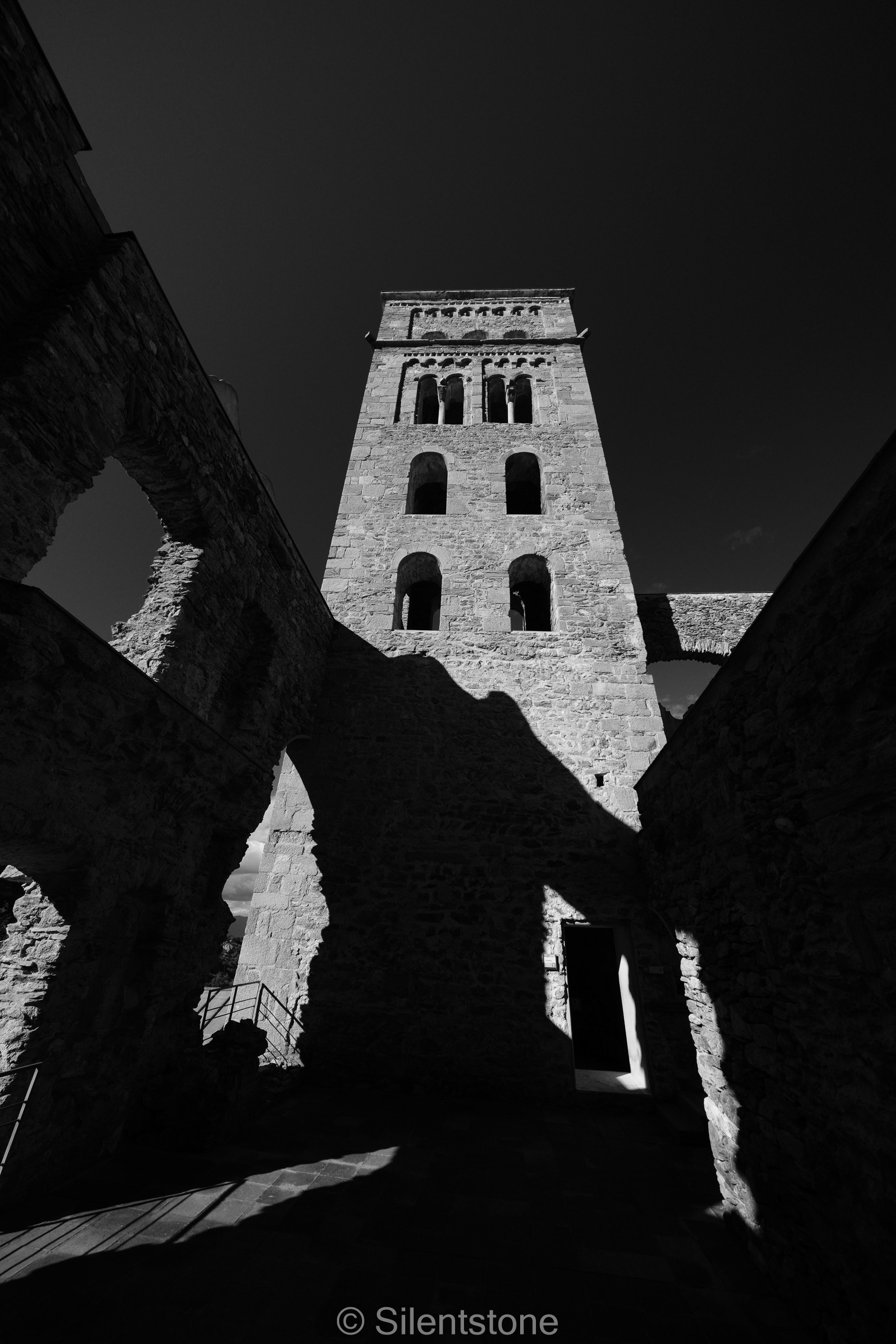
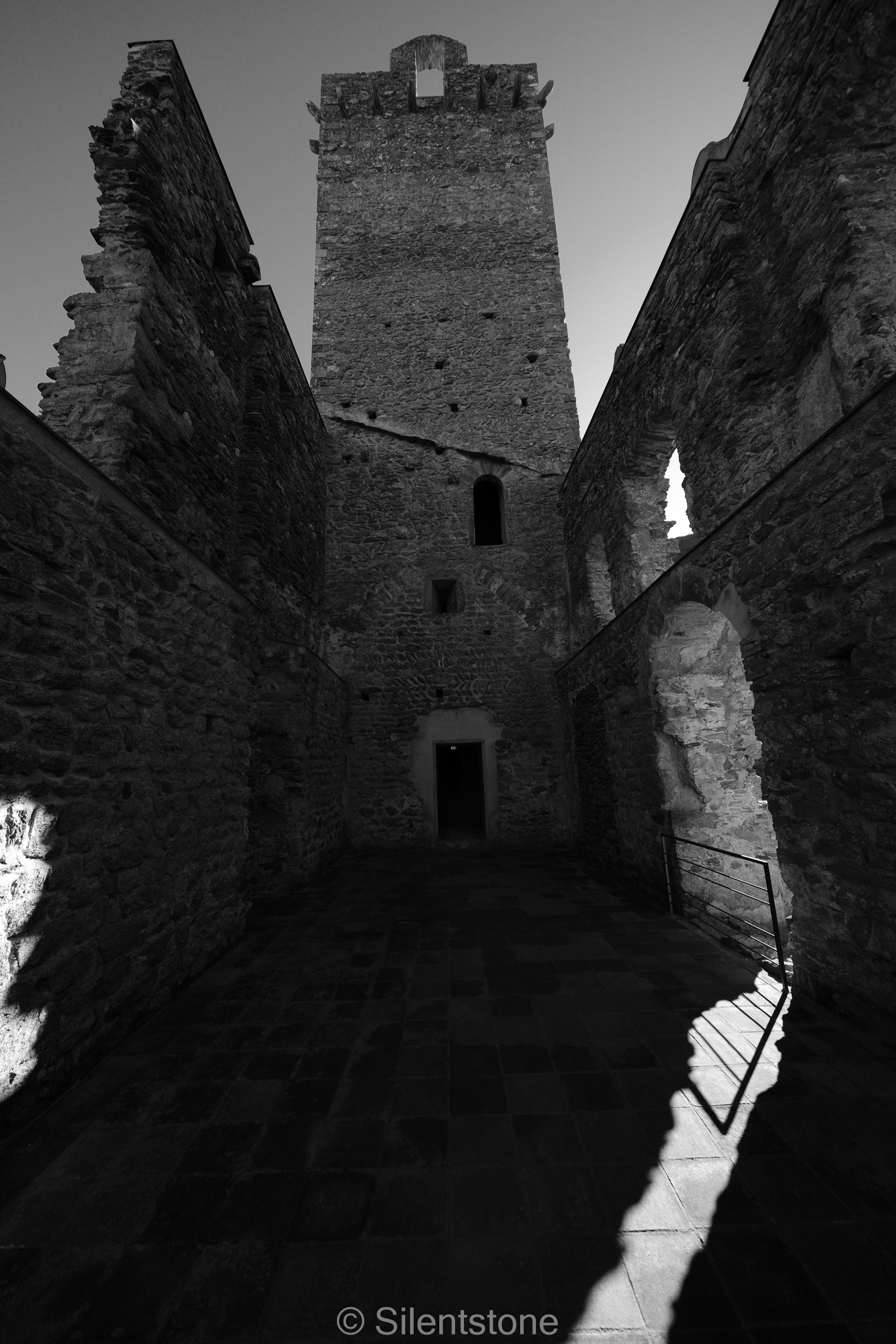
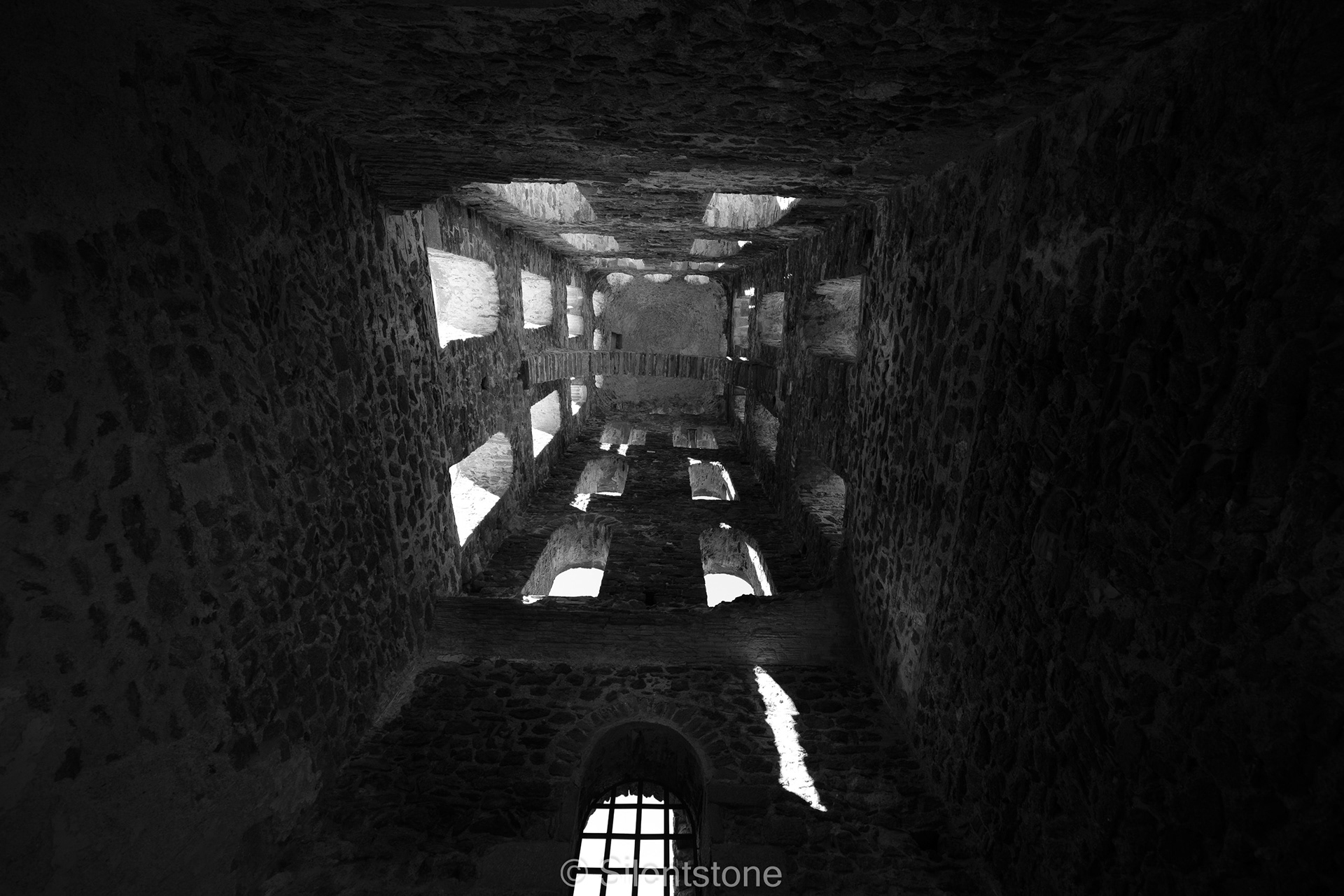
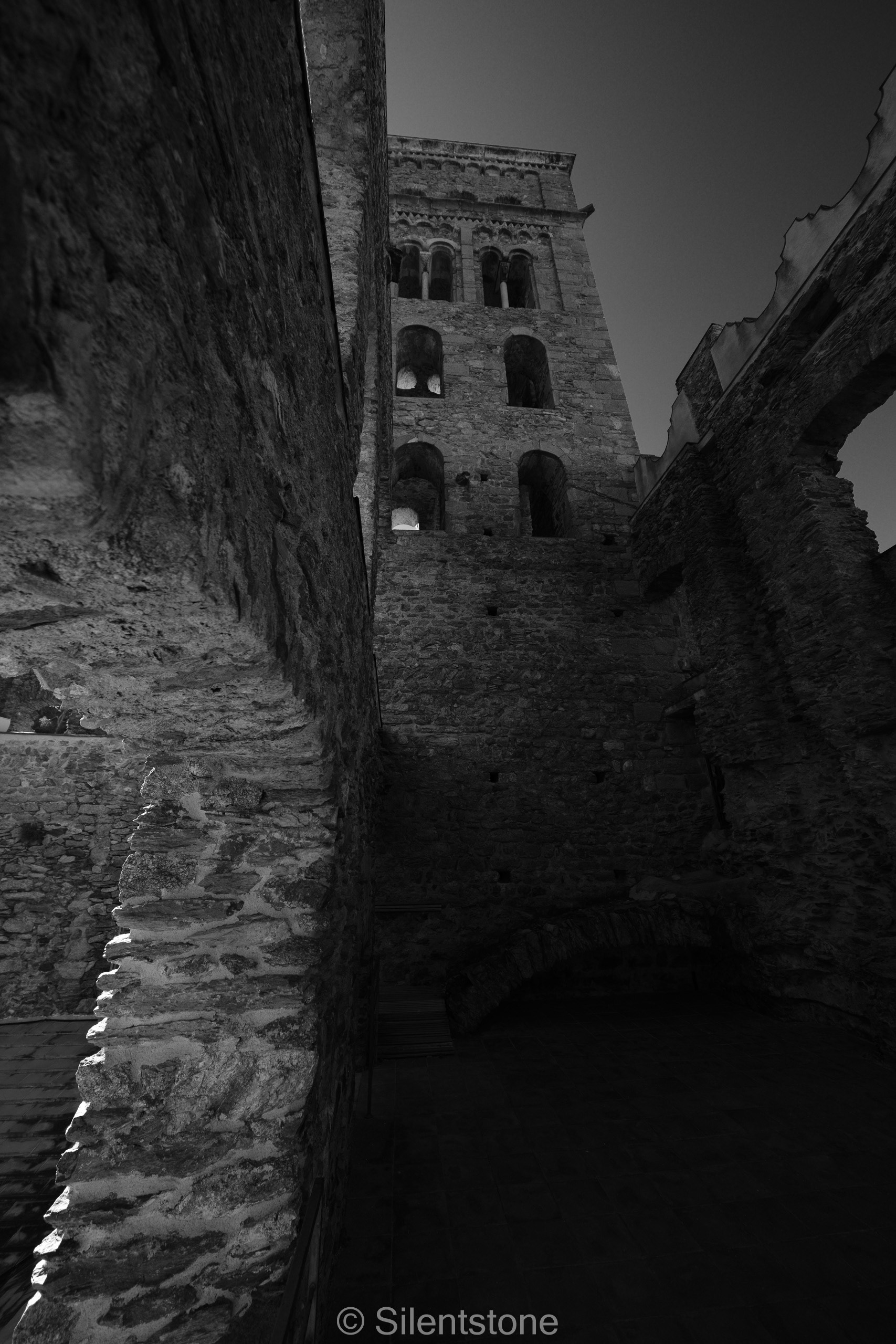
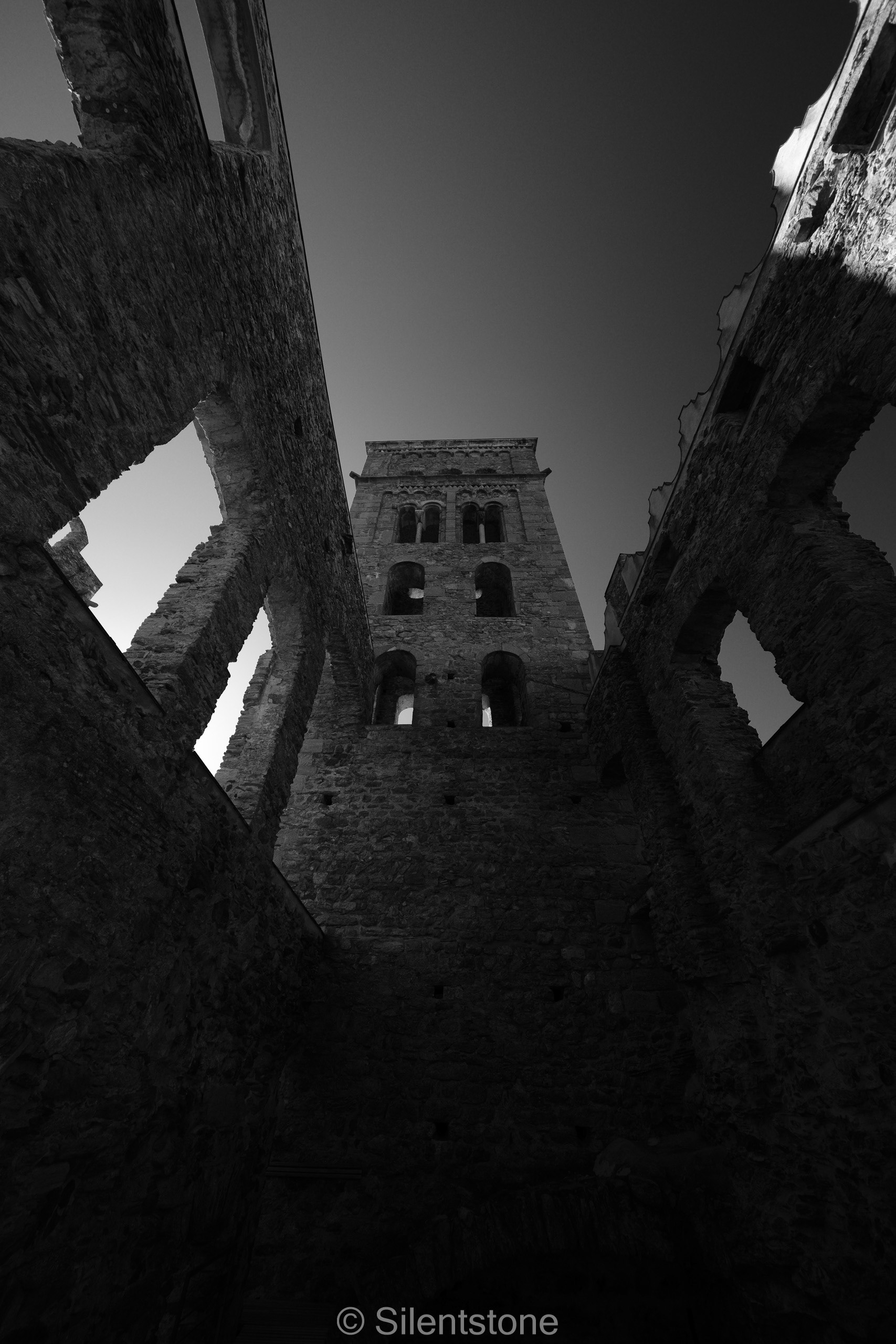
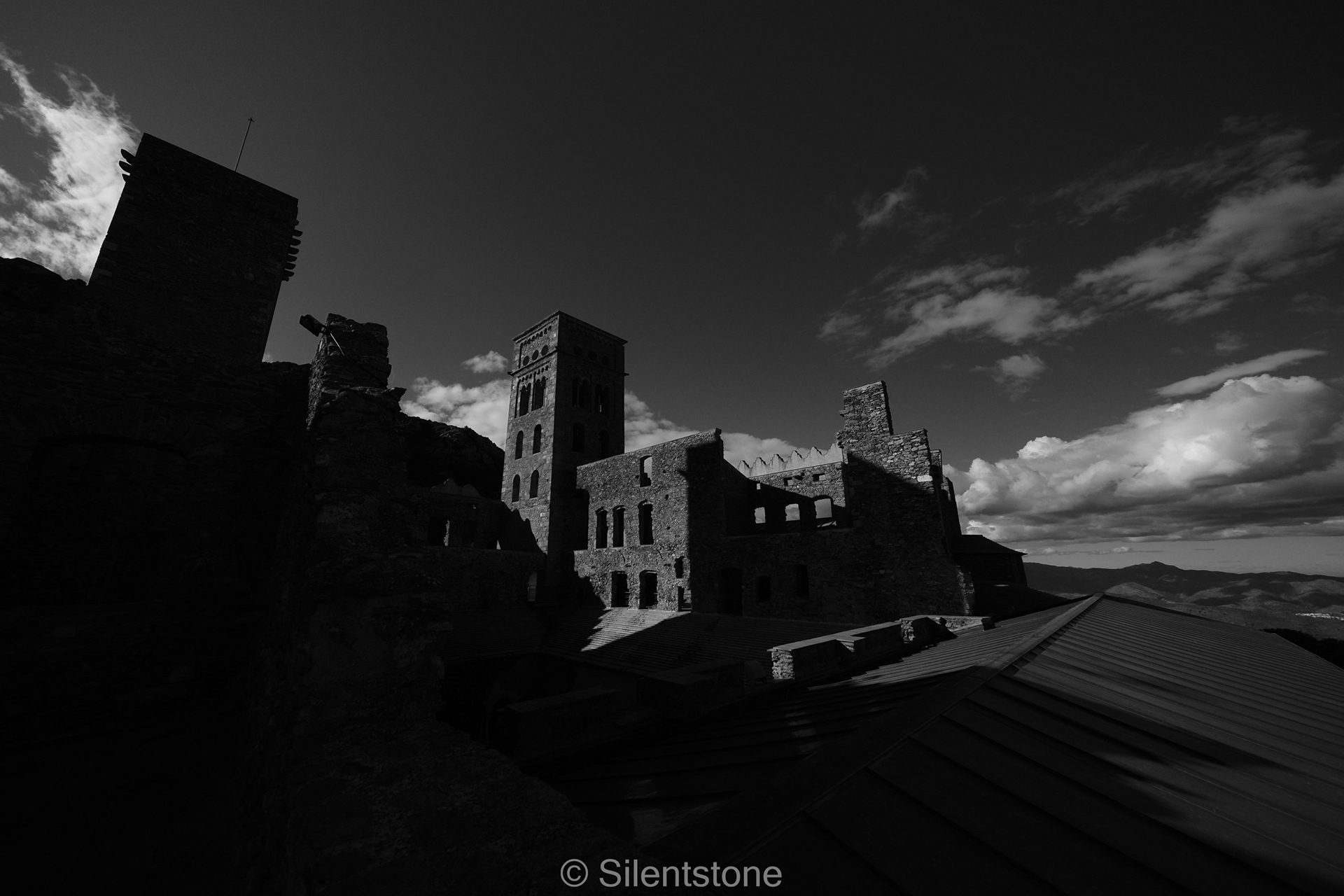
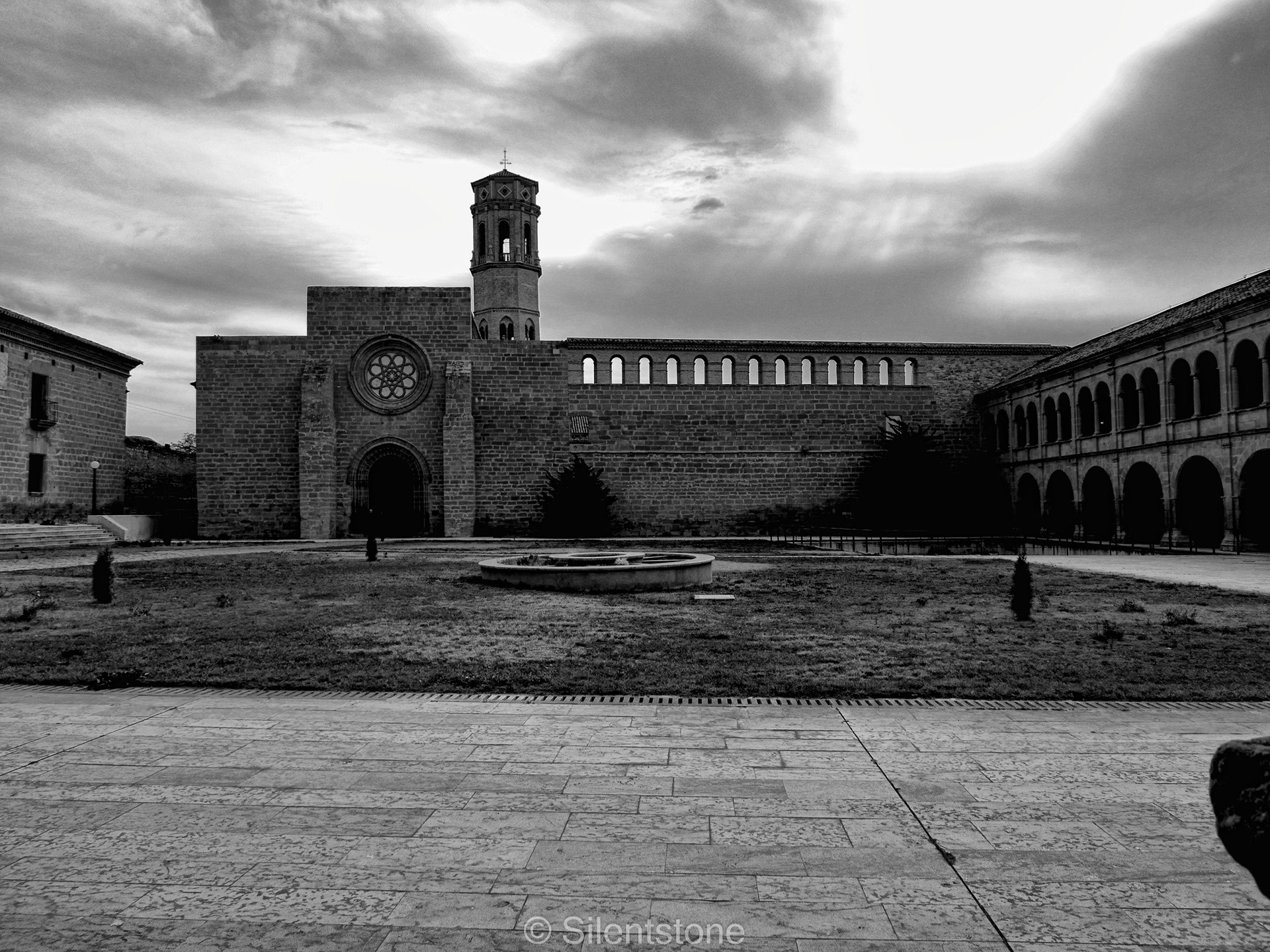
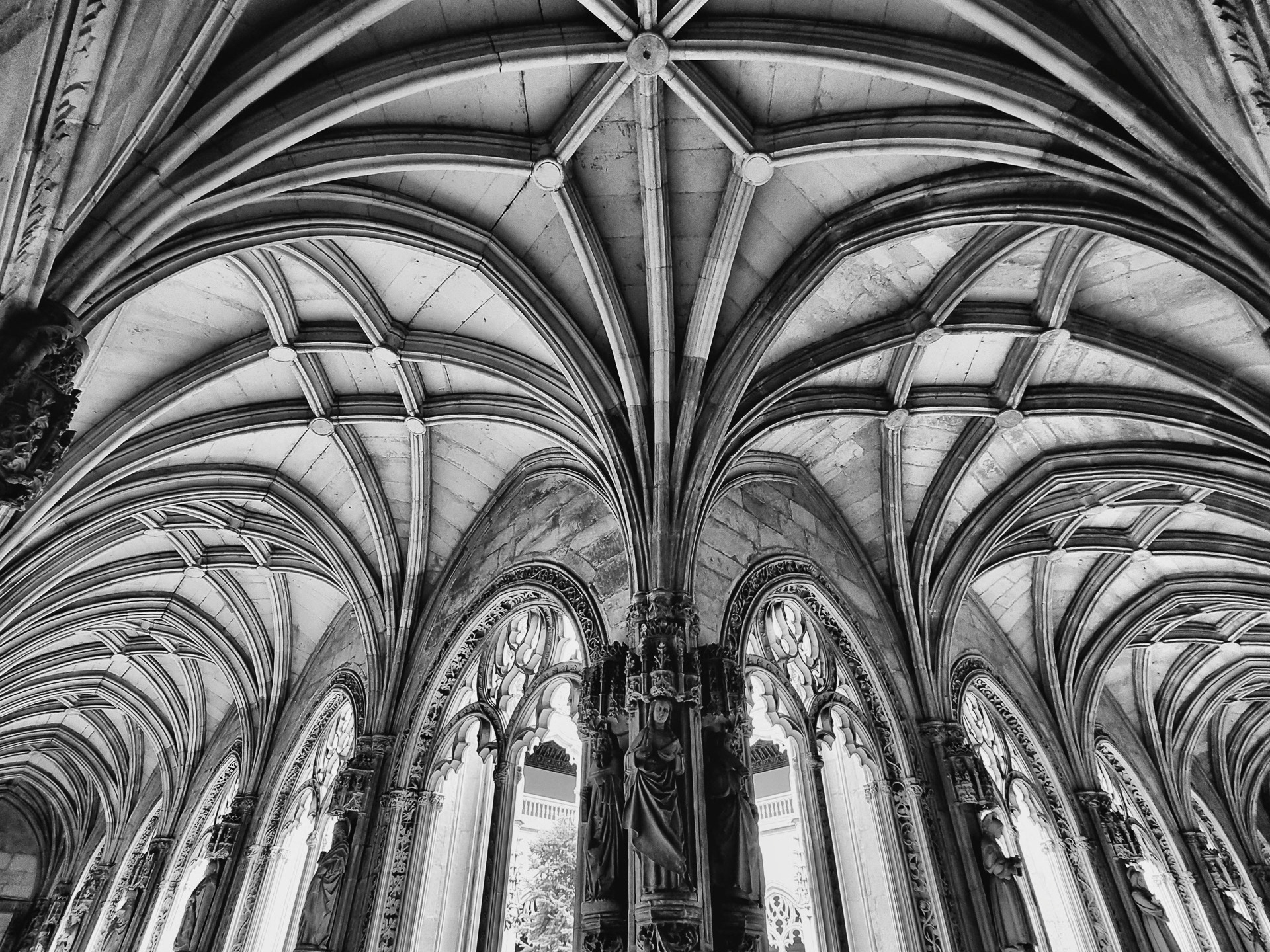
Perched atop the Verdera mountain, with breathtaking views of the Mediterranean, the Monastery of Sant Pere de Rodes is one of Catalonia's most important Romanesque gems. It's a place where history seems sculpted into the very stone, surrounded by an aura of solitude and coastal breezes.
The monastery is located in the municipality of El Port de la Selva, in the Alt Empordà region (Girona). It stands on the Serra de Rodes mountain range, approximately 520 meters above sea level, within the Cap de Creus Natural Park.
This strategic position was no accident: from there, the entire bay of Llançà and El Port de la Selva is visually commanded, offering a natural defense and a privileged perspective of the Costa Brava.
Although its exact origins are shrouded in legend, historical records place its most important structures between the 9th and 11th centuries.
During the 11th and 12th centuries, the monastery became a major center of power and pilgrimage. It was the spiritual heart of the County of Empúries, wielding immense political and religious influence in all Christian world.
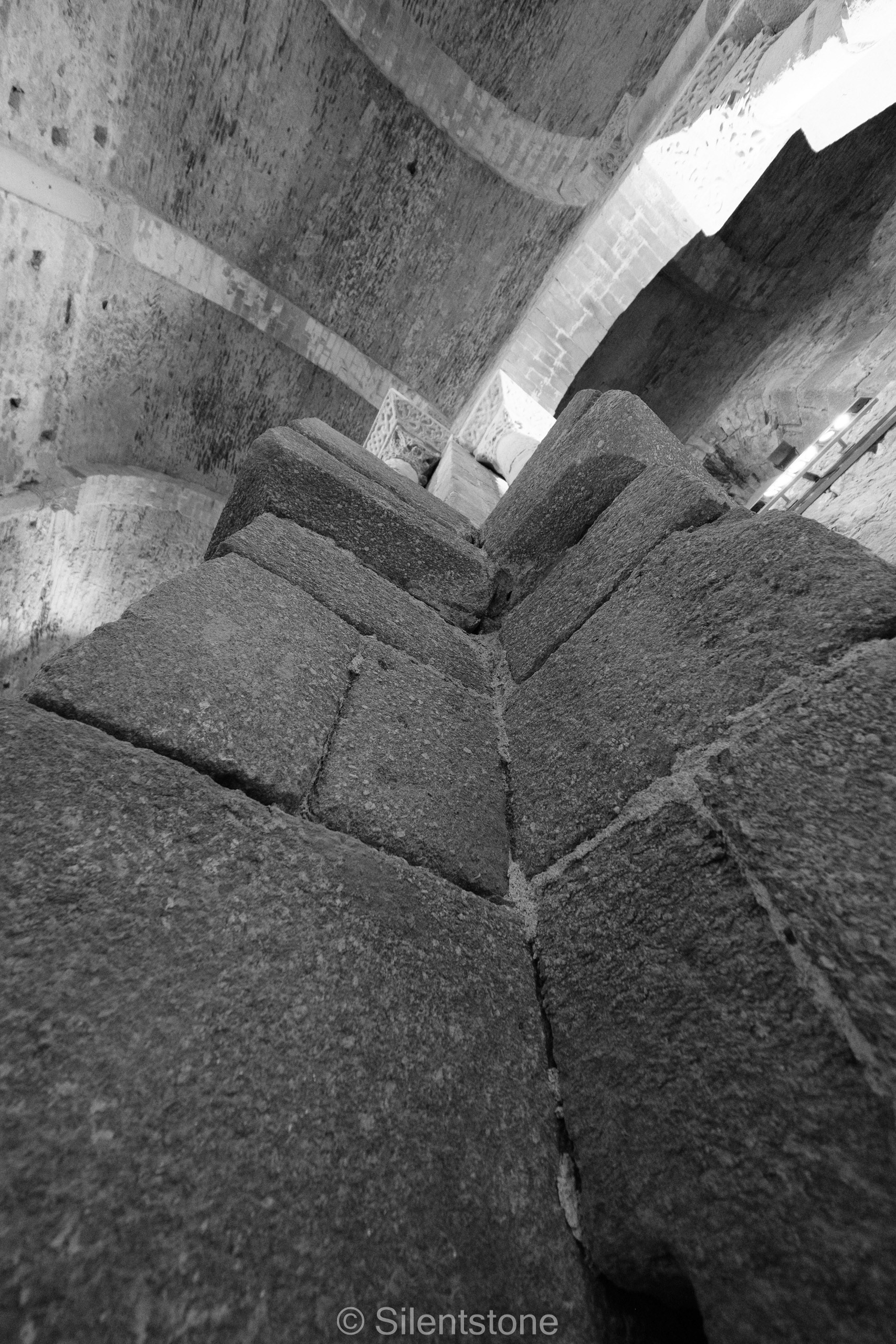
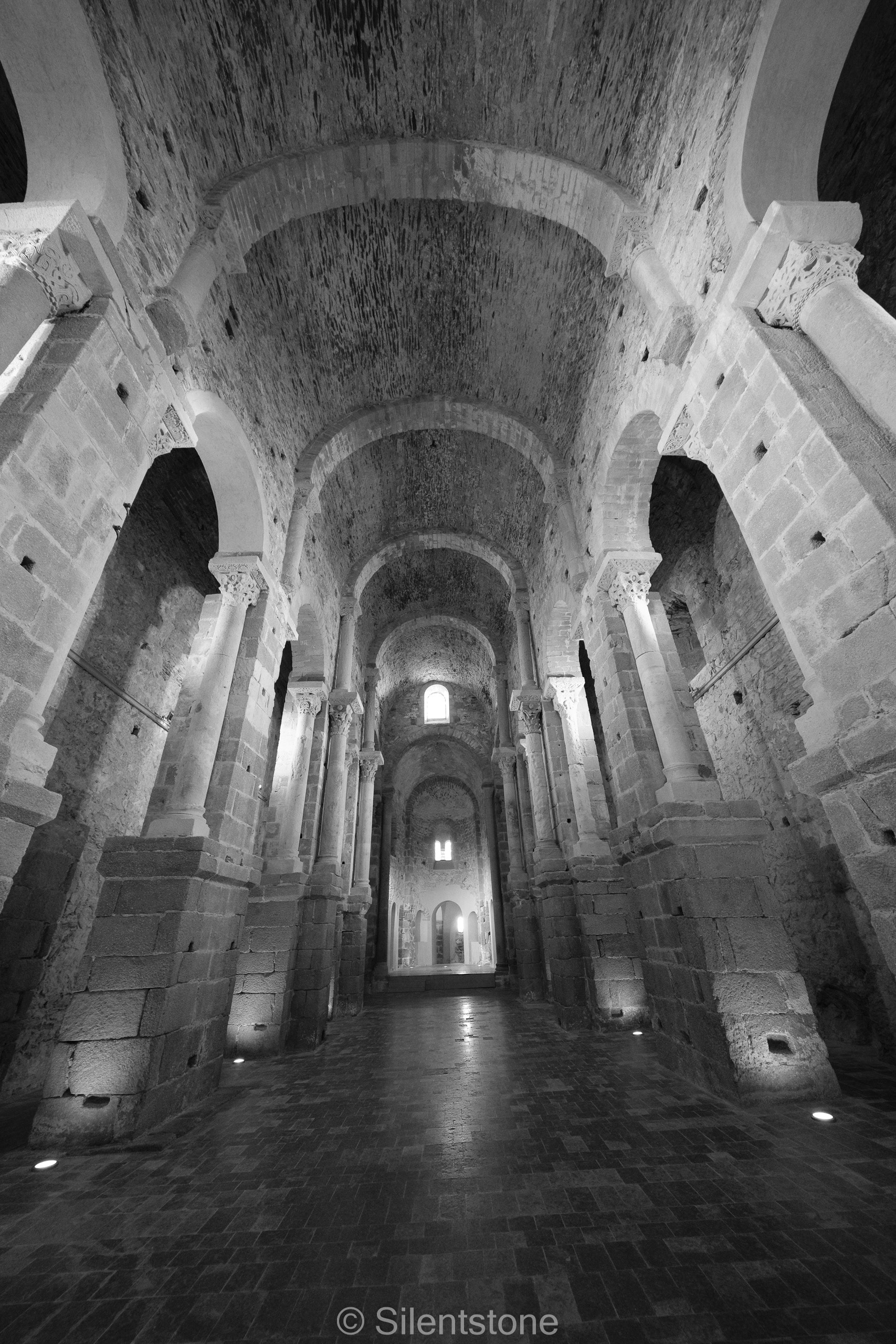
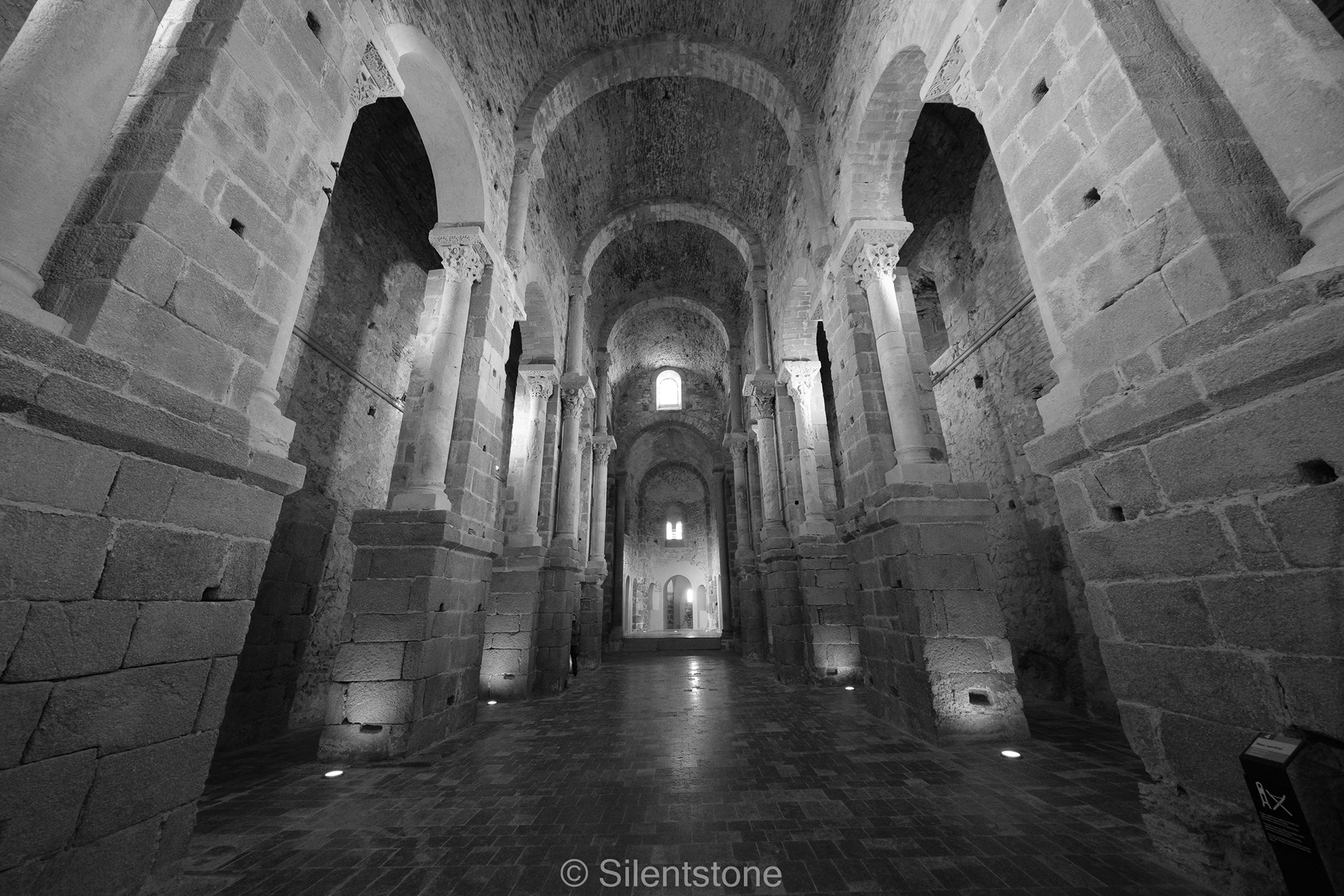
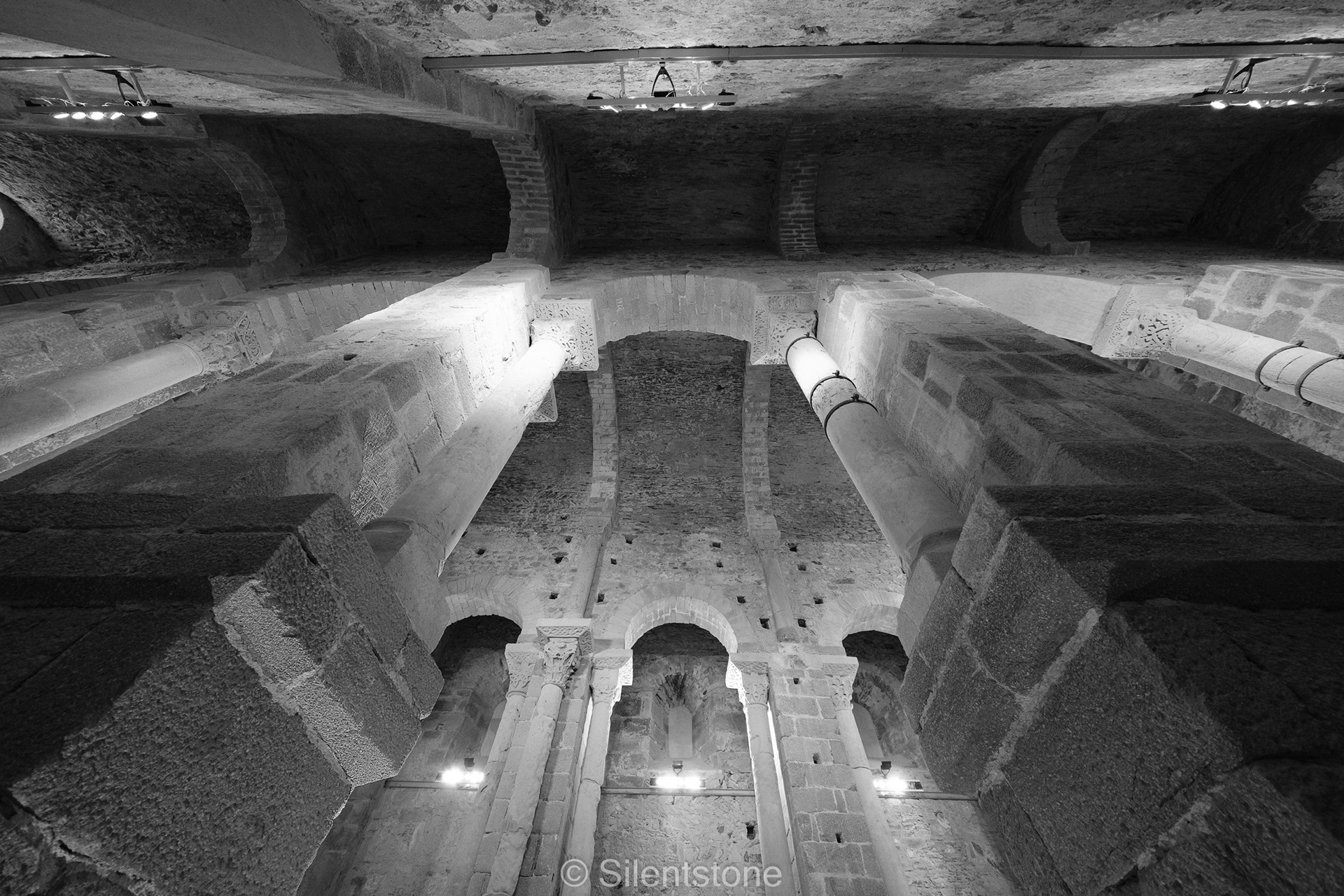
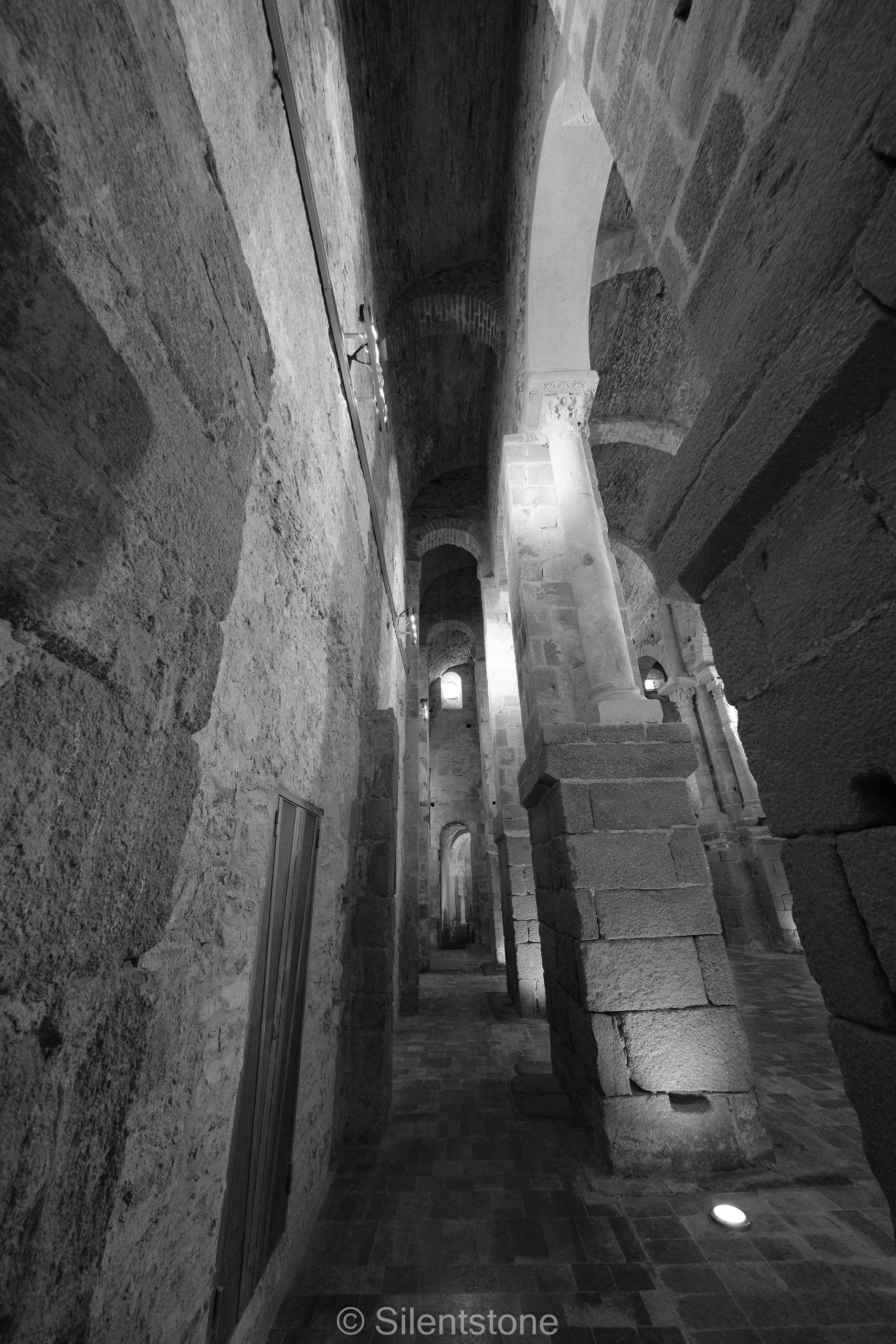
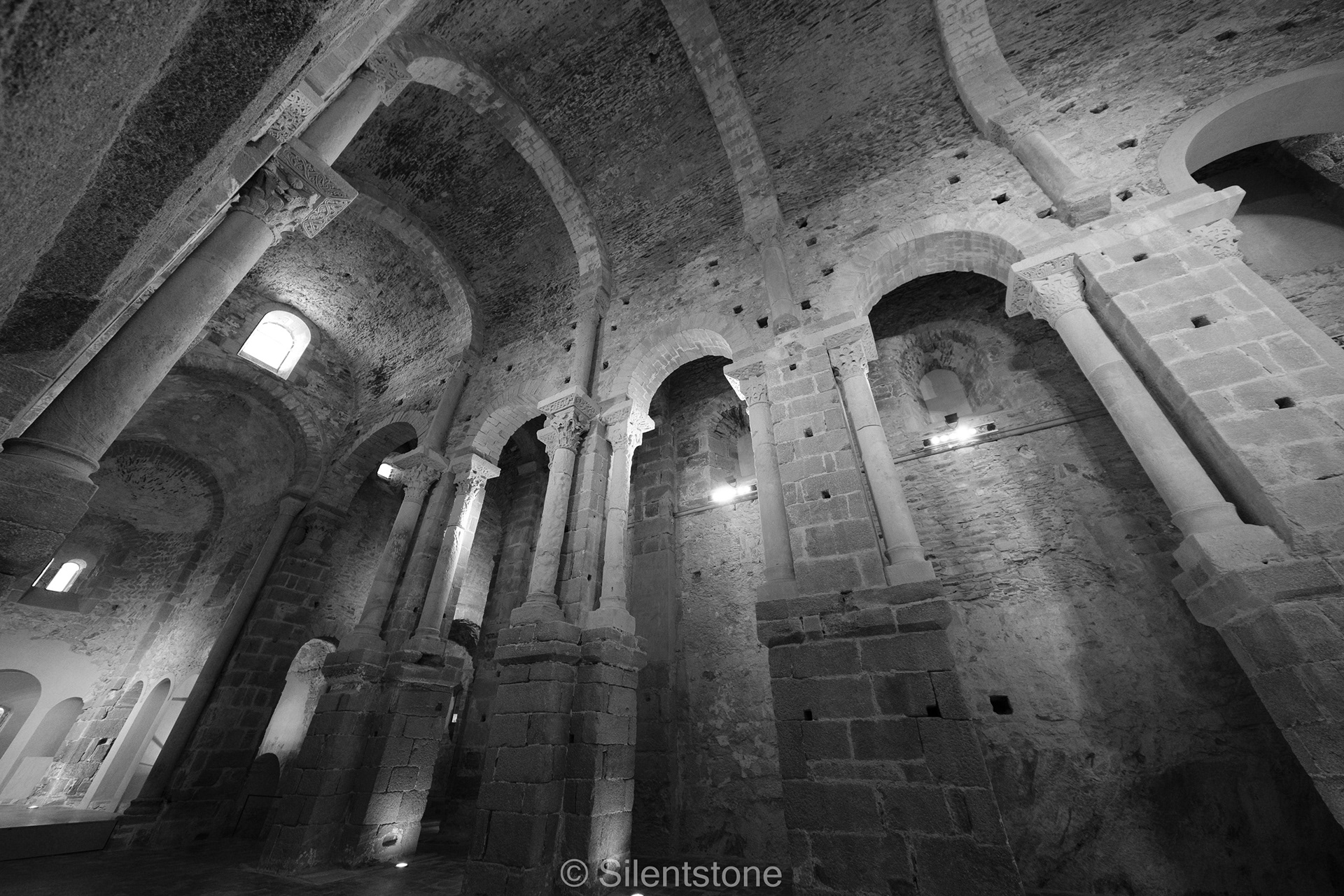
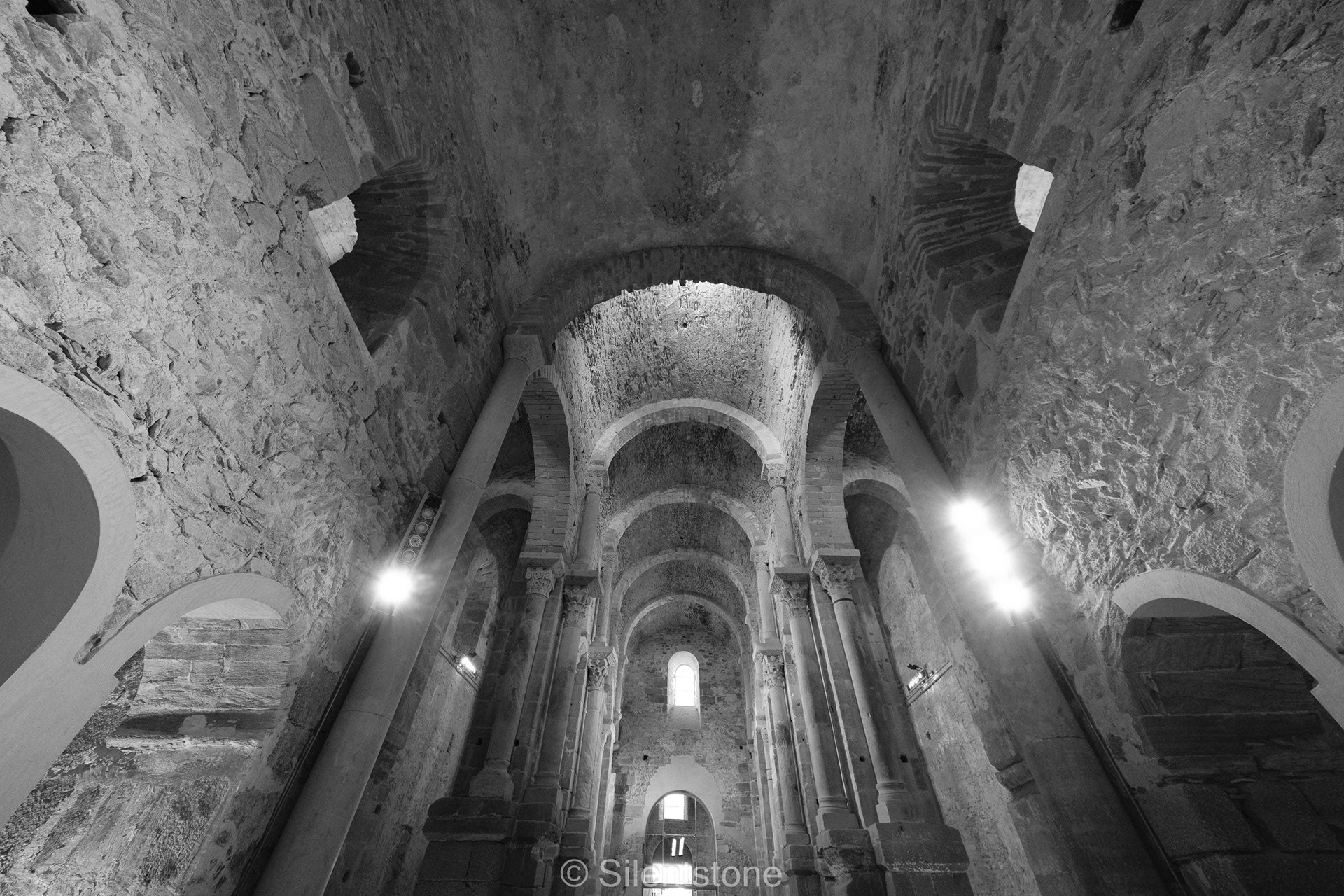
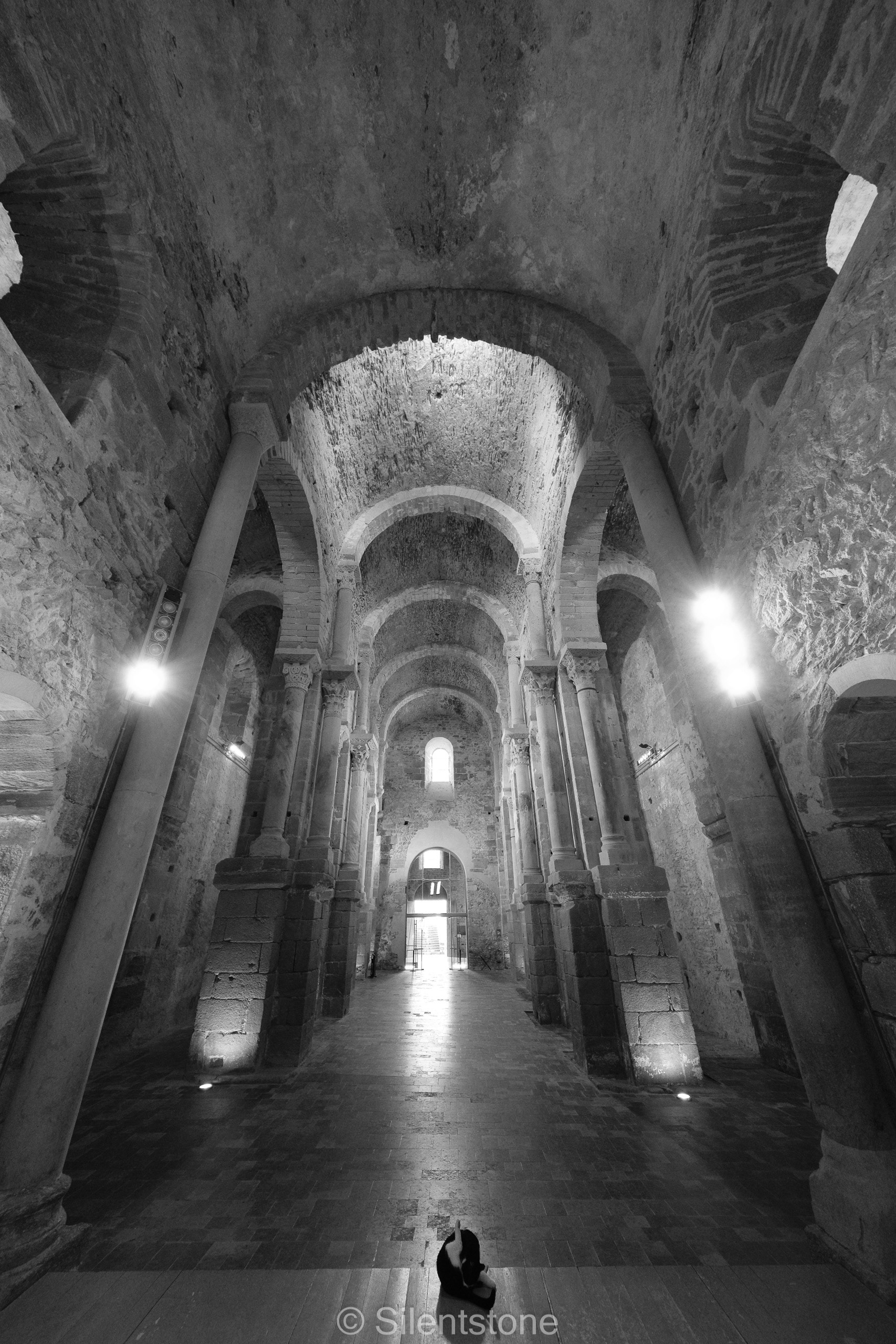
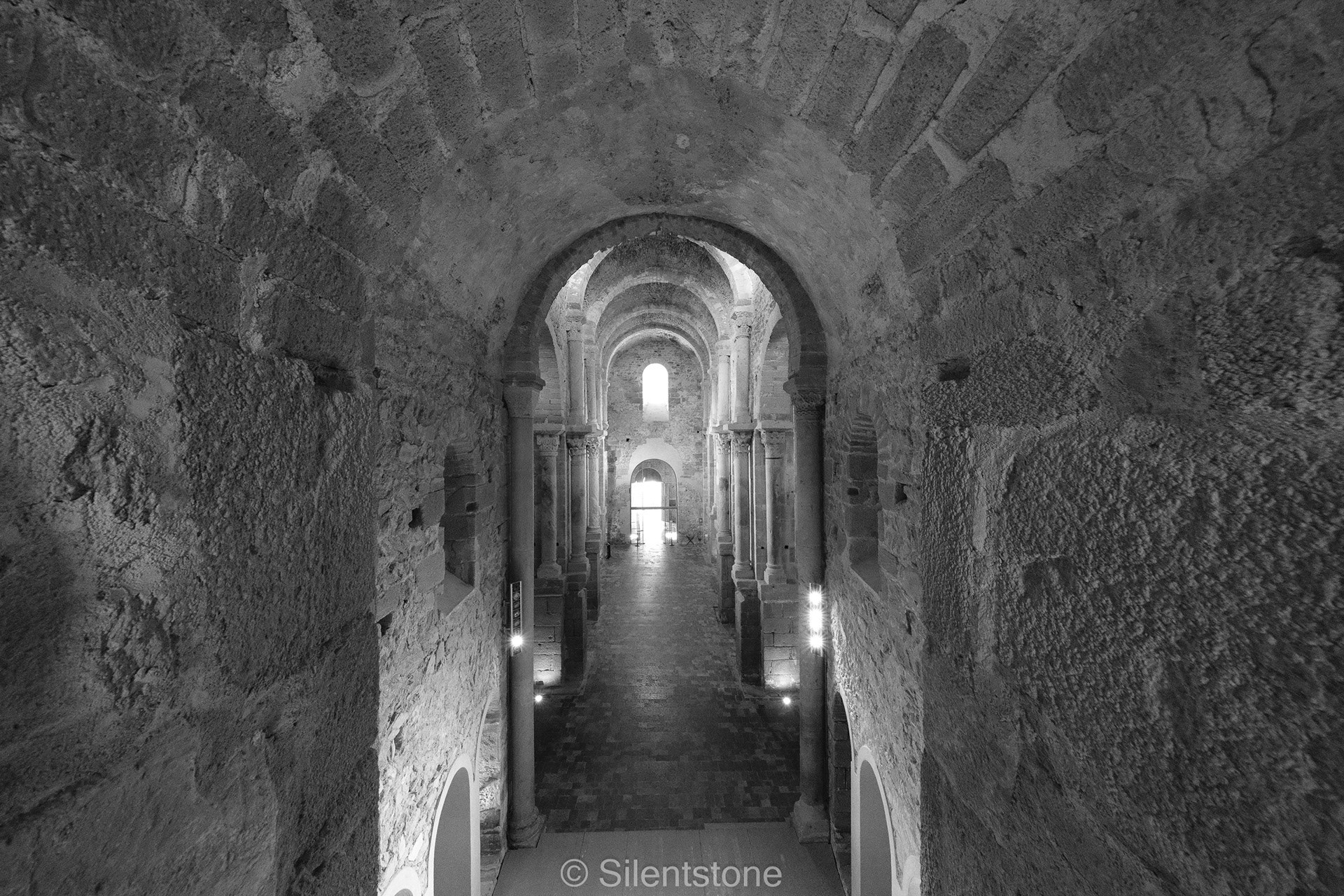
The church is a unique example of Romanesque architecture. Unlike most churches of the period, it features an innovative system of double columns and soaring arches that give it a verticality and lightness uncommon in the In the 17th century, the monastery's power began to wane due to pirate attacks, the plague, and internal conflicts. It was finally abandoned by the monks in 1798, falling into ruin until restoration efforts began in the 20th century.
What makes this place truly fascinating are the legends and unsolved mysteries that dwell within its walls.
The Lost Relics of Saint Peter: Legend has it that in the 7th century, Christians fleeing Rome before the threat of invasions arrived at the Gulf of Lion with the remains of Saint Peter and other sacred relics. They supposedly hid them in a mountain cave for safekeeping. When the danger passed, they could not find them, and the monastery was built on that sacred spot to guard the hidden treasure. To this day, the whereabouts of these relics remain a mystery.
During restoration work, several objects were found, but few as intriguing as the medieval swords discovered hidden within the walls. Why would monks—men of peace—hide weapons behind the stonework? Some believe they were offerings from knights, while others suggest they were hidden during desperate sieges.
Architects have long been amazed by the church's acoustics and alignment. The way sound travels through the nave is unusually precise for the 11th century. Some esoteric researchers claim the building was designed using "sacred geometry" to create specific vibrational frequencies intended to induce deep states of meditation.
Local folklore speaks of the "Curse of the Last Abbot." It is said that when the monks finally fled, the mountain spirits reclaimed the land. For decades, locals claimed to hear chanting coming from the ruins at night, even though the building was completely empty.
Sant Pere de Rodes is more than a monument; it is a sentinel overlooking the sea, guarding secrets that the wind and stone refuse to reveal.