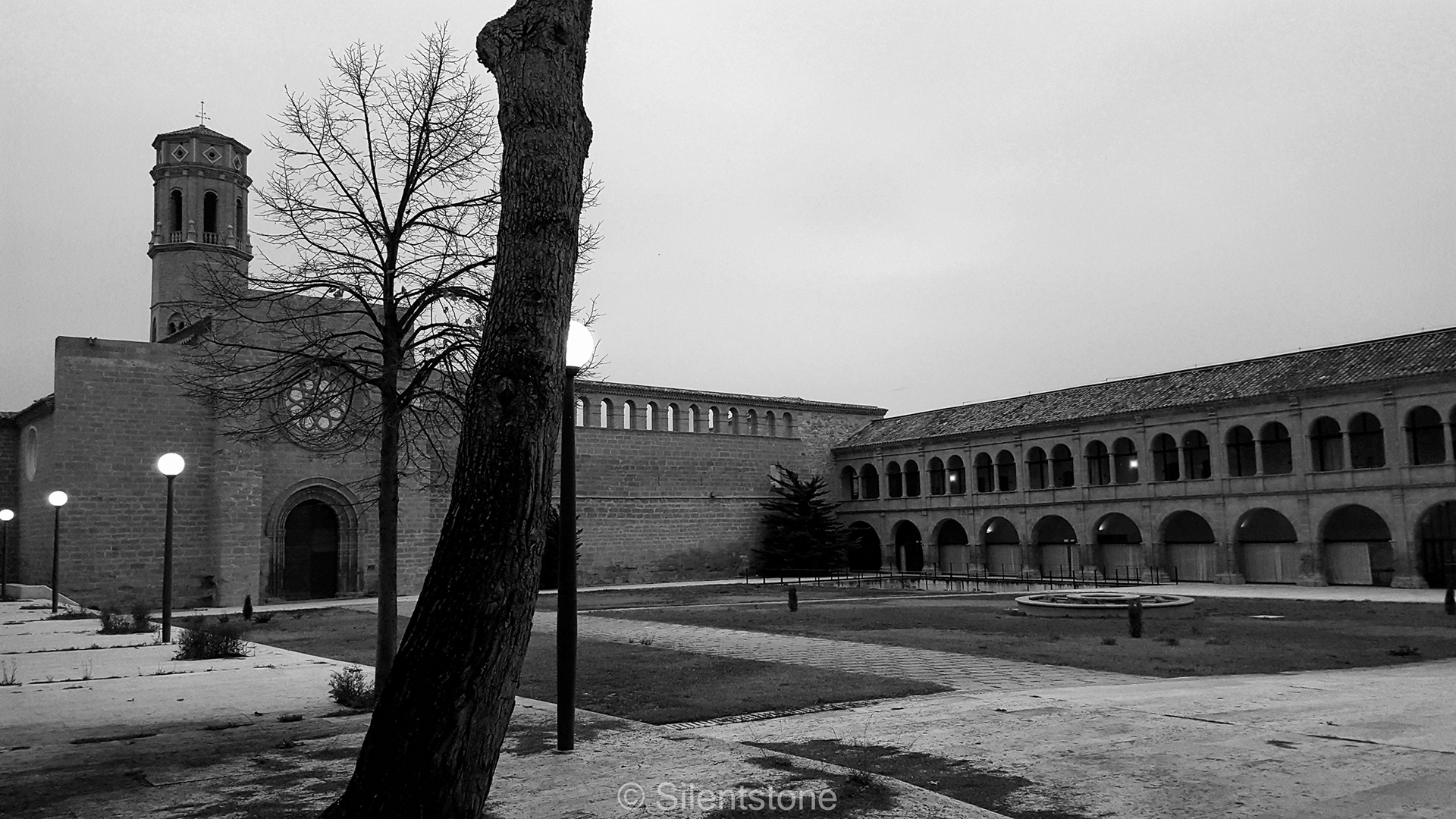
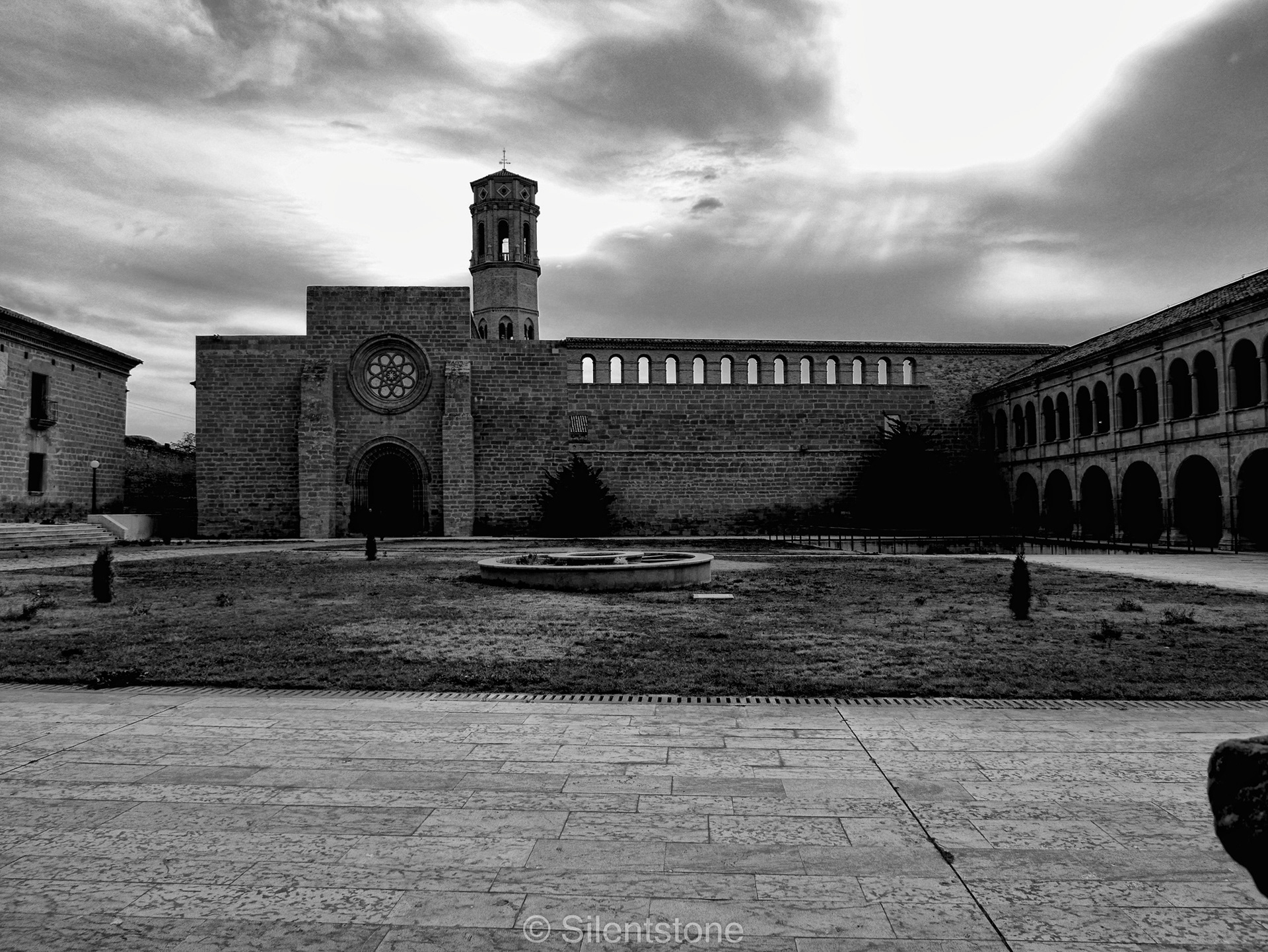
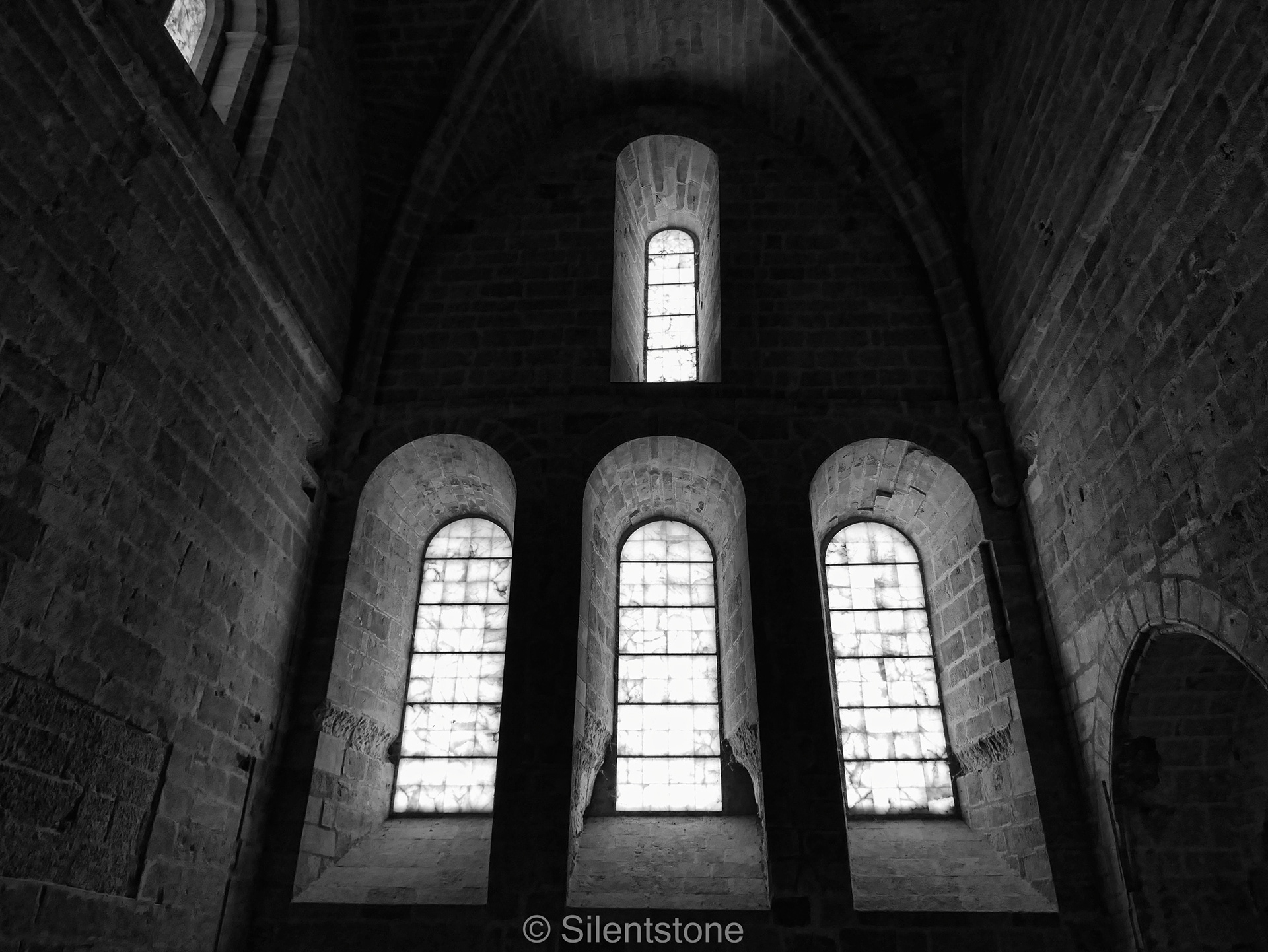
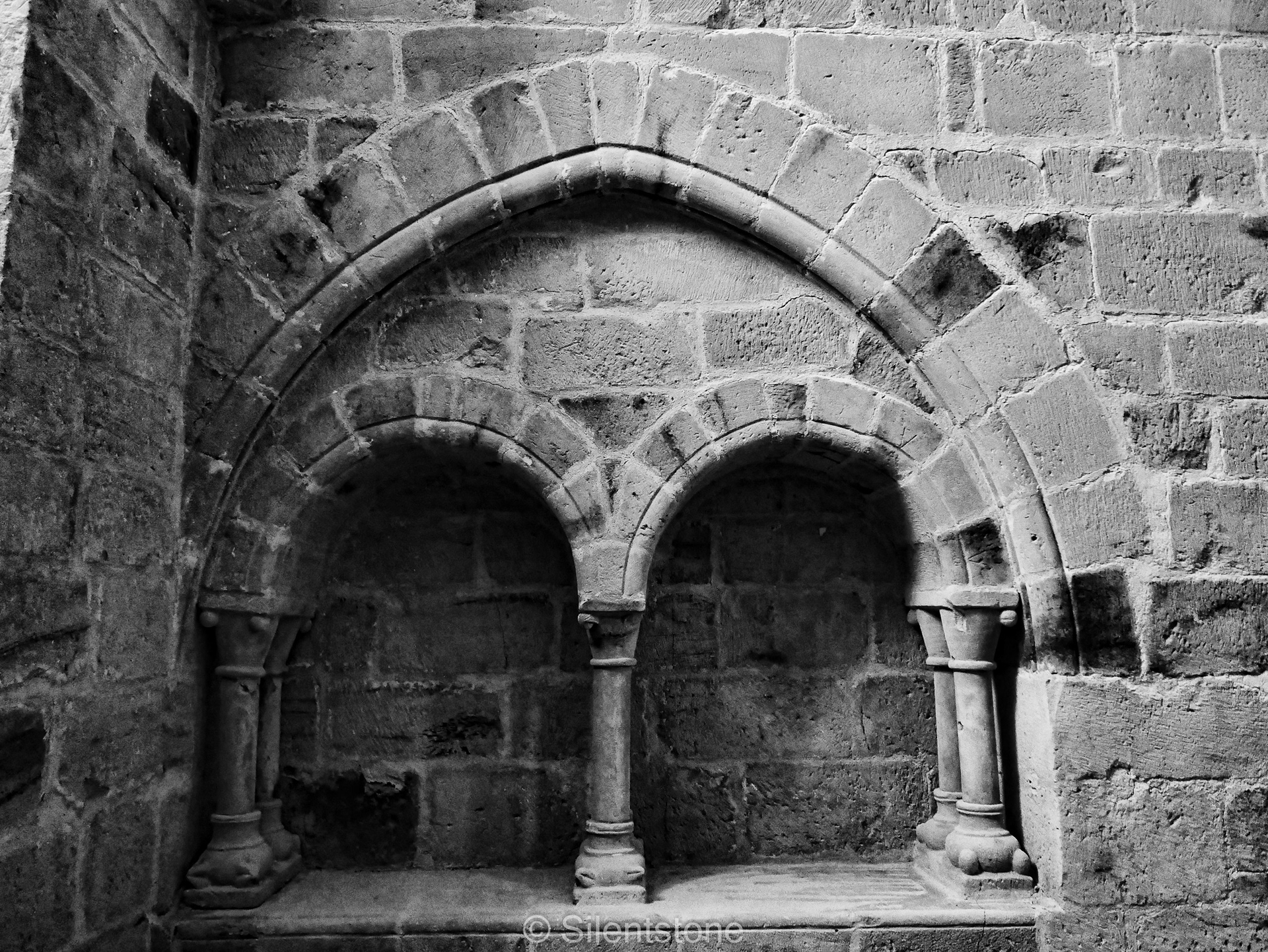
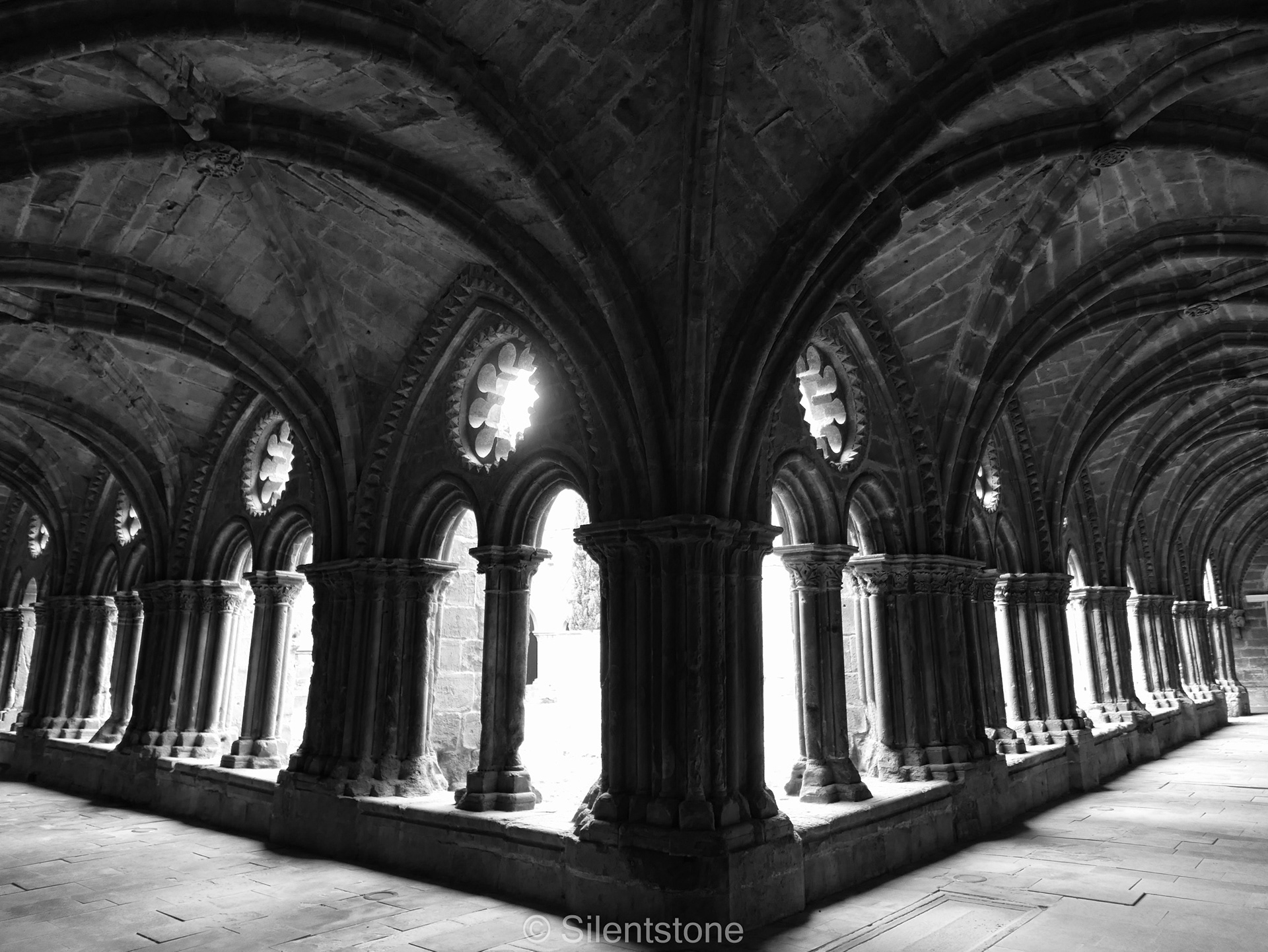
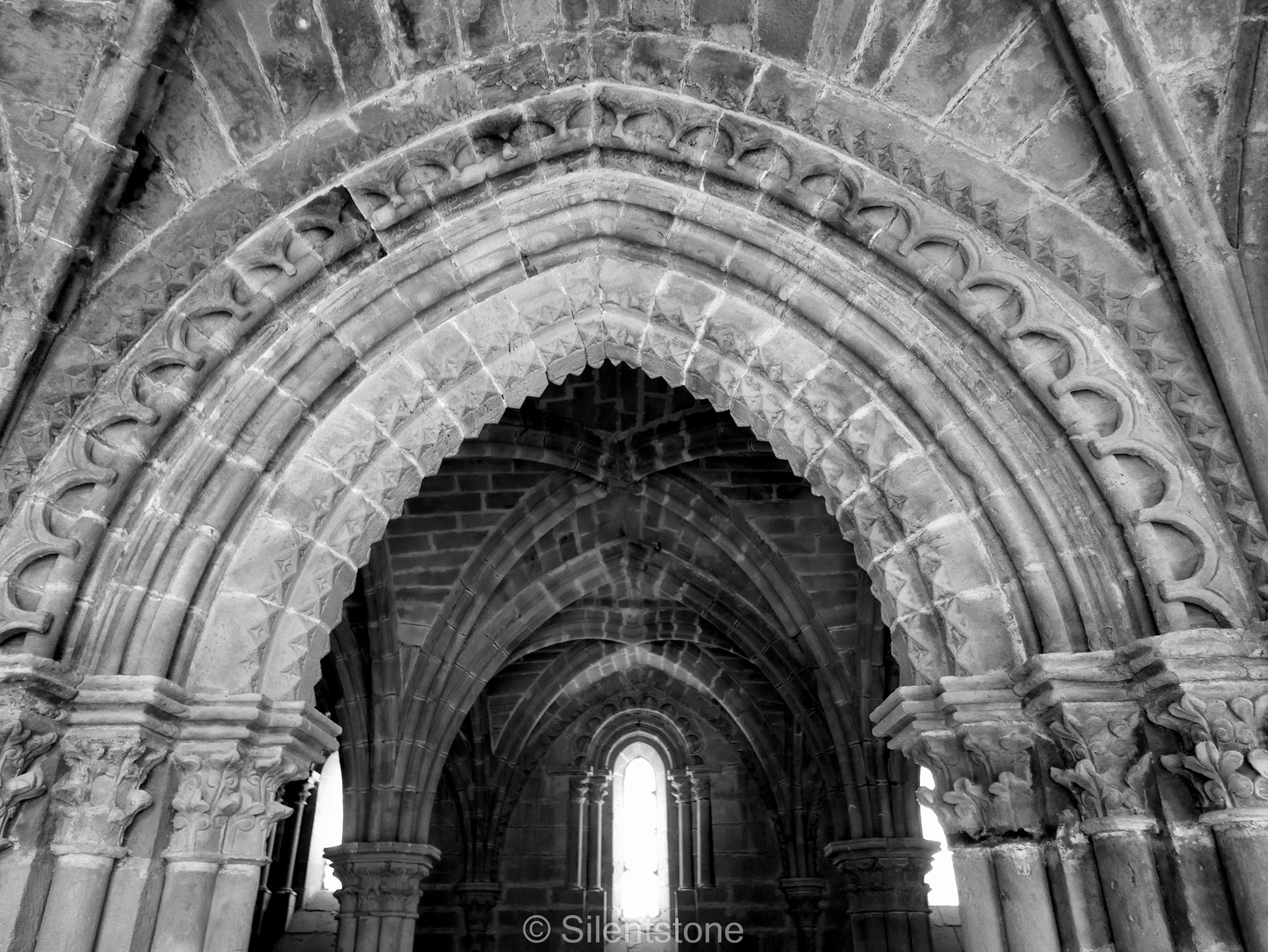
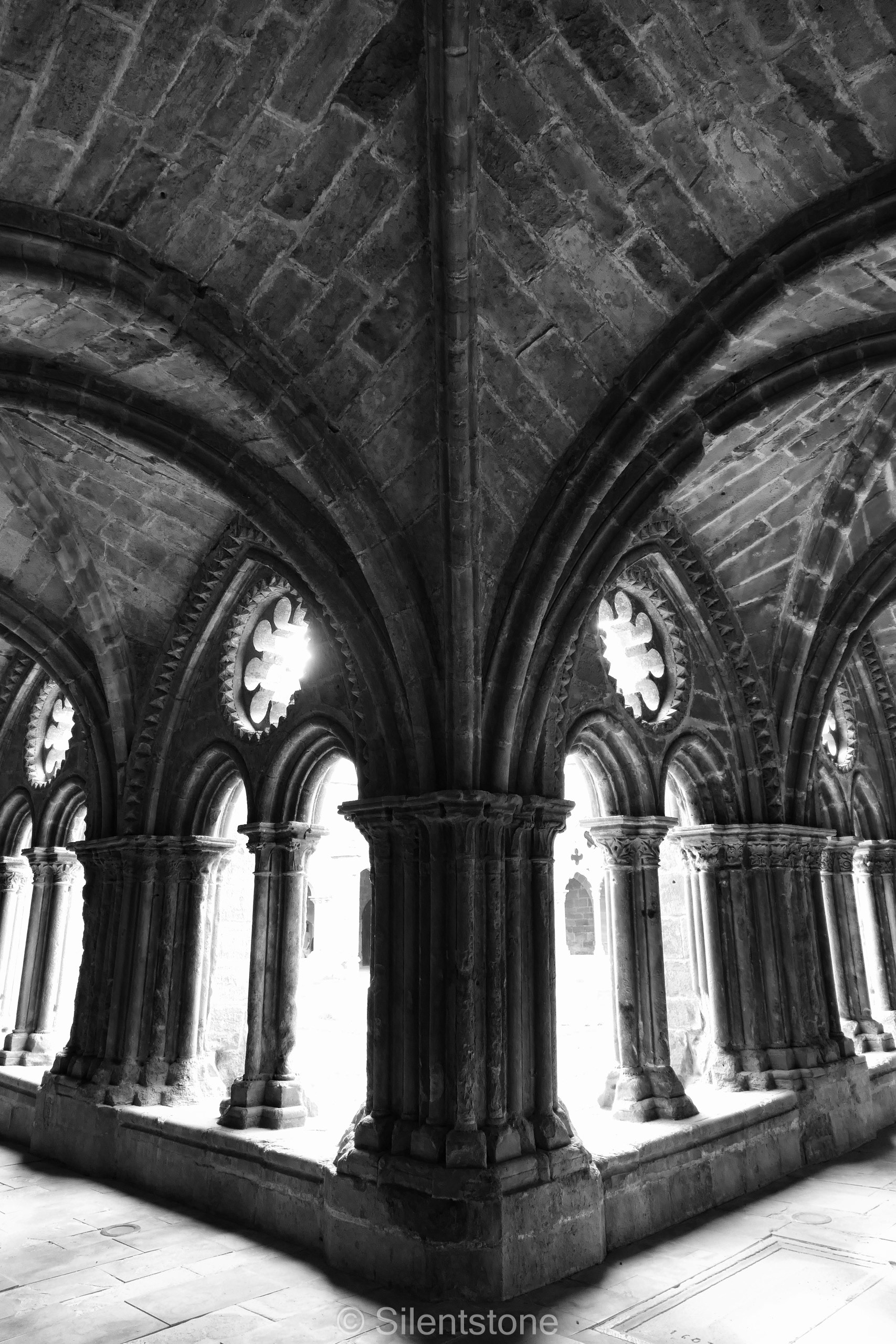
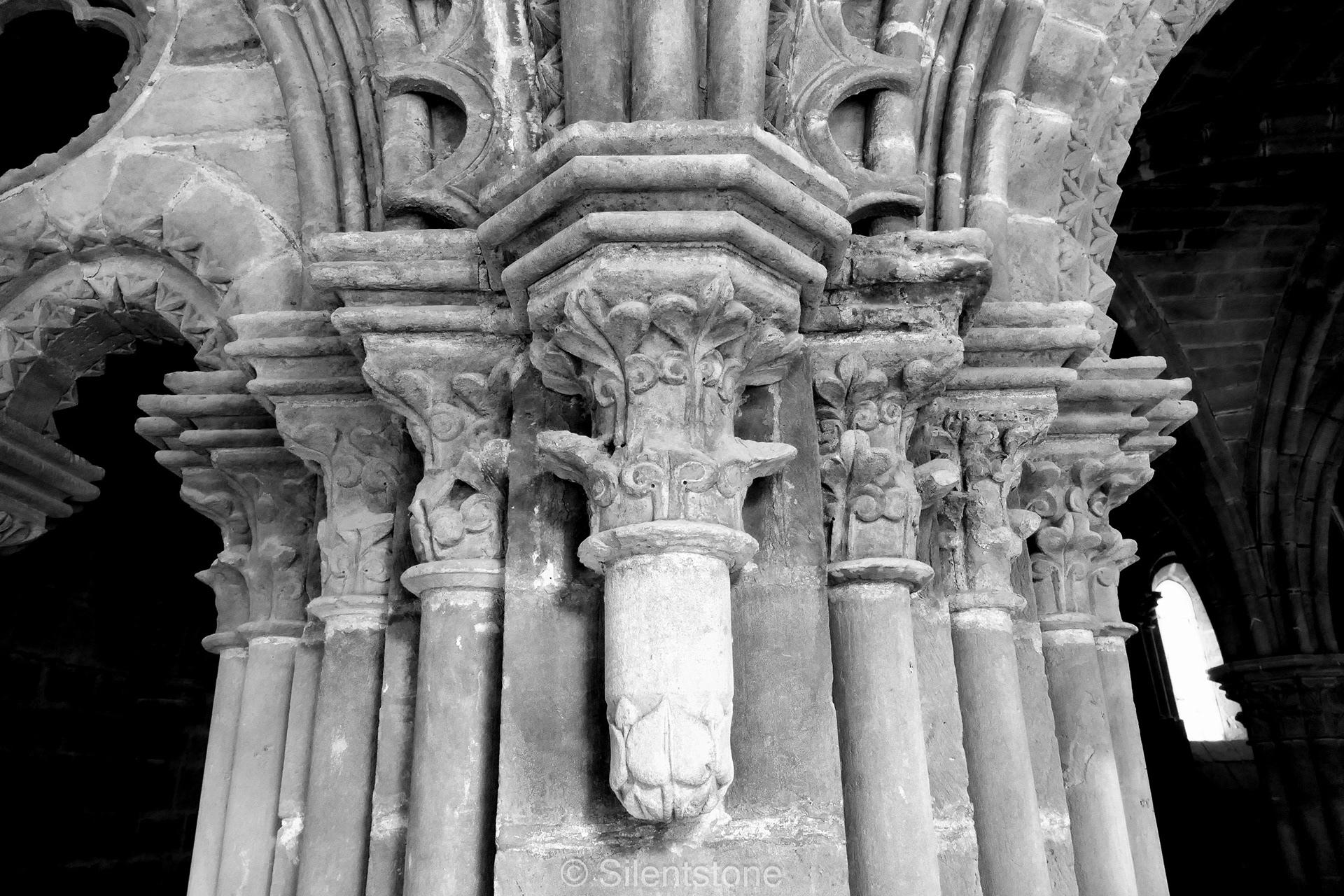
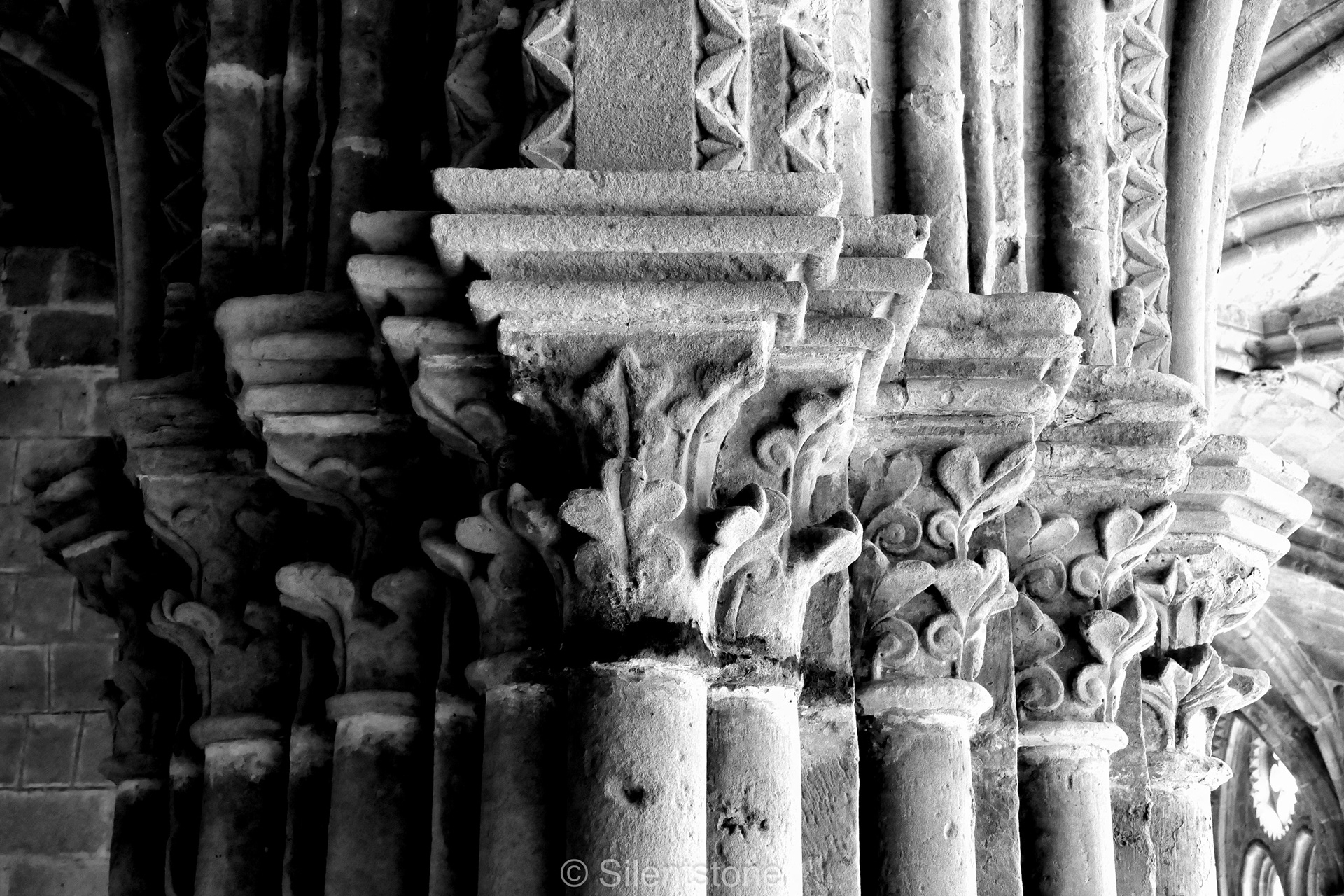
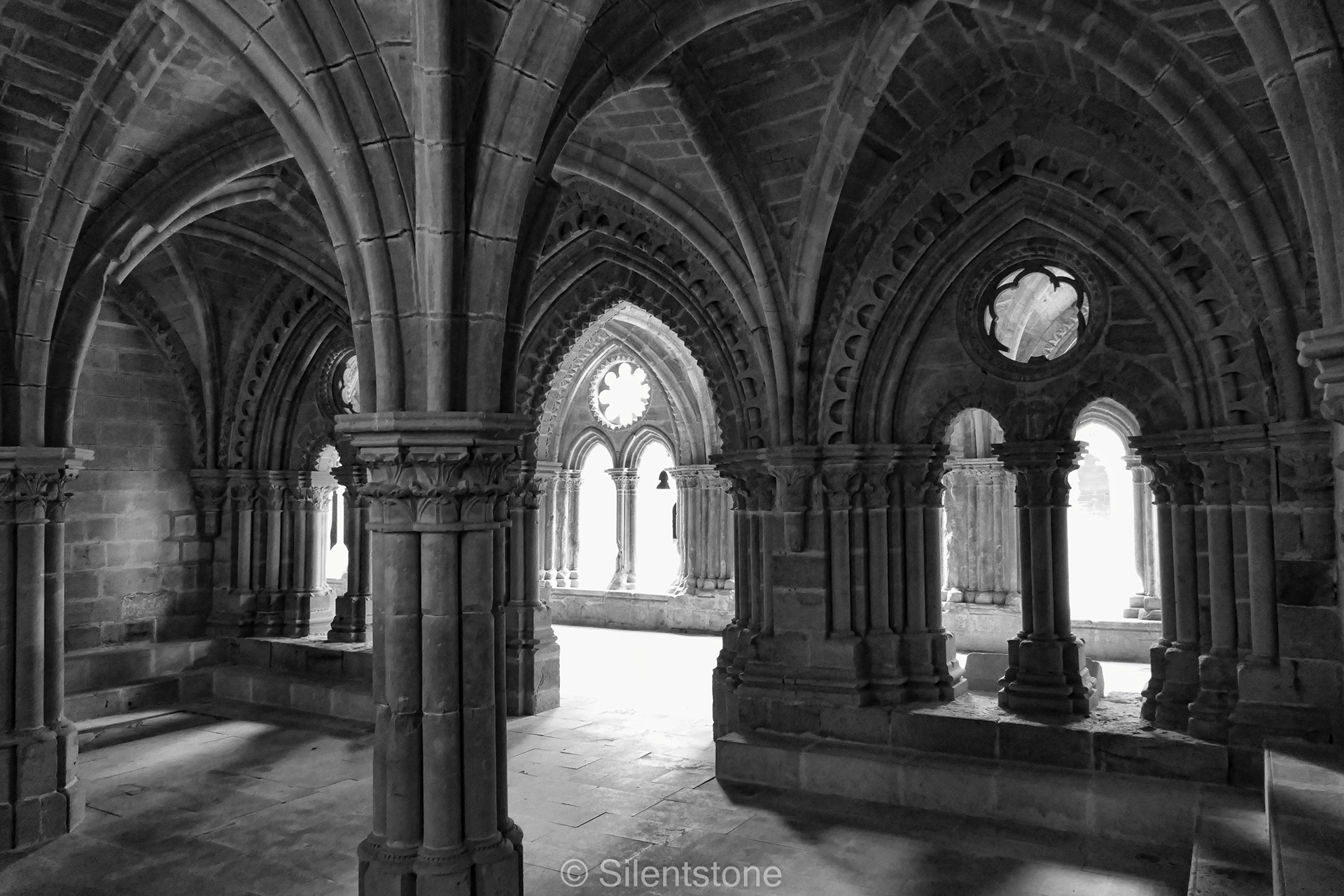
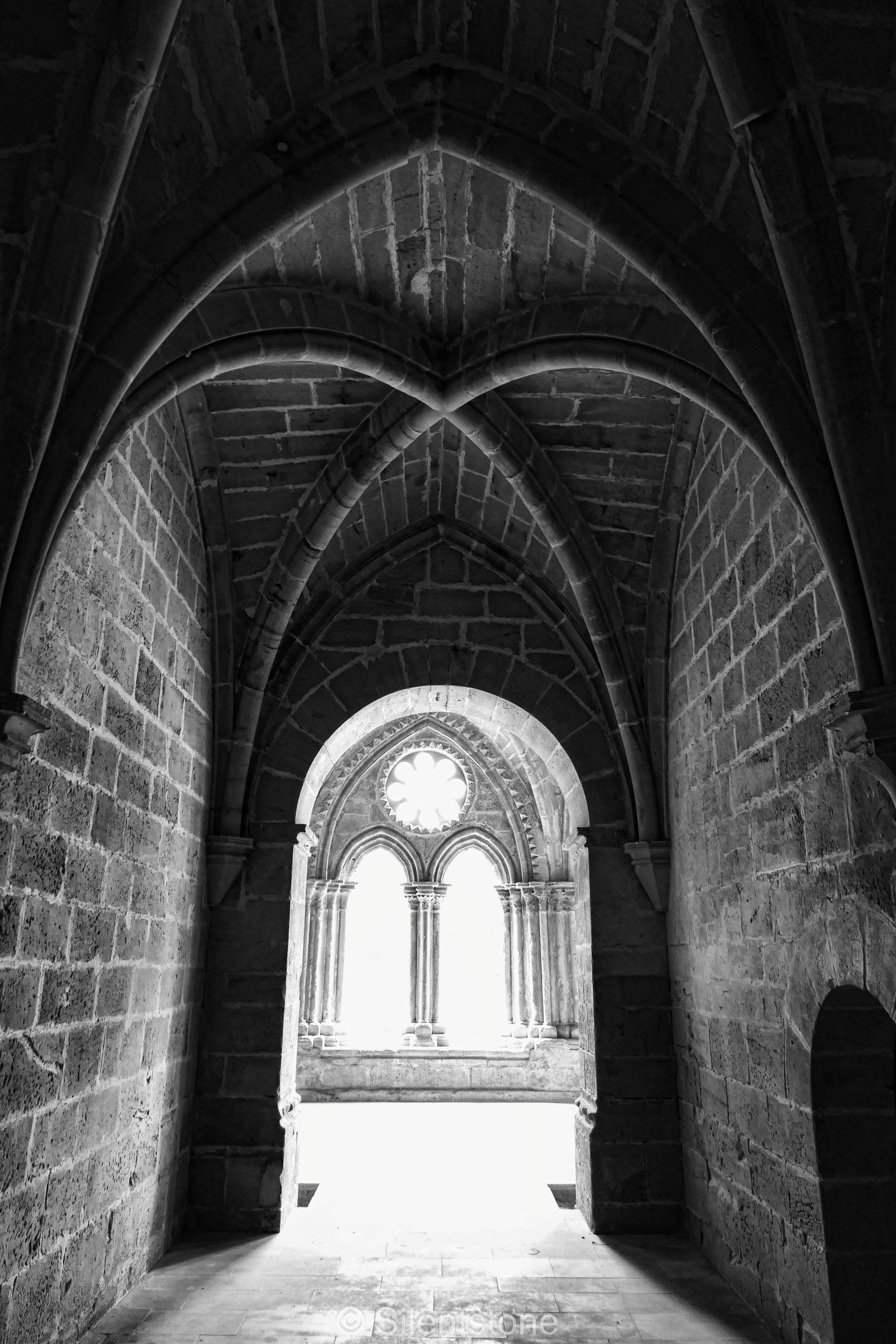
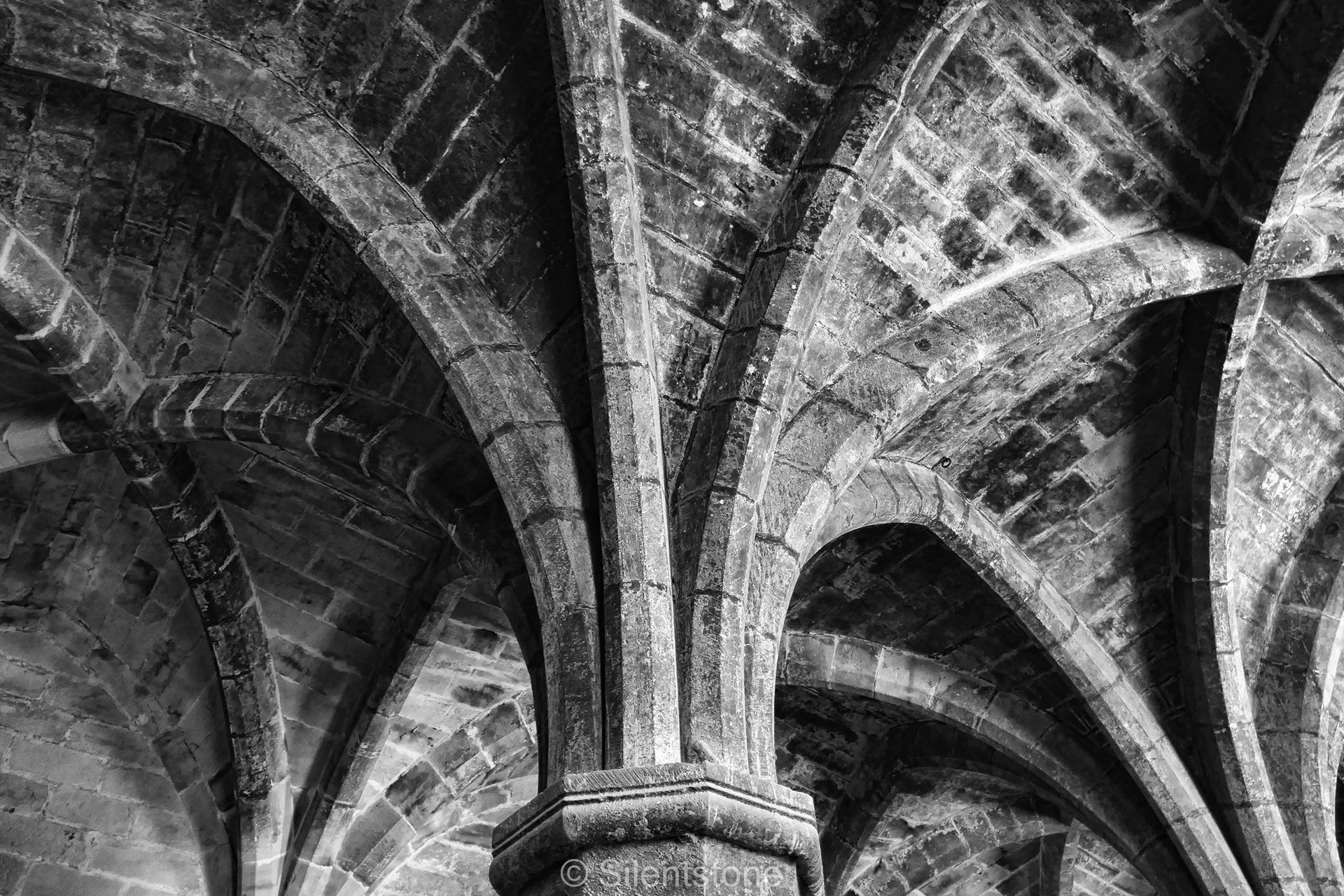
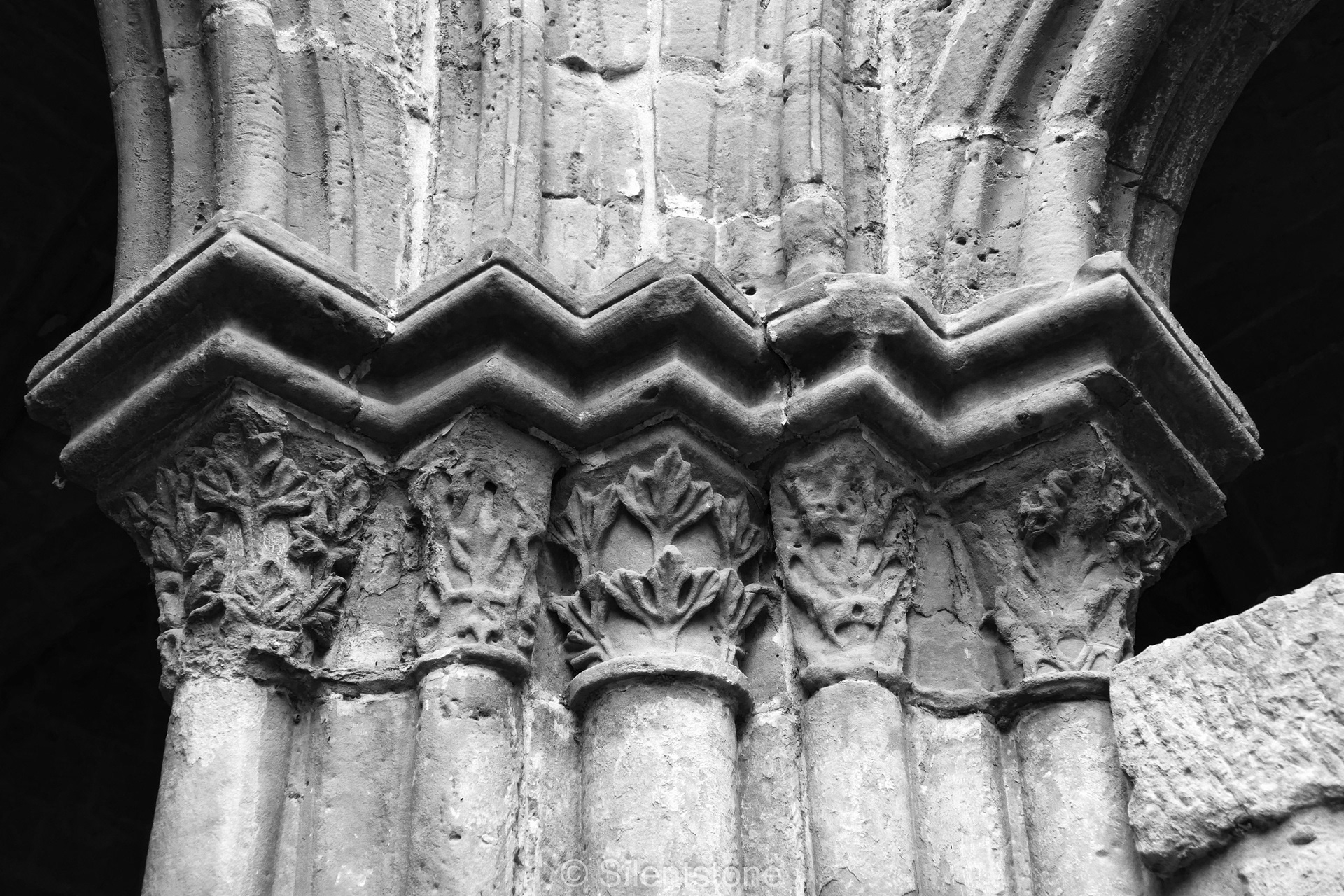
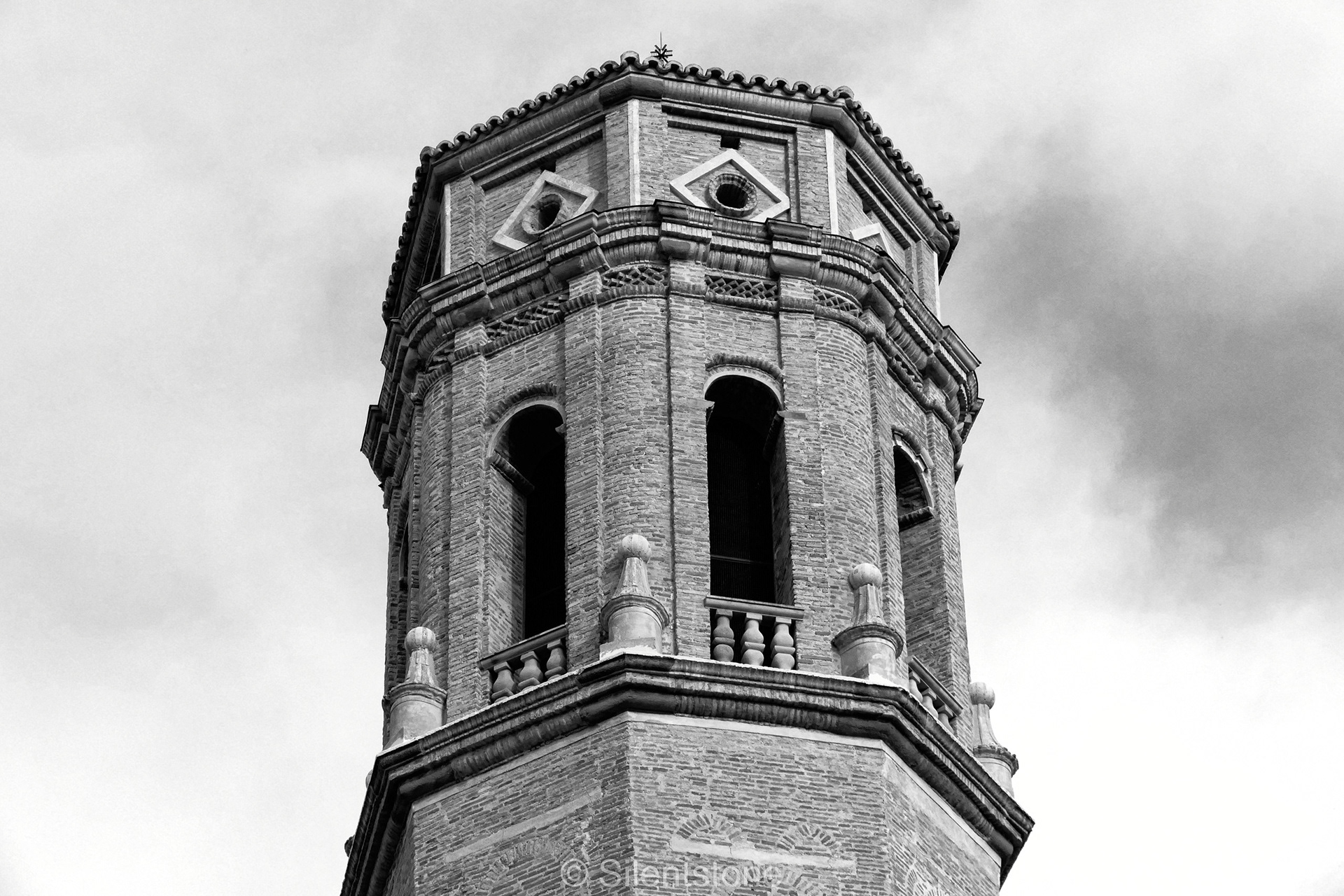
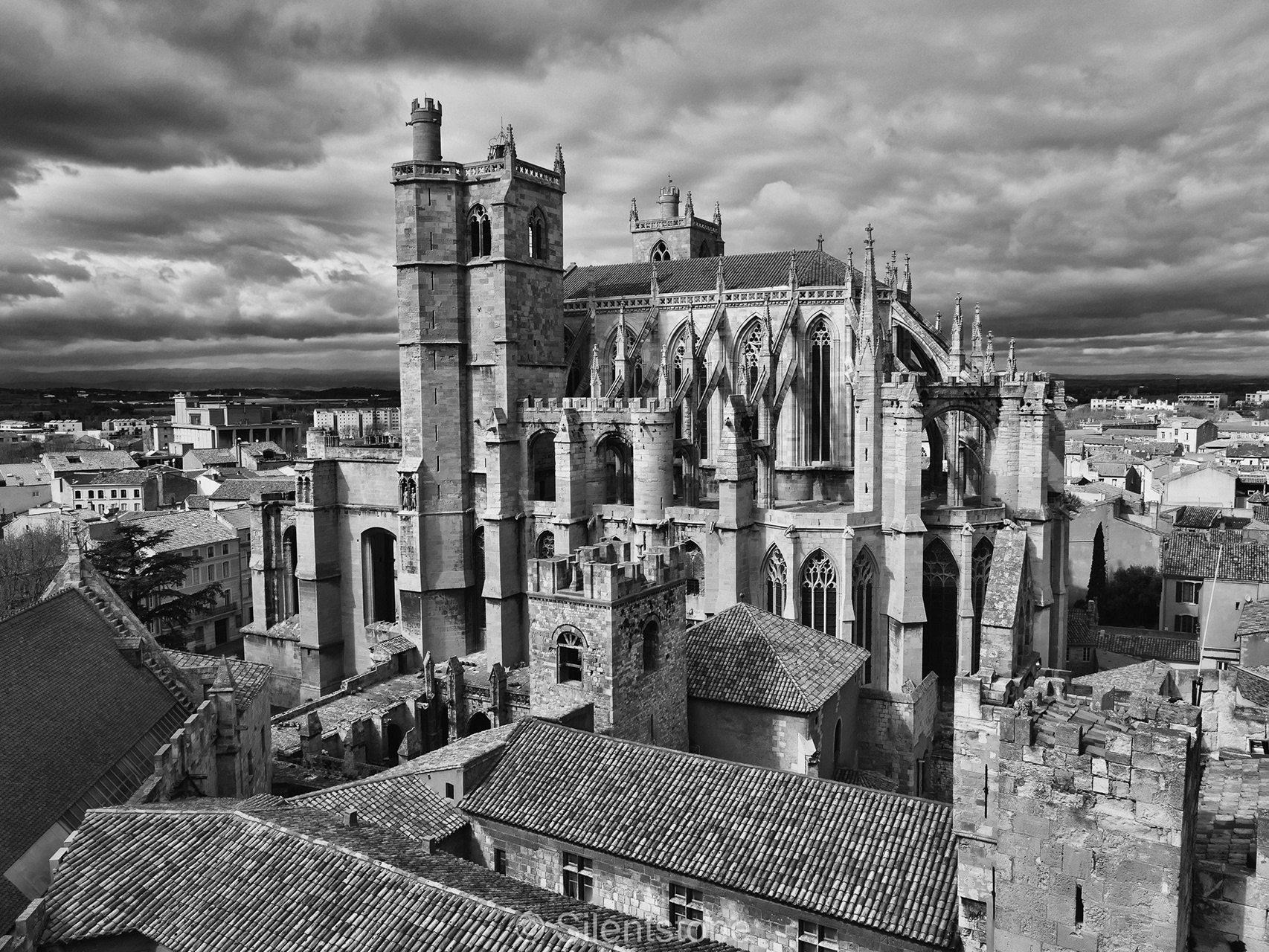
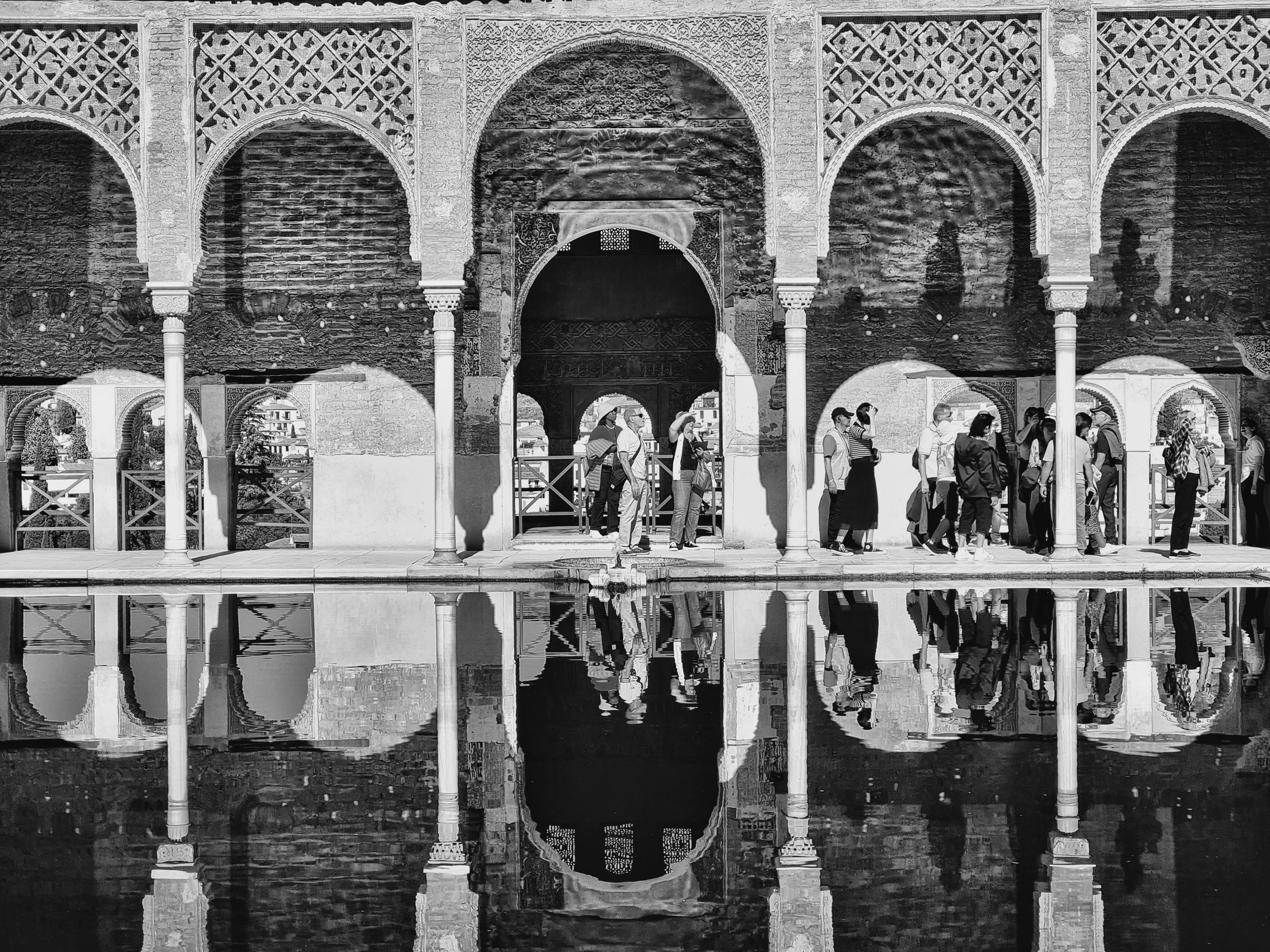
Deep in the heart of the Ebro valley in Zaragoza lies a place where time seems to have crystallized: The Monastery of Rueda. Unlike the soaring heights of Narbonne, Rueda is a lesson in horizontal perfection, austerity, and the profound beauty of the Cistercian "Rule of Silence."
The Art of Texture: Why Black and White?
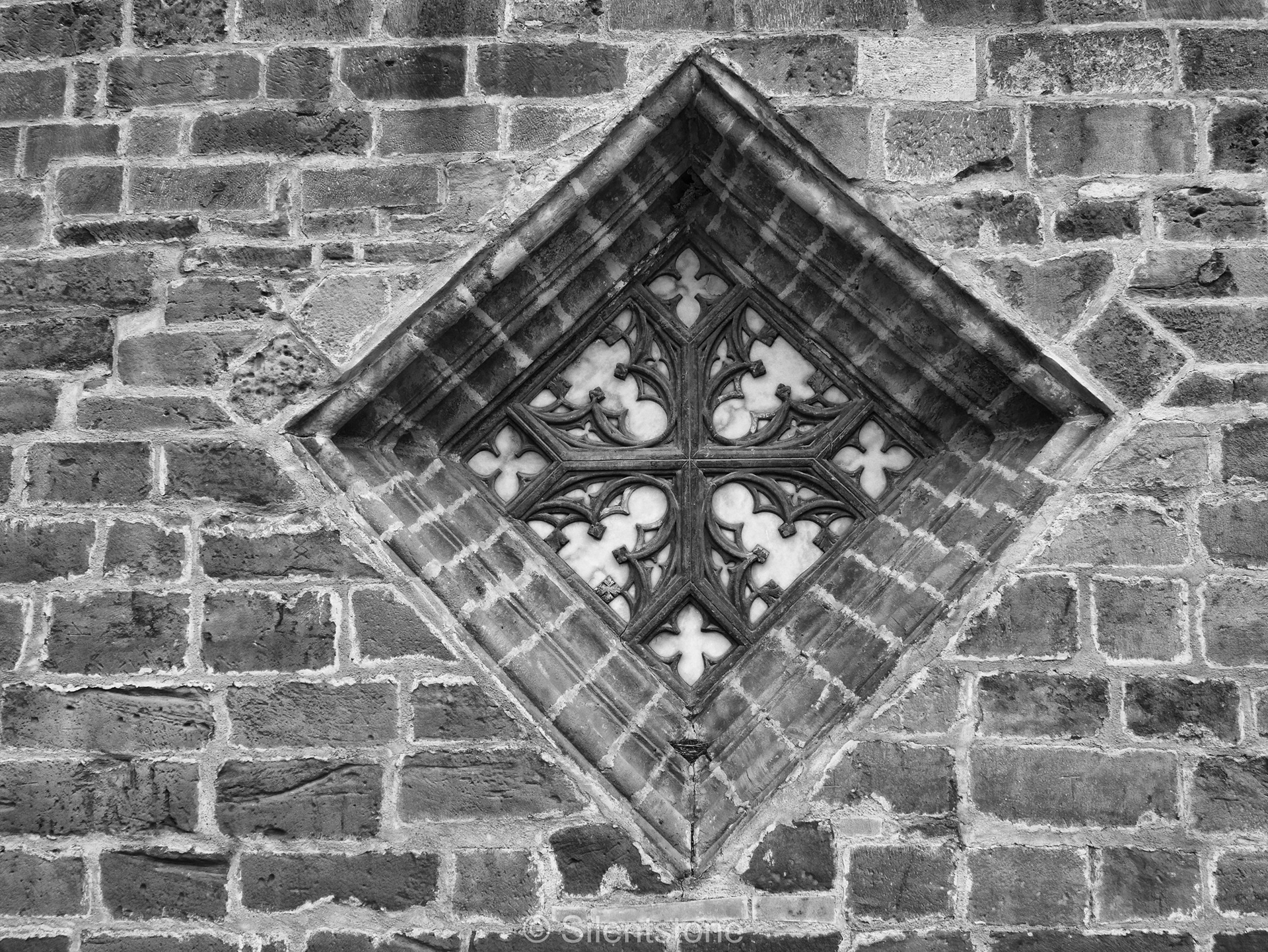
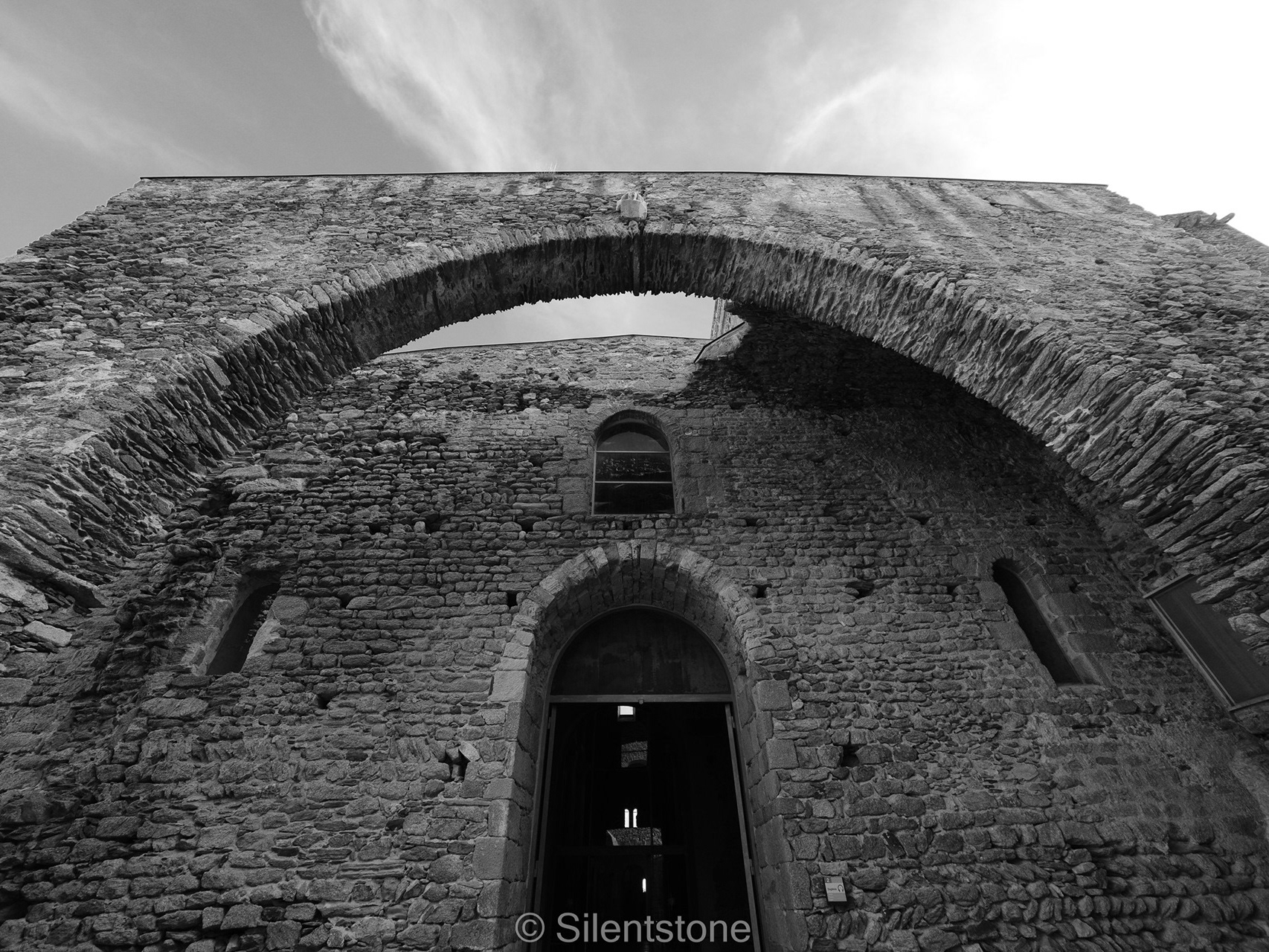
In my work here, I realized immediately that color was a distraction. The stone at Rueda possesses a singular character—its hue and porous nature react to light in a way that feels almost organic.
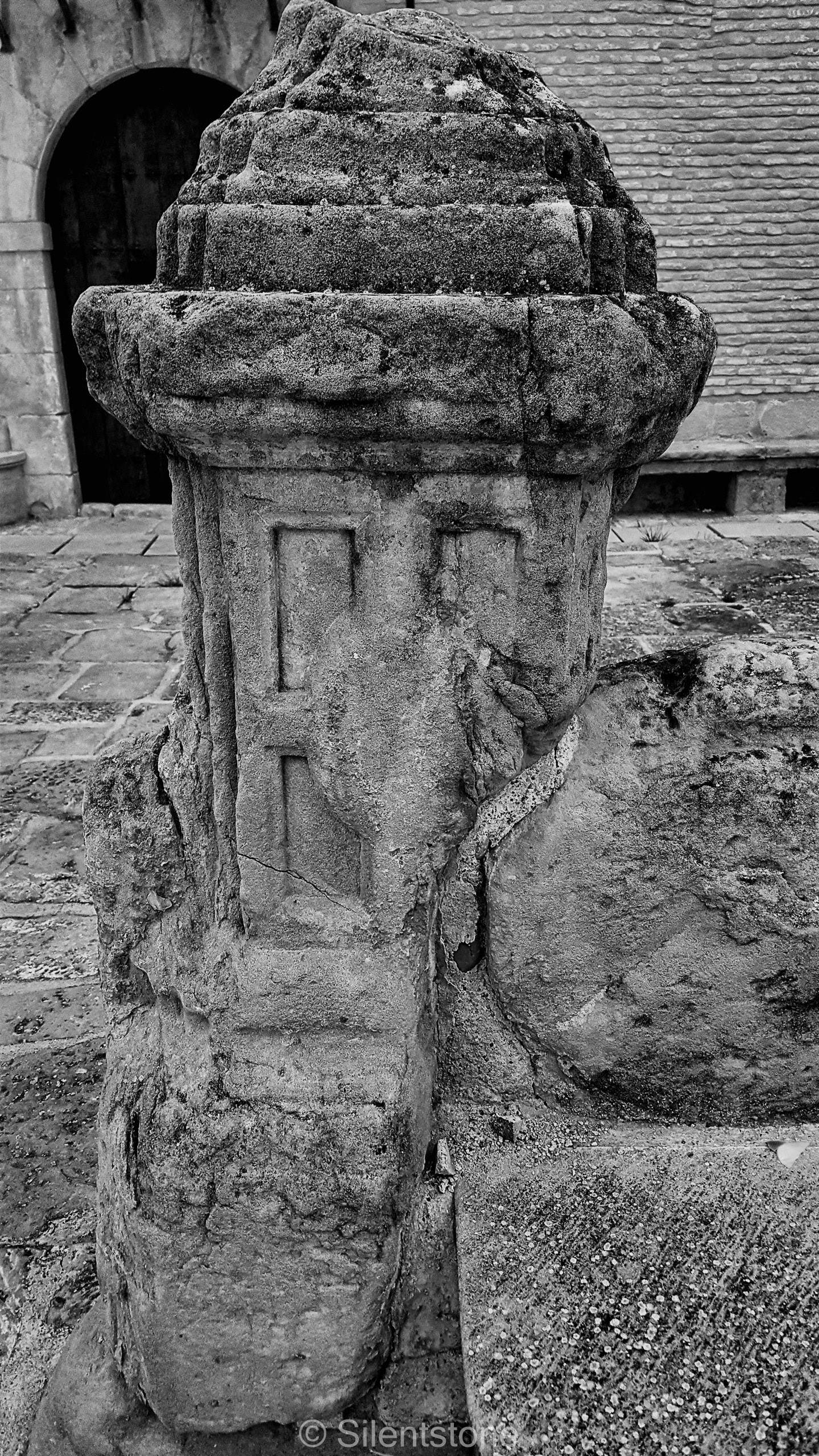
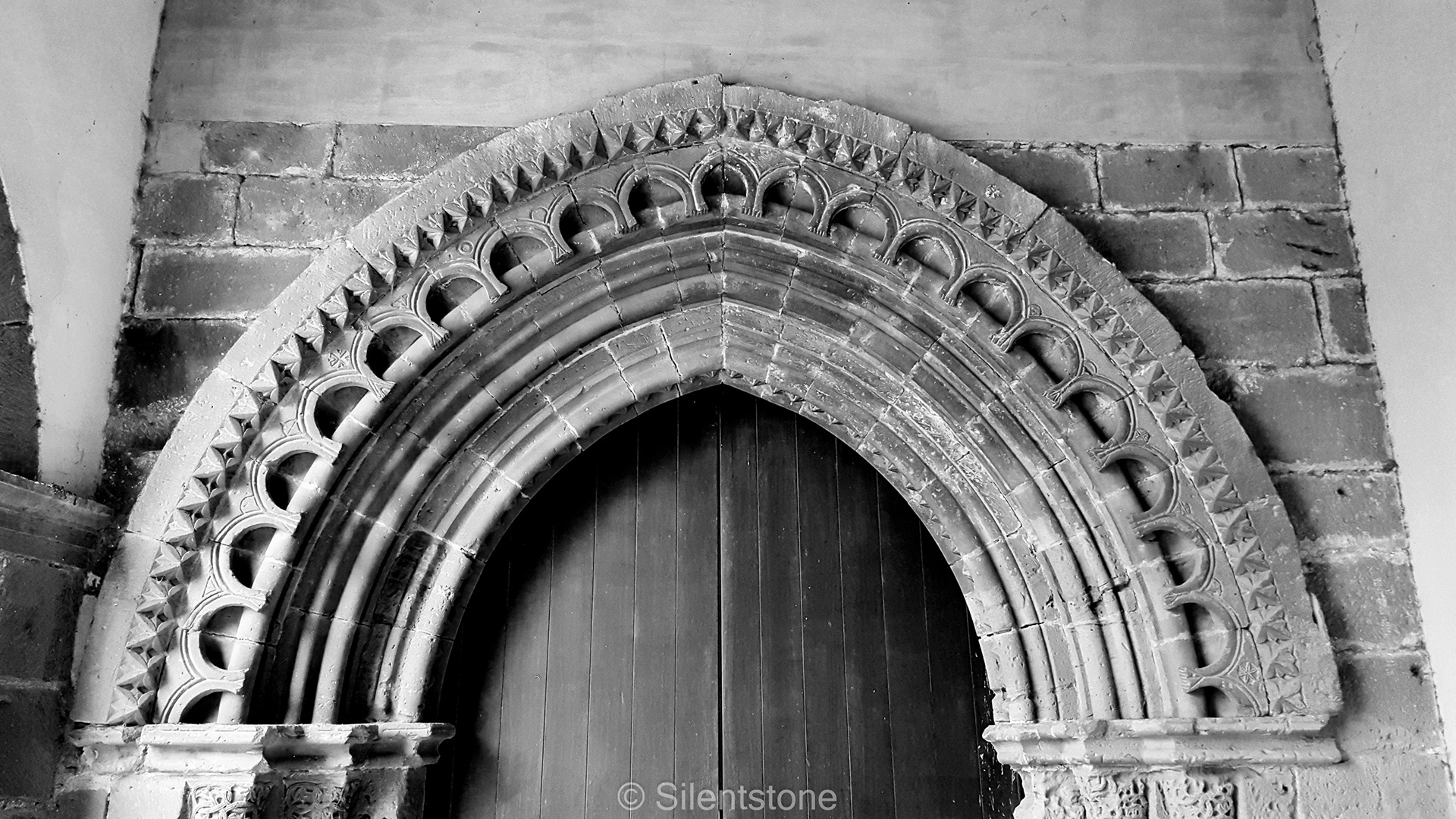
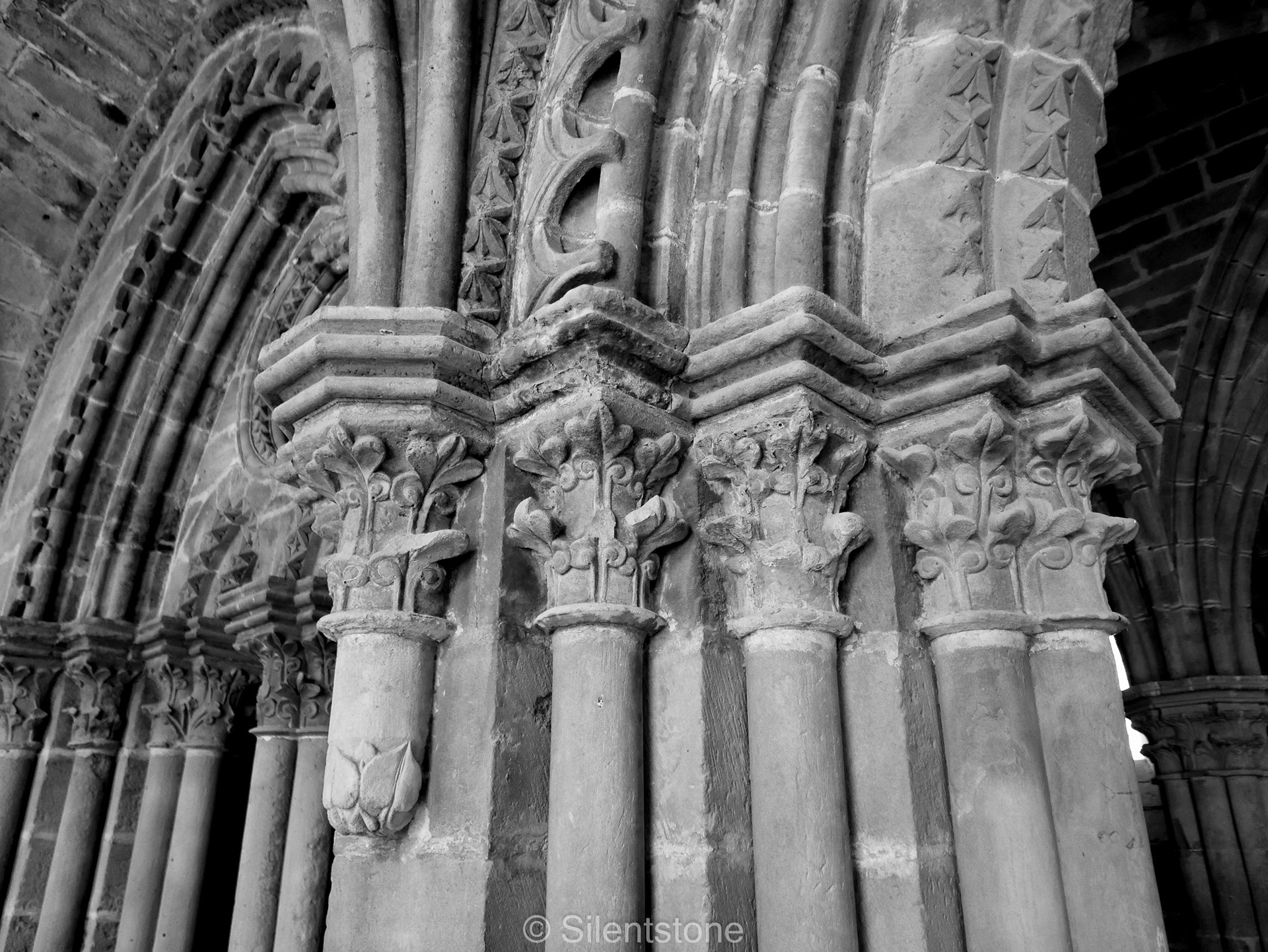
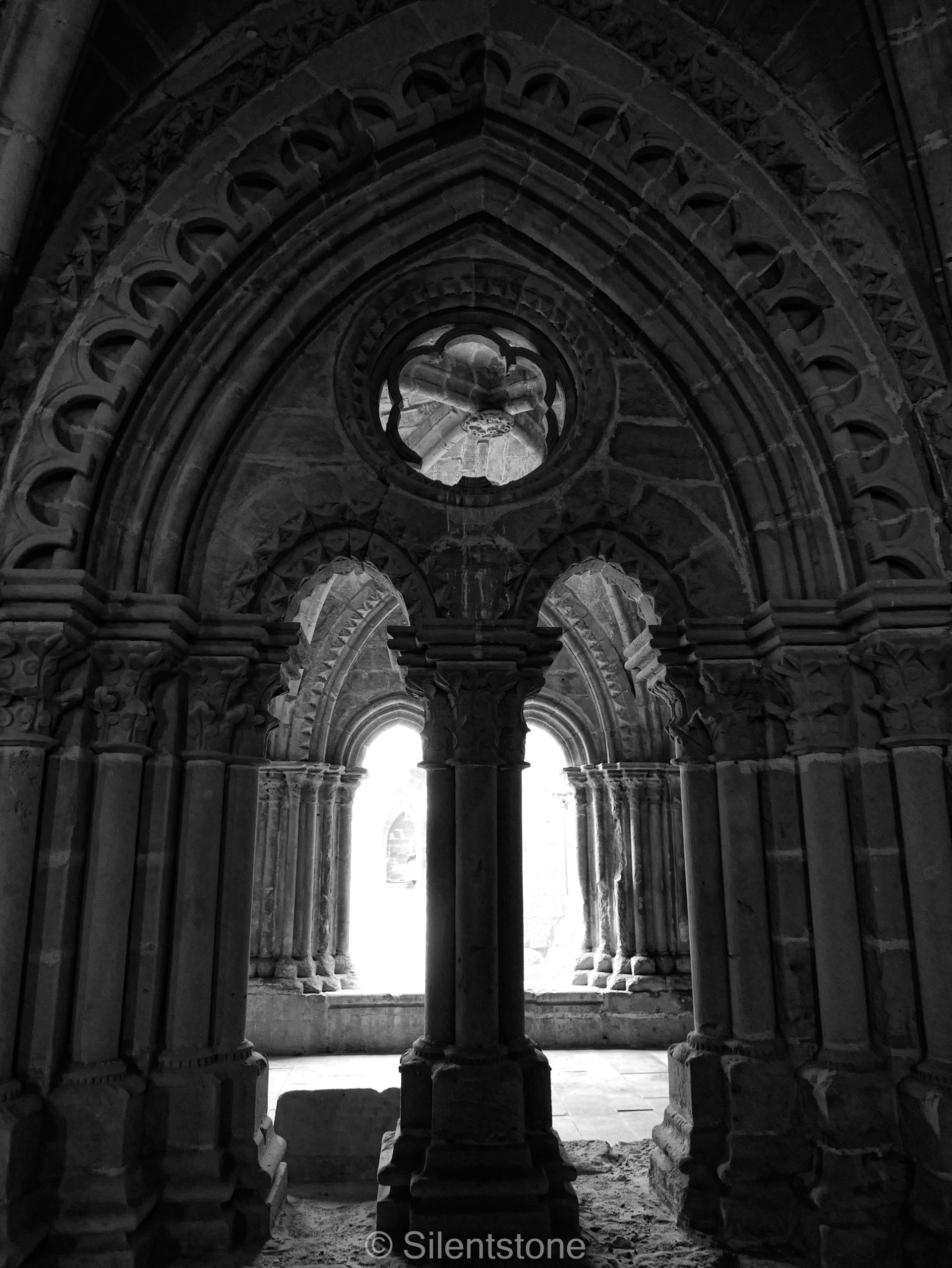
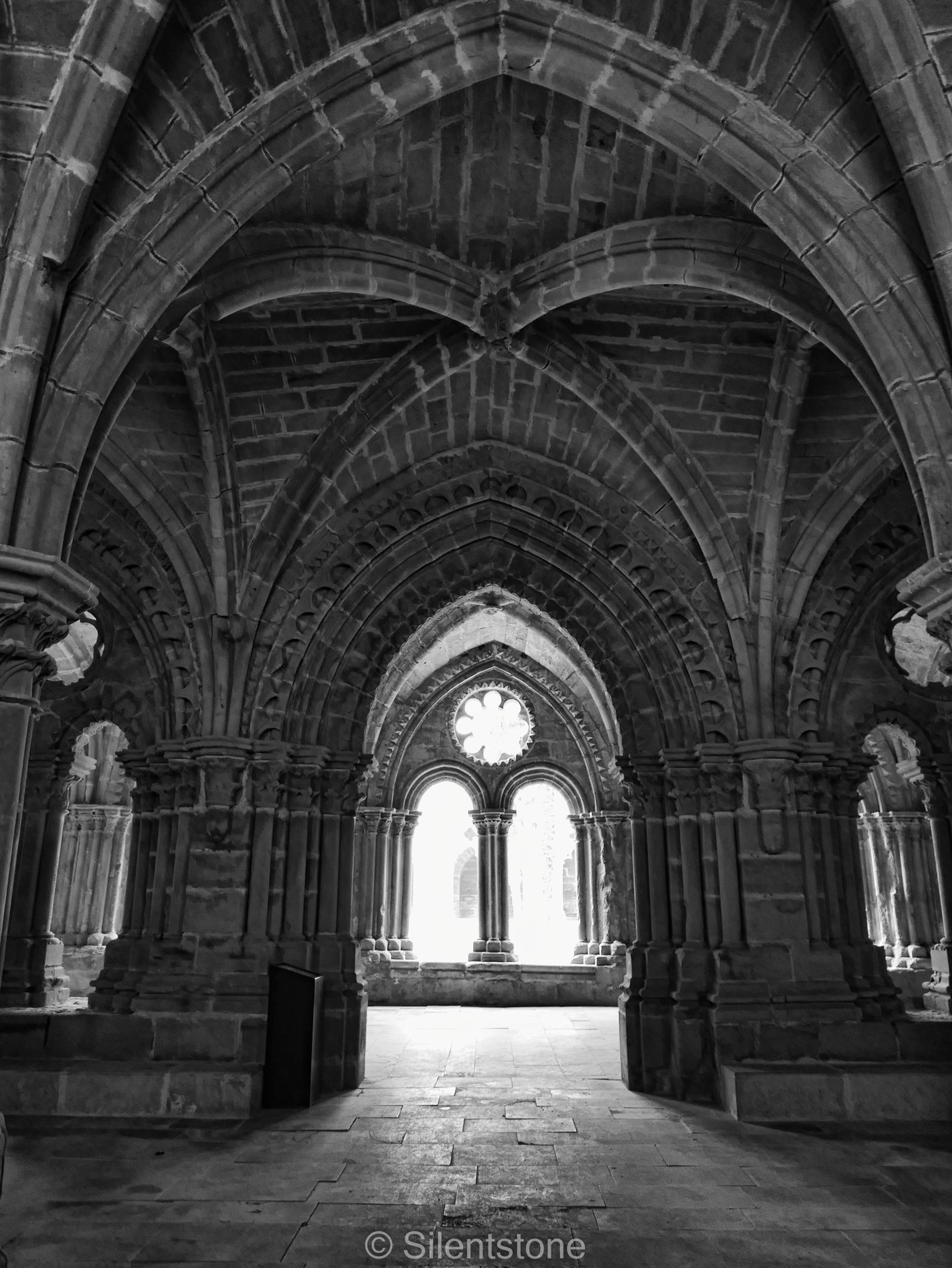
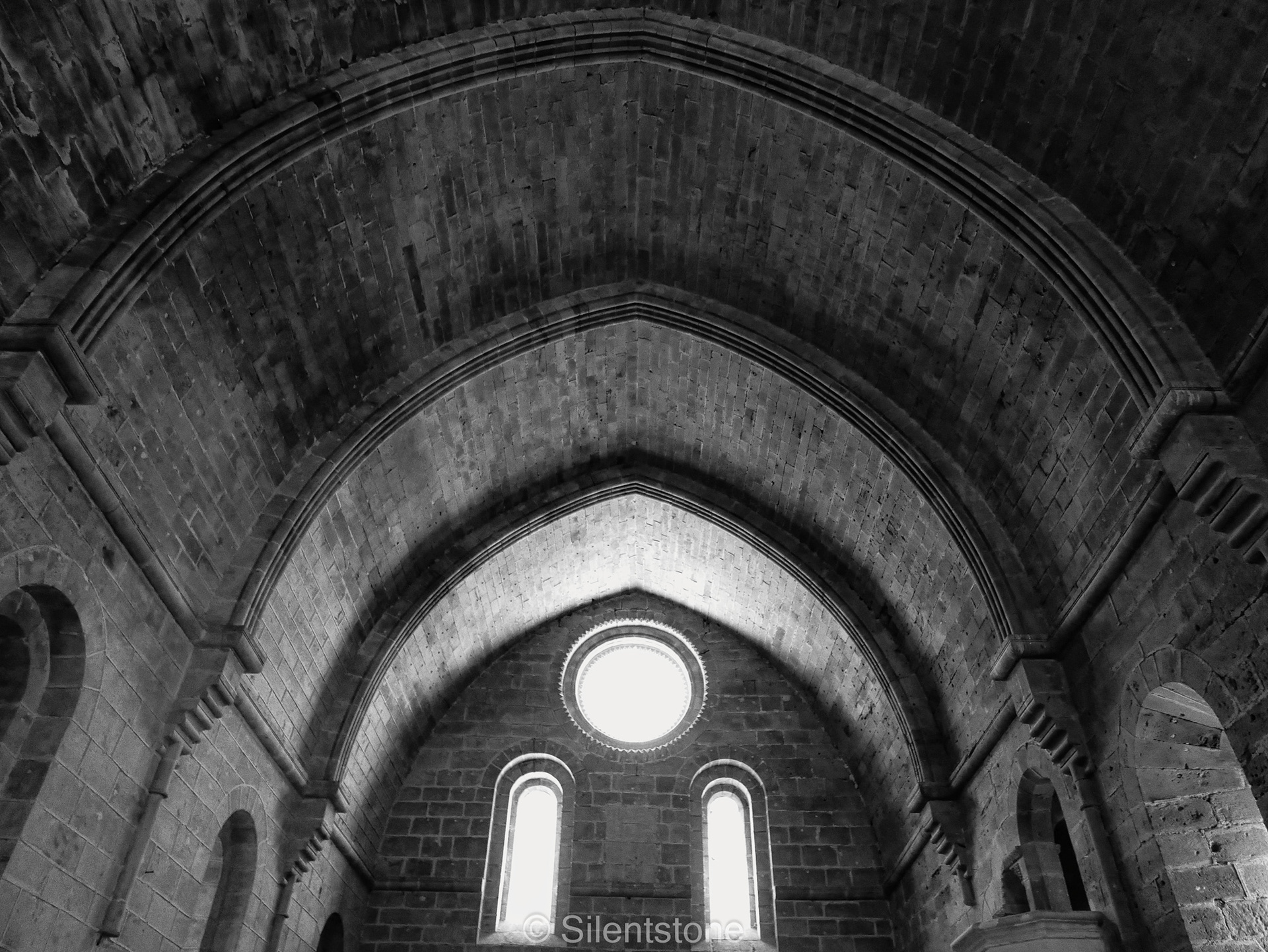
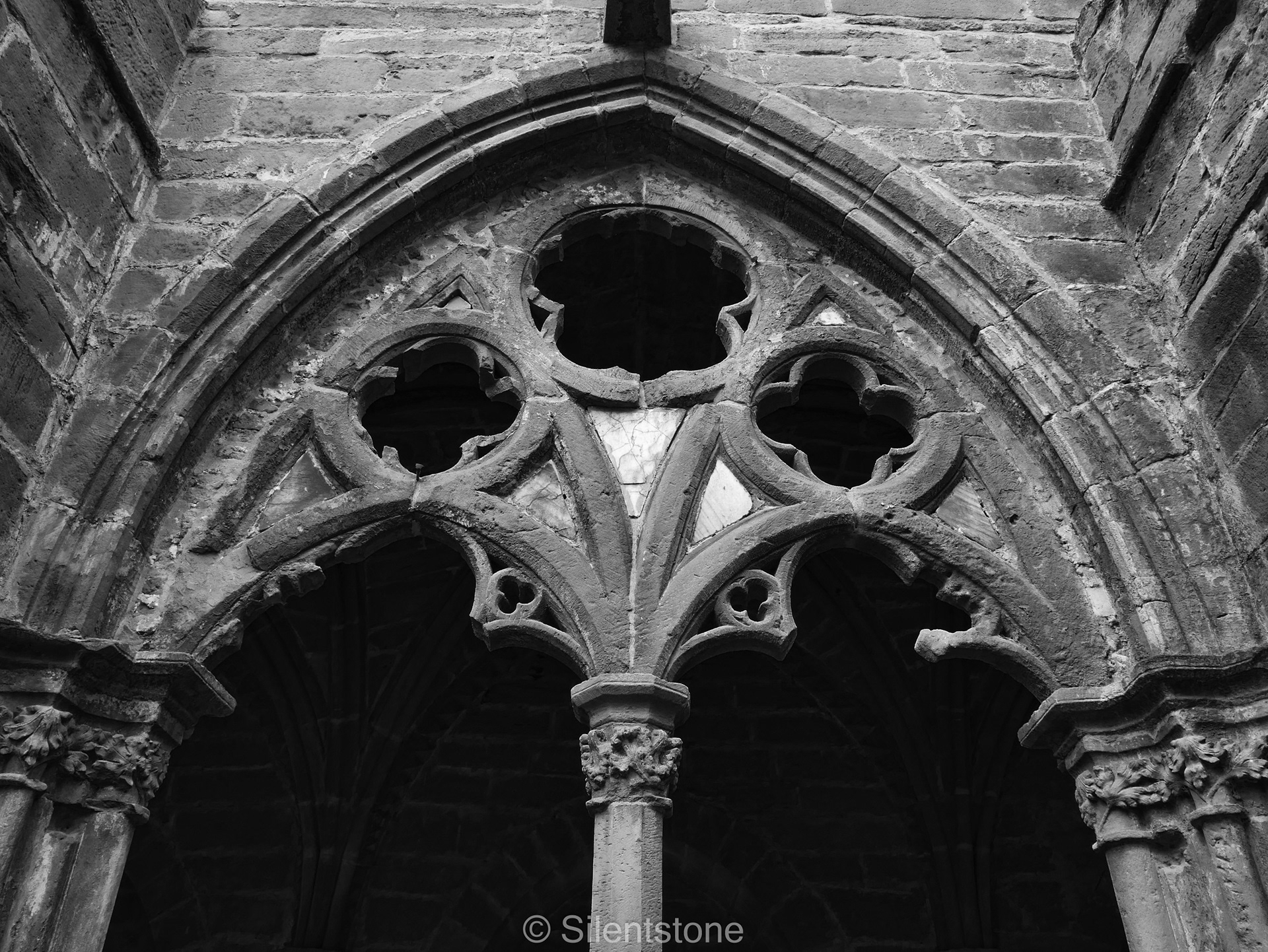
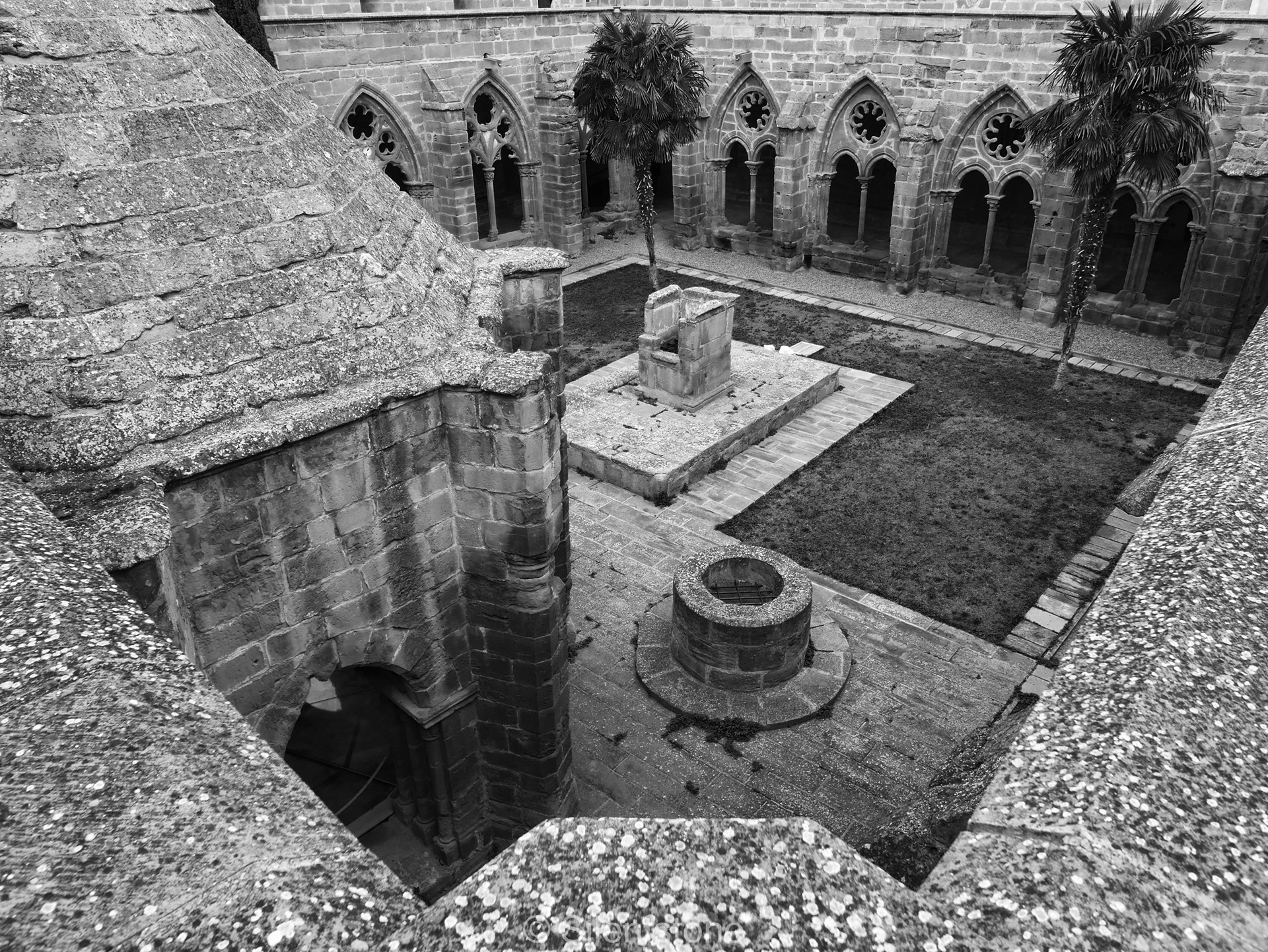
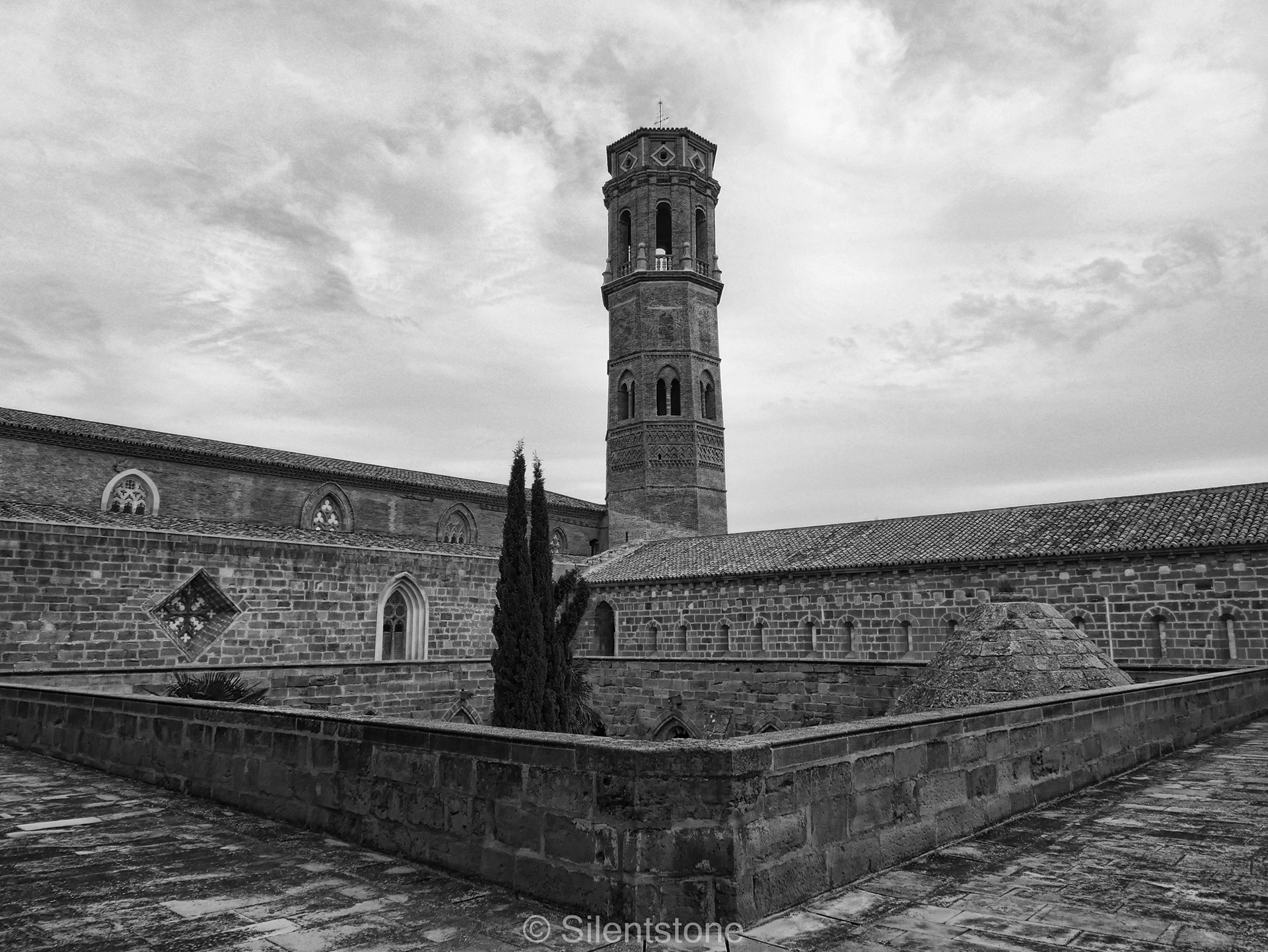
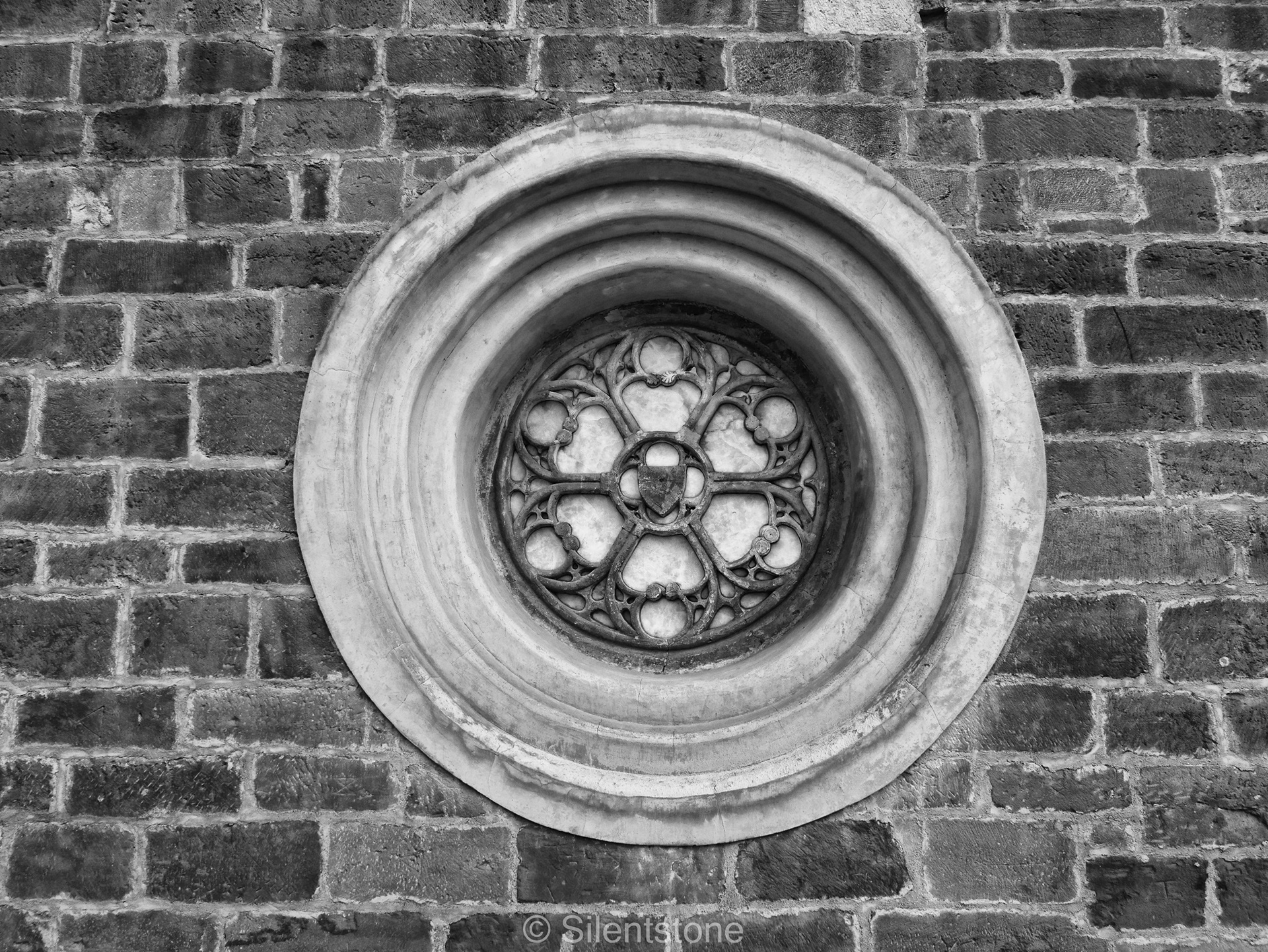
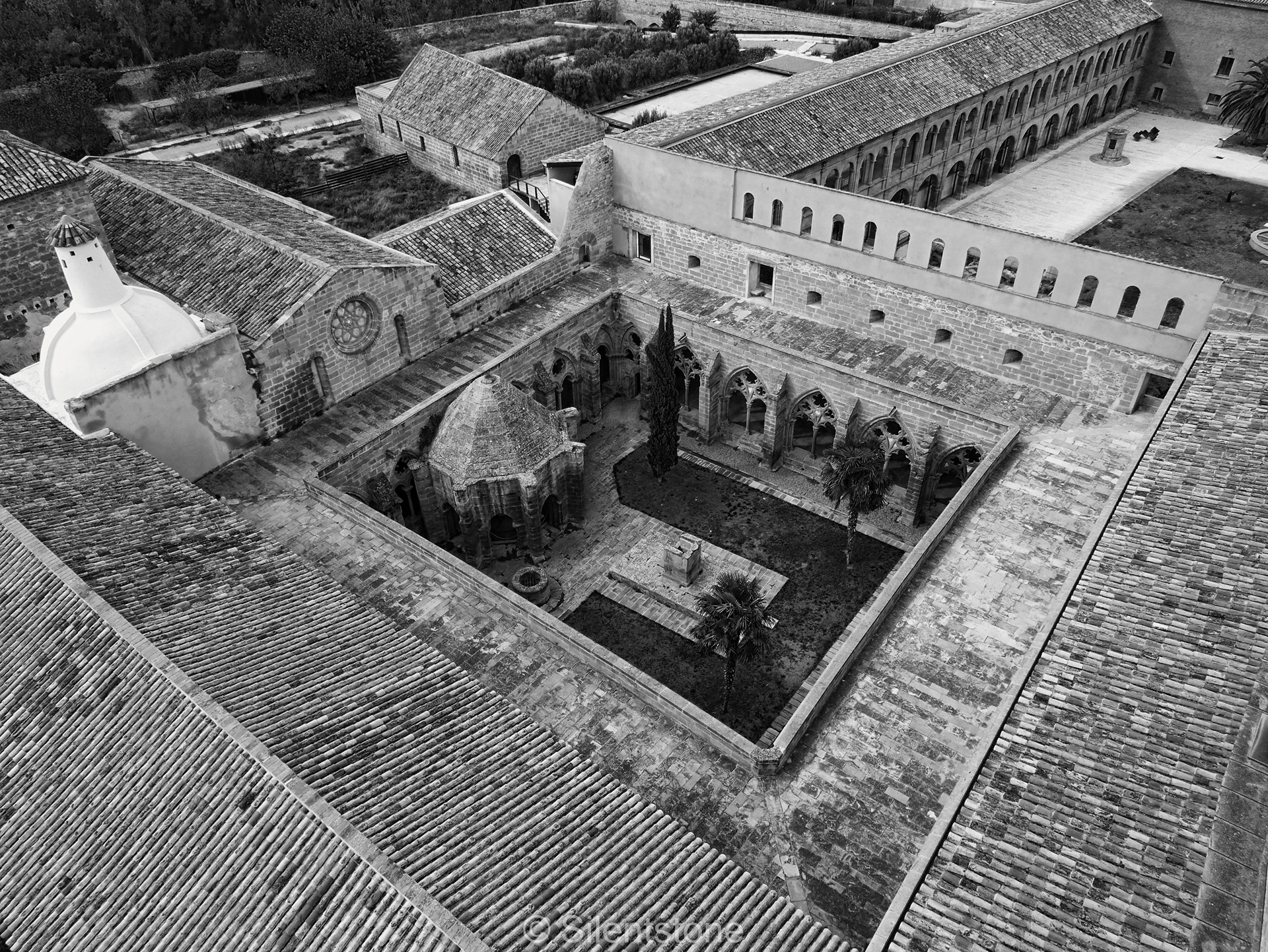
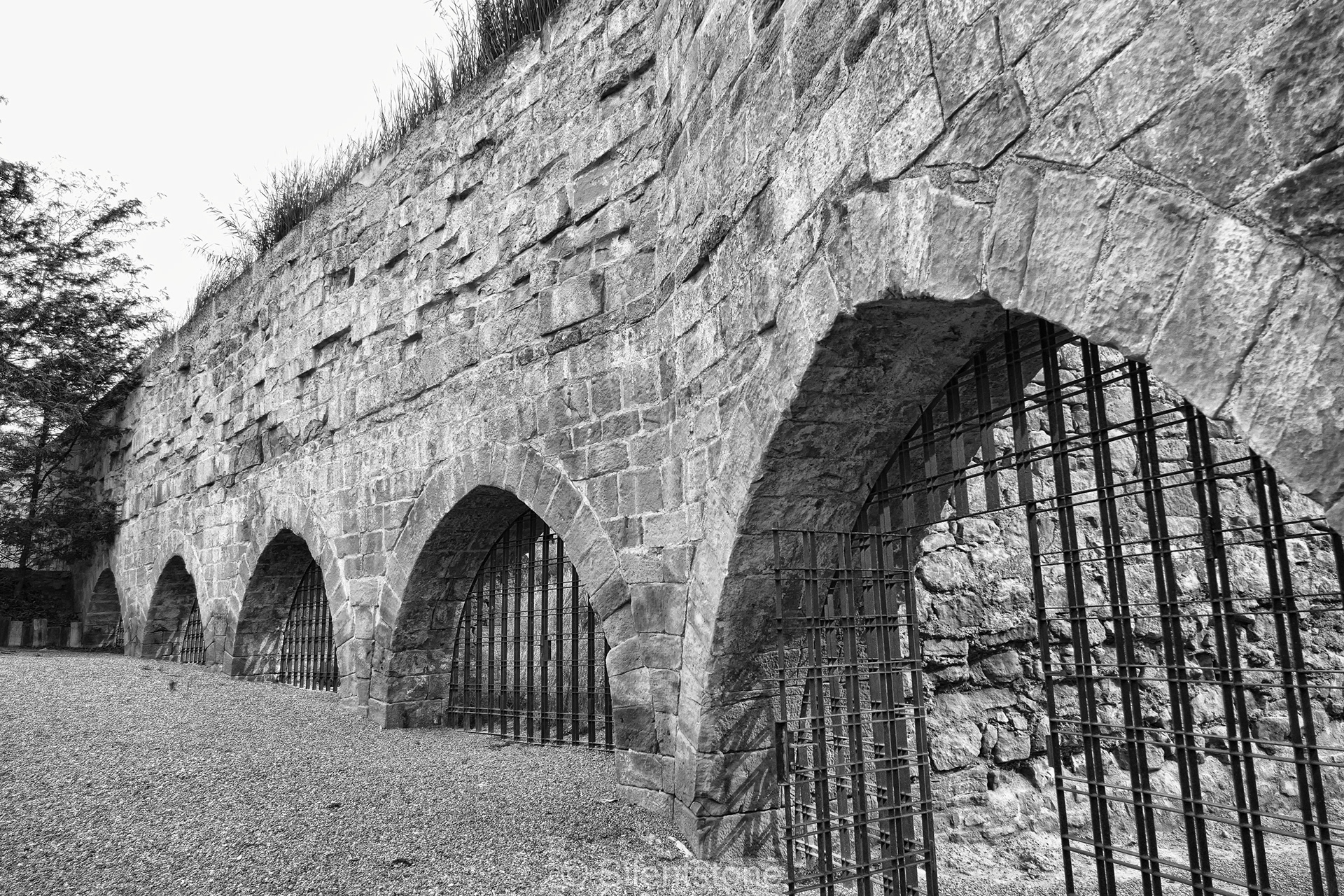
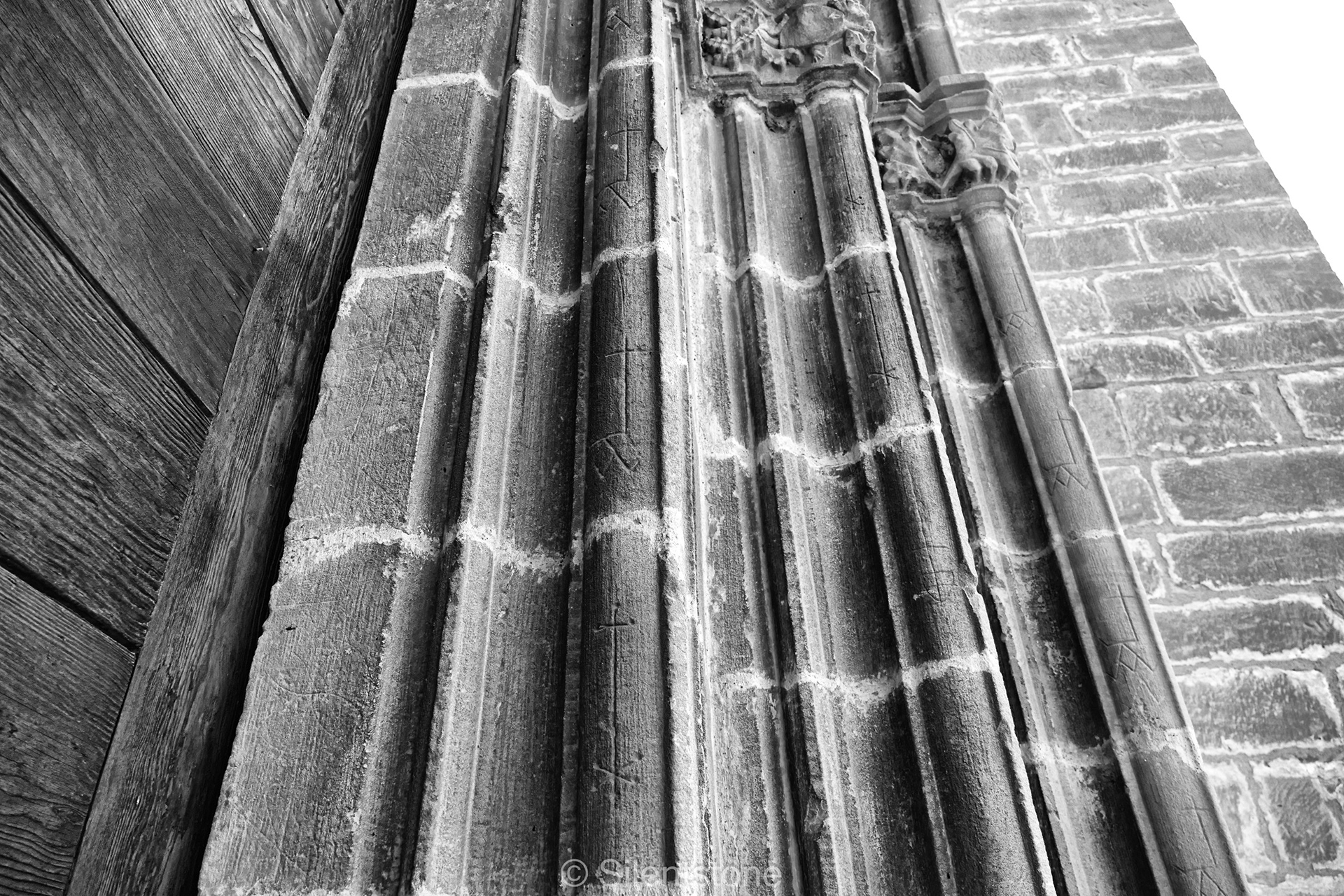
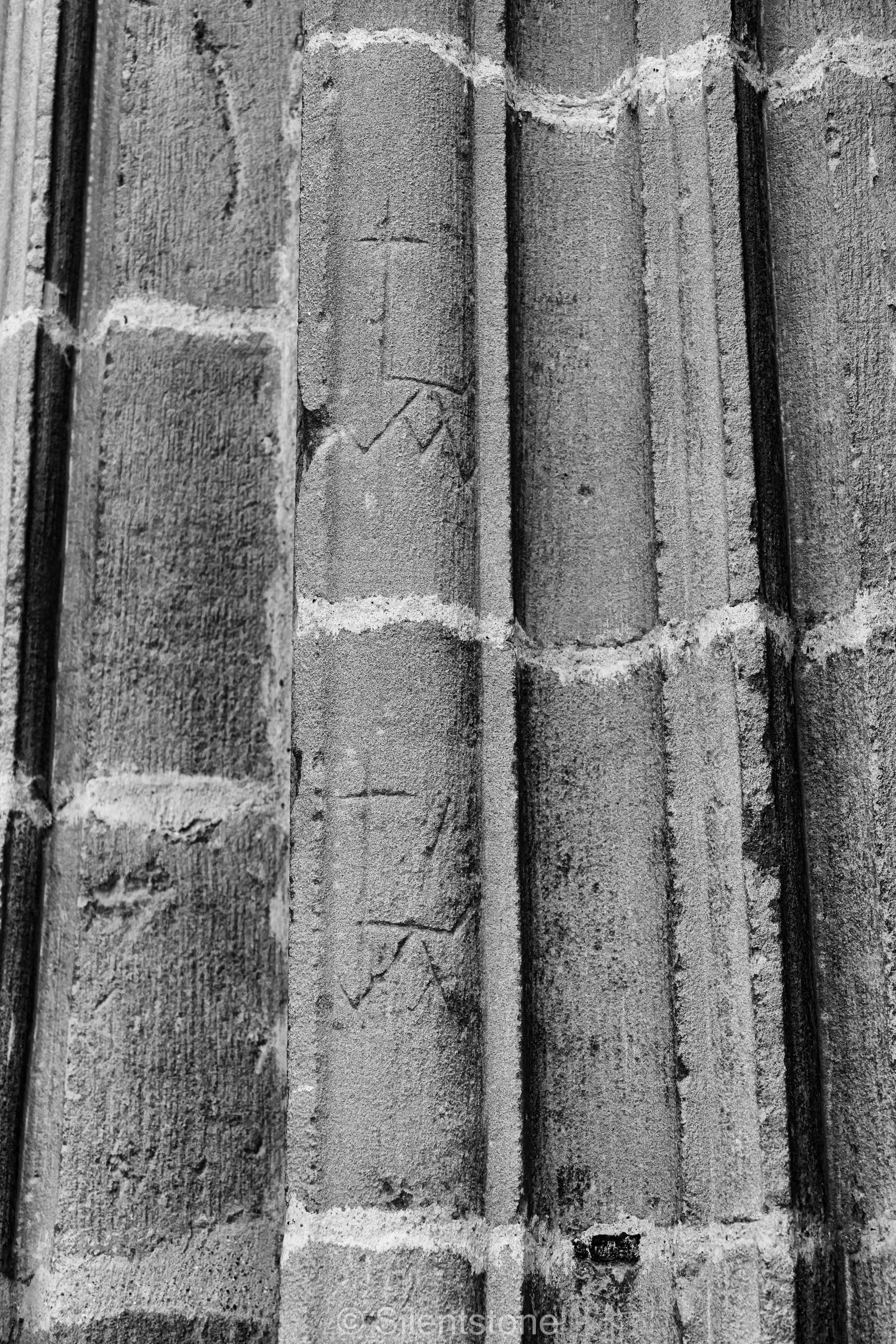
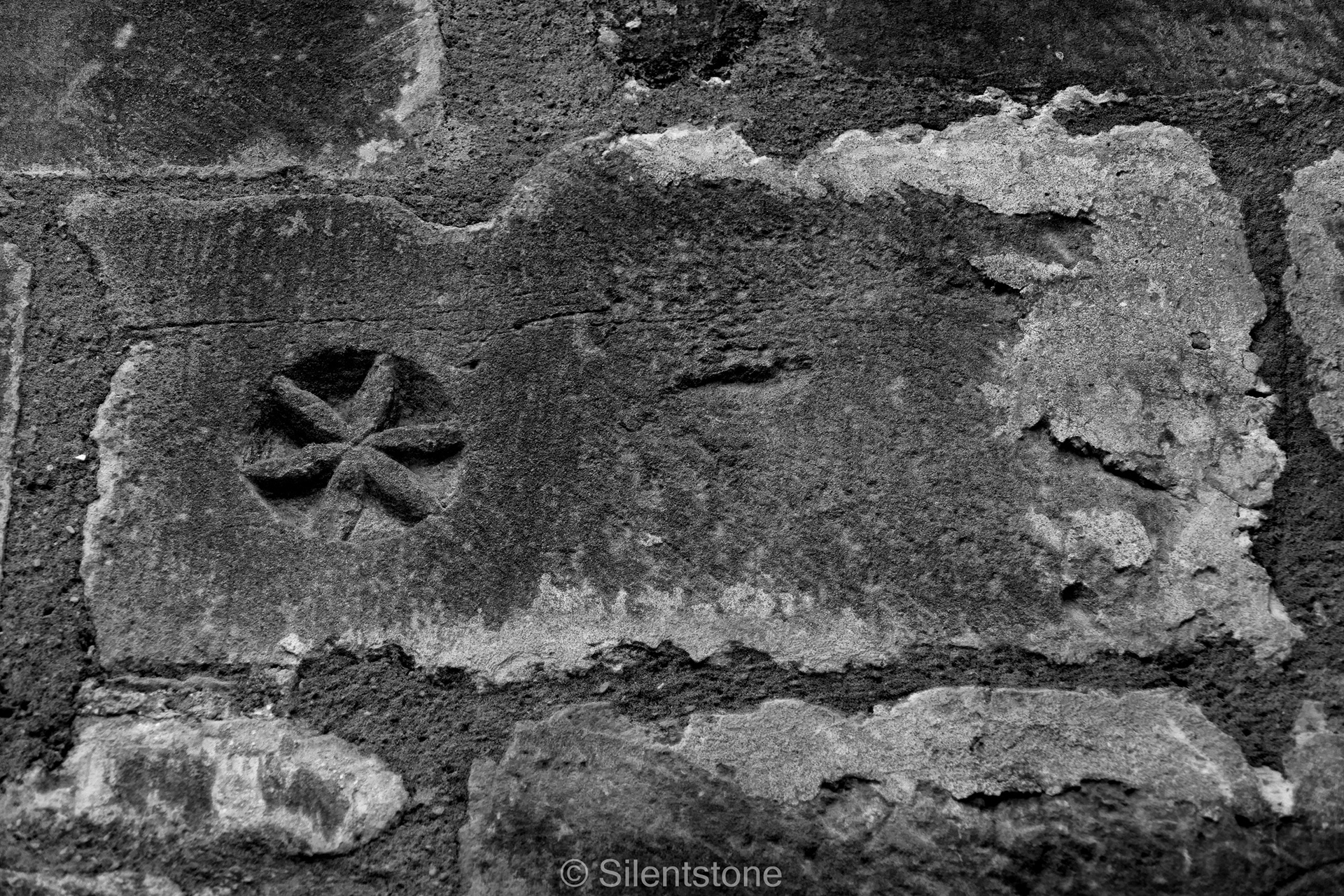
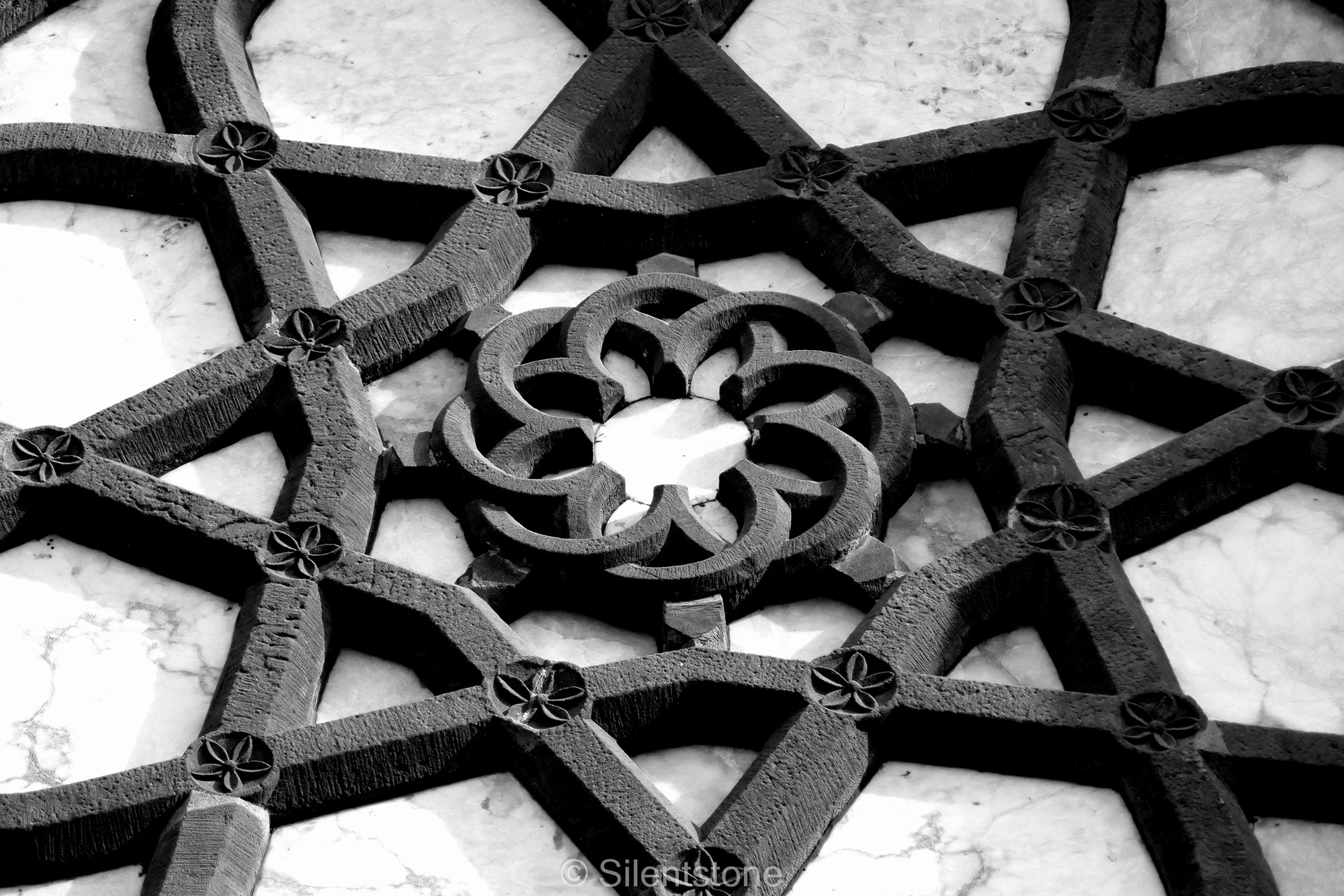
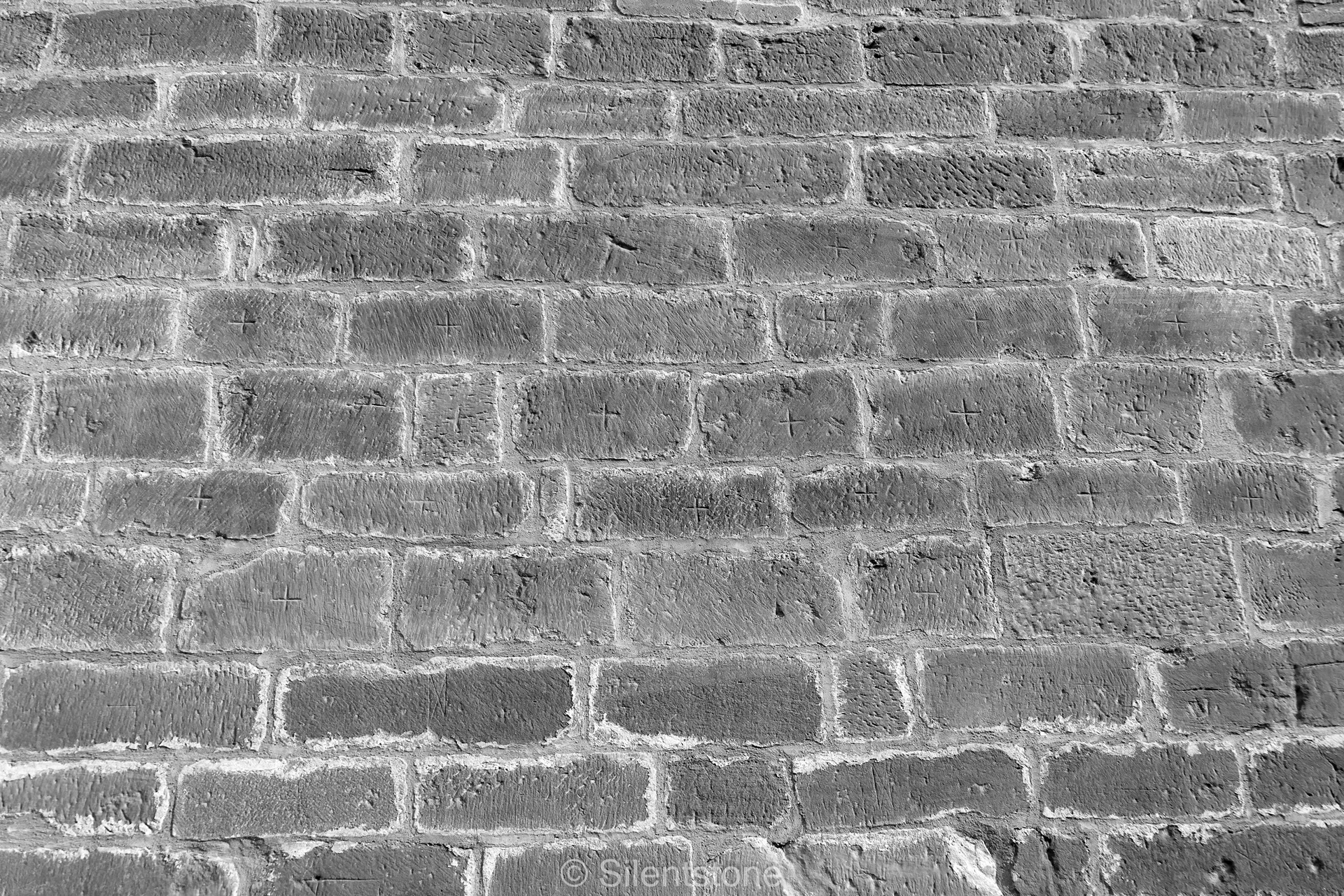
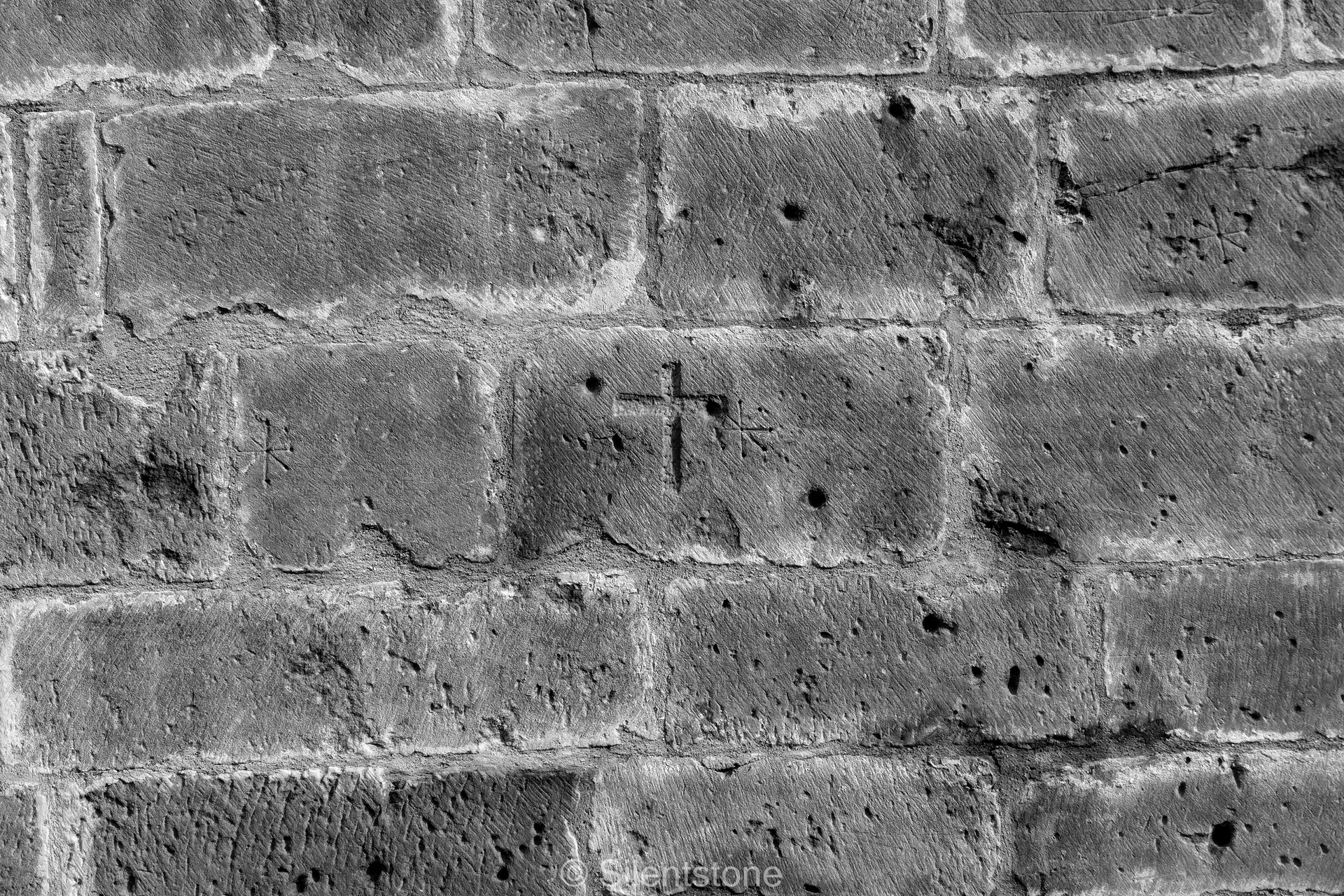
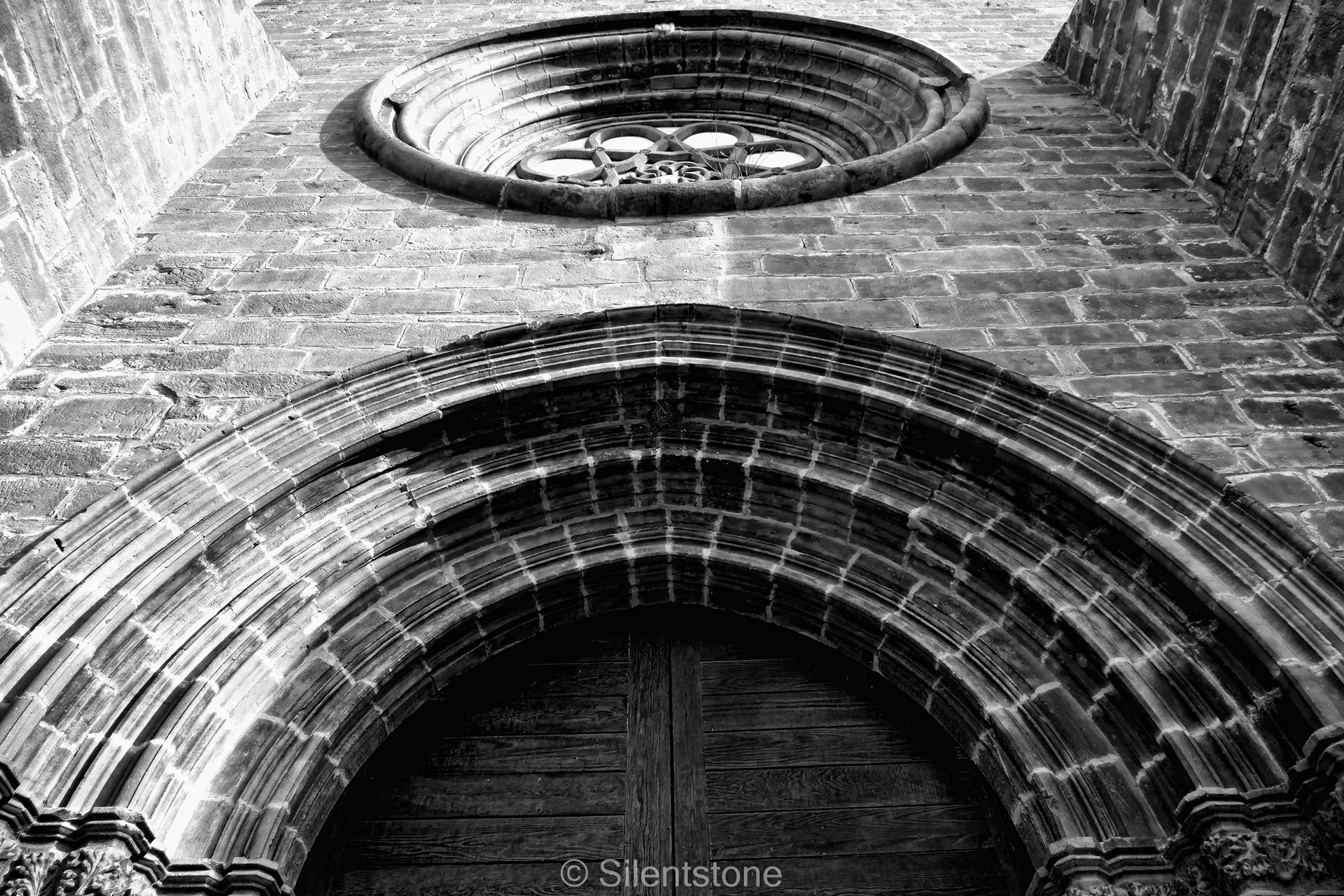
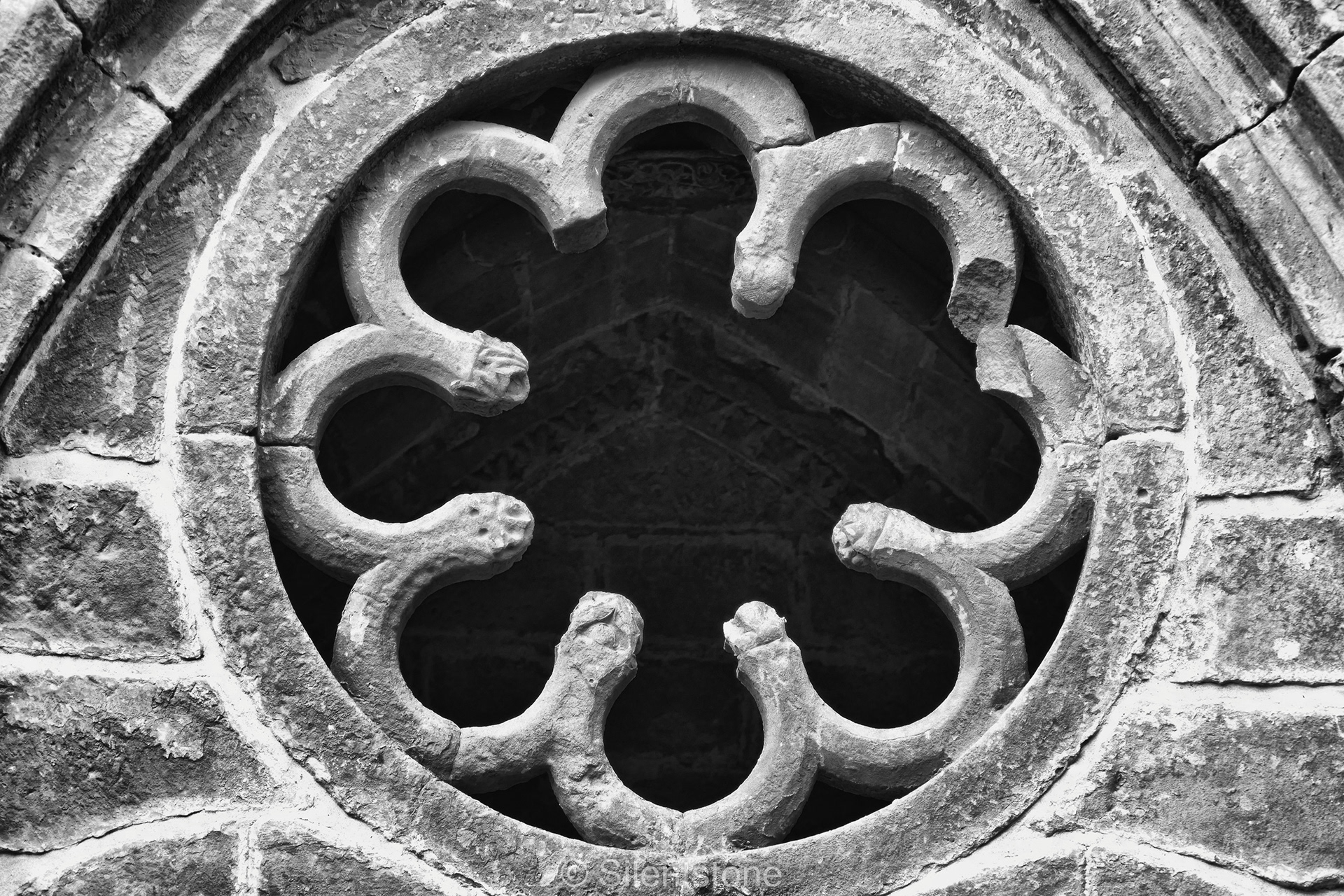
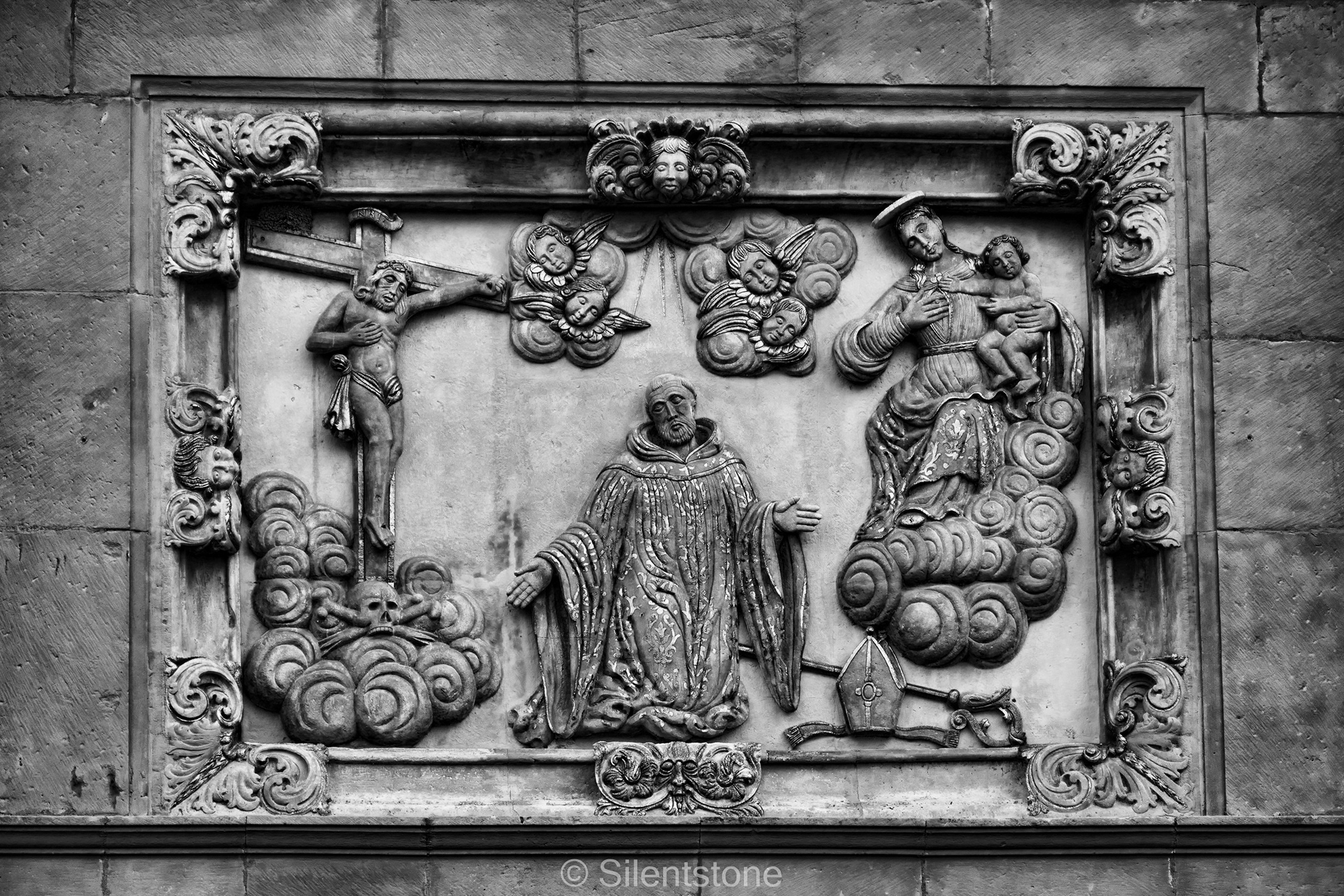
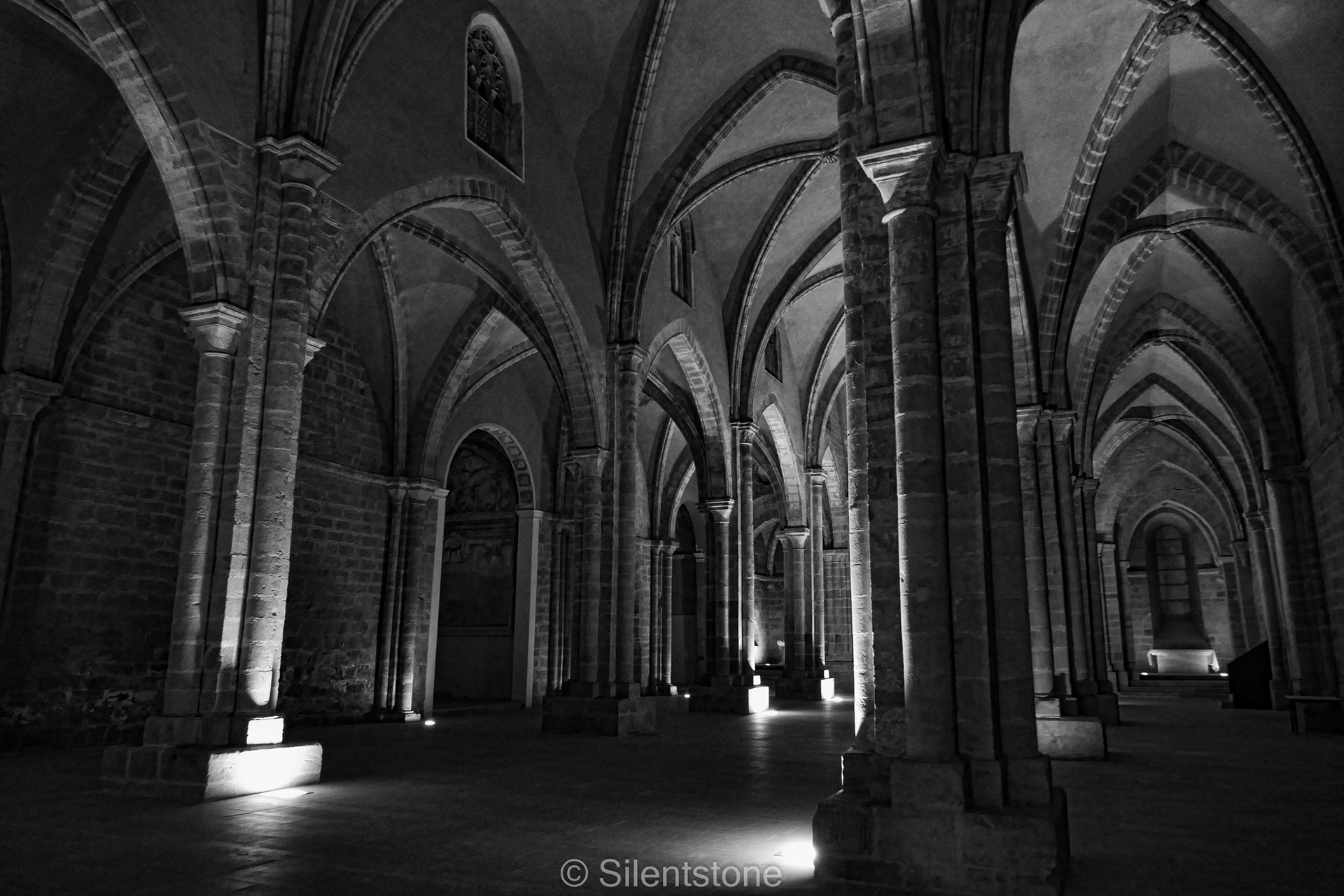
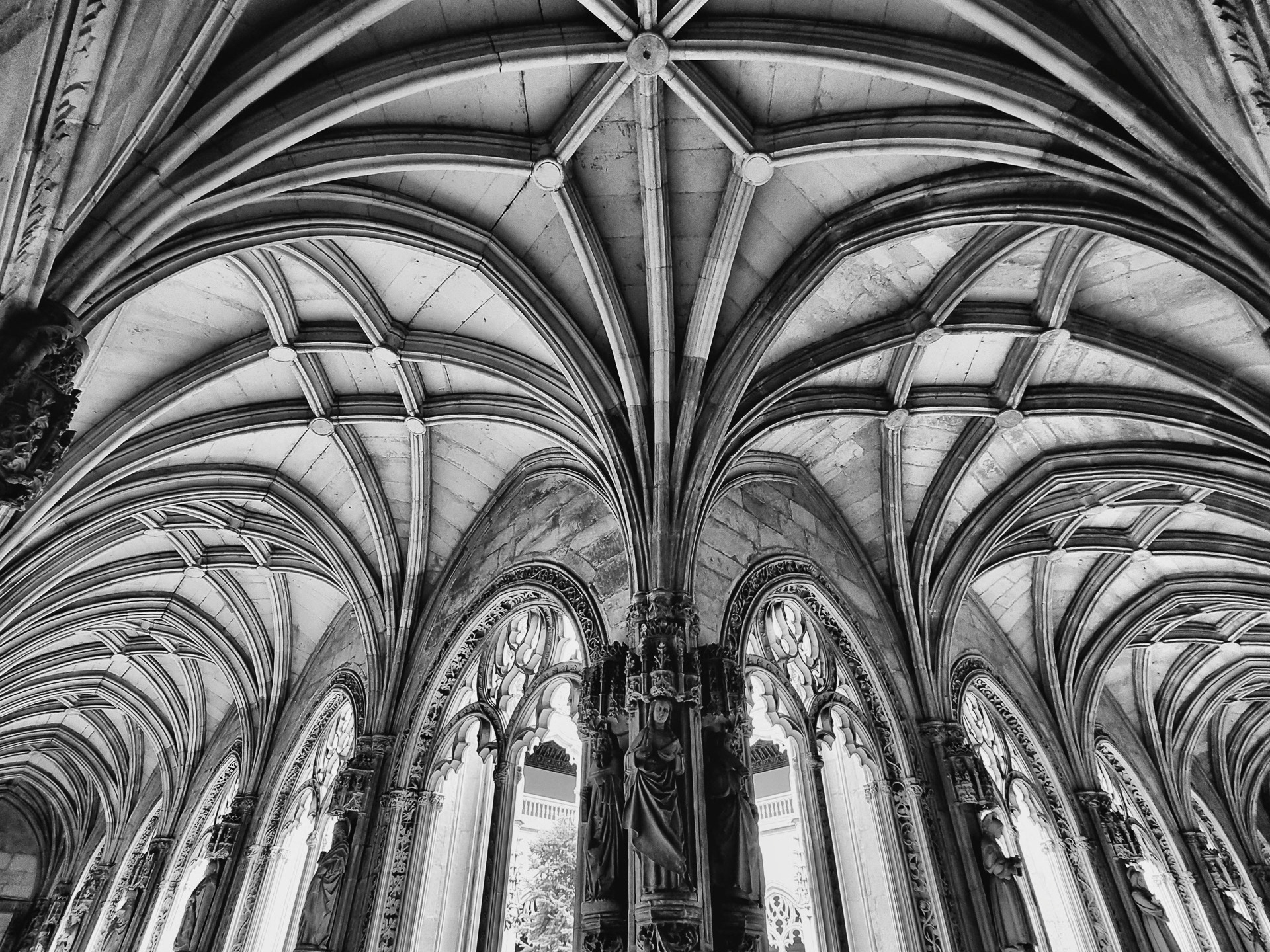
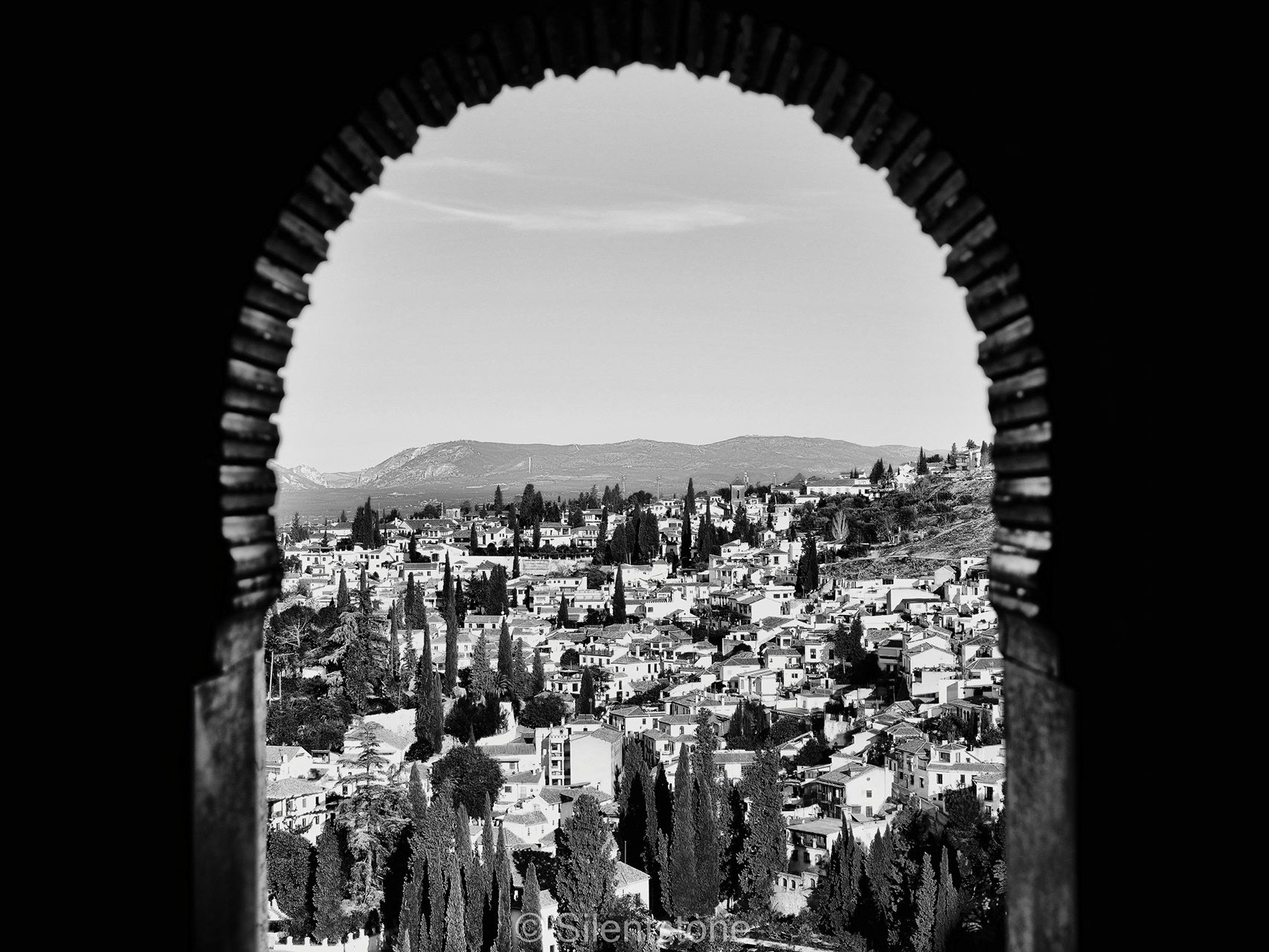
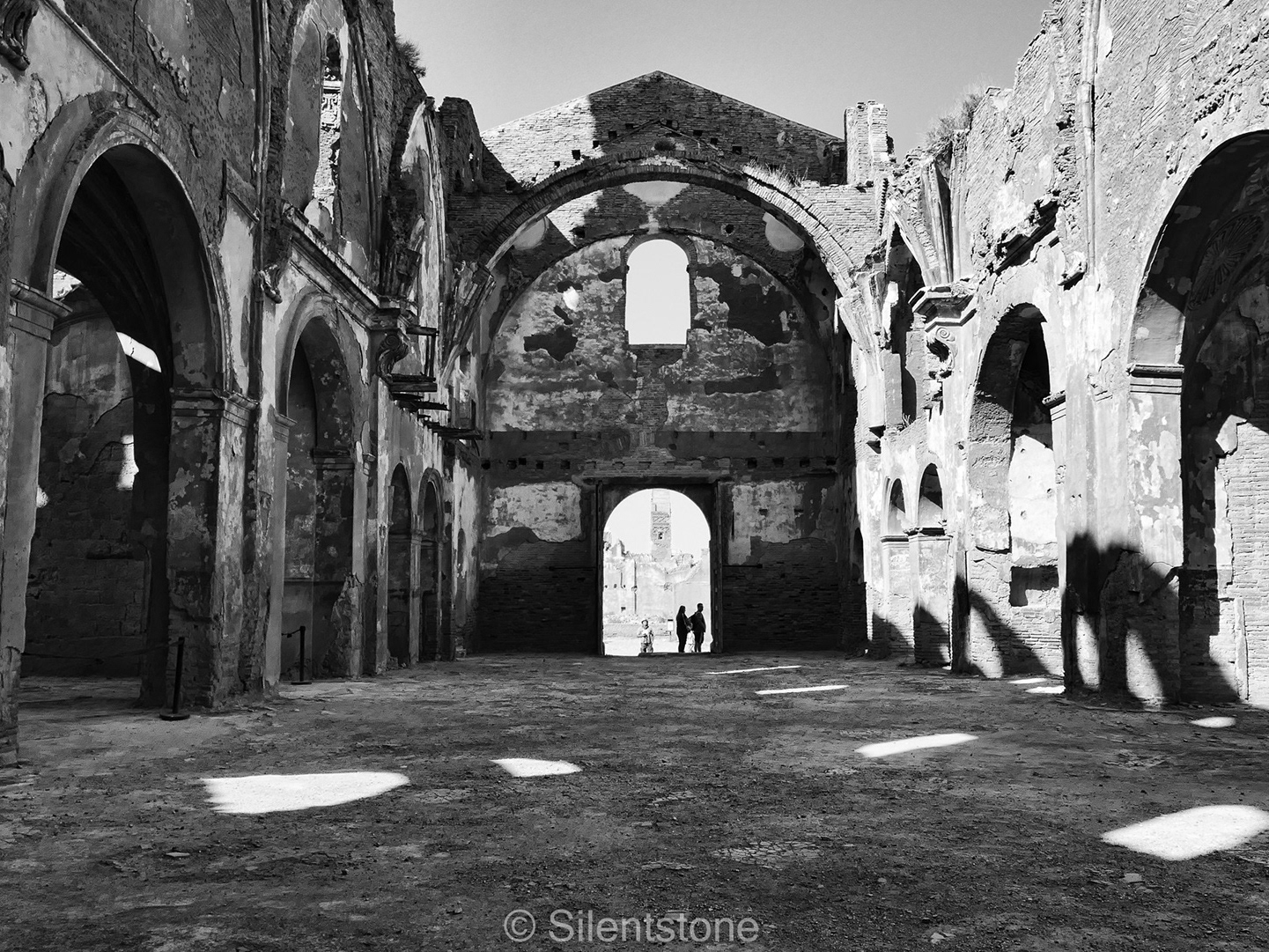
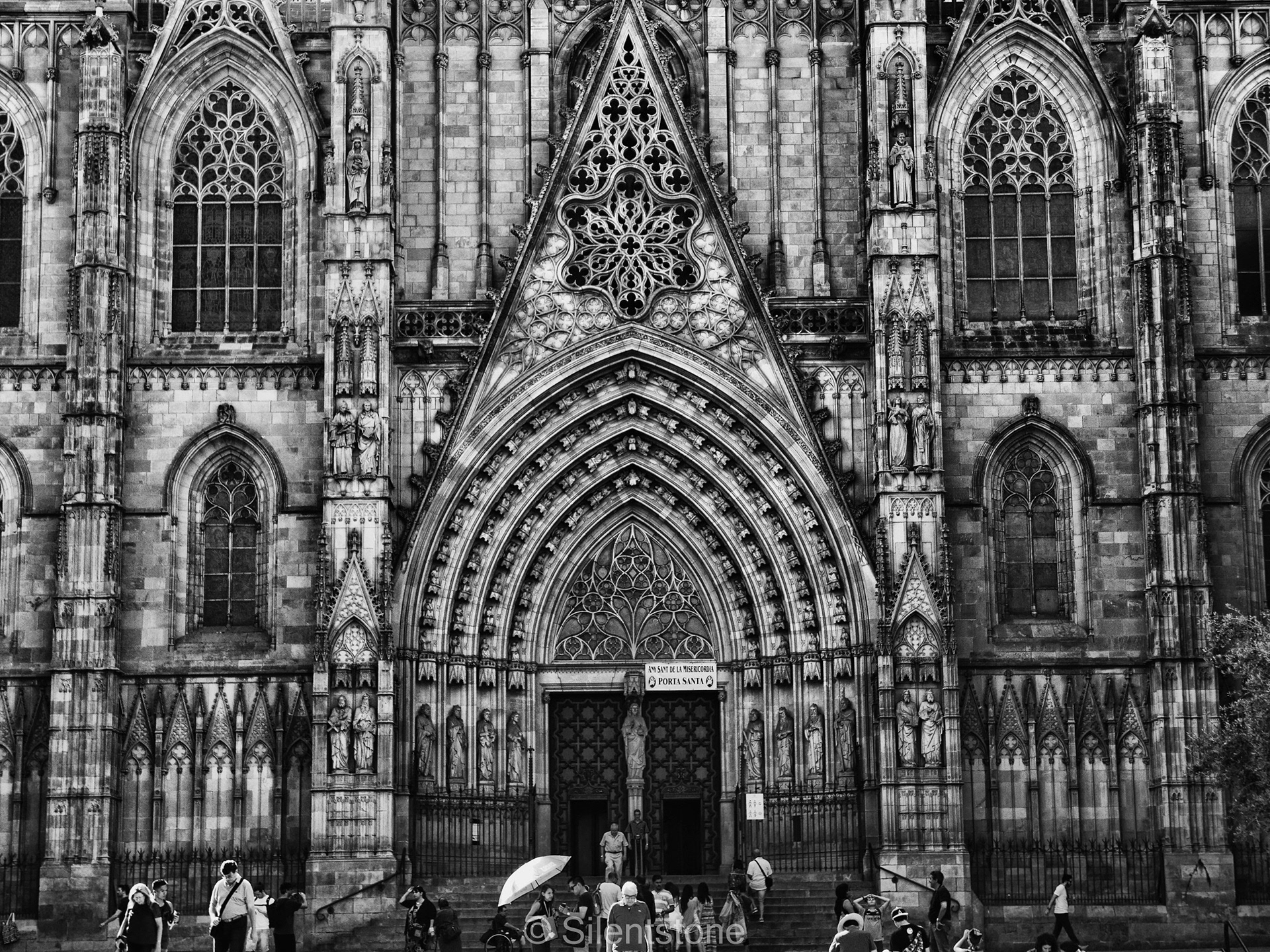
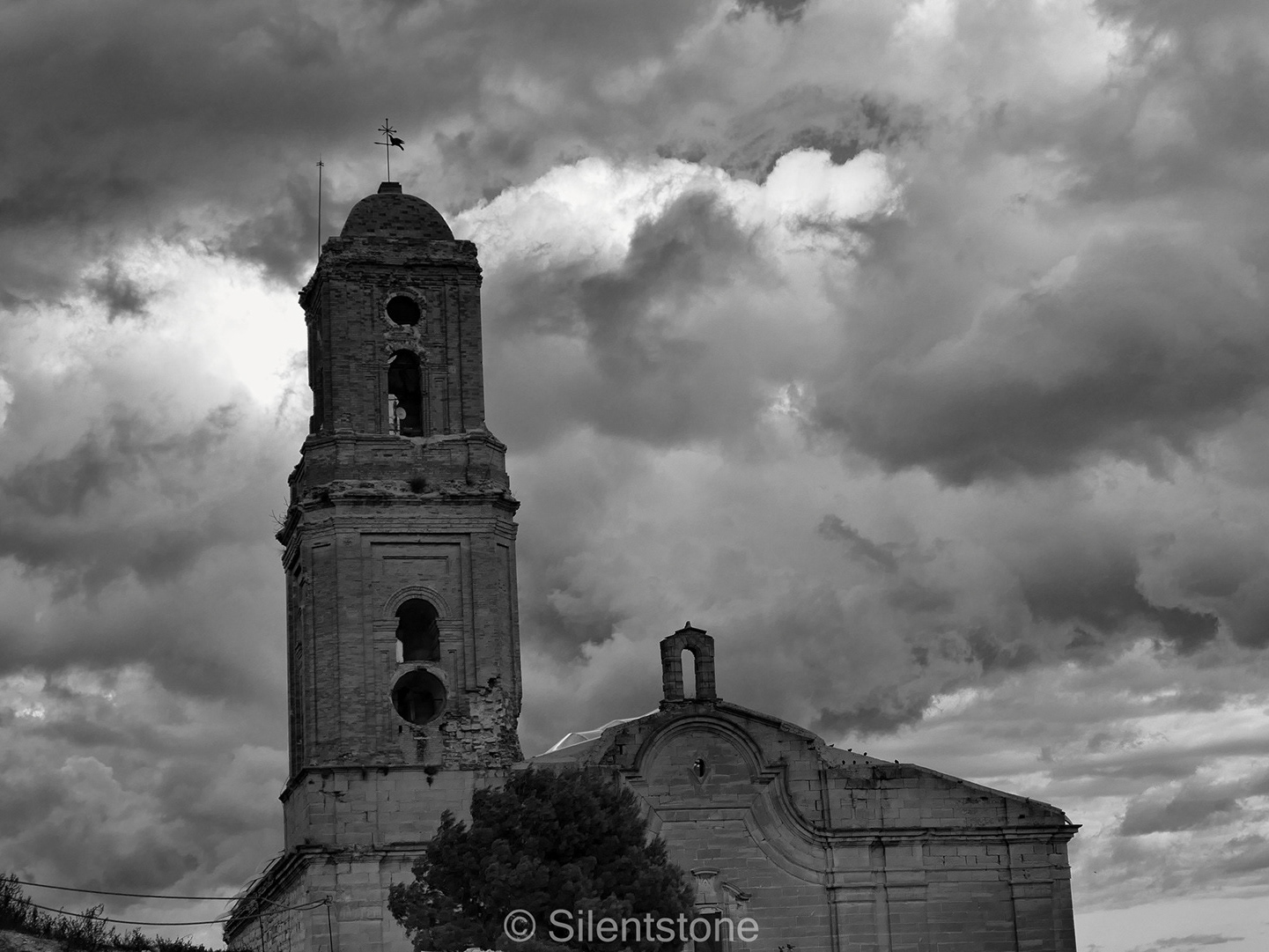
I chose to capture this monastery exclusively in Black and White because the soul of Rueda lies in its texture. Without the warmth of color, the focus shifts entirely to the rough grain of the stone, the sharp geometry of the shadows in the cloister, and the rhythmic repetition of the arches. The monochrome palette strips the building down to its spiritual essence, highlighting the contrast between the cold, solid walls and the ethereal play of natural light.
A Legacy of Water and Stone
The history of Rueda is inextricably linked to the landscape and the Cistercian pursuit of self-sufficiency:
Established in the 12th century, the monastery was a gift from Alfonso II of Aragon. The monks chose this secluded spot near the Ebro River to live a life of prayer and manual labor.
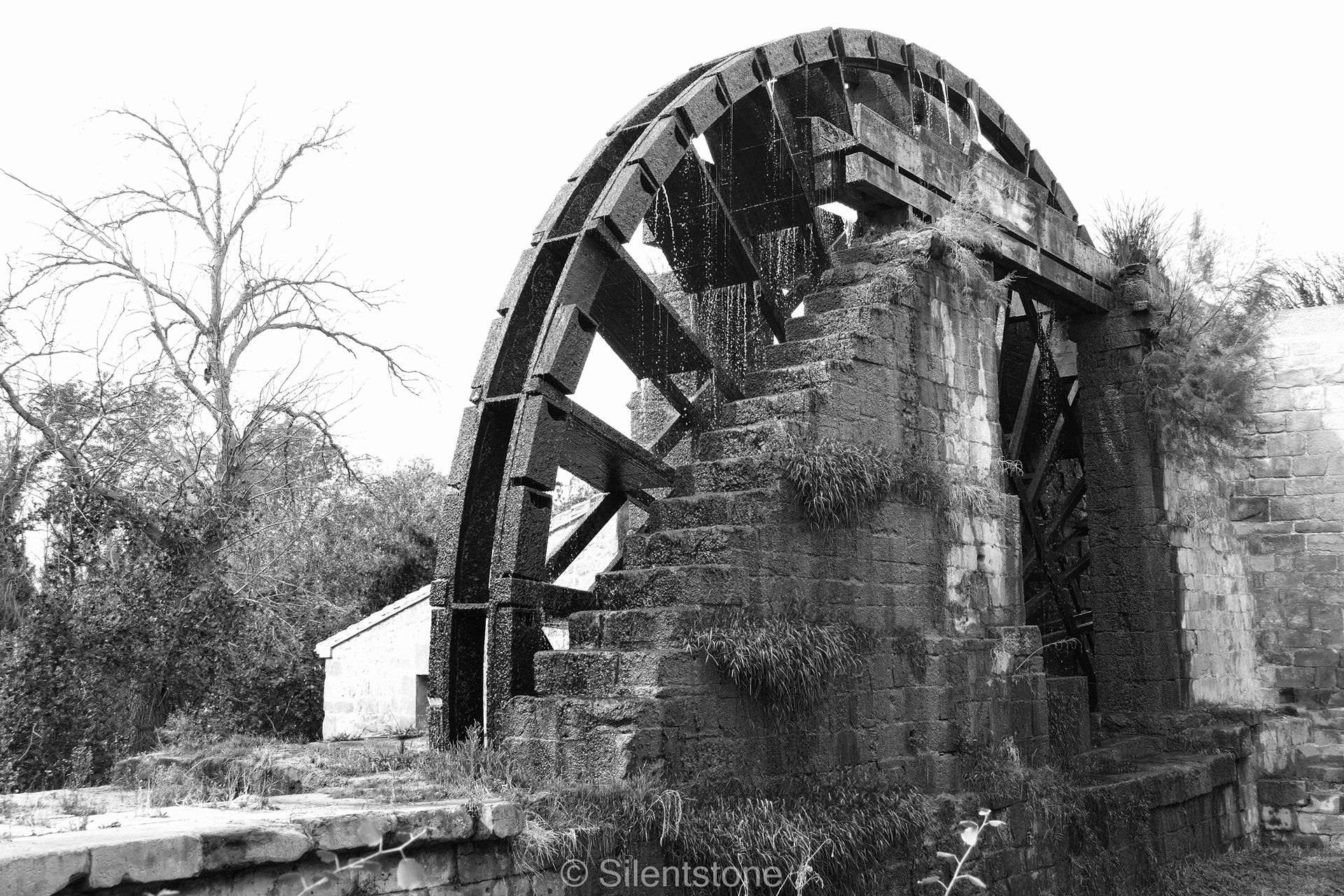
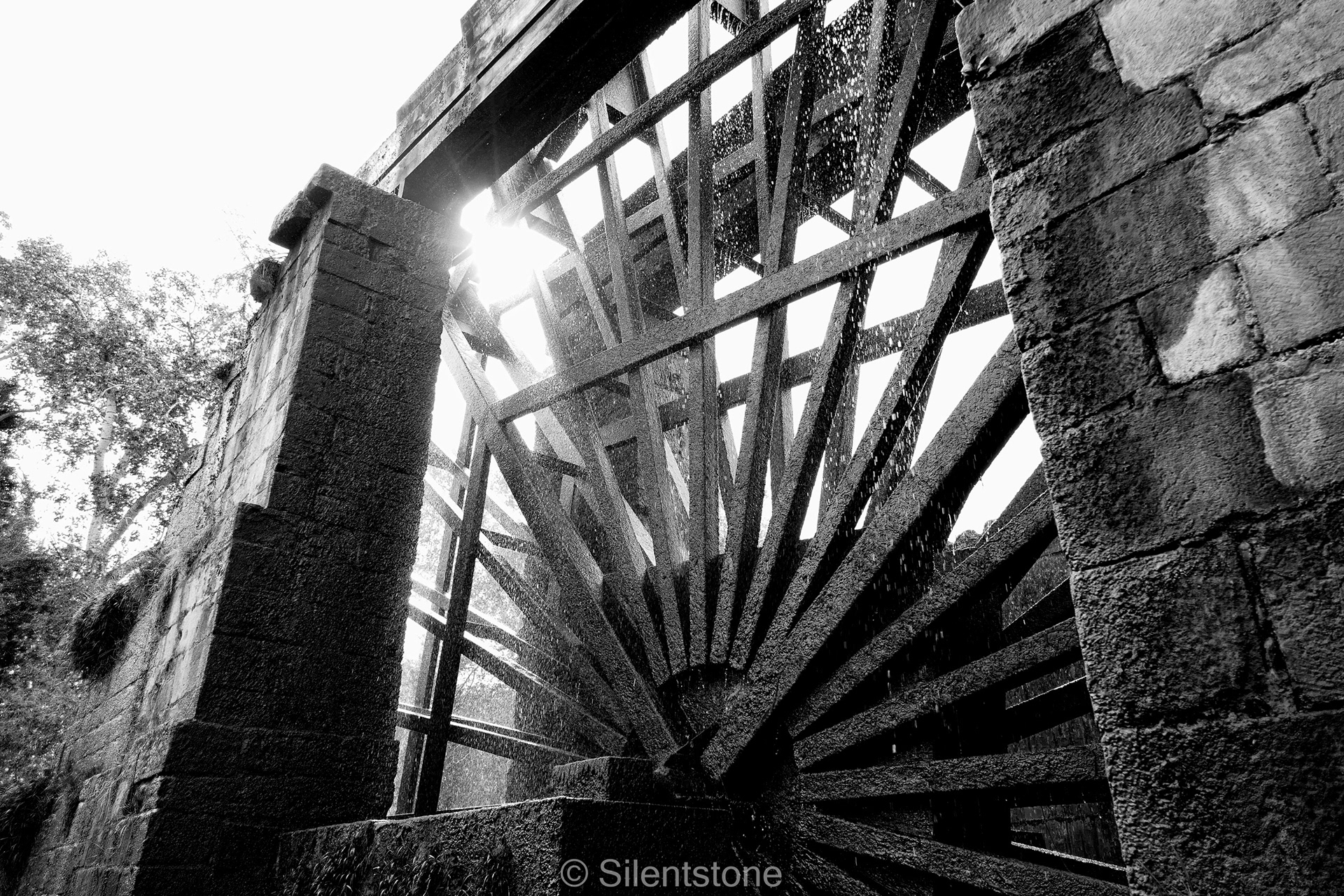
The monastery takes its name (Rueda meaning wheel) from the massive noria (water wheel). This 16-meter hydraulic masterpiece was used to divert the river’s flow to irrigate their lands and provide running water—a feat of medieval engineering that still inspires awe today.
Every hall, from the Chapter House to the Refectory, reflects the "Bernadine" style—stripping away all ornamentation to ensure that nothing distracts the mind from the divine.
Rueda is not just a monument; it is a landscape of silence where the stone itself speaks through its cracks and shadows.