Stone, Light, and Absolute Contrast
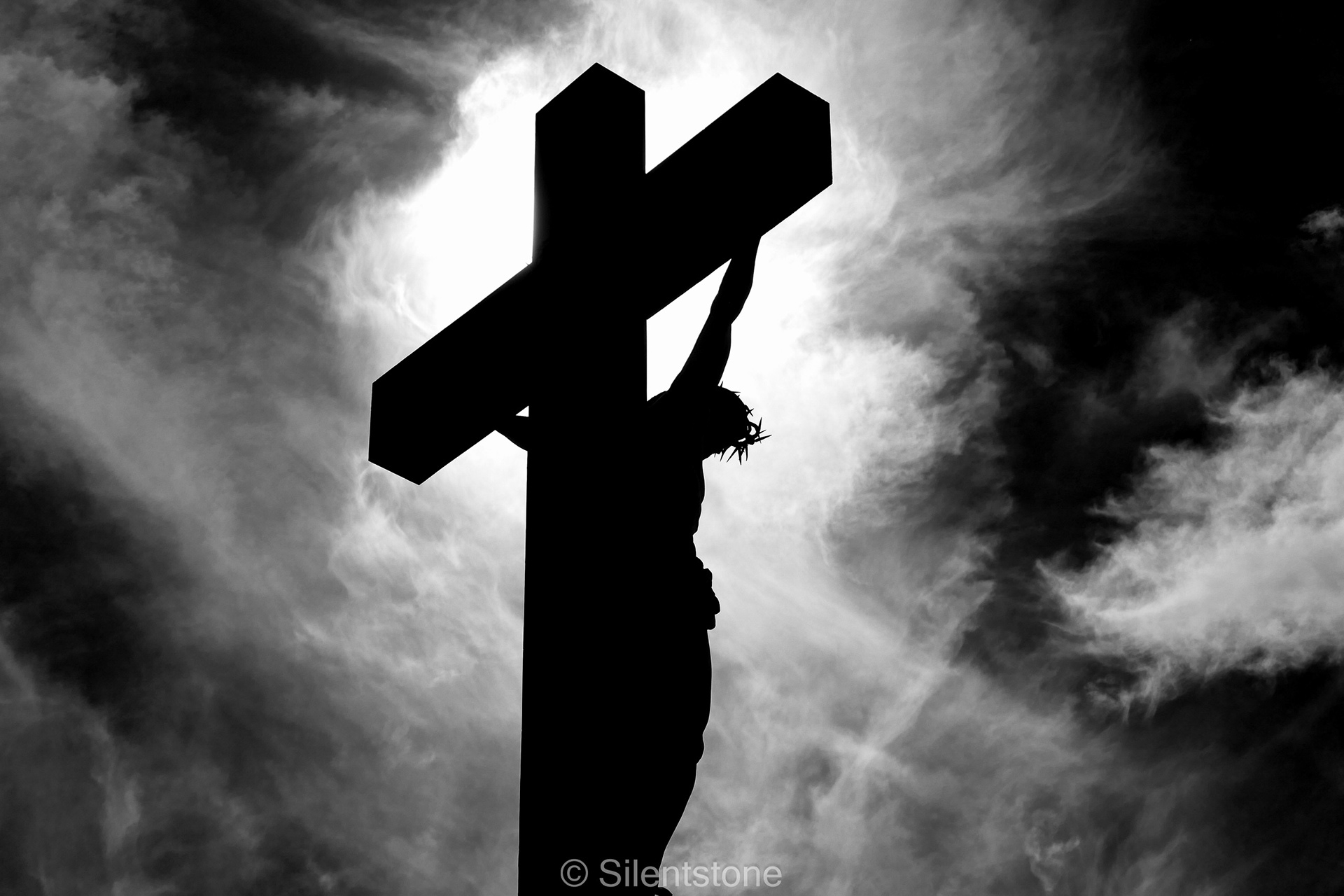
There is an intrinsic, almost mystical connection between centuries-old stone and high-contrast photography. When we stand before a structure like the Papal Palace in Avignon, we are not merely facing a building; we are before a silent witness to the ages. To capture its true essence, color often becomes a distraction; it is in the radical contrast of black and white where architecture reveals its authentic voice.
The Anatomy of Stone
Ancient architecture, especially the Gothic and Romanesque styles, was designed to play with natural light. The master builders of the Middle Ages did not just stack stones; they sculpted shadows. By applying maximum contrast to our photography, we are, in essence, paying homage to that original intent.
The benefits of this technique are both aesthetic and narrative:
Extreme contrast accentuates every mark of erosion, every vein in the marble, and every scar on the granite. As the art critic John Ruskin once said: "Architecture is the chronicler of nations." Black and white highlights these wrinkles of time, allowing the stone to tell its story of survival.
By removing chromatic distractions, the structure is reduced to its pure geometry. Arches, ogives, and buttresses regain their original drama, transforming into silhouettes of almost telluric power.
High contrast evokes conflict. In the case of Avignon, the pure white against absolute black symbolizes the duality between spiritual power and earthly intrigue—between the light of faith and the shadow of the betrayal of the Templars.
The Benefit of Visual Silence
In a world saturated with hyper-realistic and vivid imagery, high-contrast black and white offers a necessary "visual silence." It compels the viewer to pause, to decipher the volumes, and to feel the weight of gravity upon the walls.
As the great architect Le Corbusier stated: "Architecture is the masterly, correct, and magnificent play of masses brought together in light." By pushing contrast to its limit, we are not just taking a photograph; we are participating in that play, deciding that the shadow should be as much a protagonist as the light
The Silent Witness: Photography as a Bridge to Eternity
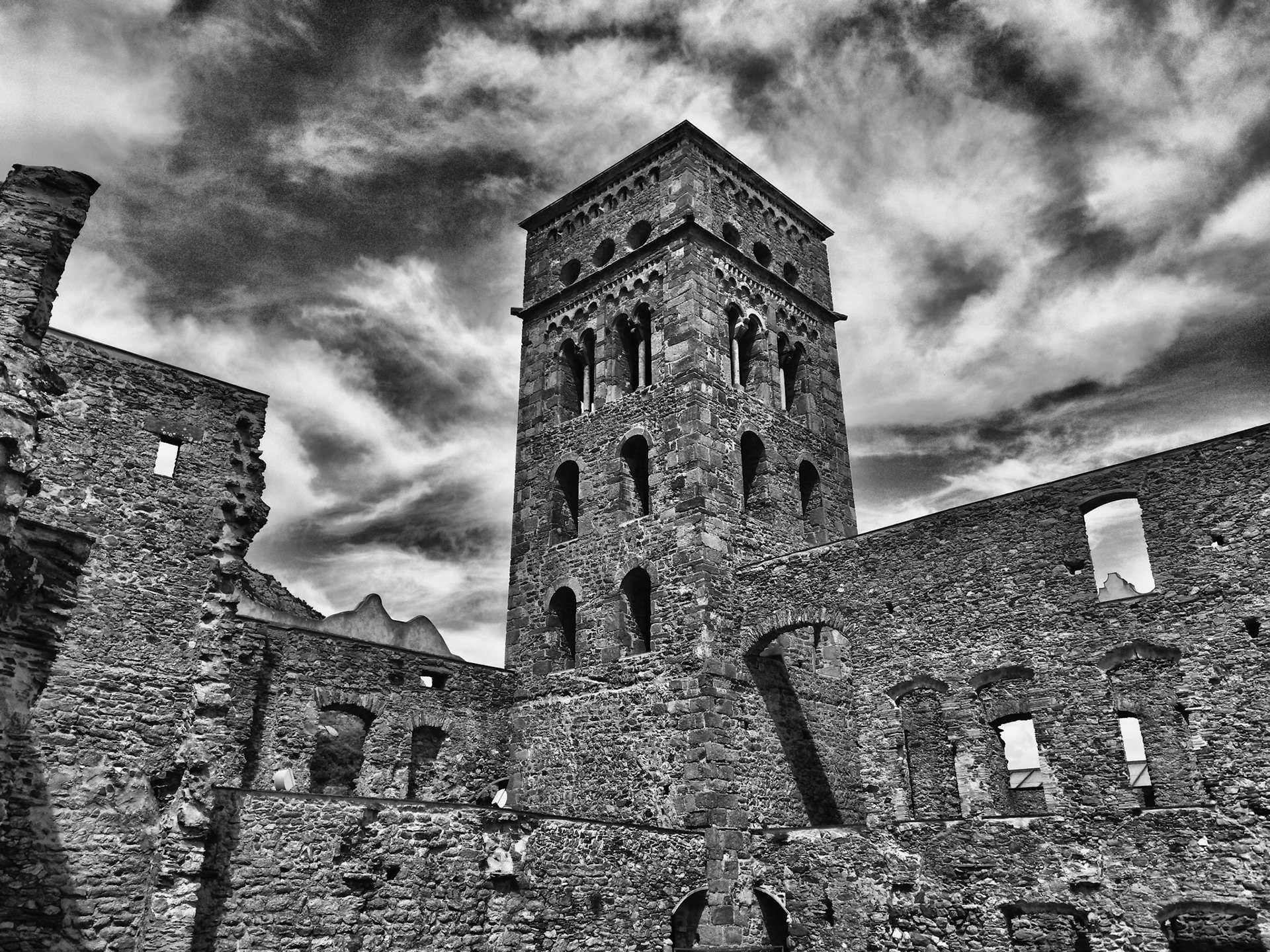
When I position my tripod in front of an ancient stone wall, I am acutely aware that I am standing before a witness to history. These structures—monasteries, cathedrals, and fortresses—have breathed for hundreds, sometimes thousands of years. They have seen the rise and fall of empires, the change of seasons across centuries, and the passing of countless lives. There is a profound wisdom embedded in their foundations; they are silent libraries of human experience, and as a photographer, I feel the weight of their need to tell us what they have seen.
Ancient architecture possesses a unique form of consciousness. Through the cracks in the mortar and the erosion of the stone, these buildings attempt to communicate the stories of those who built them and those who sought refuge within them. My photographs are not just images of buildings; they are attempts to translate that ancient language into a visual form. I see myself as a medium, capturing the "voice" of the stone so it can speak to the modern world, reminding us of where we come from and the resilience of the human spirit.
There is a humbling perspective that comes with this work: the realization of our own transience. We are fleeting visitors in the presence of these monuments. Long after we have turned to dust, these stones will remain, standing as tall and dynamic as the day they were first placed. They do not belong to our time; we simply occupy a small fragment of theirs. By photographing them, I am documenting something that transcends the human lifespan—an endurance that is both intimidating and deeply comforting.
Capturing these structures in black and white is my tribute to their immortality. It strips away the "fashion" of the present day, aligning the image with the timeless nature of the subject itself. I photograph ancient architecture because I am fascinated by this dialogue between the ephemeral and the eternal. I want my images to reflect that strength: the idea that while we are only passing through, the spirit of these stones continues to live, watching the world change while they remain, forever silent and forever wise.
The Architecture of Light: Patience and Contrast
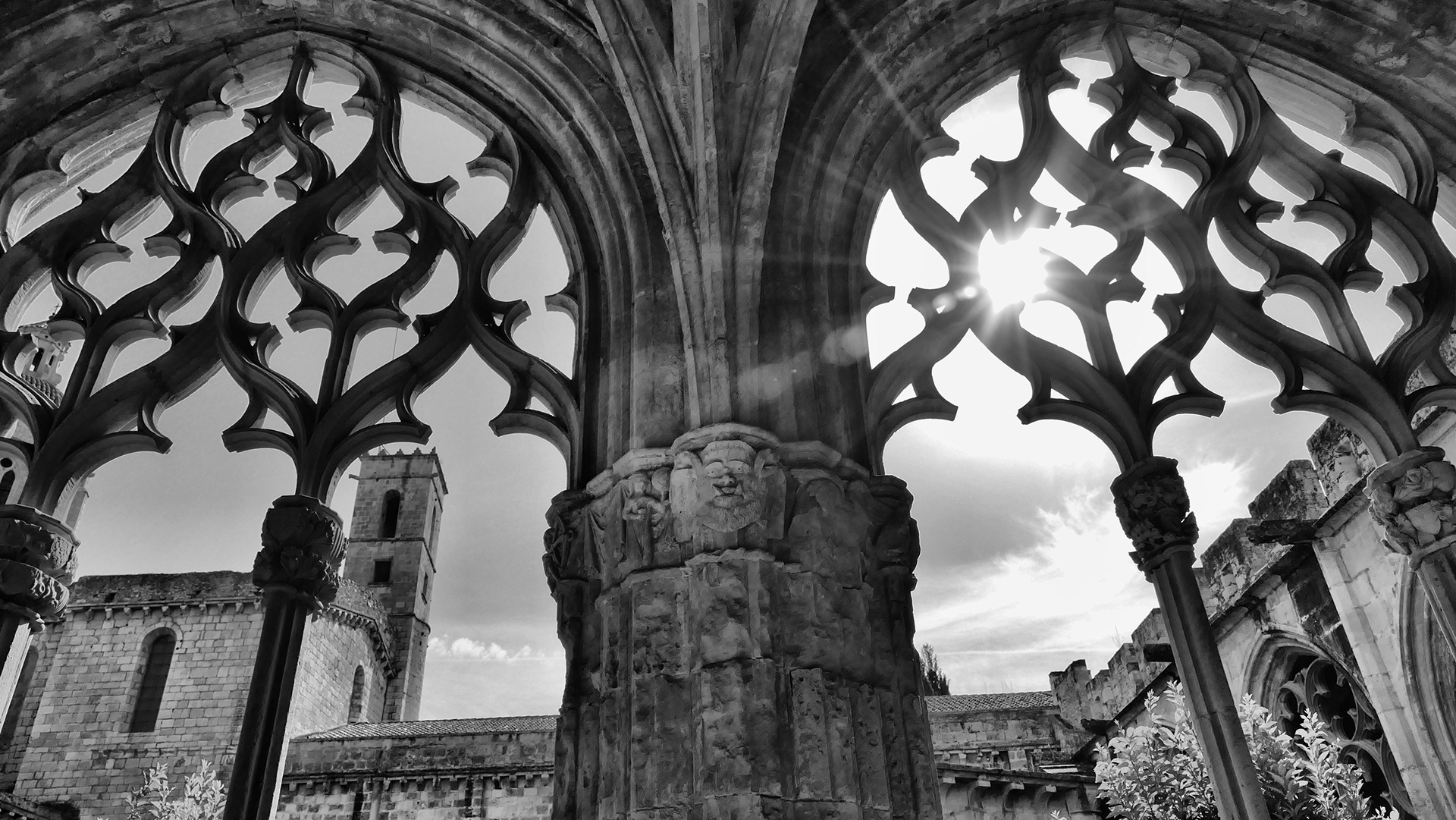
Black and white photography is far more than the absence of color; it is the study of light in its purest form. When I photograph ancient structures, I am not just looking at stone and mortar; I am looking at how the sun interacts with volume. This process requires a technical understanding of tonal range—how to balance the deepest blacks with the brightest highlights to create a three-dimensional feel on a two-dimensional surface. Without color to guide the eye, contrast becomes the primary tool for defining shape and depth.
However, the most important tool in my kit isn't my lens or my sensor; it is patience. Achieving the perfect shot often means arriving at a location hours before the shutter clicks. I have to wait for the Earth to rotate until the sun reaches the exact angle where the light "sculpts" the architecture. It is about watching how a shadow creeps across a Romanesque arch or how a sudden beam of light reveals a hidden texture in a wall. In this wait, there is no boredom, only a deep, meditative calm.
This "slow photography" allows me to truly understand the space. You cannot master contrast if you do not first respect the shadows. In monochrome, shadows are not just empty dark spaces; they are structural elements that provide weight and mystery. Understanding how a harsh midday sun creates dramatic, sharp edges versus how the soft light of dawn reveals subtle gradients is essential. It requires a technical eye to predict how these intensities will translate into a final print.
In a world addicted to instant gratification, the necessity of waiting for the right light is a rebellious act. It is a commitment to quality over quantity. By the time I take the photograph, I have already "built" the image in my mind through hours of observation. This technical discipline, combined with the stillness of the wait, is what allows me to transform a physical building into a visual poem of light and shadow.
The Wisdom of the Stones: Why Ancient Architecture?
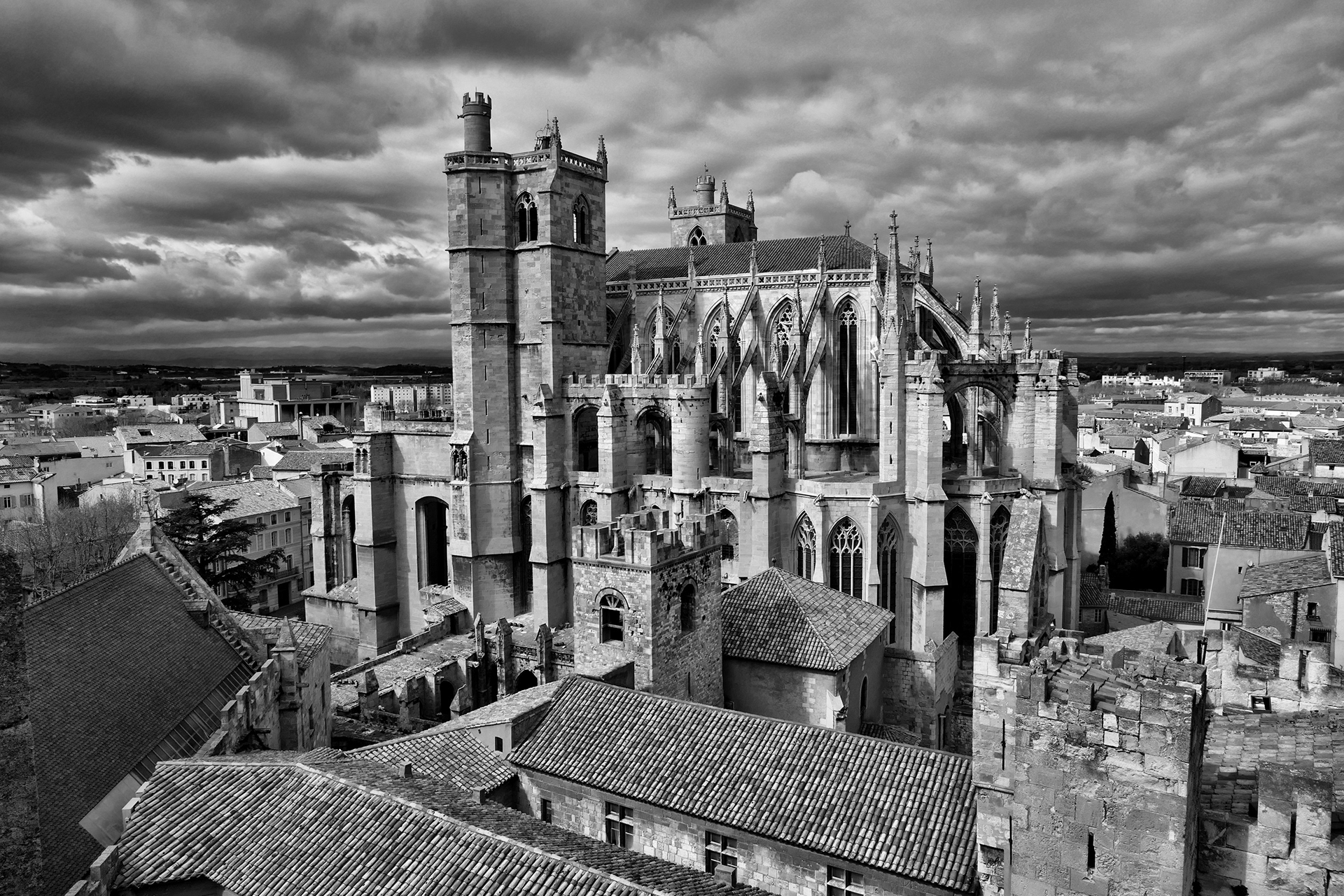
Whenever I stand before an ancient monastery or a weathered cathedral, I am struck by a profound sense of peace. It is a quietness that feels different from the silence of an empty modern room; it is a "heavy" silence, charged with centuries of history and purpose. In my work, I seek to capture that specific tranquility—the way these structures seem to breathe and offer a sanctuary from the frantic pace of our contemporary world.
Beyond the peace they radiate, I feel a deep, almost overwhelming admiration for the master builders of the past. It is humbling to realize that, without the advanced technology, software, or machinery we rely on today, they were capable of raising monuments that defy time itself. They worked with simple tools, a profound understanding of geometry, and a patience that has all but disappeared in our era of "immediate results."
There is a soul in ancient masonry that modern construction often lacks. Today, we build for efficiency and speed, often creating structures that feel disposable. But the ancient architects built for eternity. They understood light, proportion, and the weight of stone in a way that feels like a lost language. A monastery like Sant Pere de Rodes or the intricate details of Granada weren't just buildings; they were testimonies of human ambition and spiritual devotion.
Photographing these places is my way of paying tribute to that lost mastery. In a world that is constantly moving and building upward with glass and steel, I choose to look back at the stone. I look for the peace that only a wall built by hand a thousand years ago can provide, reminding us that true architectural greatness doesn't come from the tools we use, but from the vision and the soul we put into the craft.
Why Monochrome? The Language of Silence
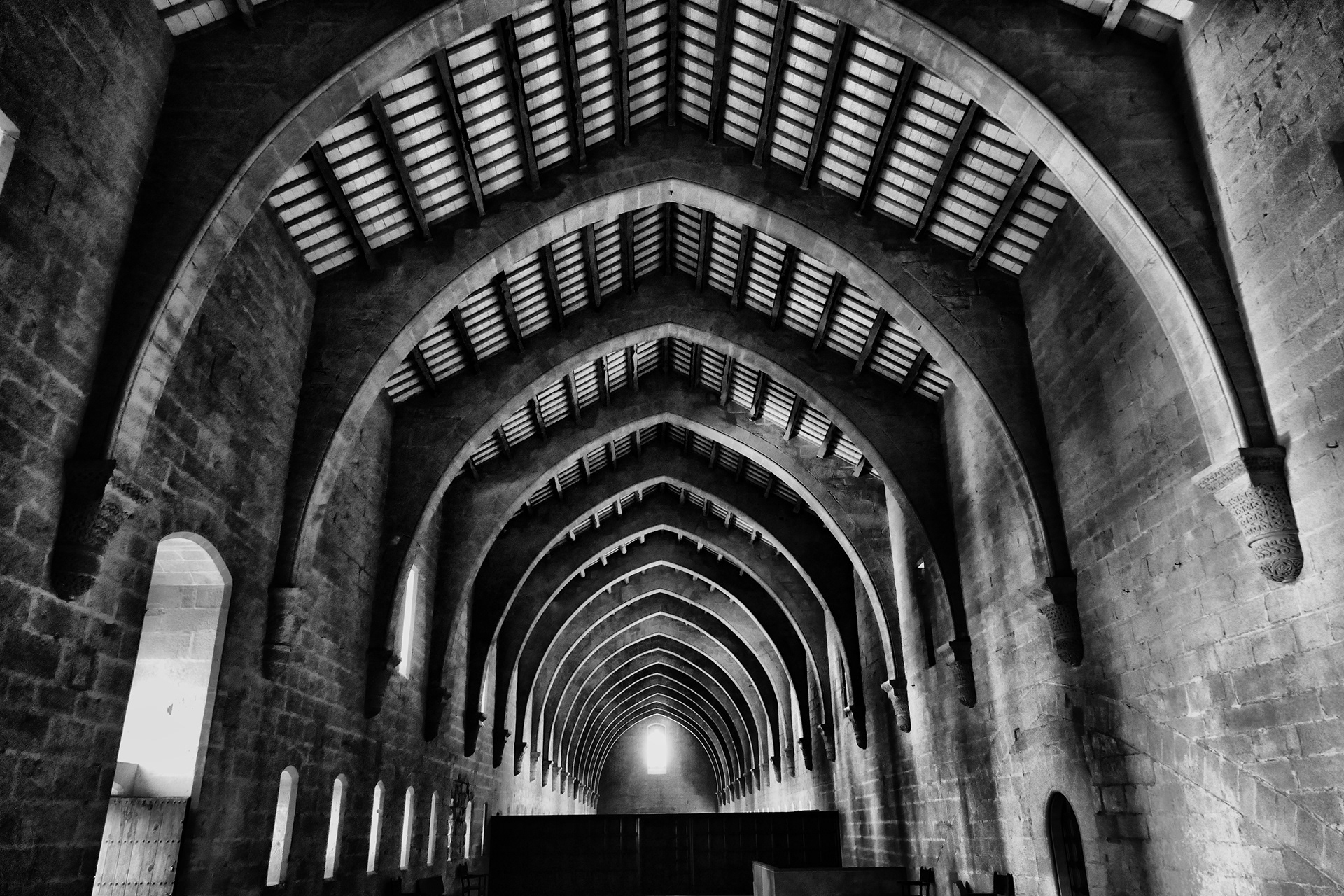
For me, photographing ancient architecture is not about documenting a place, but about capturing its soul. When I face the centuries-old stones of Belchite or the Romanesque walls of Sant Pere de Rodes, I feel that color can sometimes be a distraction. By removing it, I strip away the "noise" of the present day, allowing the true character of the building to emerge.
Black and white photography forces us to look at the world through its most fundamental elements: form, texture, and light. In the absence of color, the rough grain of a weathered wall or the deep shadows of a Gothic arch become the protagonists. Monochrome creates a bridge between the past and the present, transforming a physical structure into a timeless symbol of memory.
Using a grayscale palette also emphasizes the concept of silence, which is the core of my work. Color is vibrant and loud; it speaks of life and movement. Black and white, however, invites contemplation. It allows the viewer to focus on the "echoes" of history that still reside in the ruins, highlighting the dramatic contrast between the enduring stone and the fleeting nature of time.
Ultimately, choosing monochrome is an act of simplification. It is about searching for the essential truth of a space. In every shadow and every highlight, I look for that quiet balance where history and art meet, proving that sometimes, by taking something away, we are actually able to see much more.