A Silent Witness to the Shadows of History
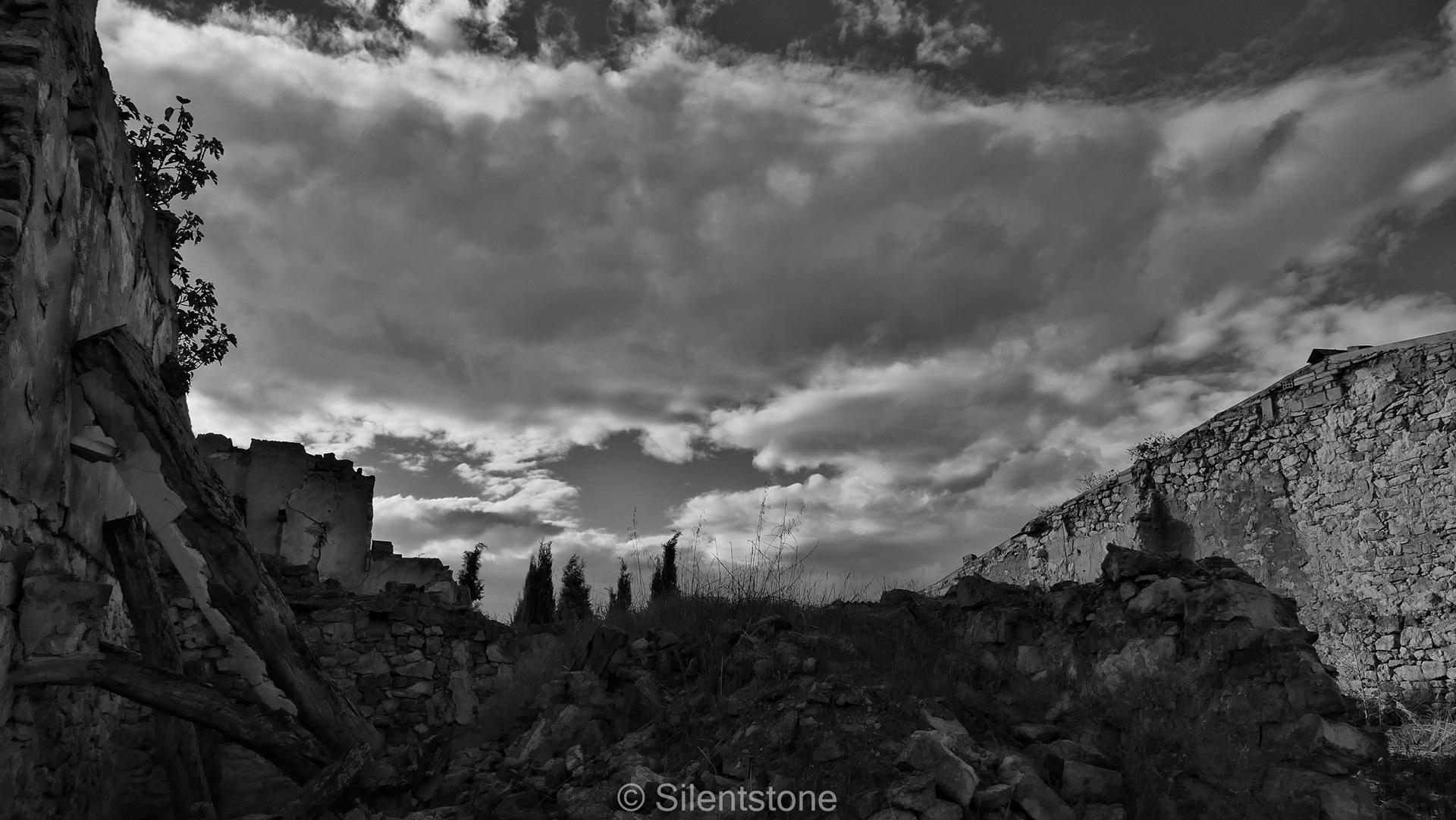
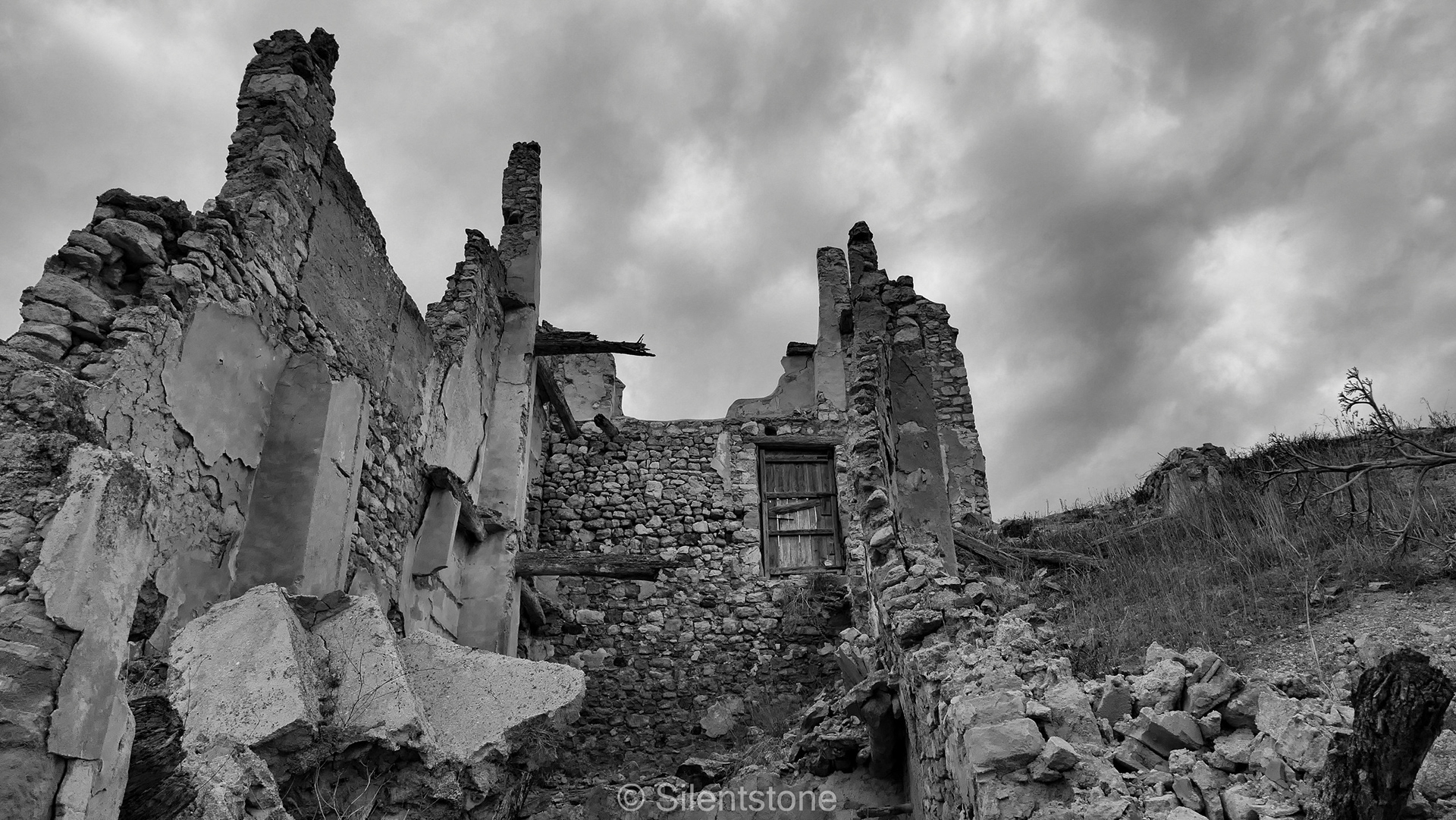
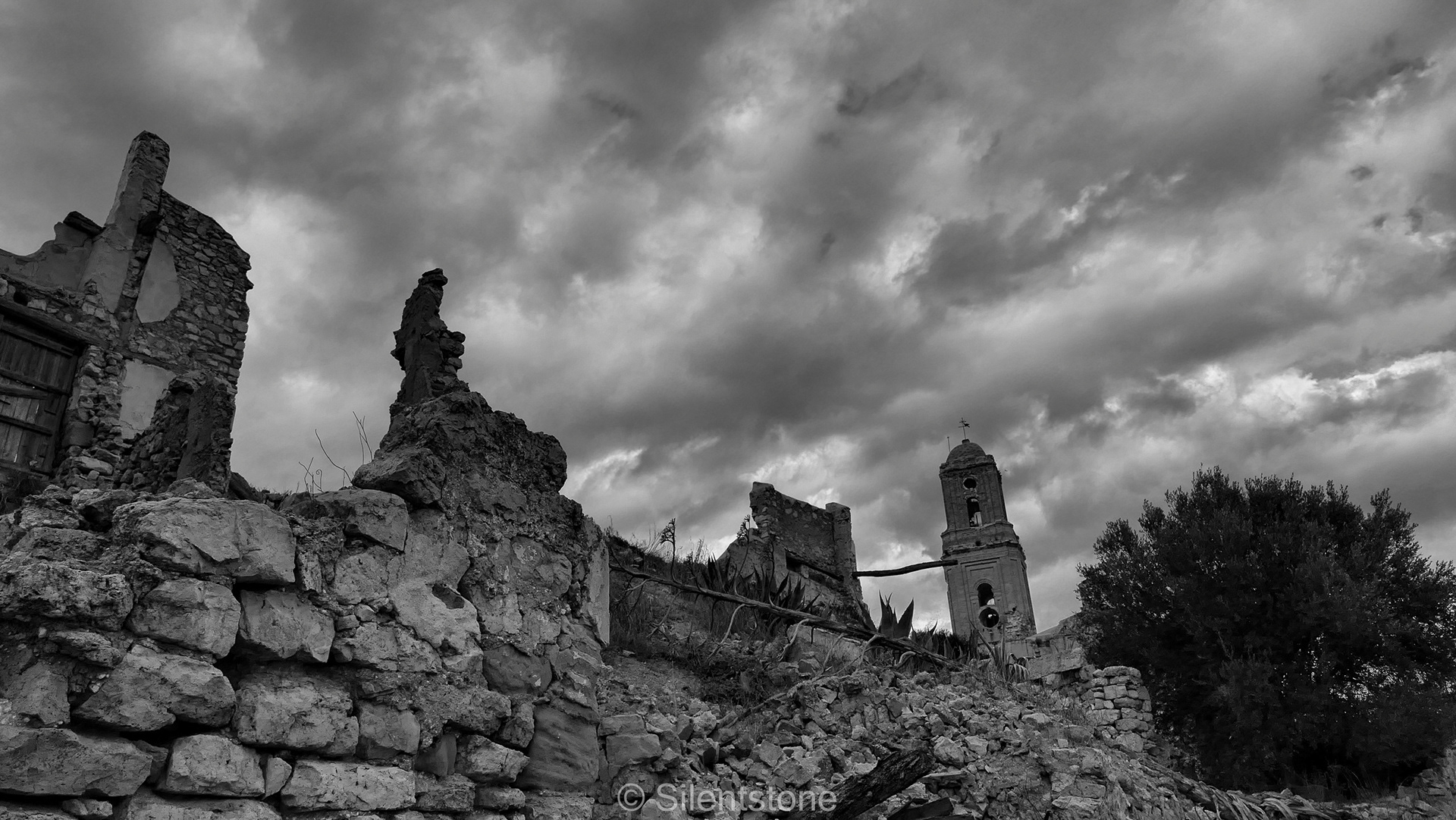
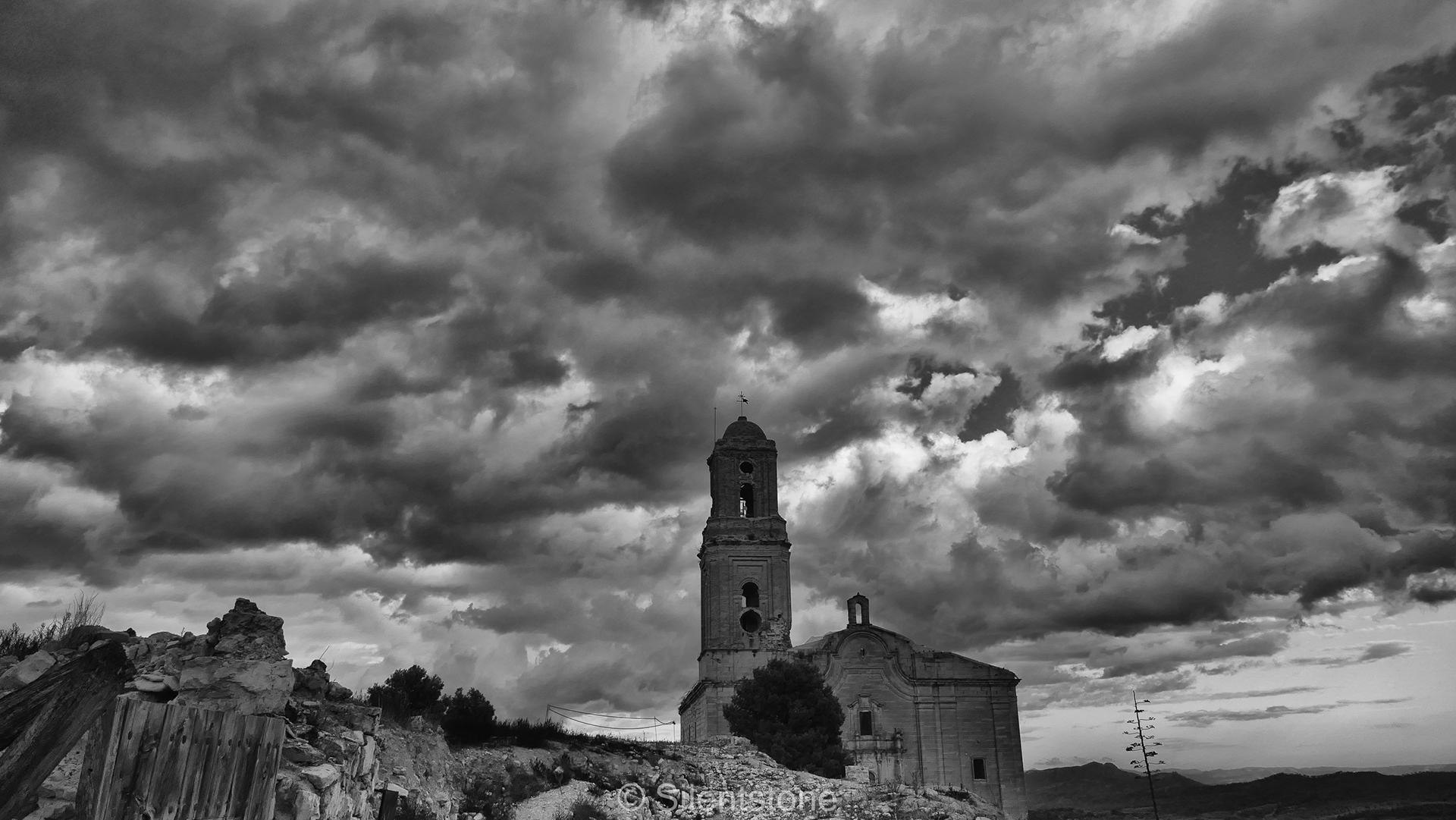
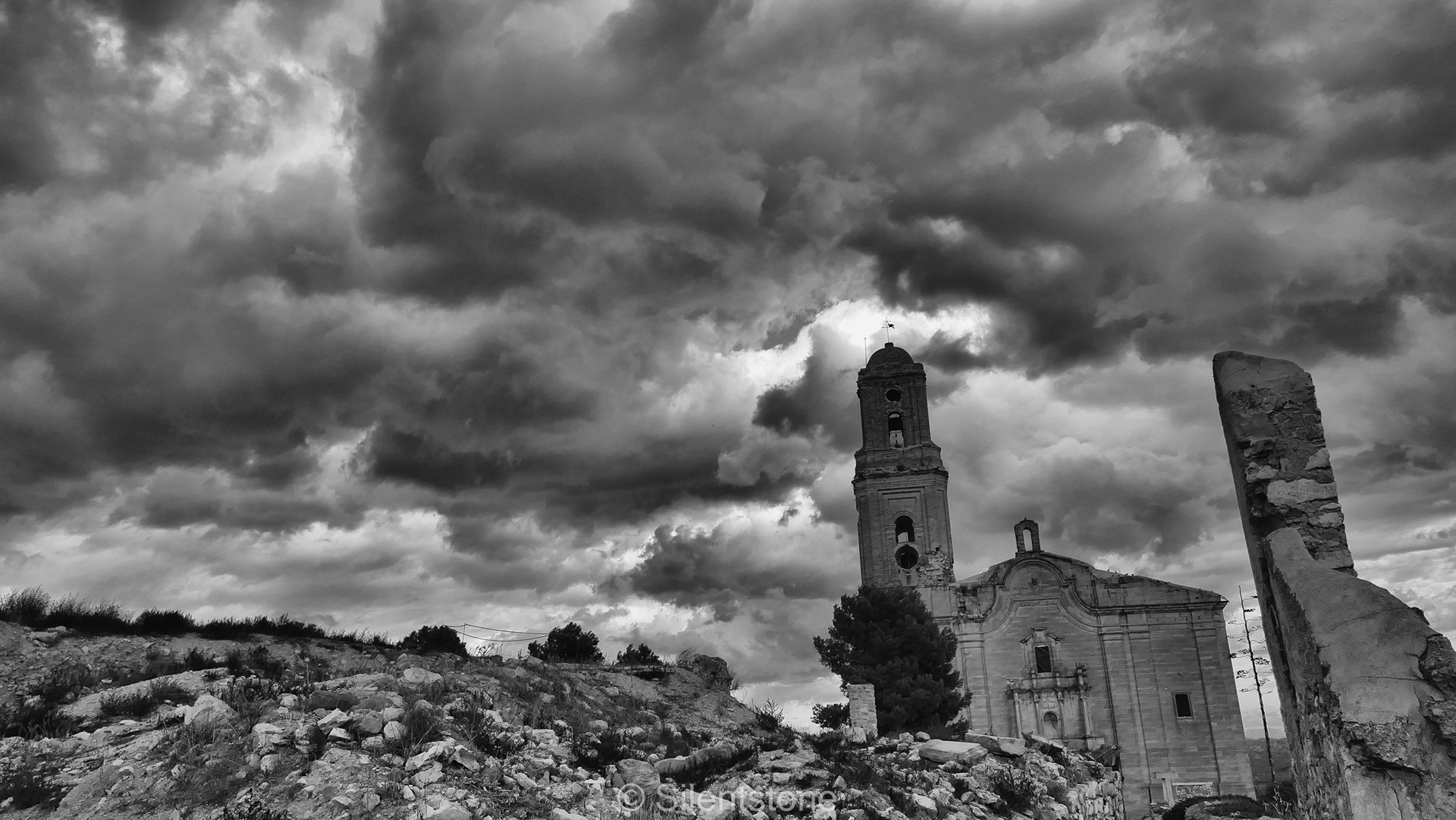
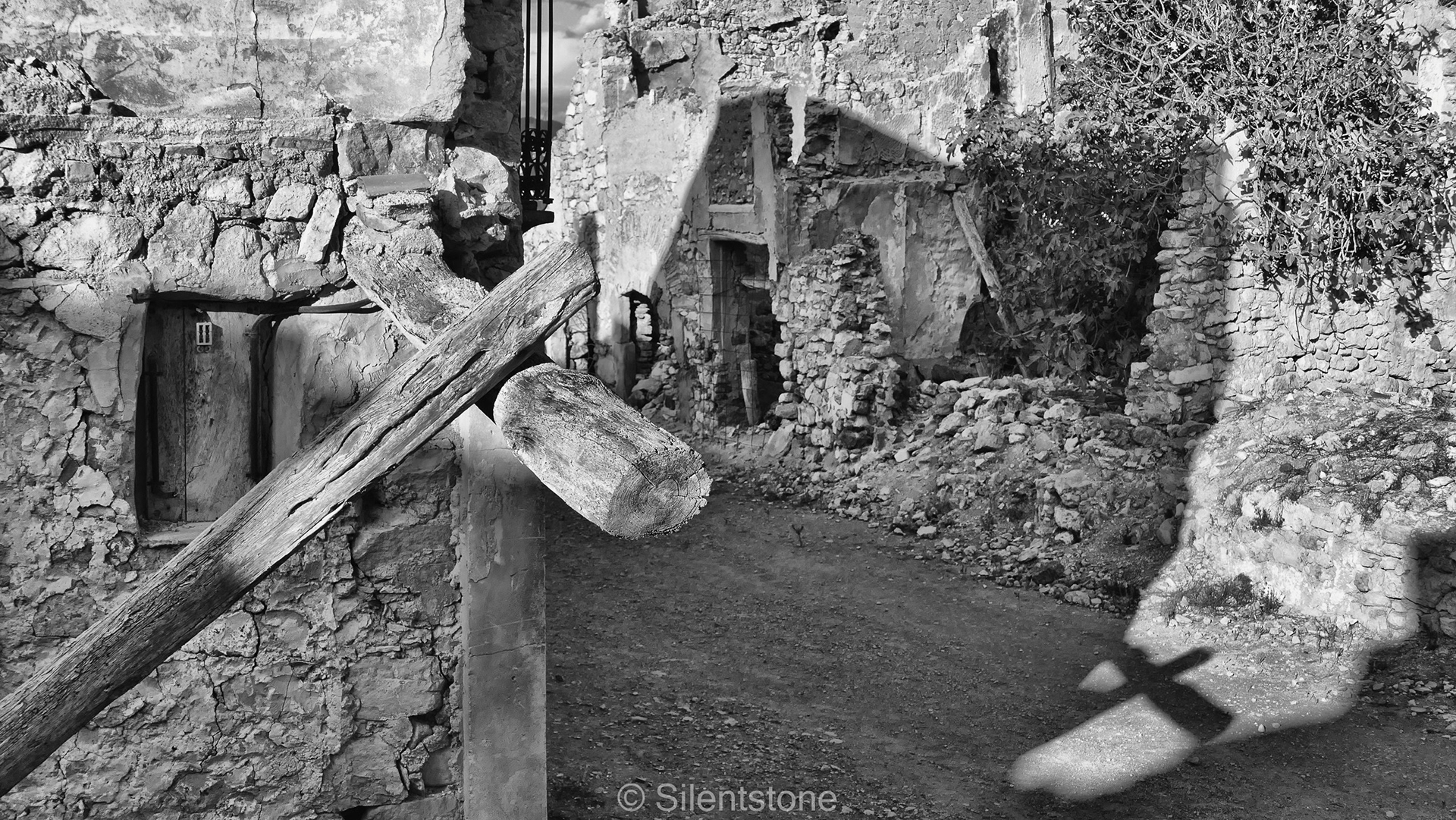
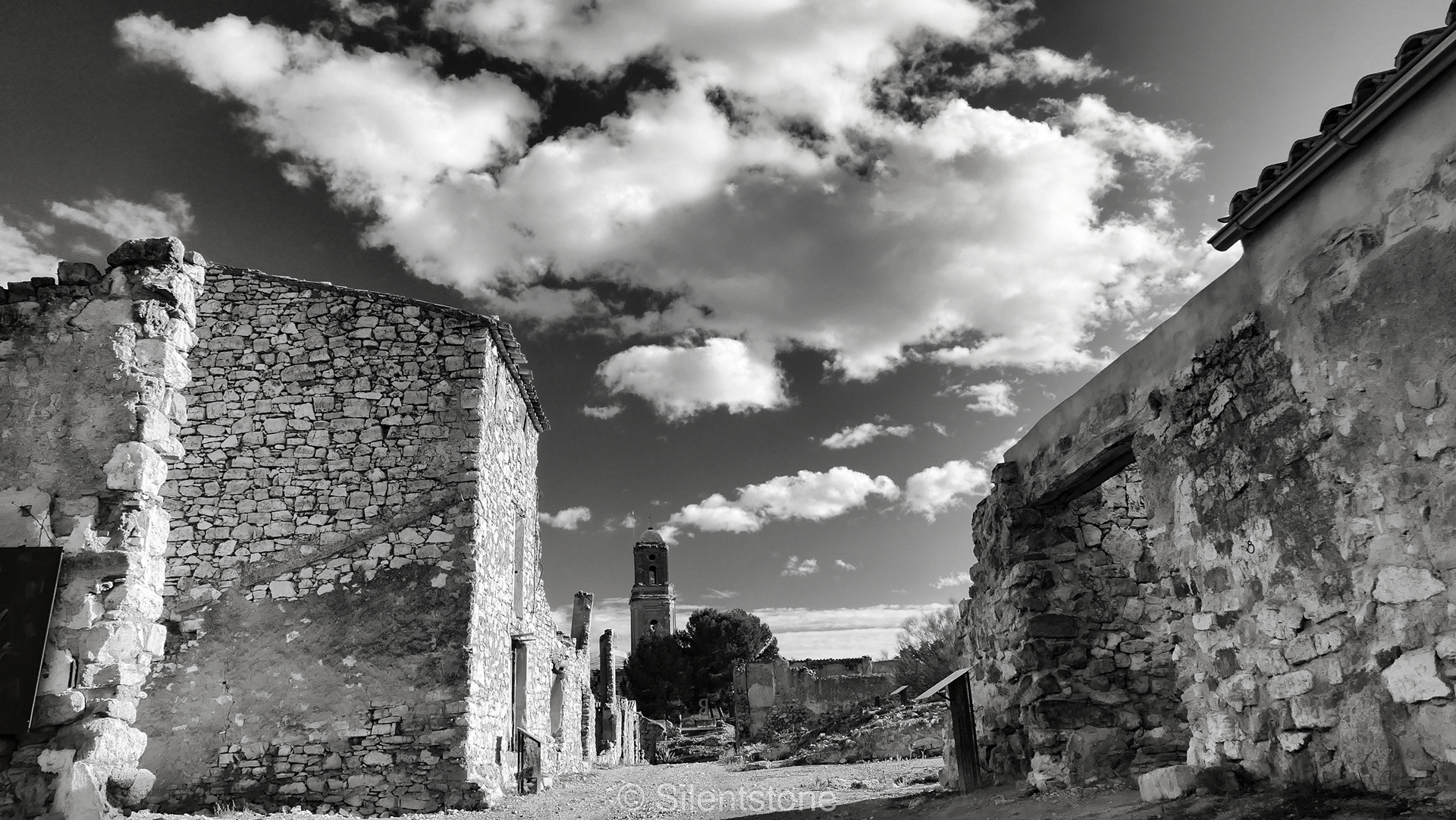
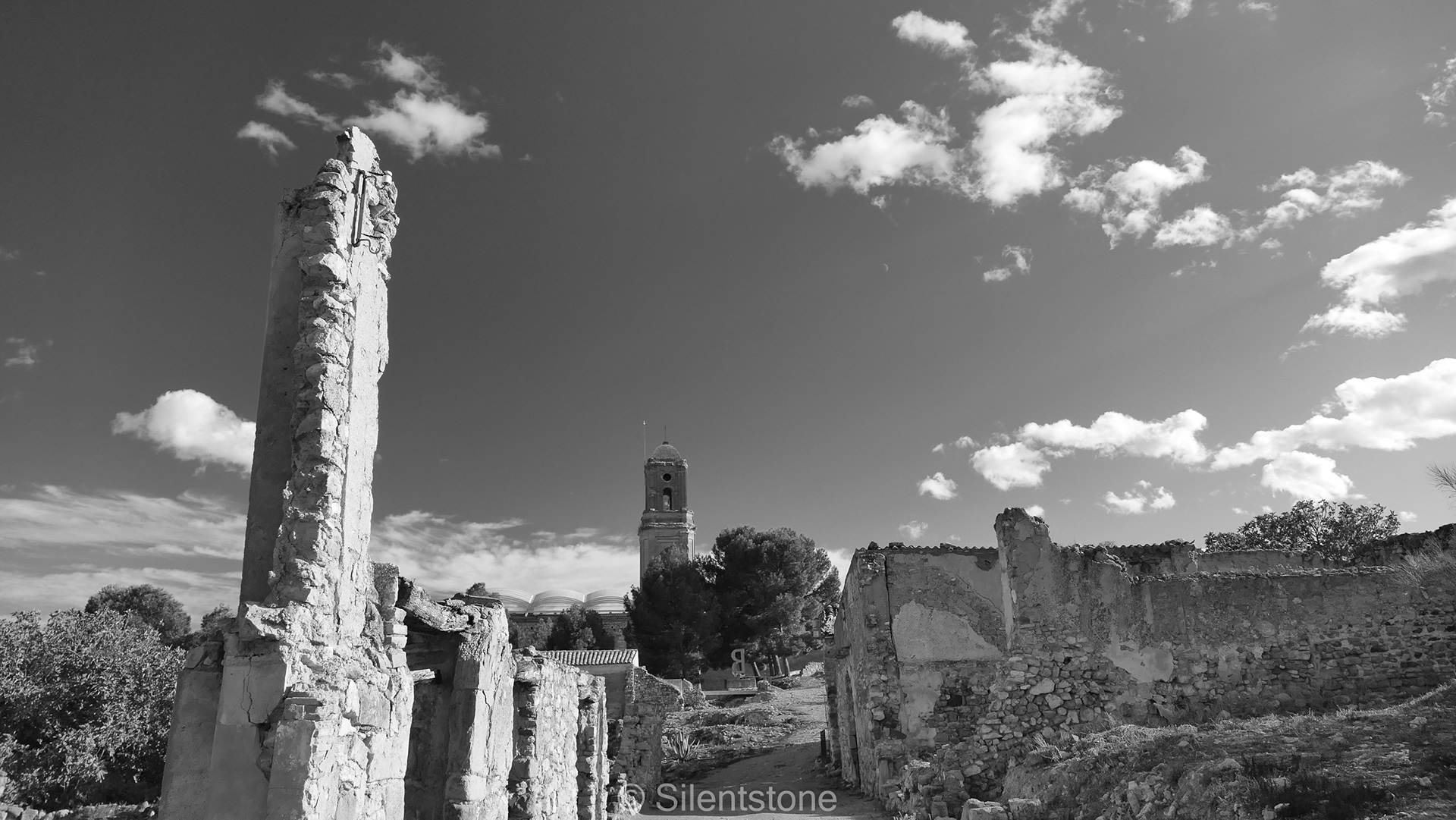
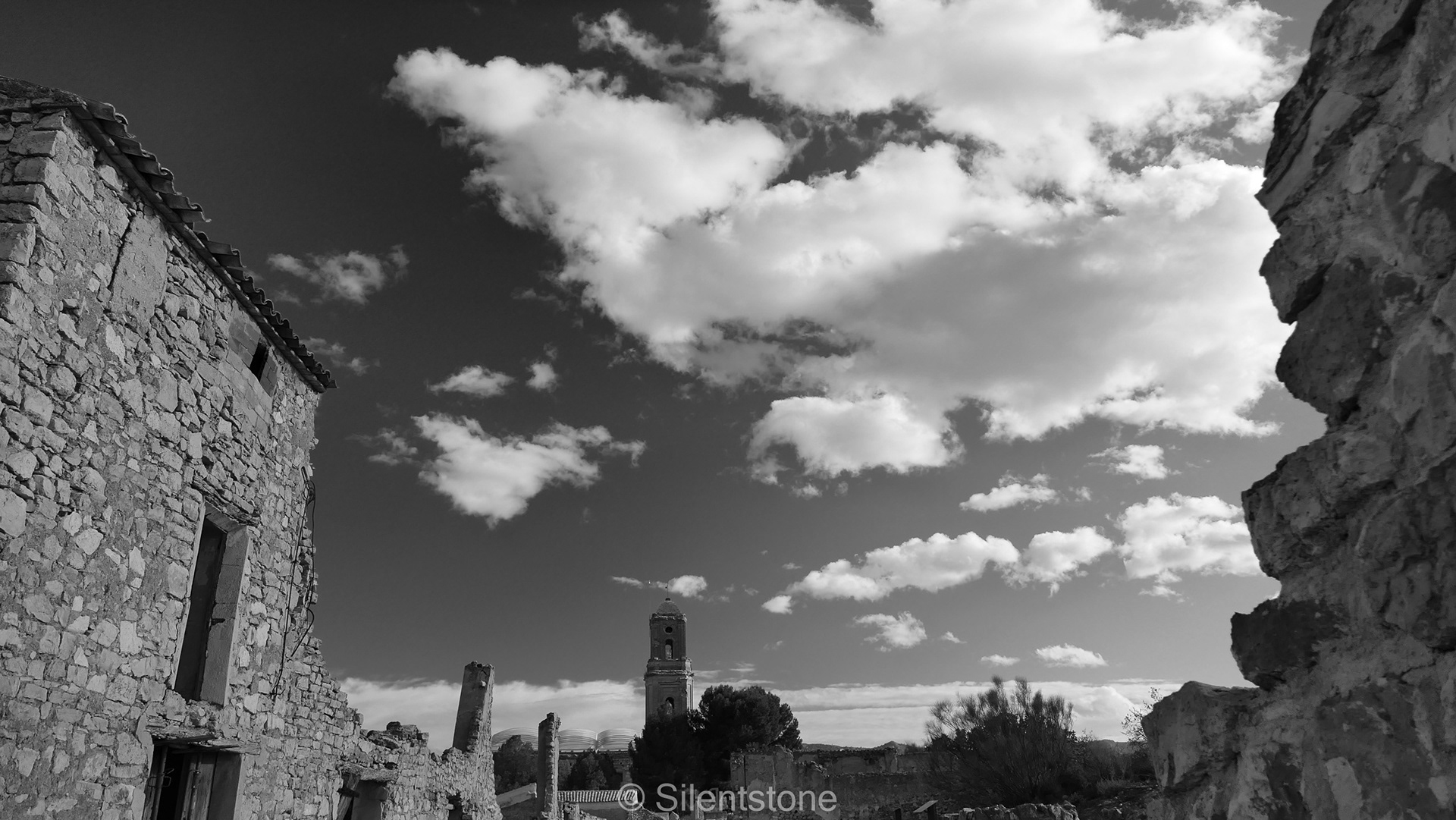
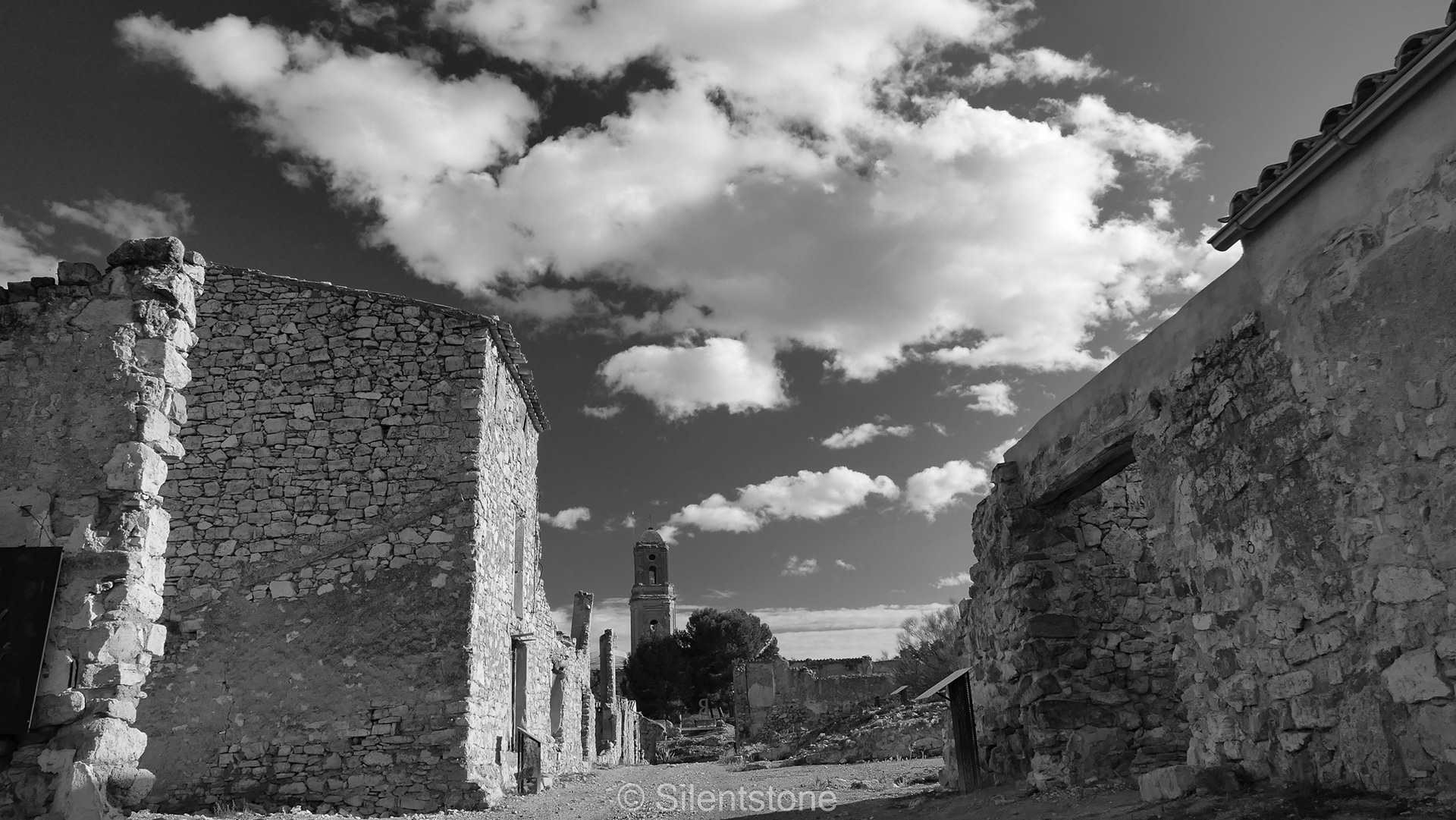
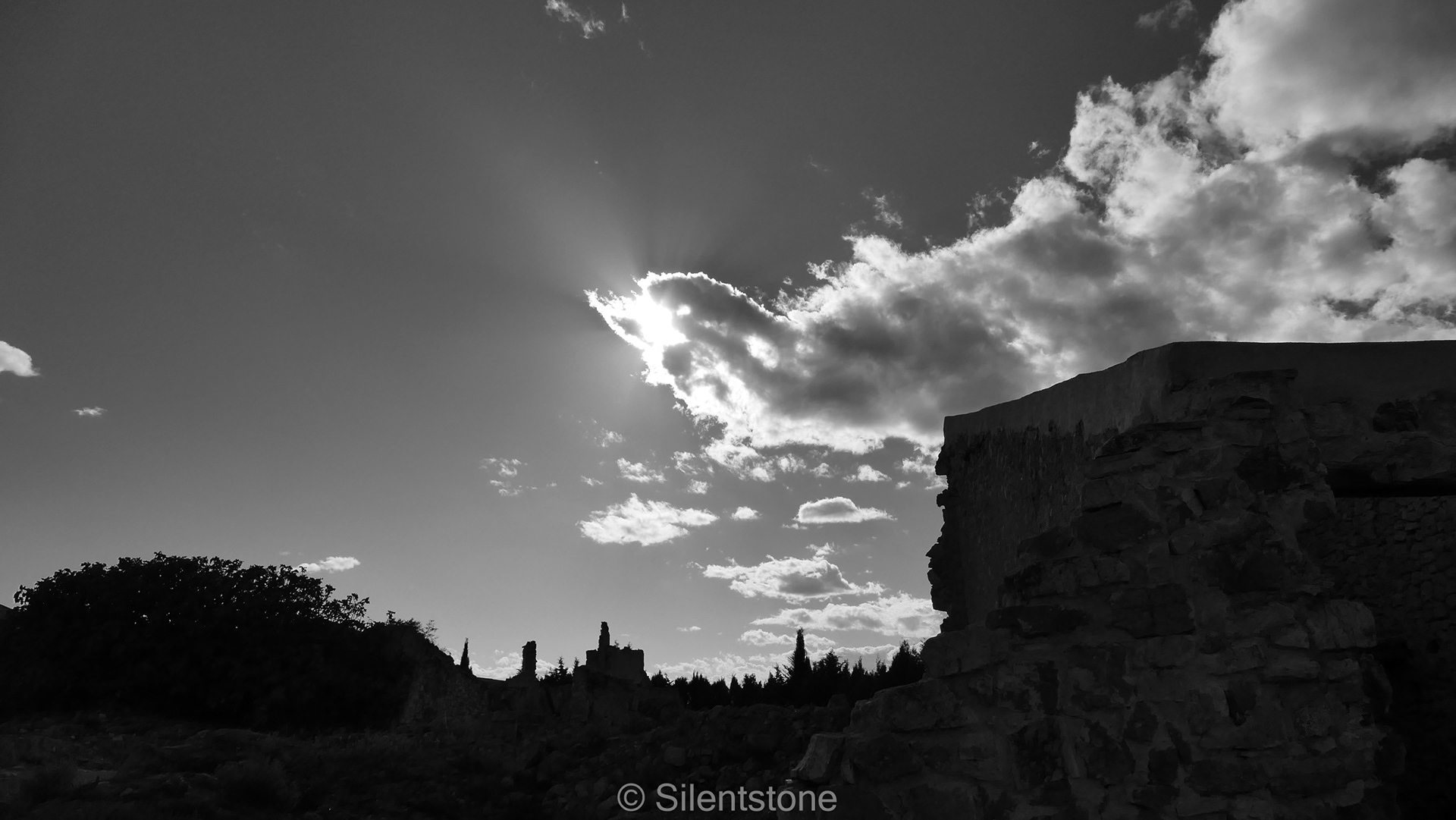
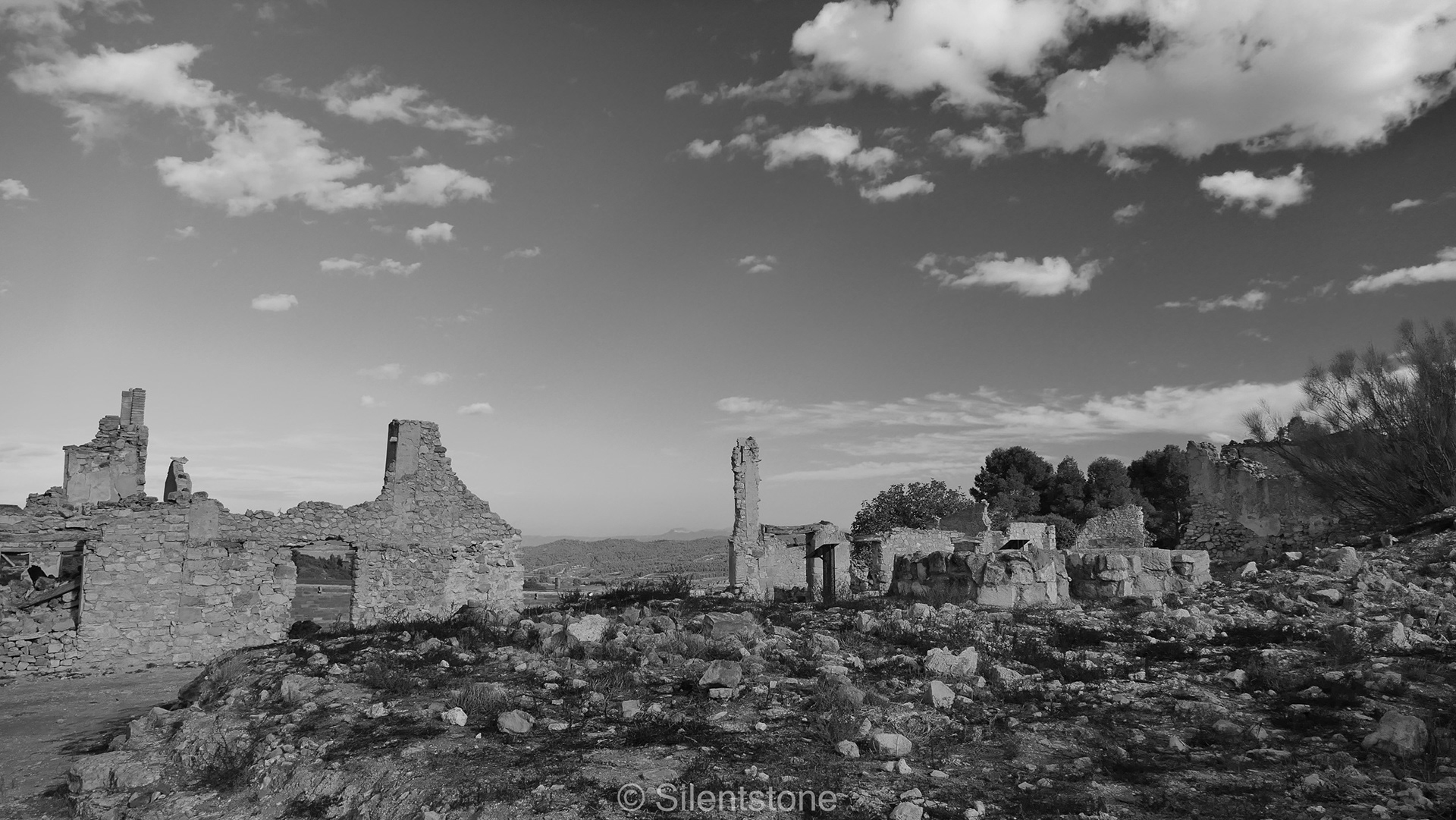
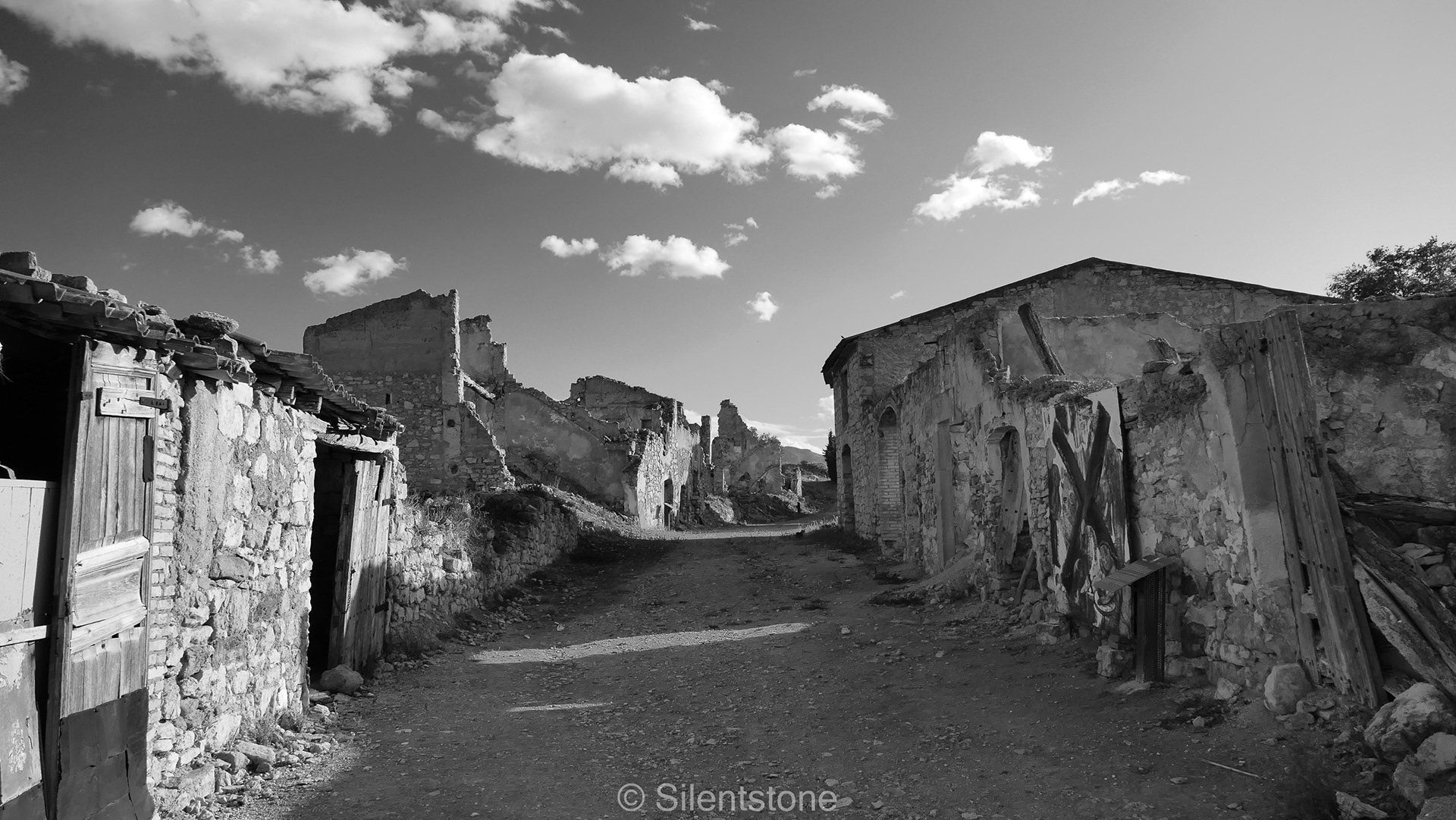
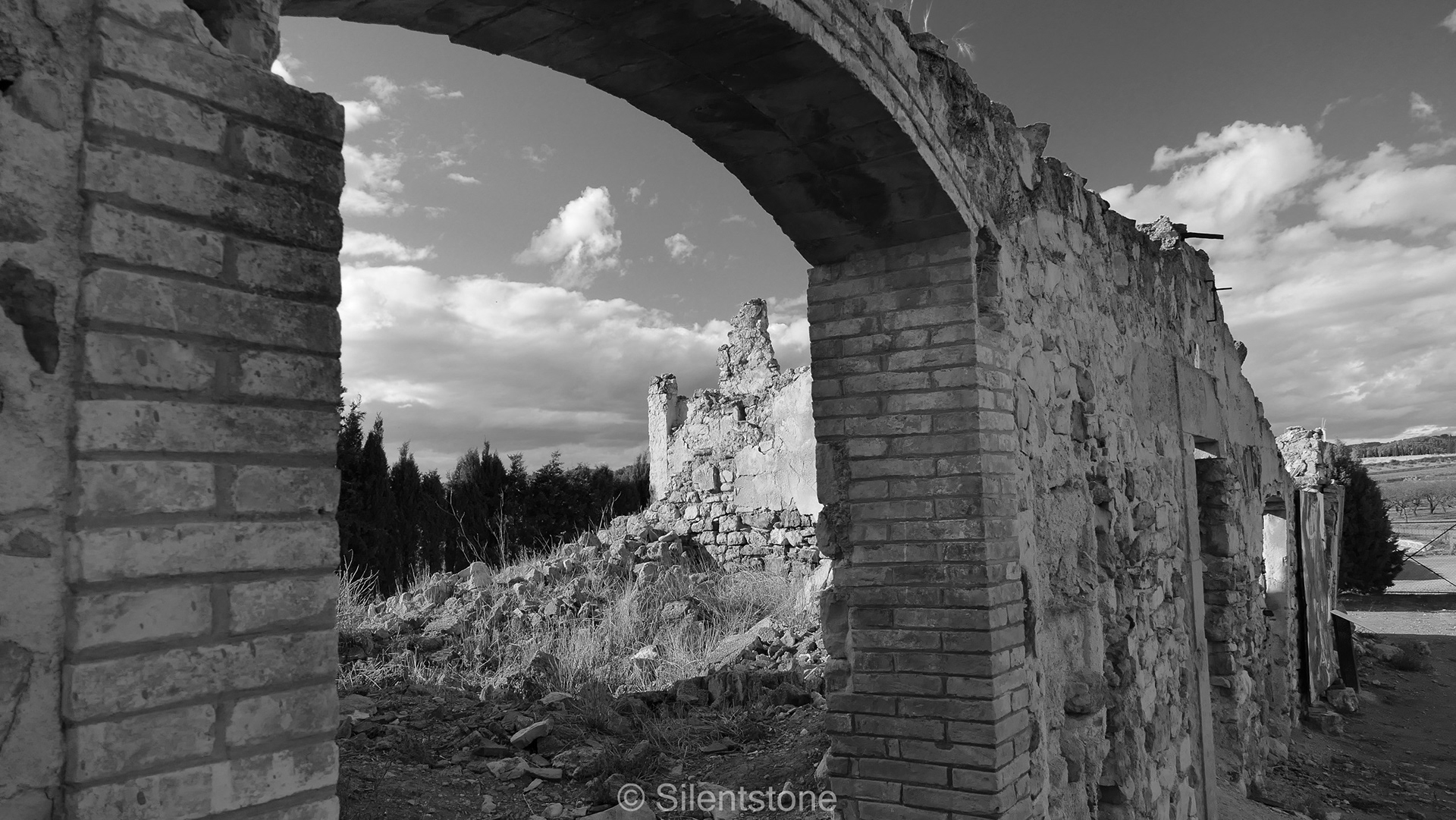
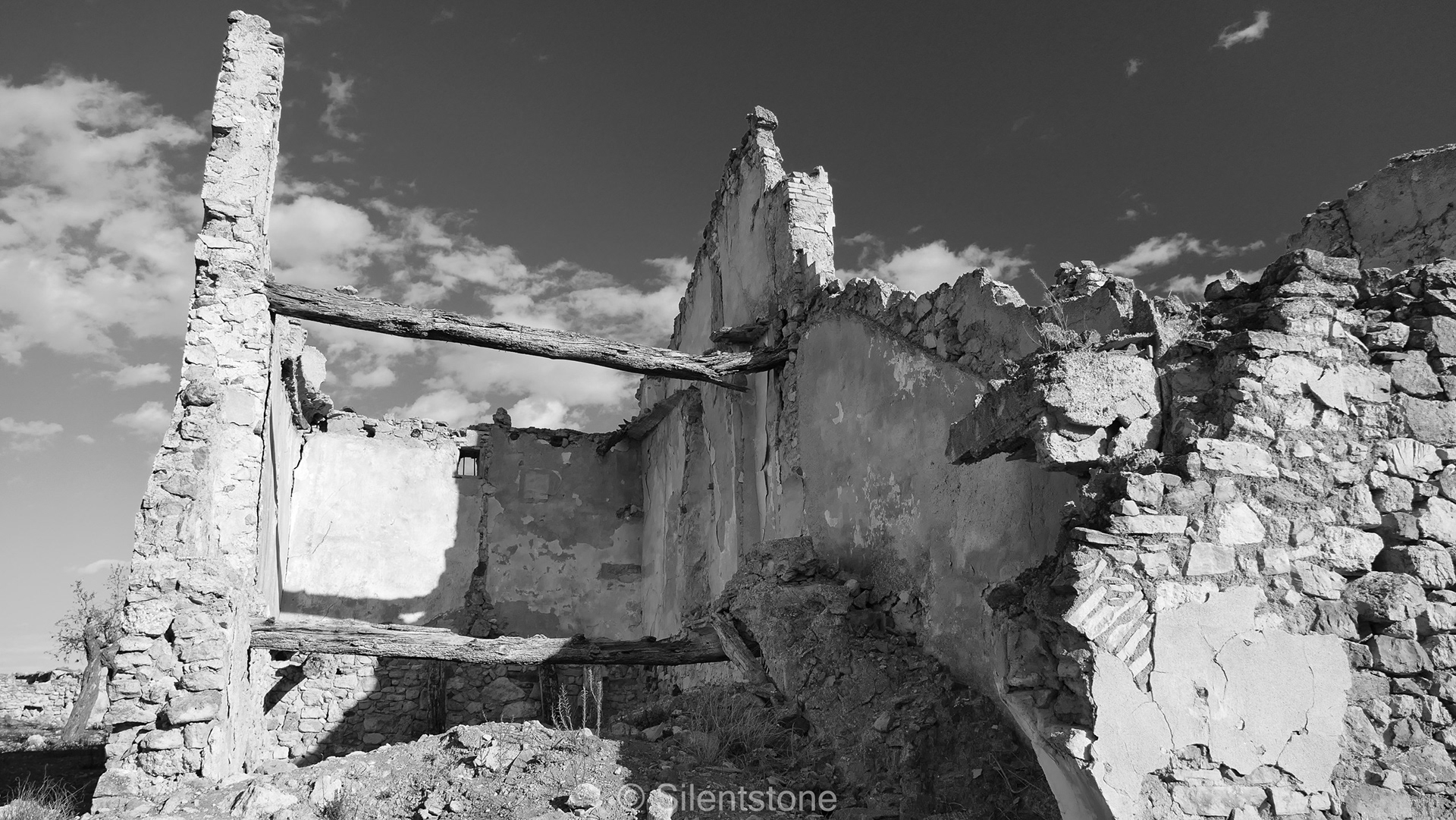
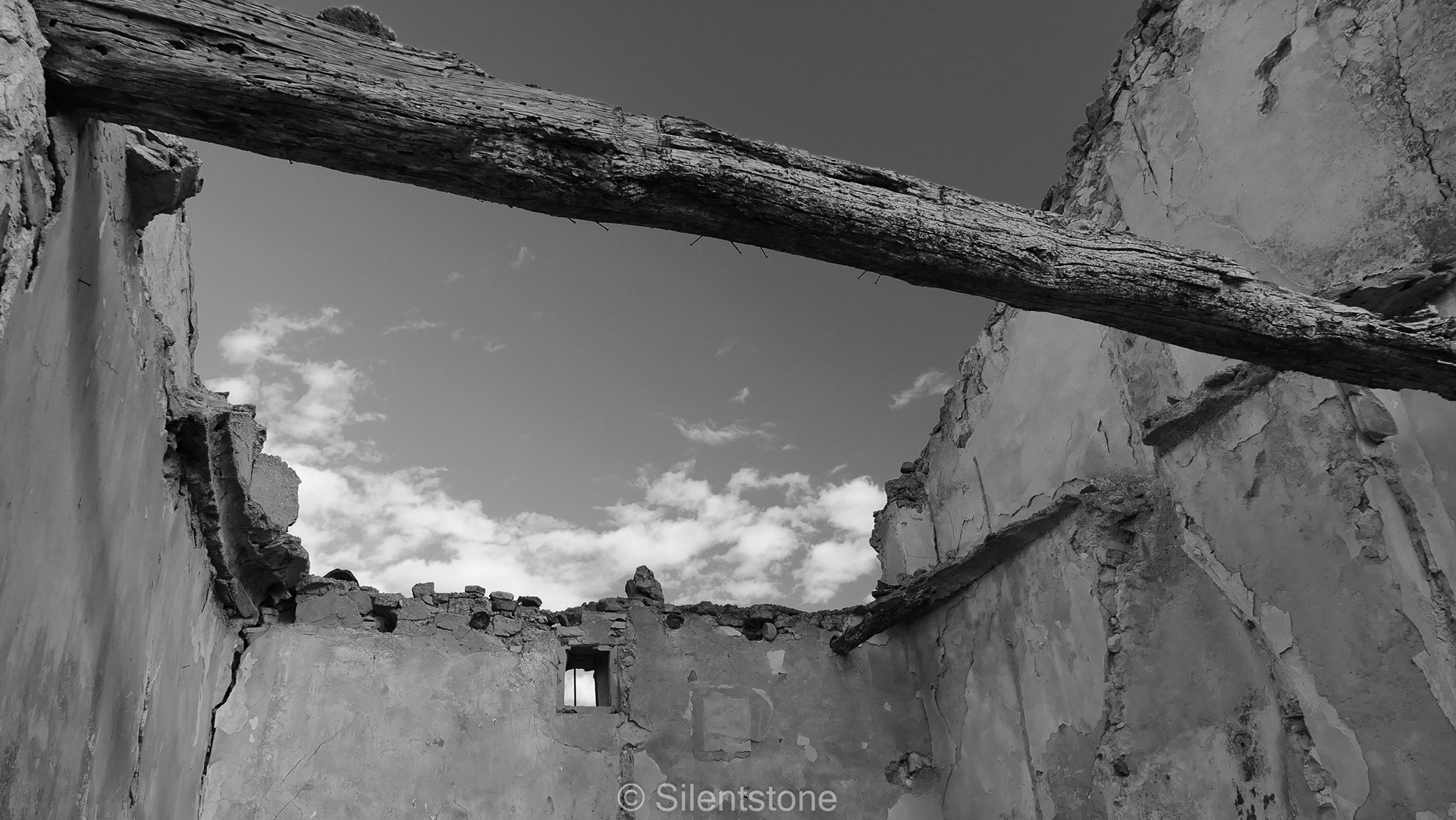
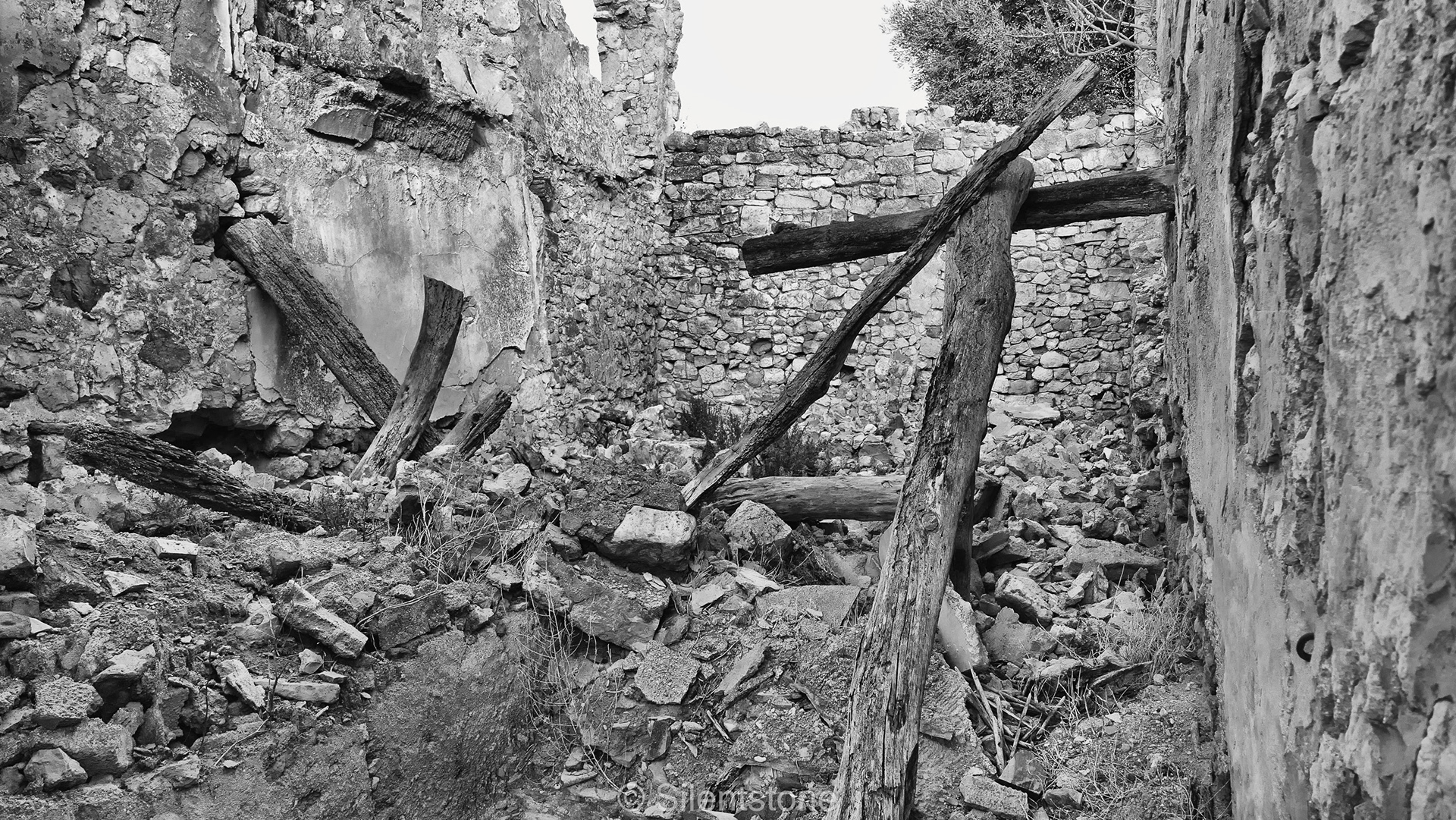
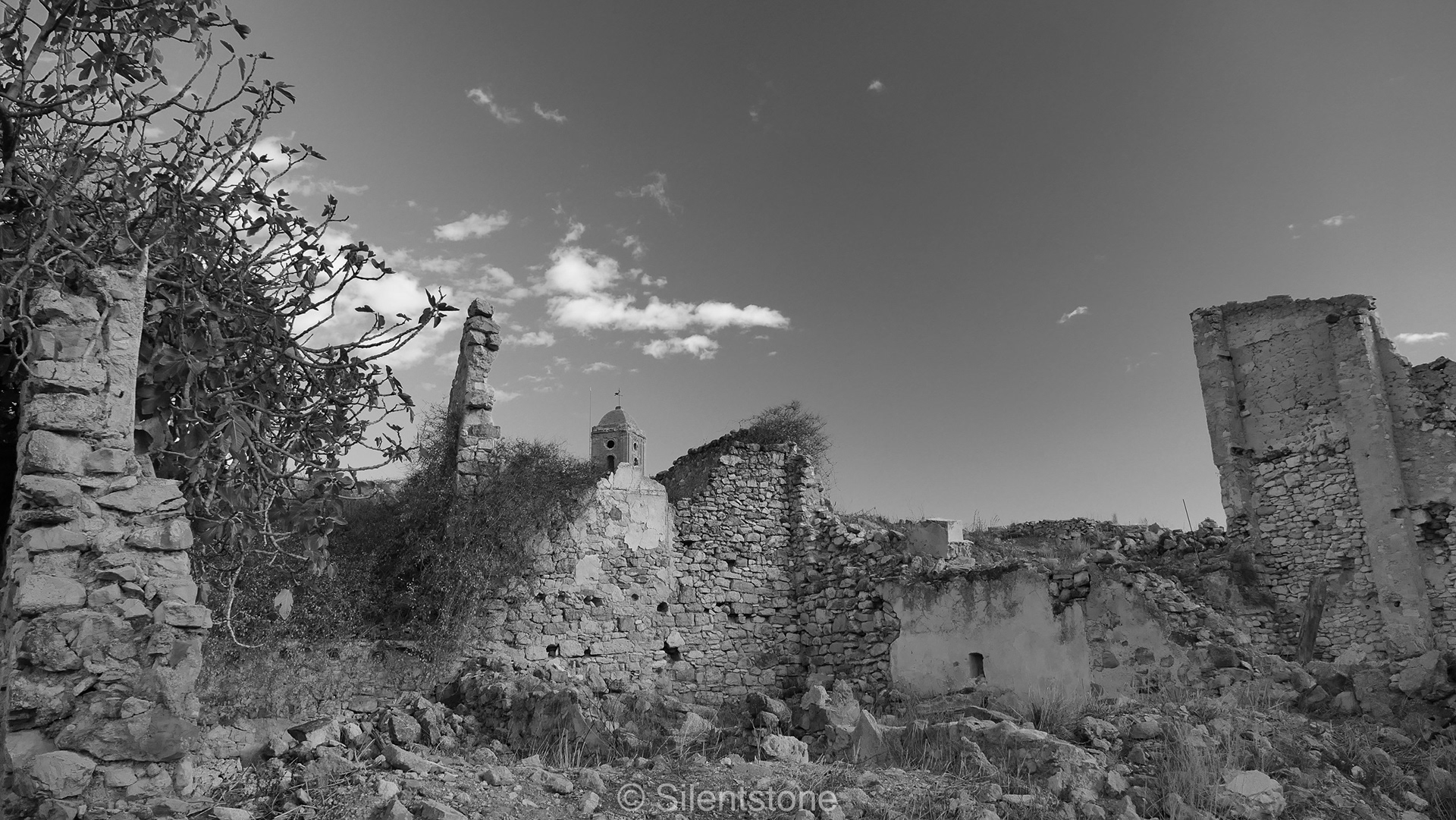
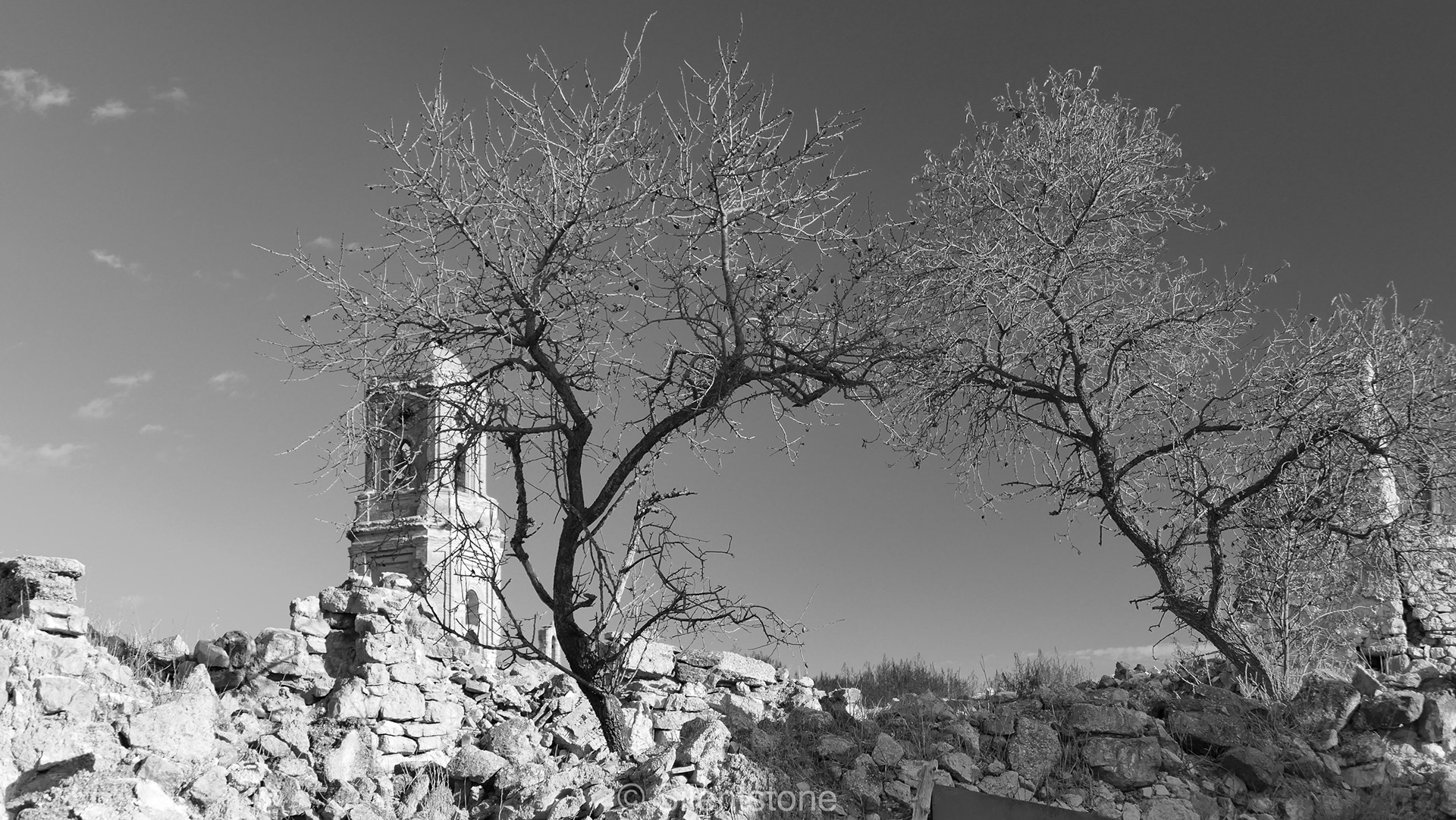
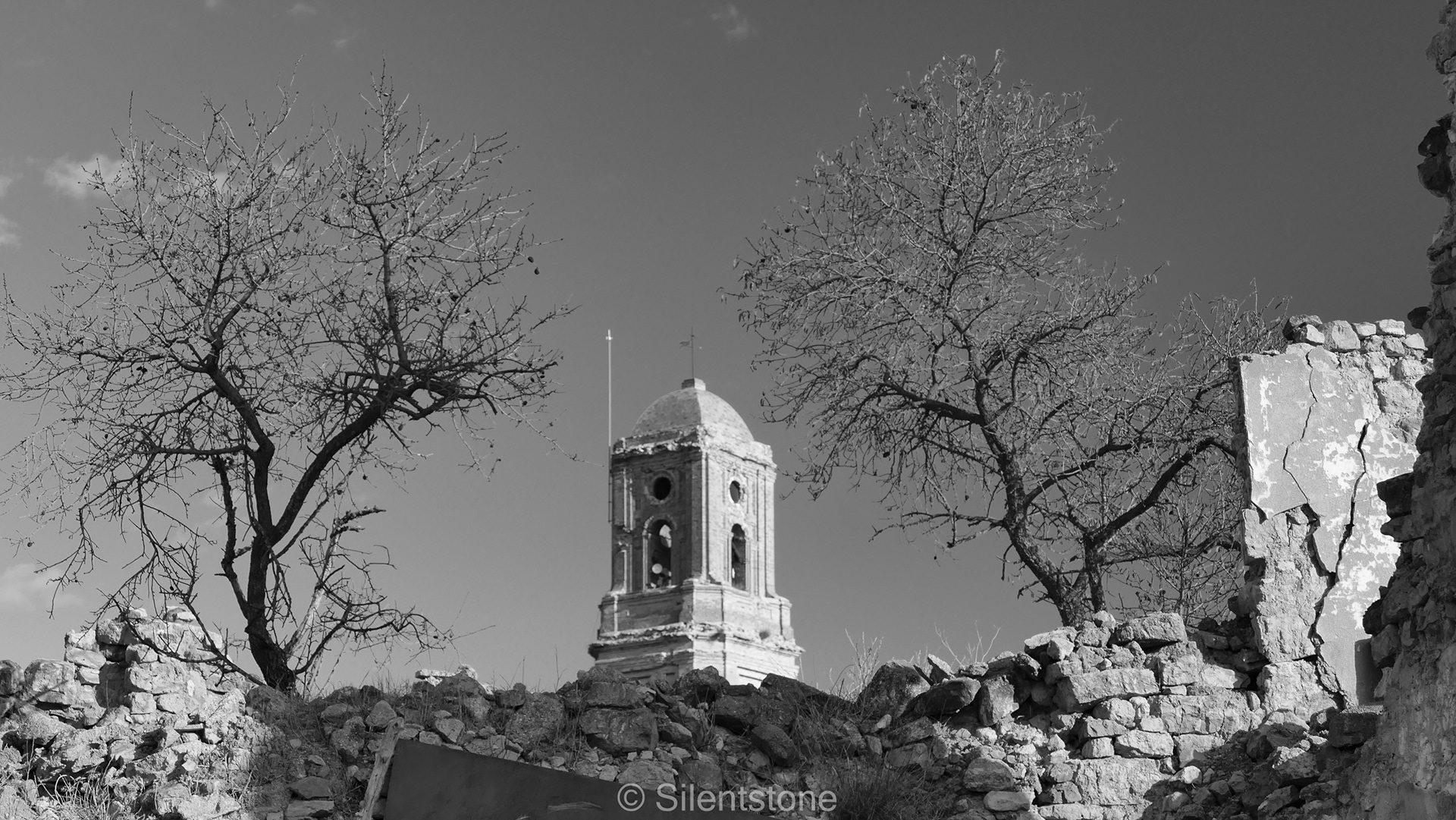
Located atop a hill in the Terra Alta region of Tarragona, Corbera d’Ebre stands today as one of the most poignant and haunting memorials of the Spanish Civil War. While many towns moved on and rebuilt, the "Poble Vell" (Old Village) of Corbera was left in ruins—a deliberate decision to ensure that the scars of 1938 would never be forgotten.
The Battle of the Ebro: The Day the Sky Fell
The fate of Corbera d’Ebre was sealed during the Battle of the Ebro, the longest and bloodiest conflict of the Spanish Civil War.
A Strategic Target: Due to its elevated position, the village became a vital objective for both the Republican and Nationalist forces.
The Bombardment: In the summer of 1938, the town was subjected to a relentless and systematic aerial bombardment. The Legion Condor (sent by Nazi Germany to support Franco) and the Italian Aviazione Legionaria rained fire upon the civilian population.
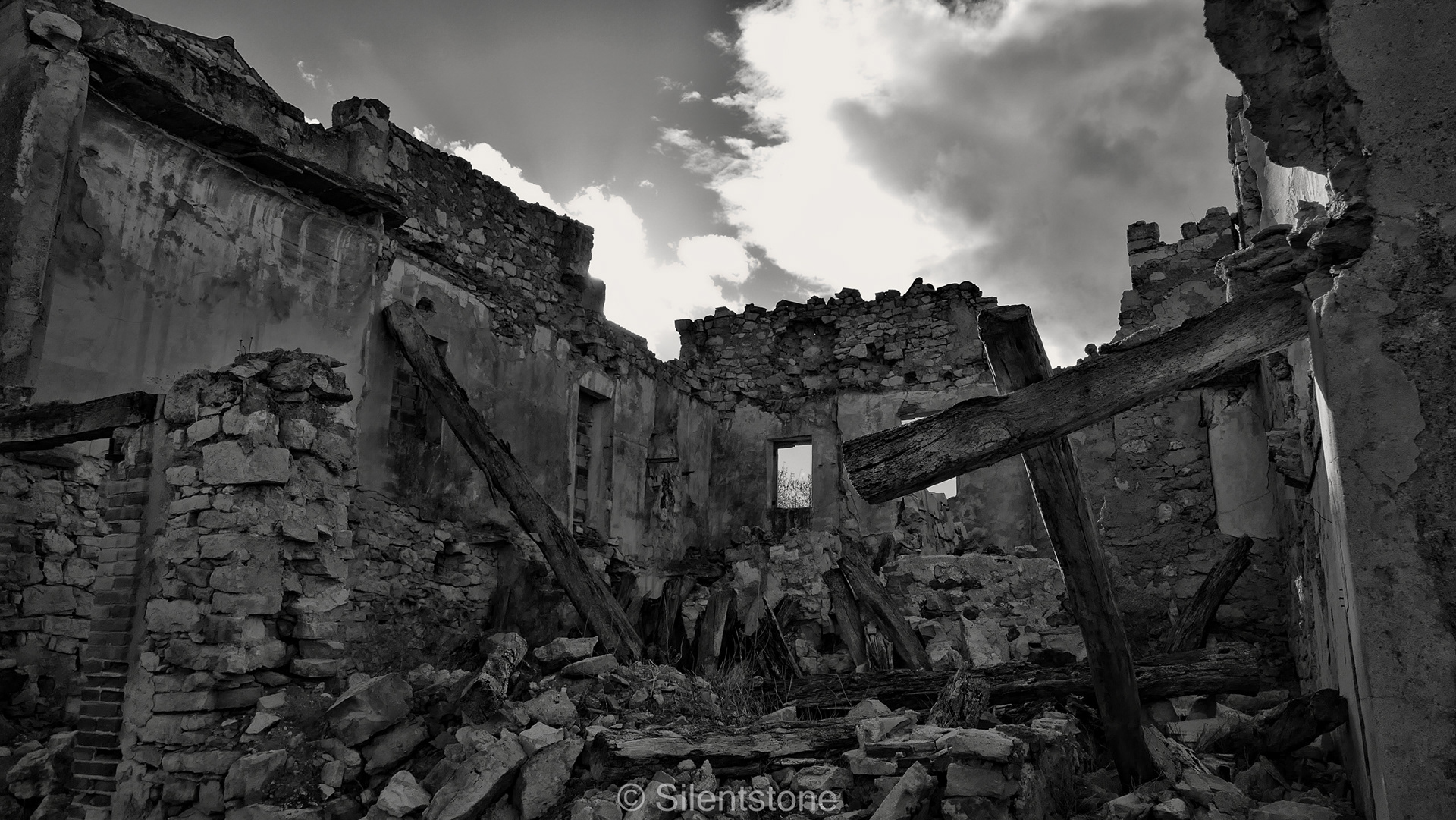
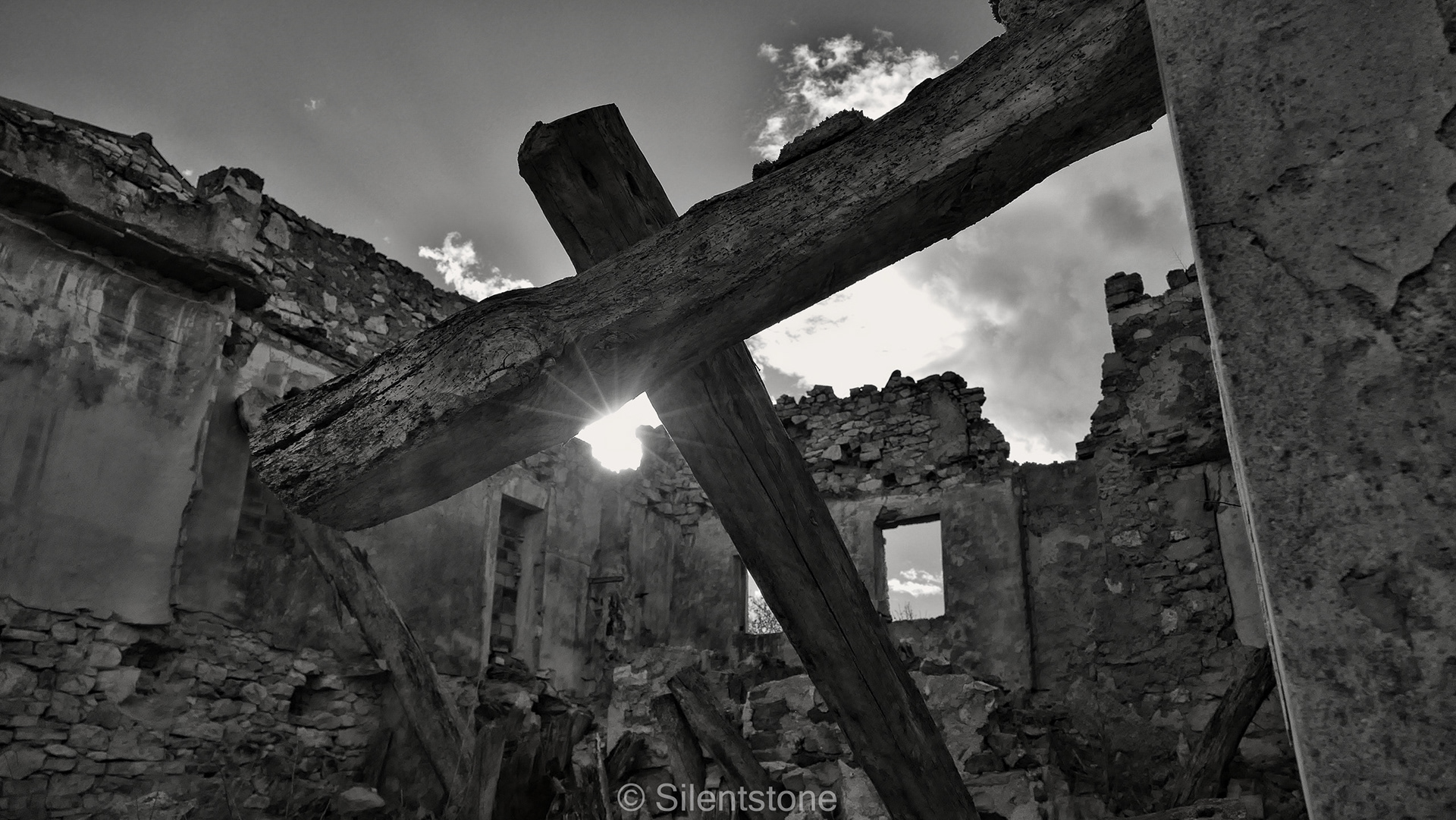
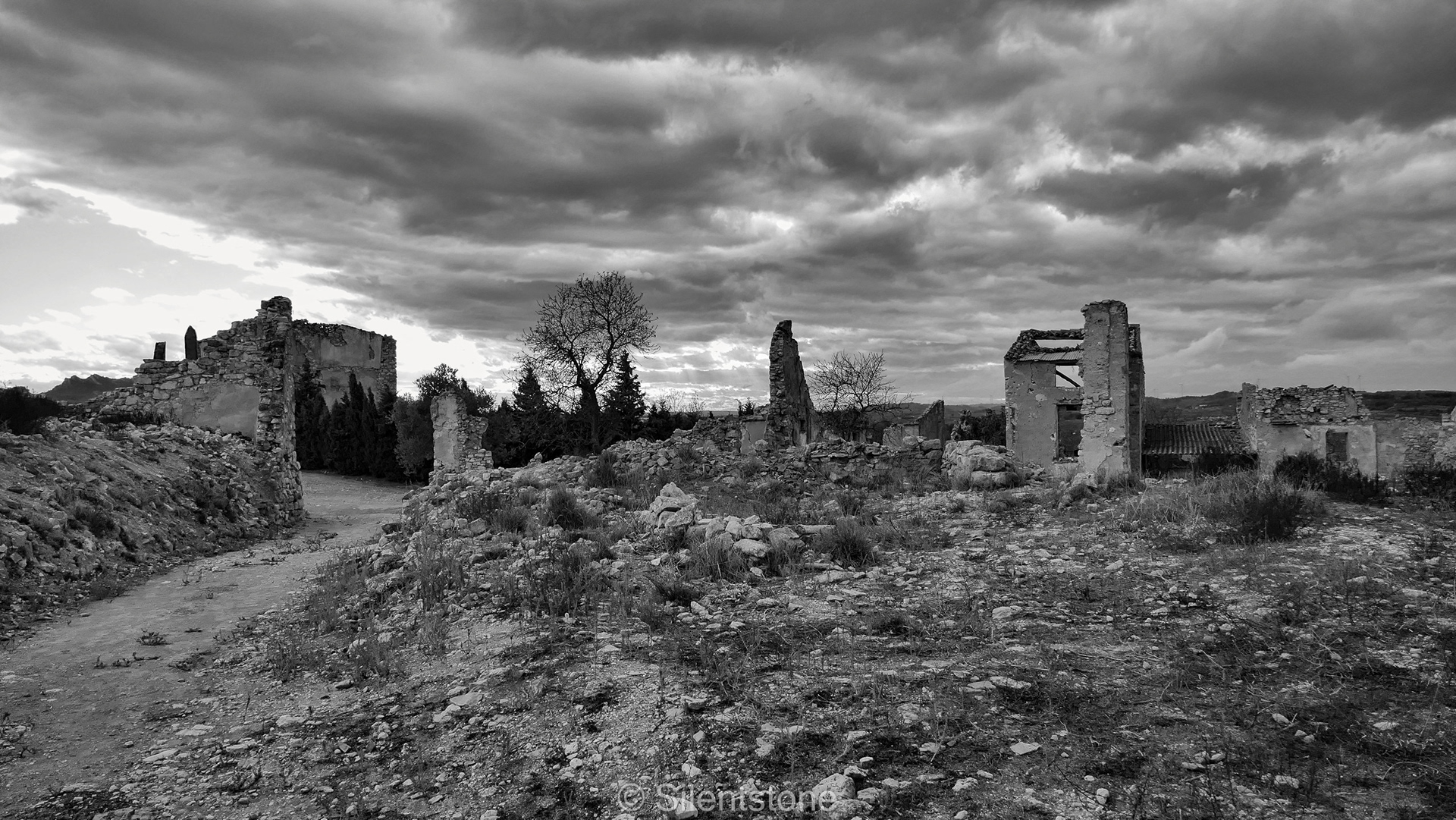
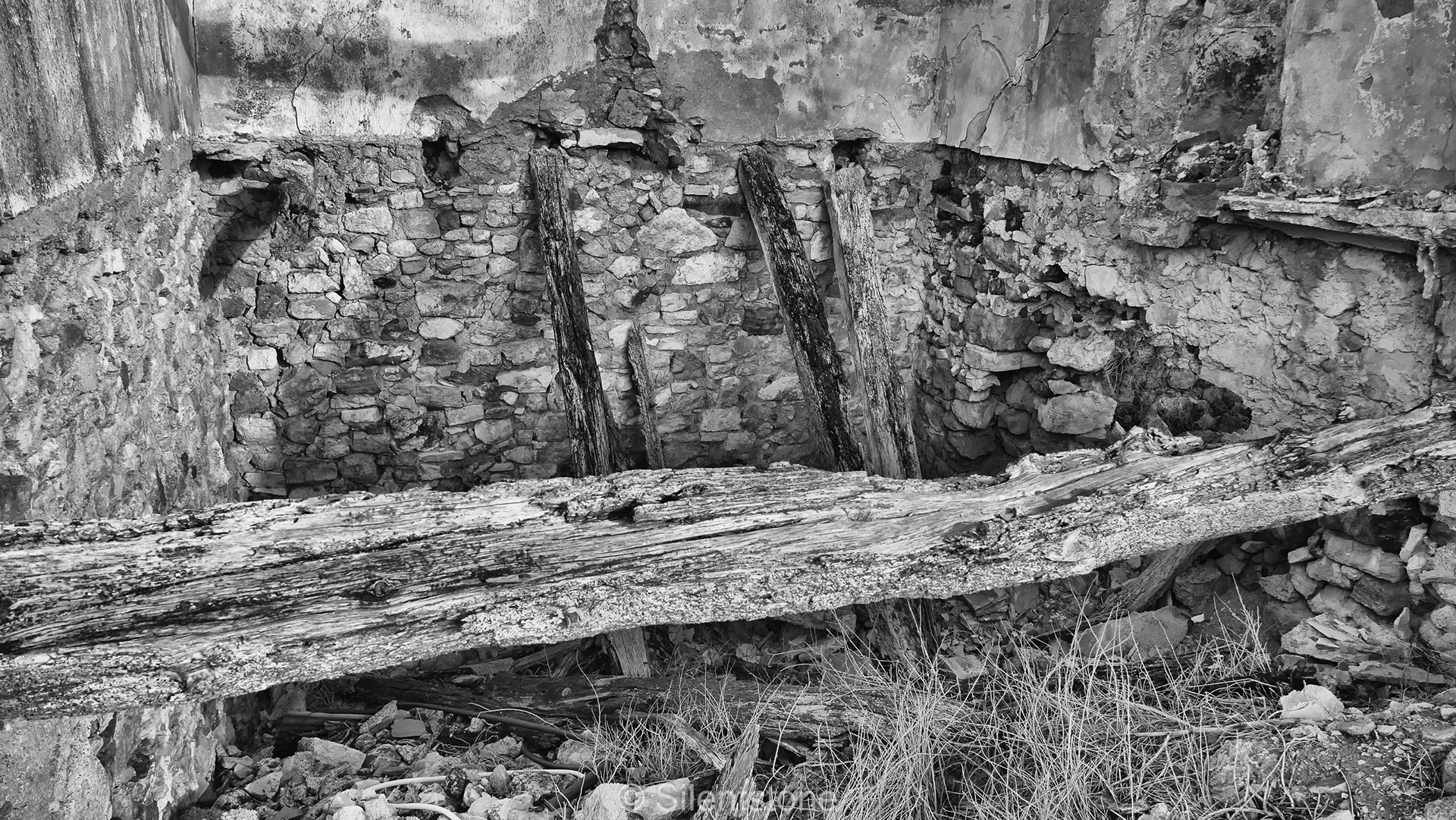
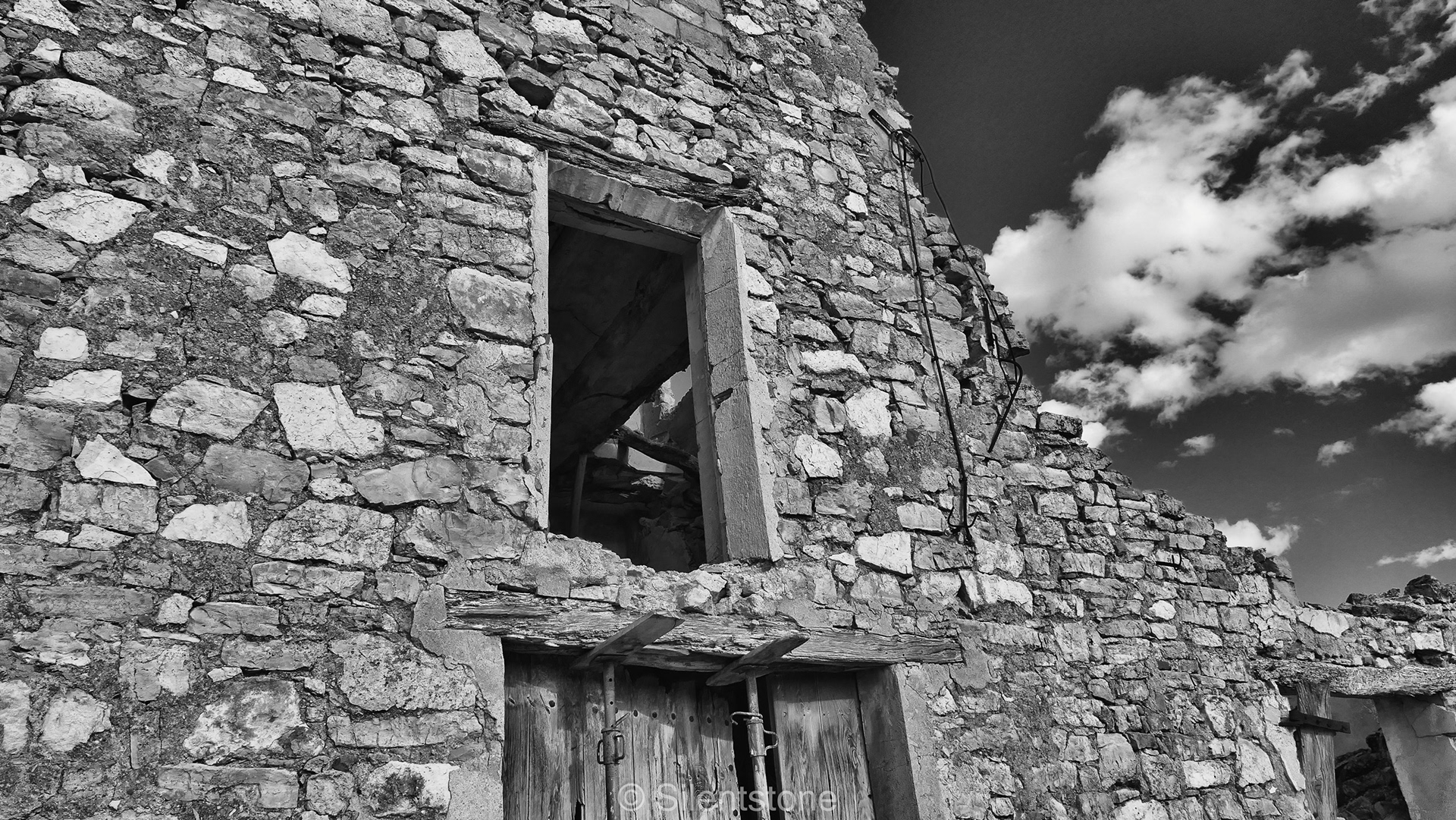
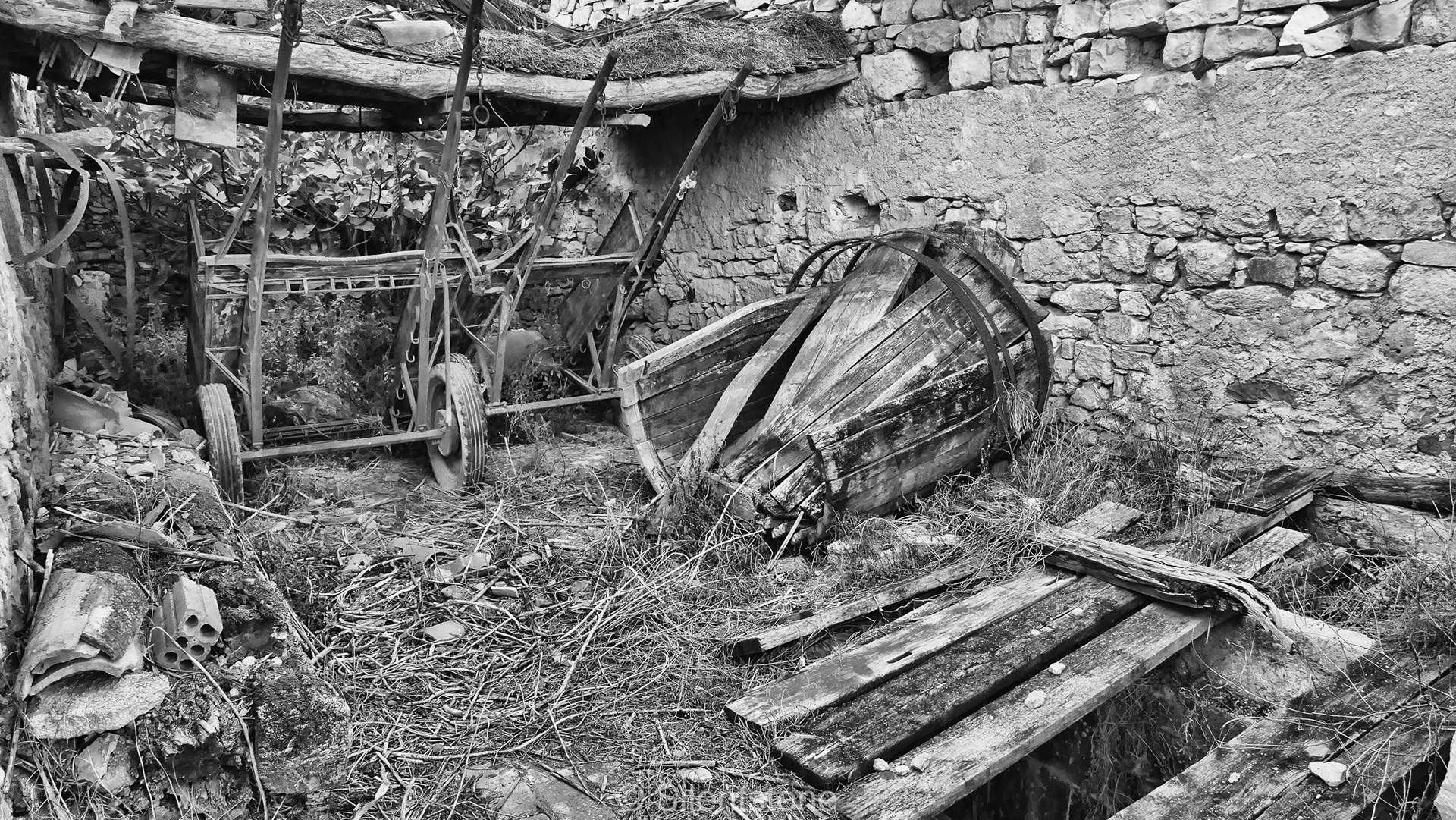
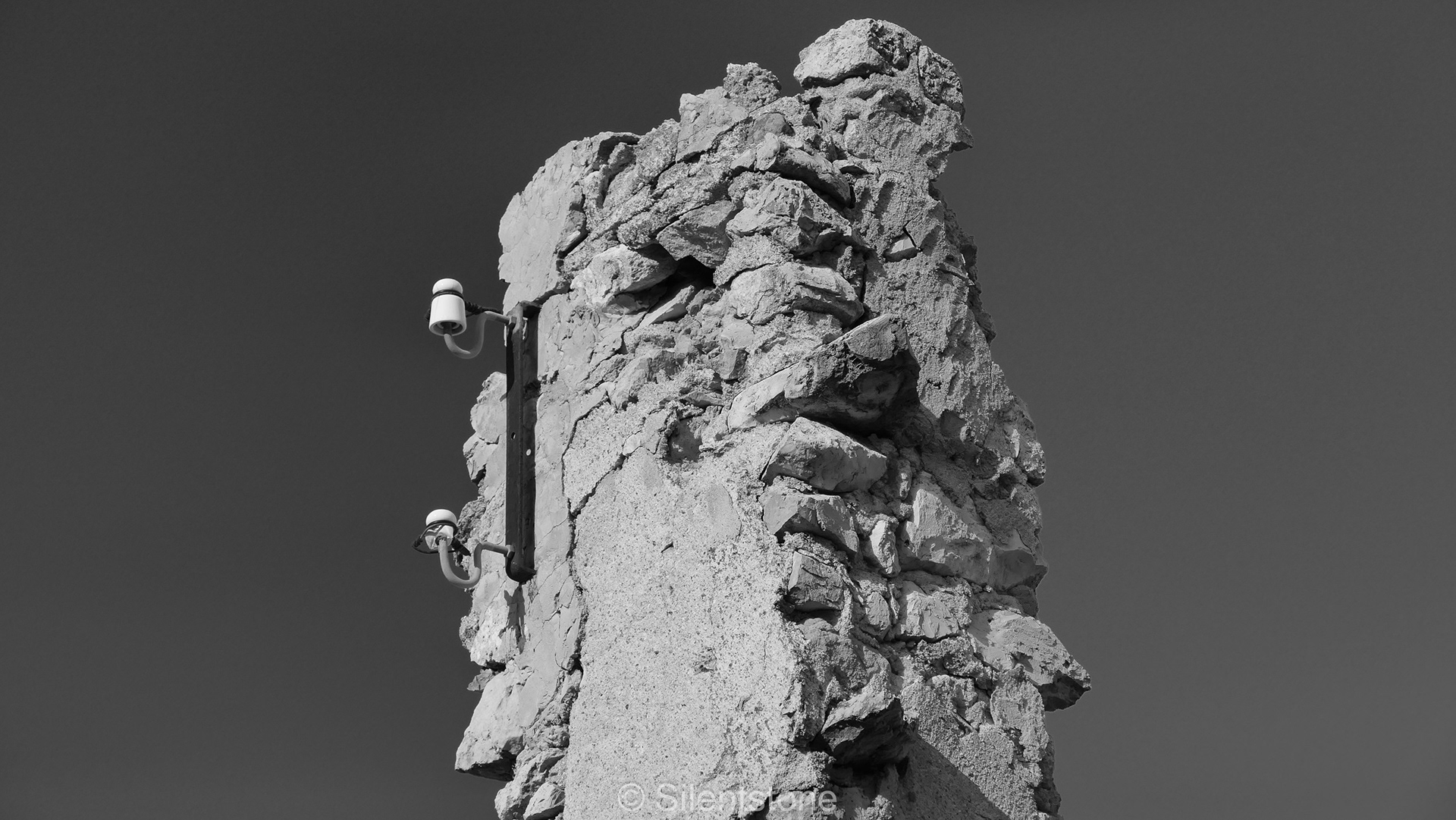
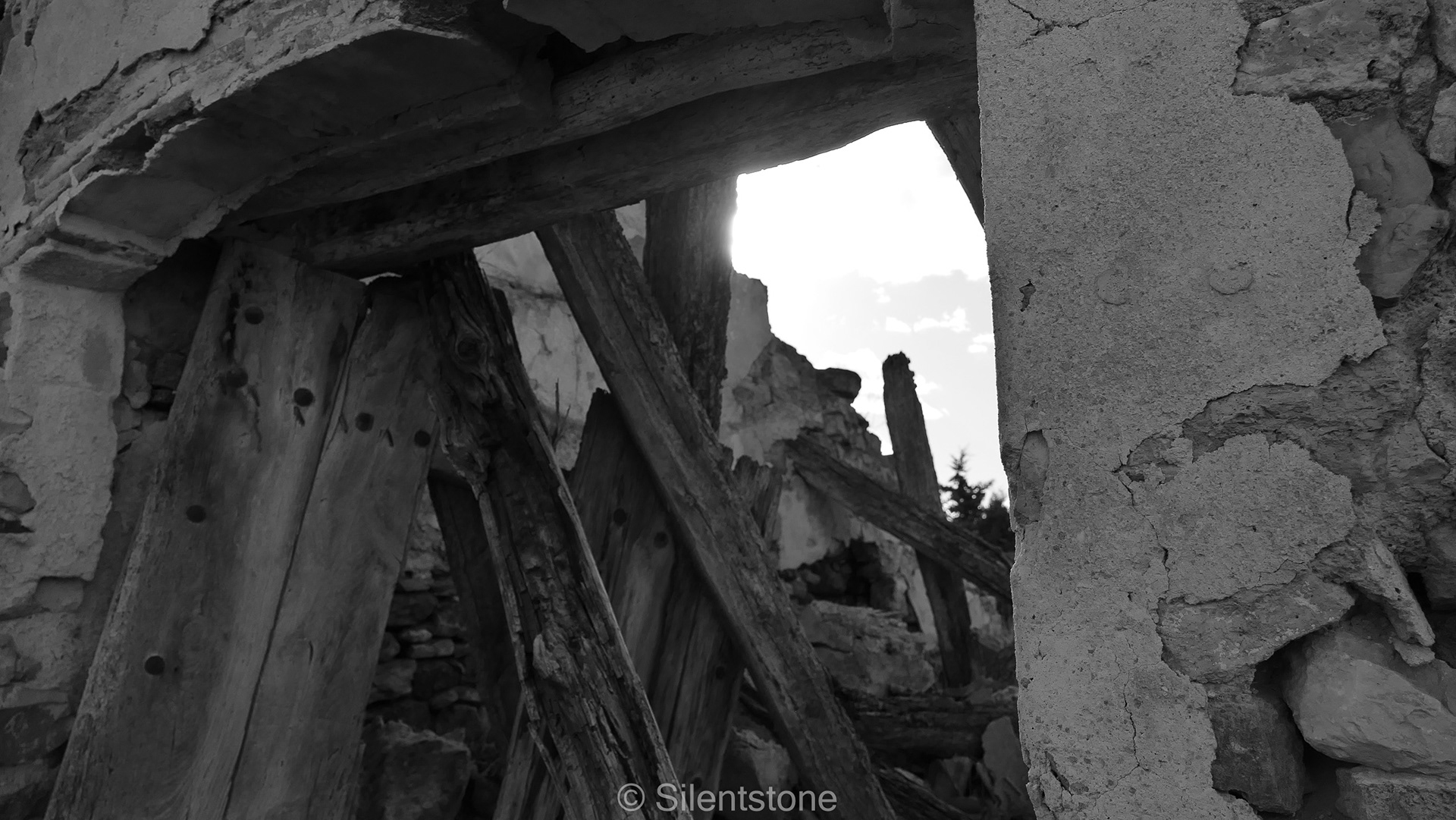
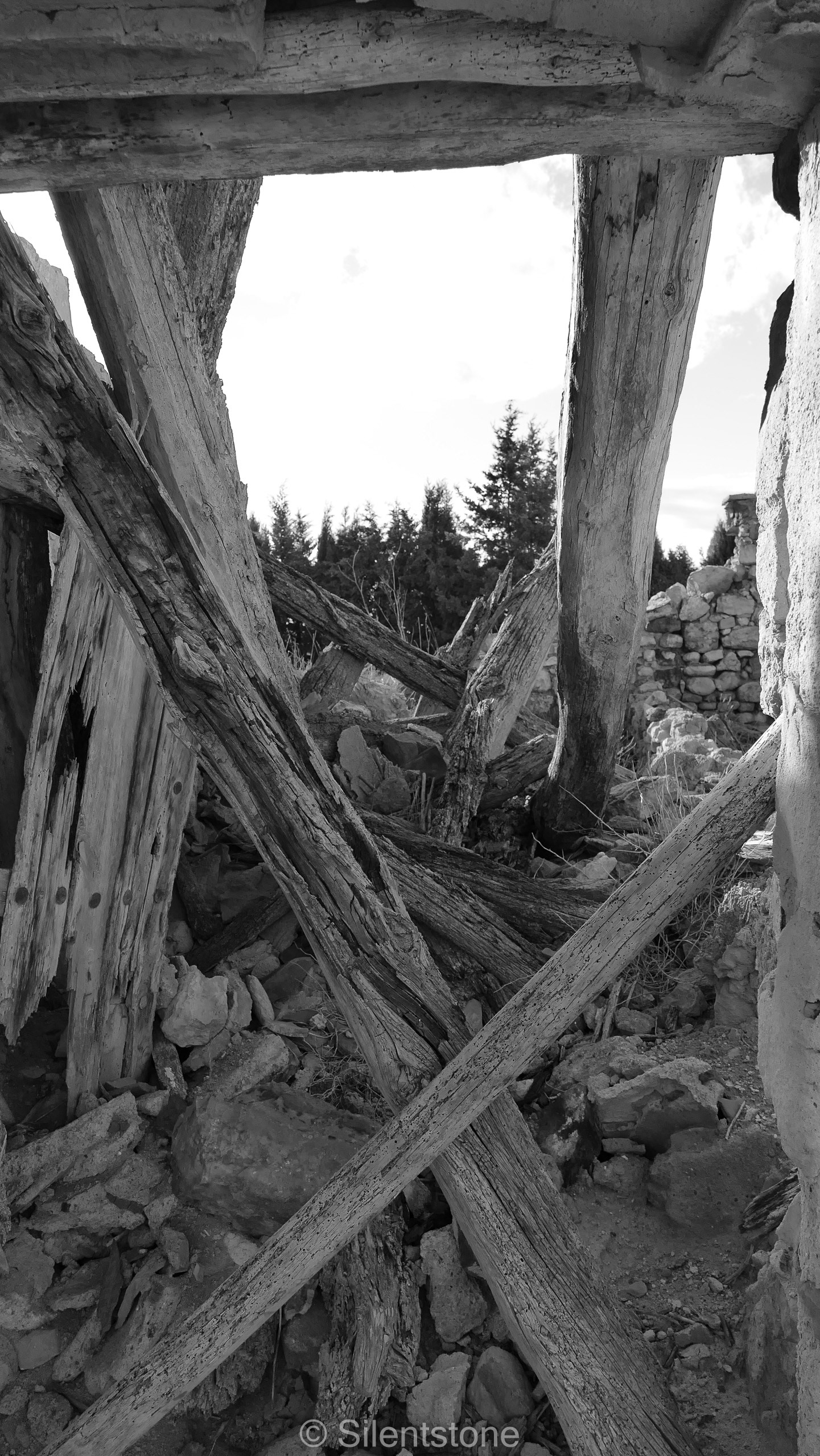
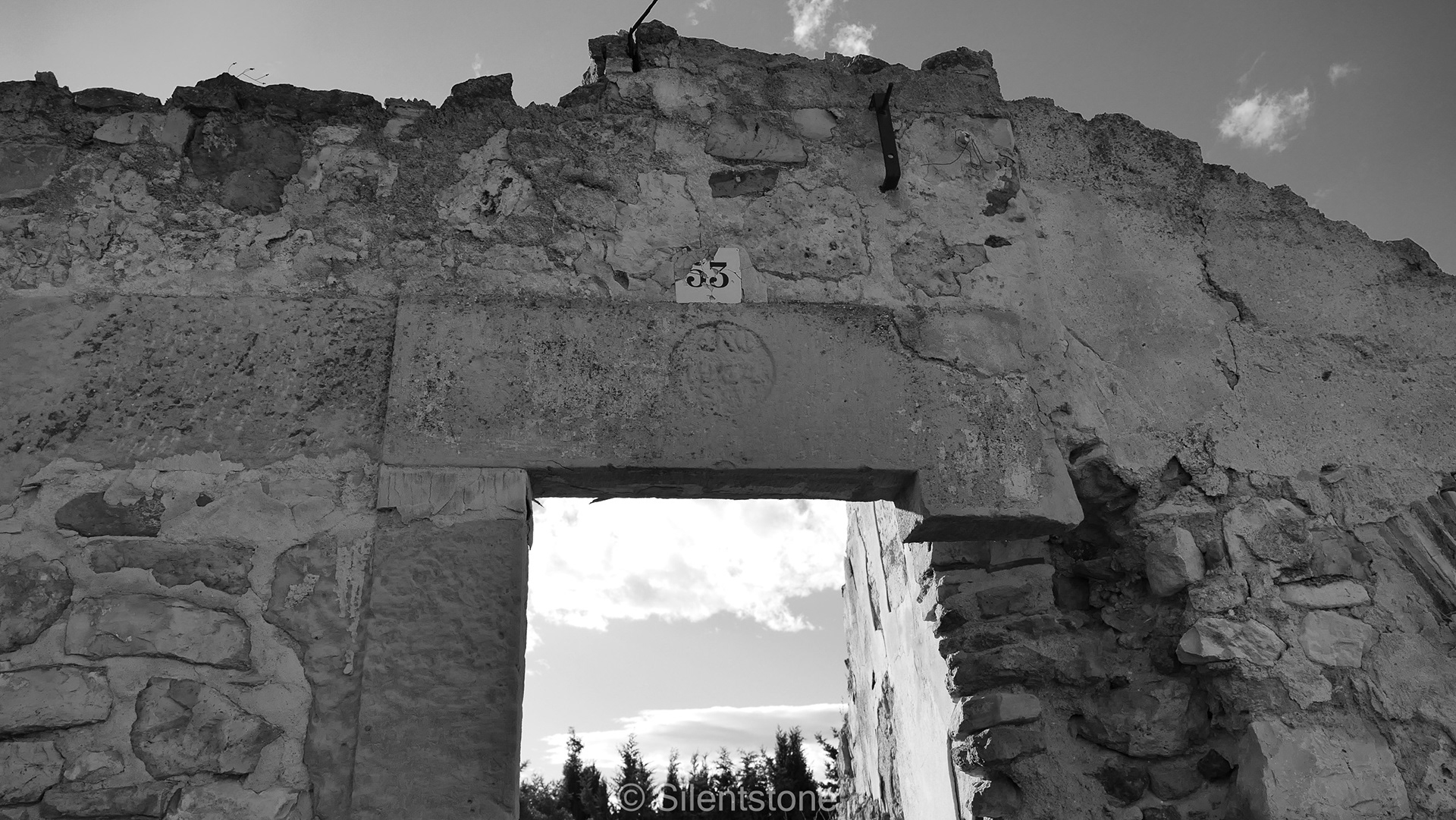
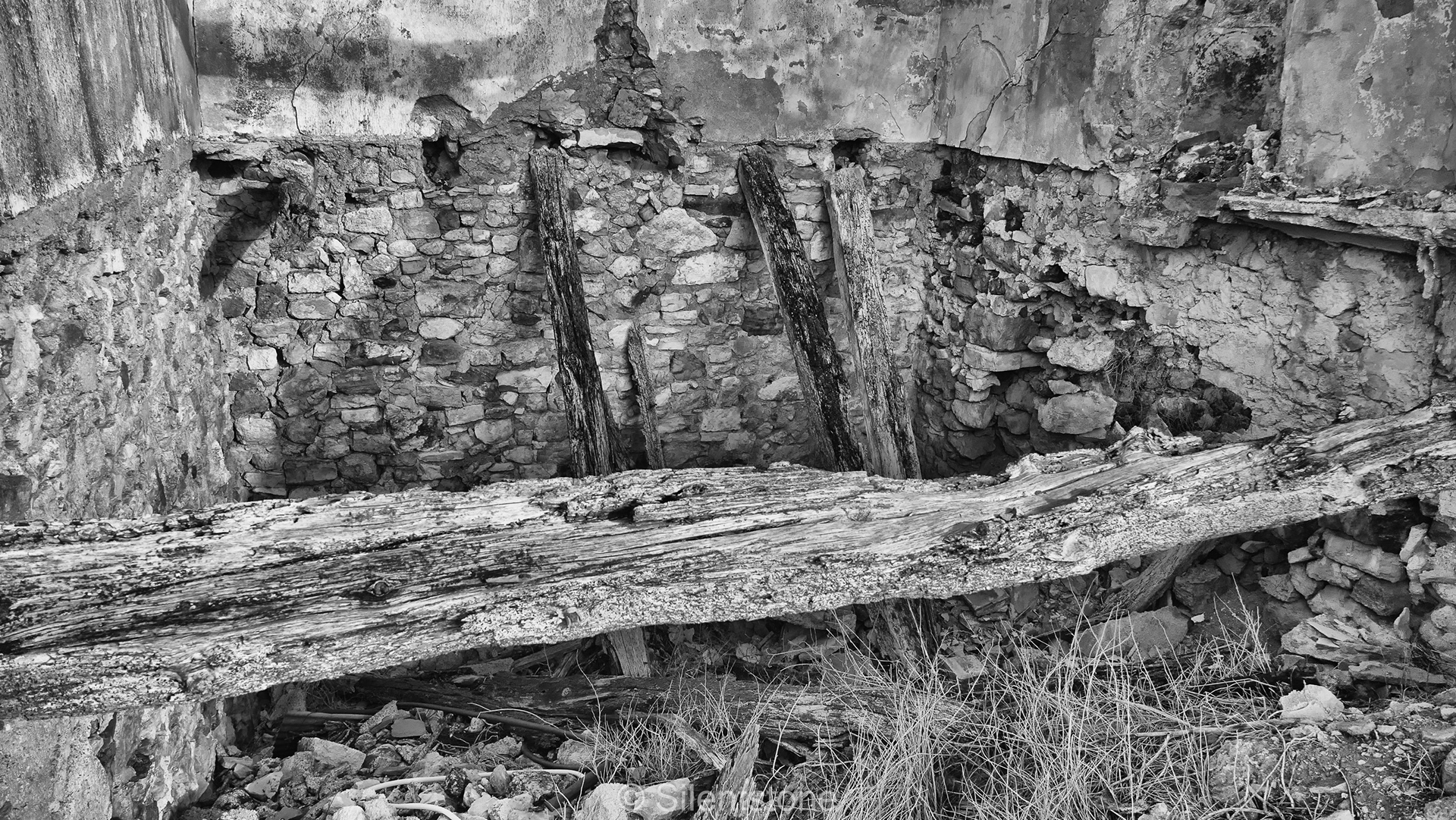
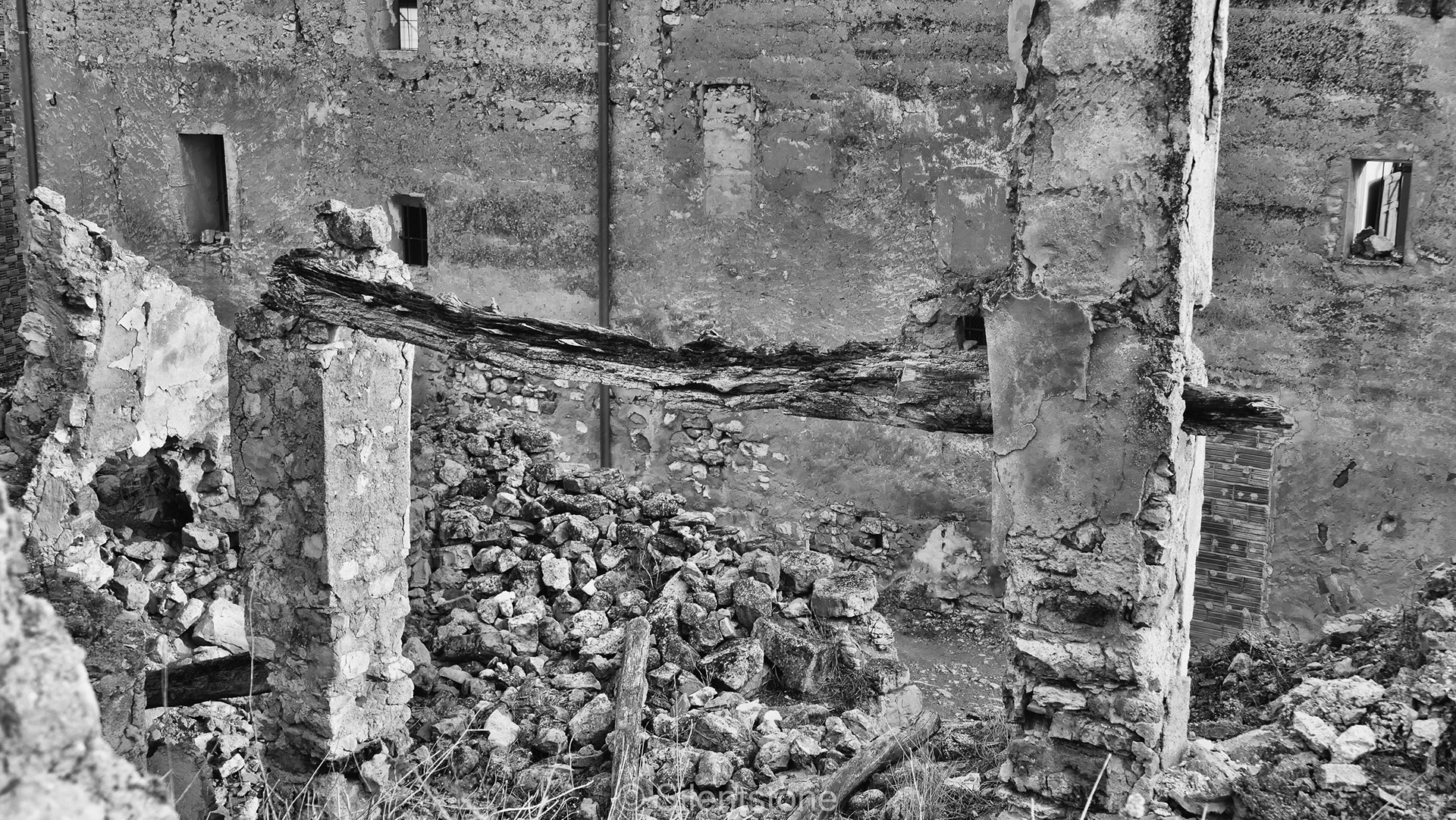
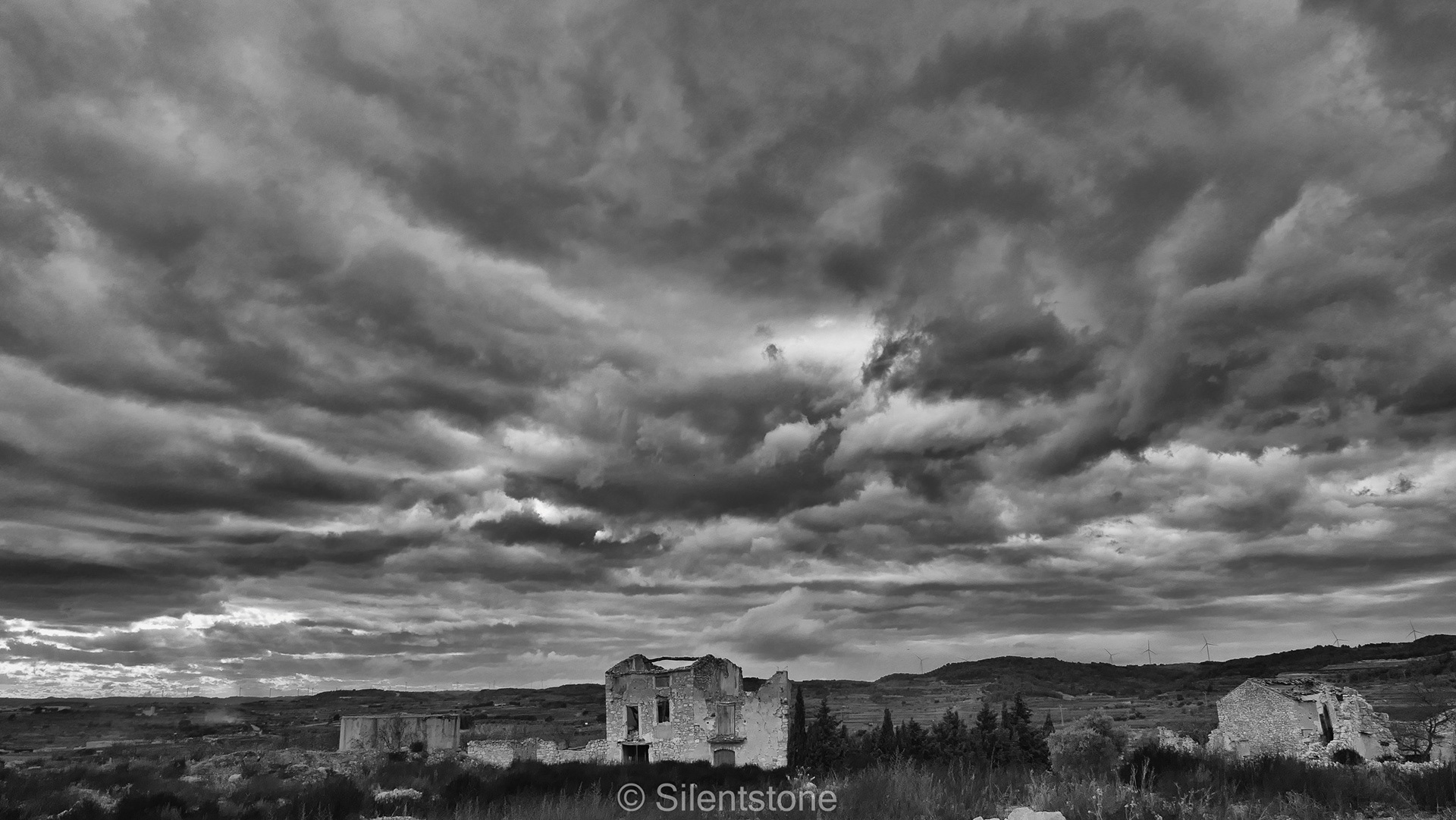
Total Destruction: By the end of the 115-day battle, the village was almost entirely leveled. Of the hundreds of houses that once sheltered families, only hollow shells remained. The survivors were forced to flee or hide in nearby caves, leaving behind their lives, their heritage, and their neighbors.
The Human Atrocity: A Legacy of Shame
Corbera d’Ebre is not just a collection of stones; it is a manifestation of the shame that humanity carries for its capacity to destroy itself.
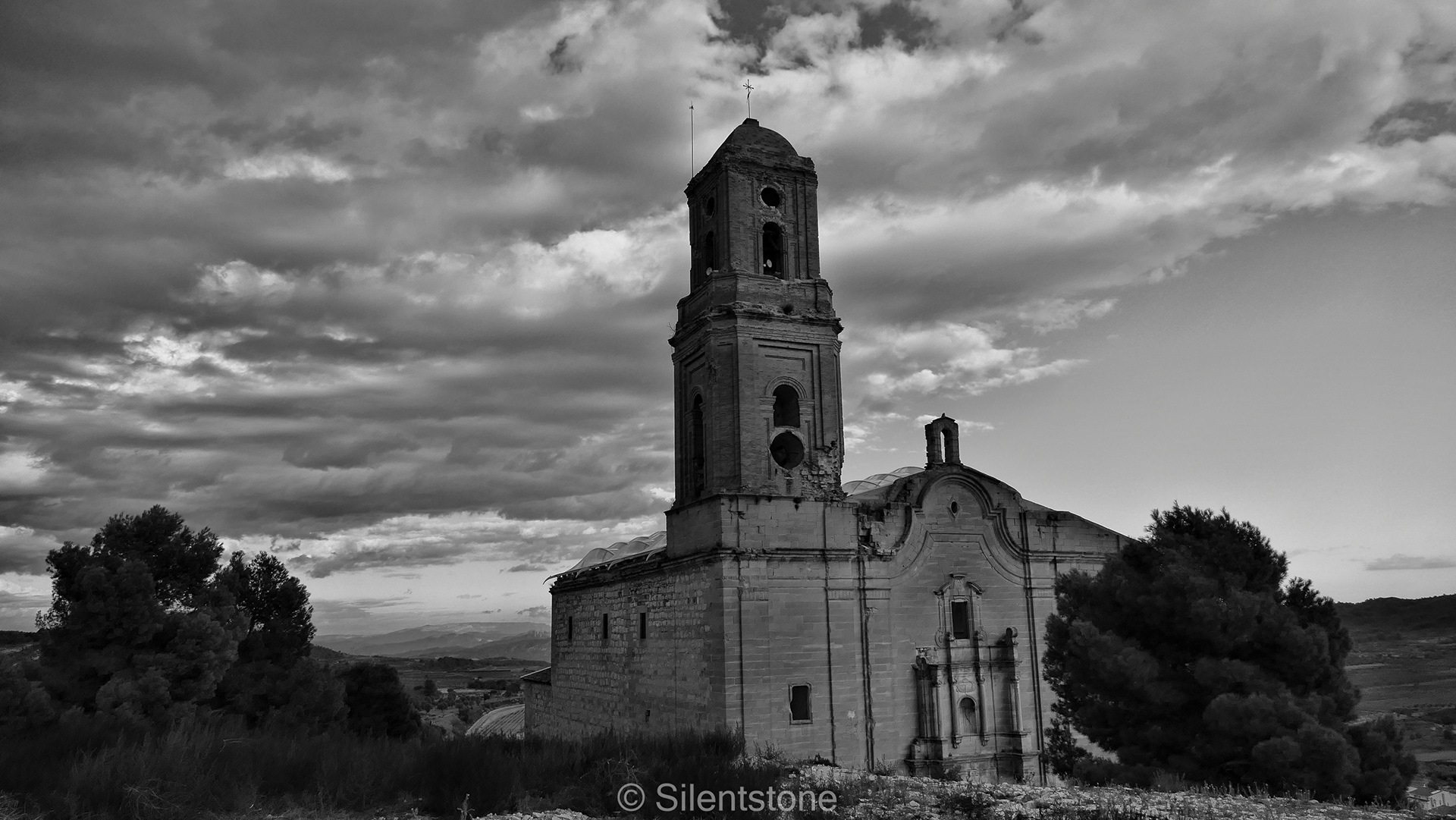
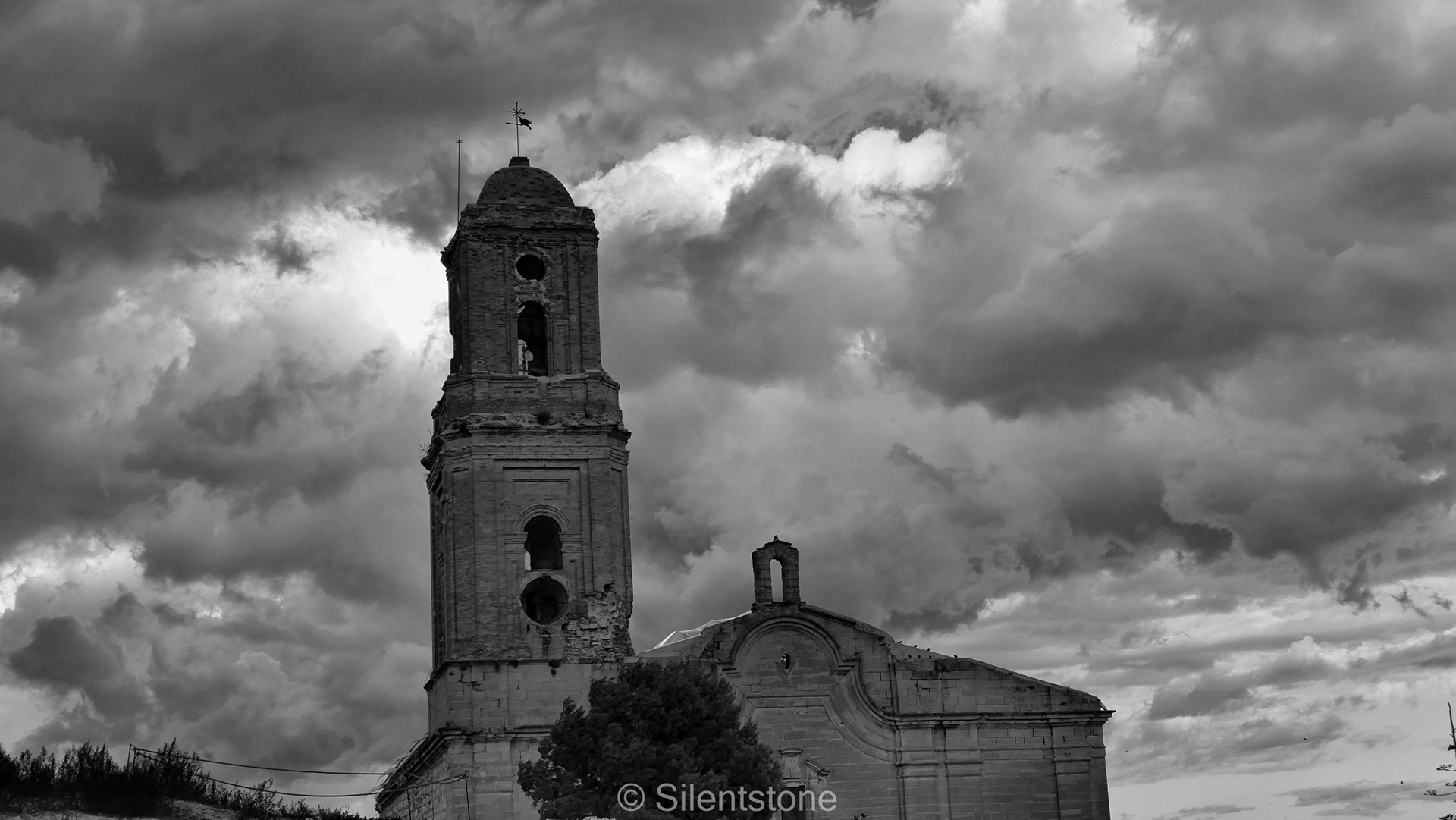
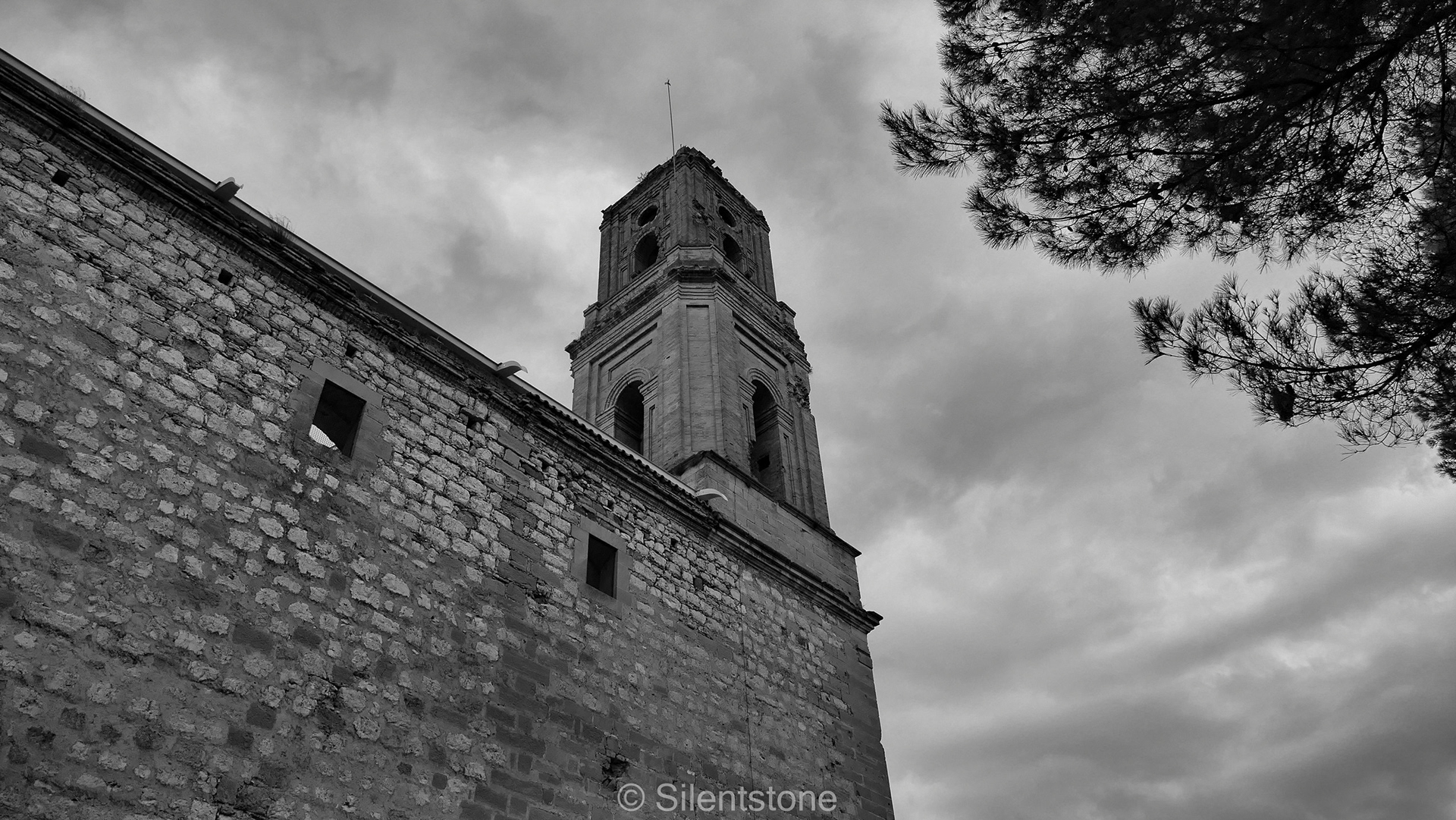
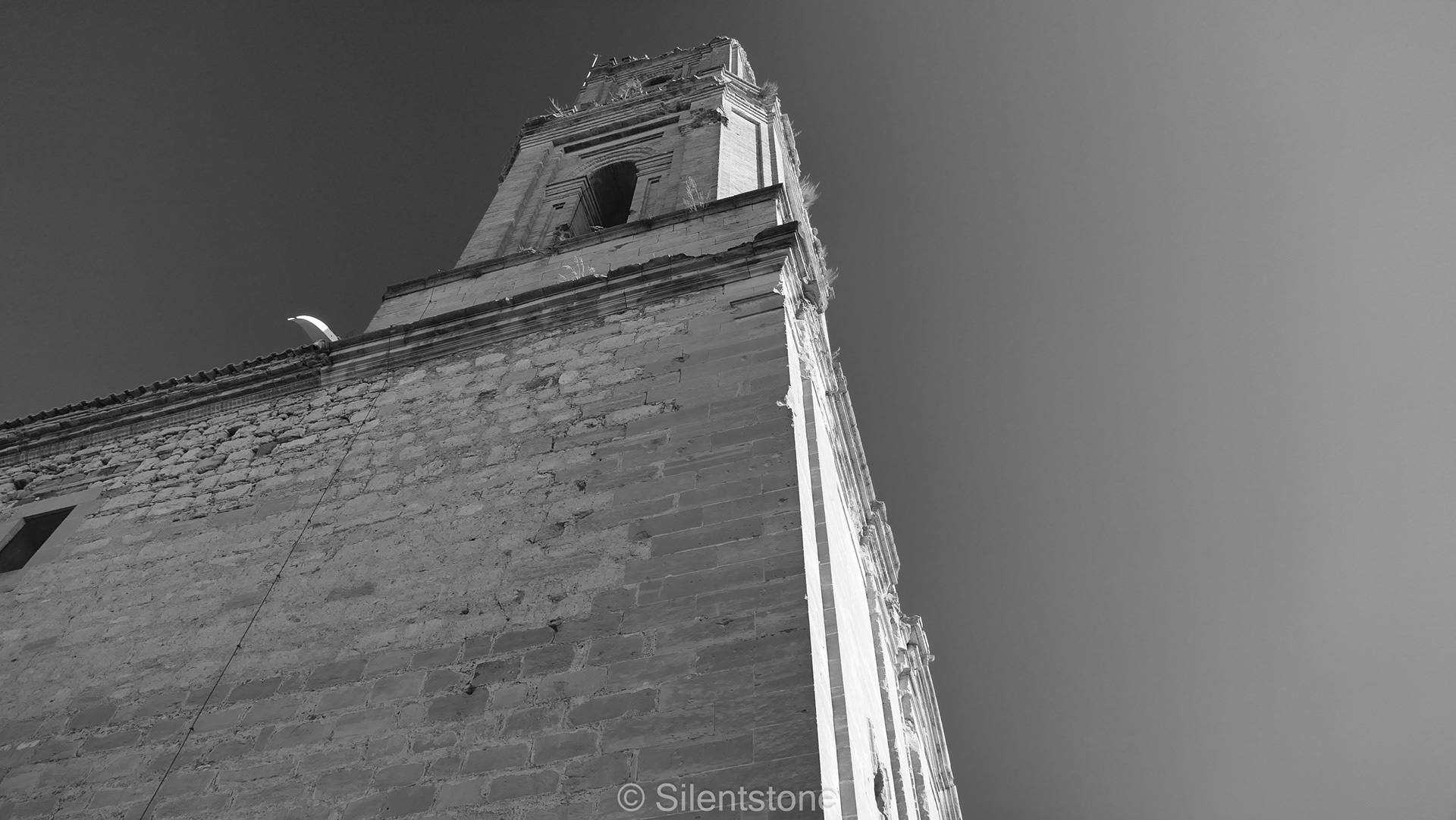
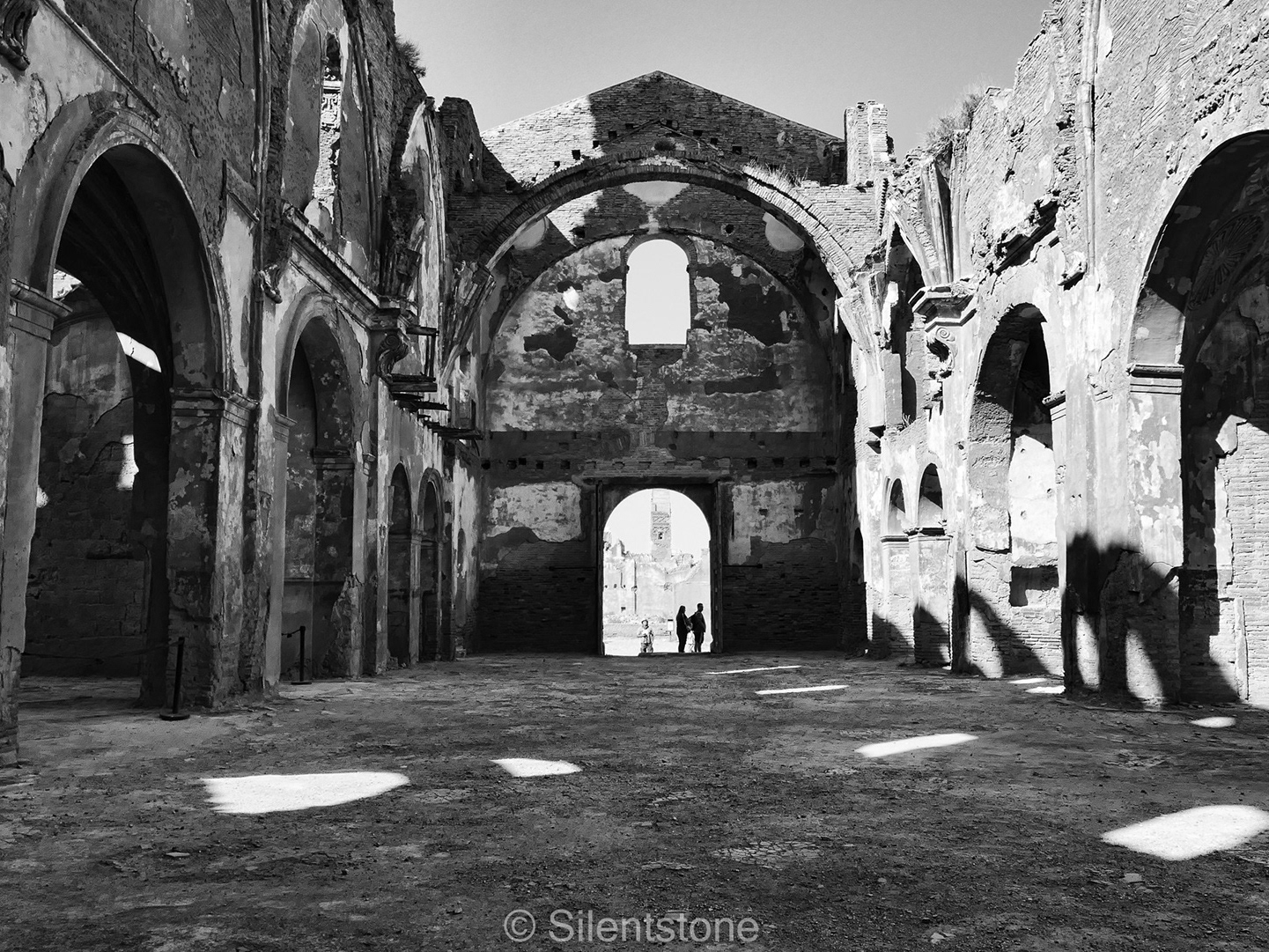
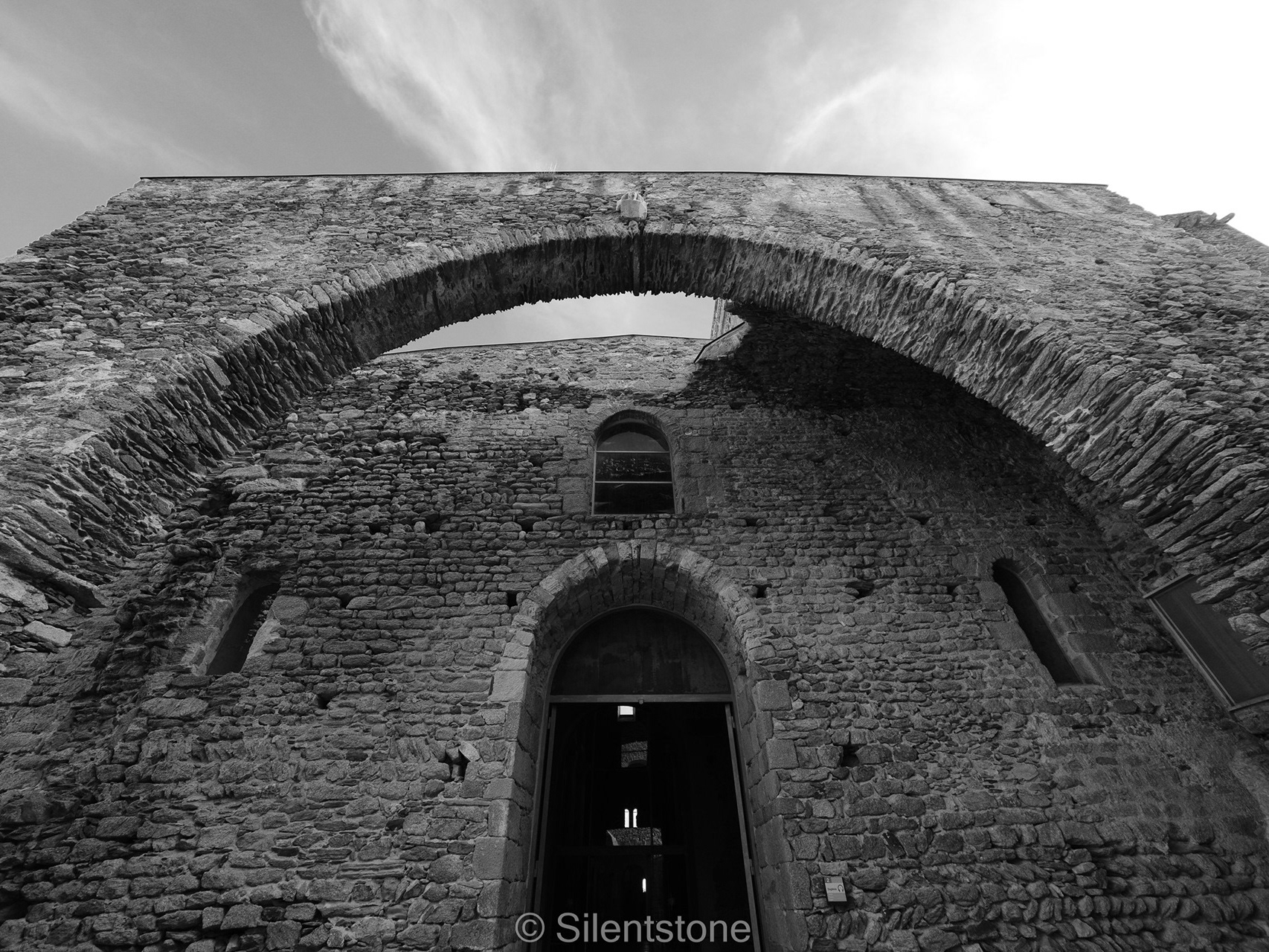
To look upon the skeletal remains of the Church of Sant Pere is to confront a mirror of our own darkest impulses. The atrocities committed here represent a profound failure of the human spirit:
Brothers fought against brothers, and ideological lines became excuses for cold-blooded slaughter.
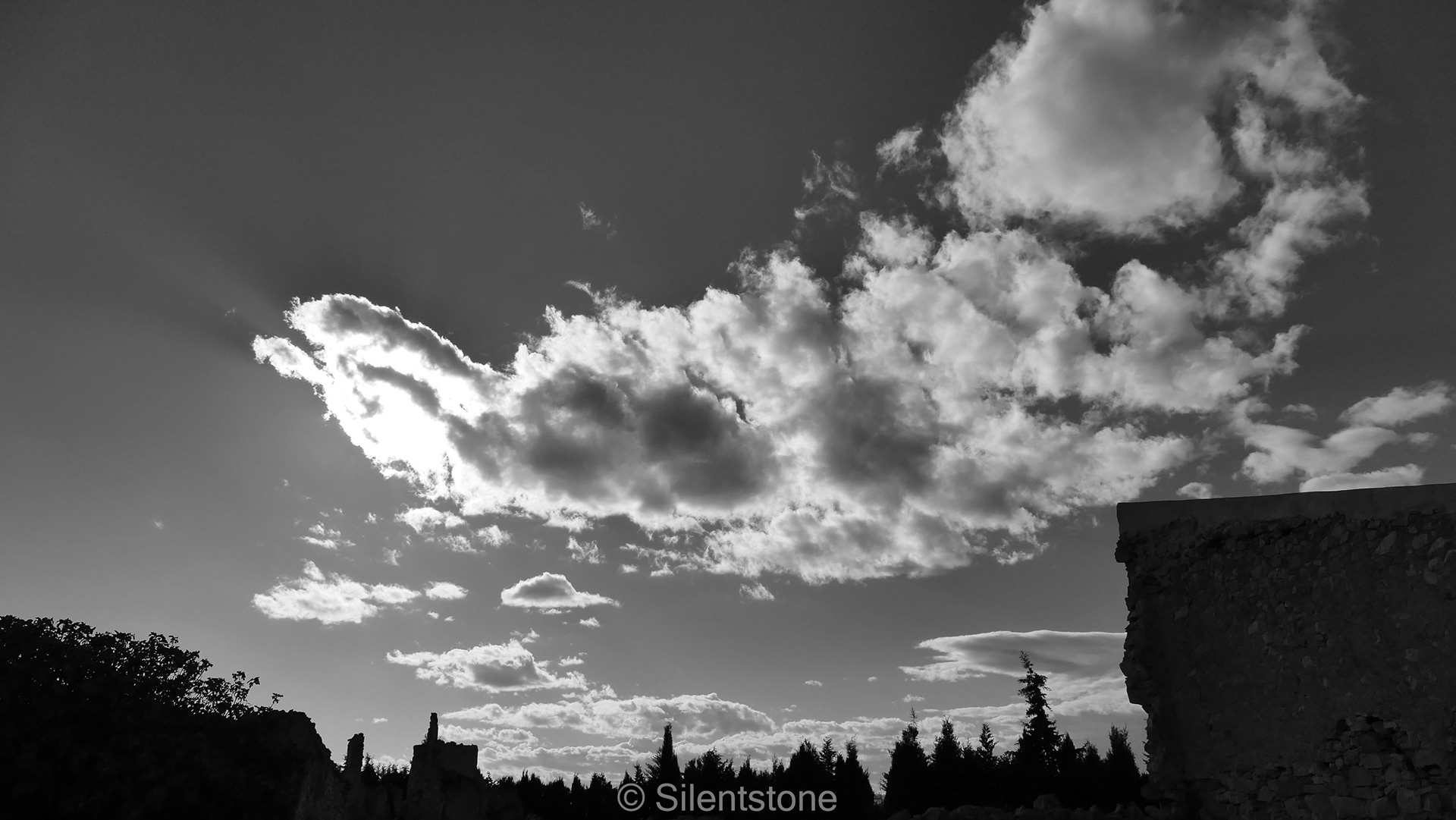
The ruins stand as a testament to the horror of modern warfare, where technology was used for the first time on such a scale to annihilate civilian centers from the safety of the clouds.
For decades, the suffering of those in Corbera was met with a forced silence. The ruins remind us that the greatest atrocity is not just the act of violence, but the subsequent attempt to erase or justify the pain of the victims.
To see Corbera is to understand that war has no winners, only different degrees of loss.
The Poble Vell Today: An Alphabet of Hope
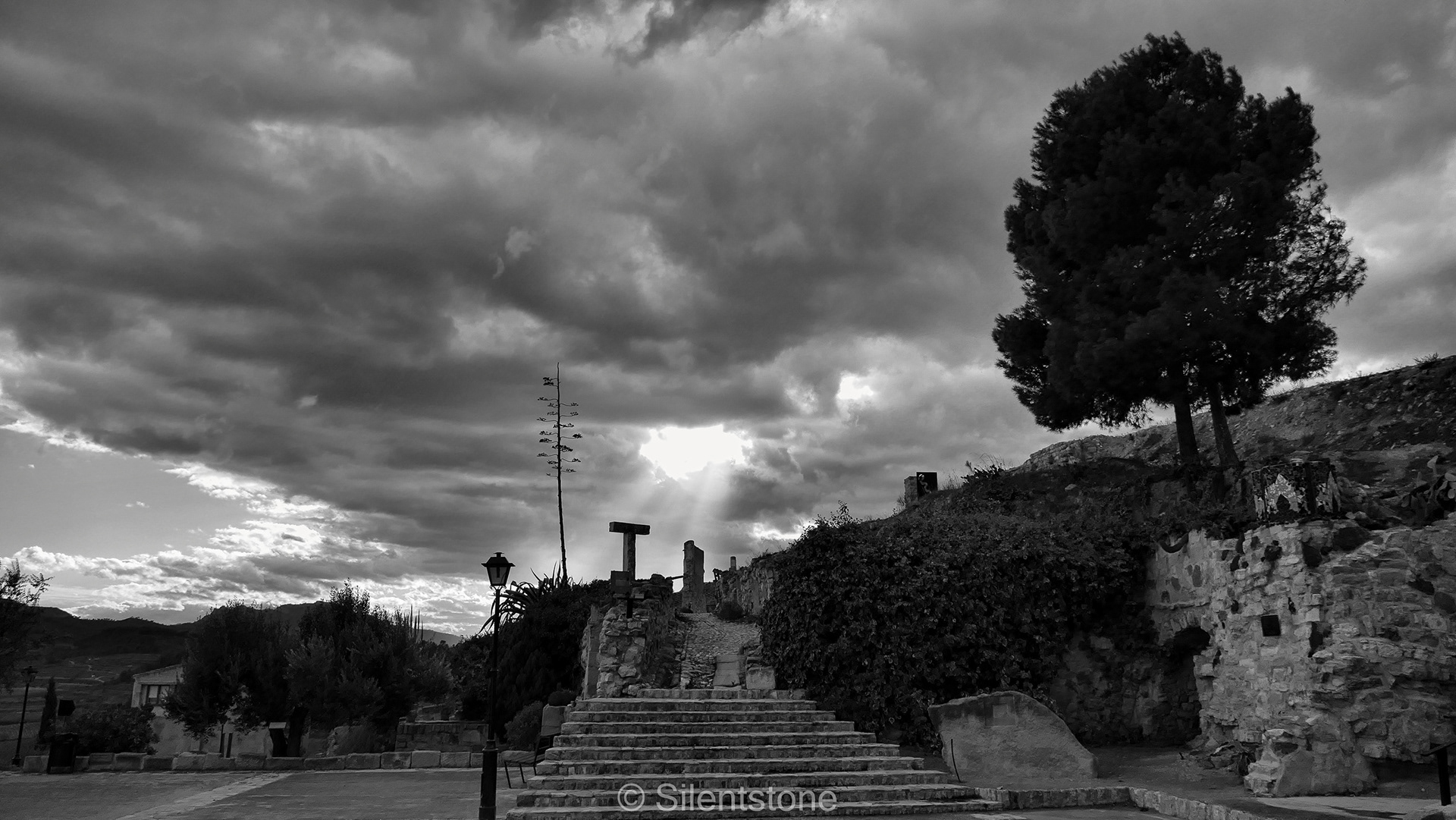
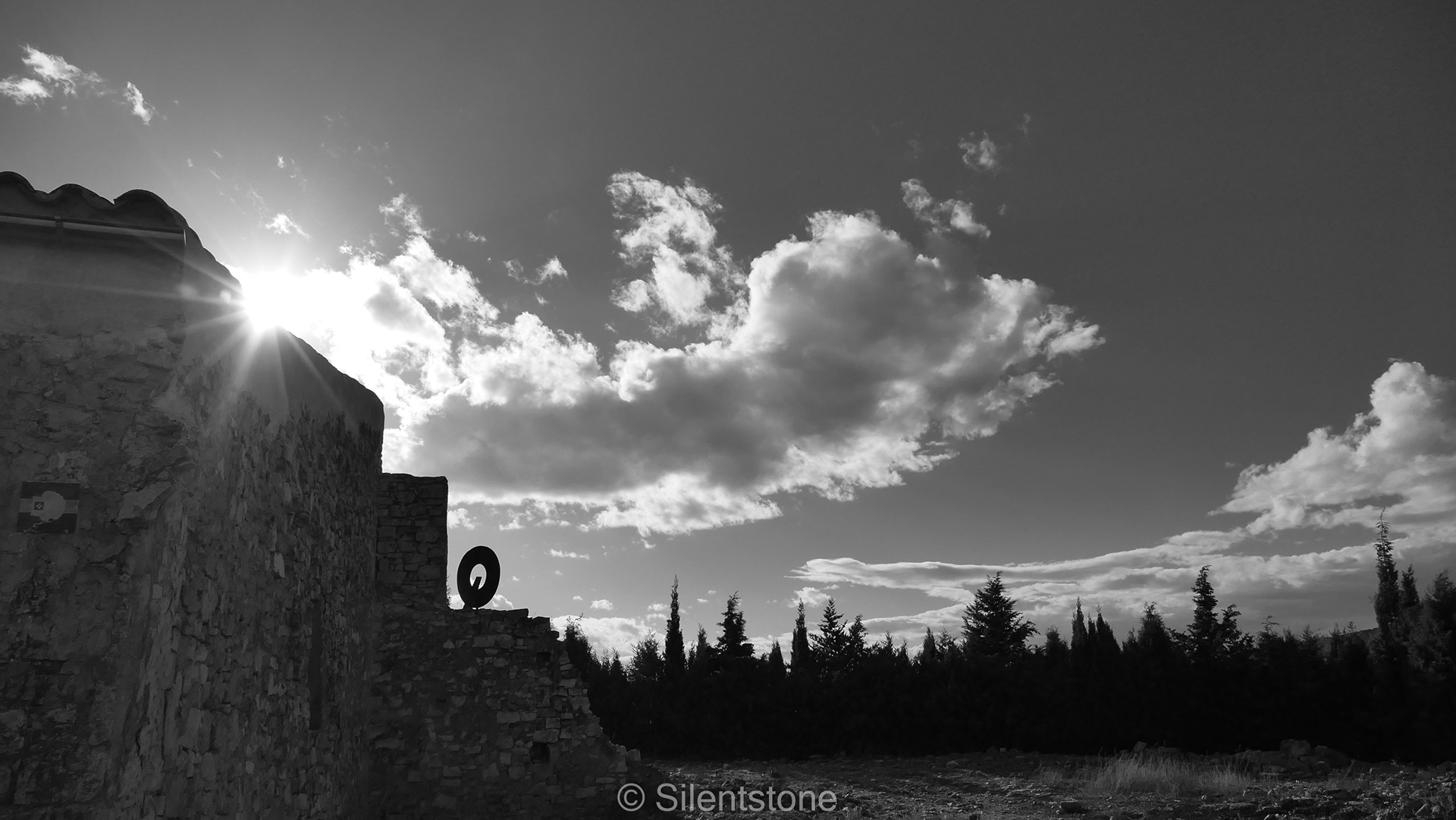
Today, the ruins serve as the Abecedari de la Llibertat (The Alphabet of Freedom). Twenty-eight sculptures, each representing a letter of the alphabet, are scattered among the ruins, turning a site of massacre into a classroom for peace.
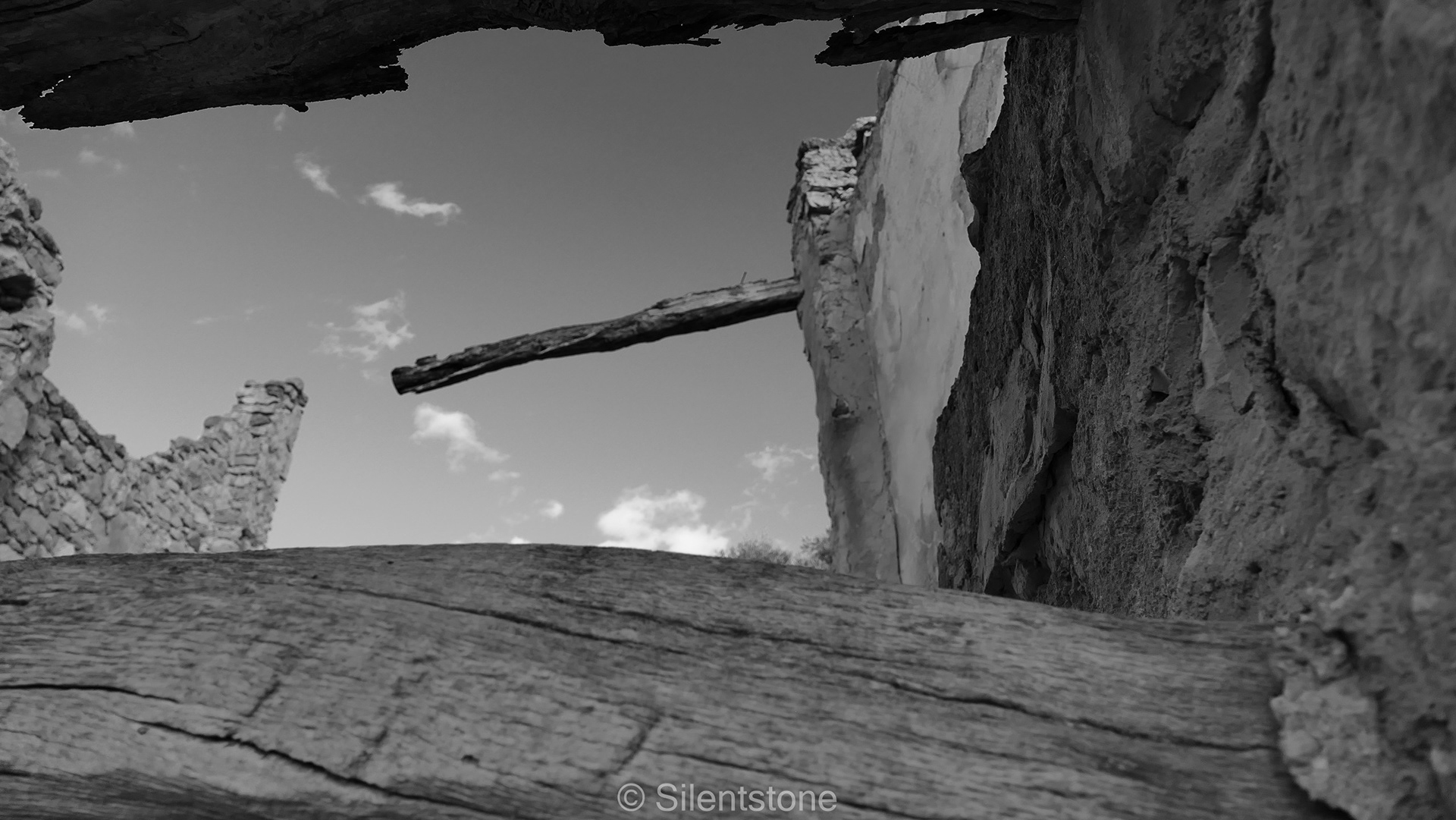
Visitors walk through the roofless church, looking up at the same sky that once brought death, now seeing only the blue Mediterranean light. It is a place for reflection, for mourning, and for the heavy realization that we must do better.