The first time Granada calls to you, it does so in a whisper. Not with the roar of other cities, but with the veiled promise of an ancestral secret that only the worthy will discover. And I, naive, answered its call, drawn by the distant glisten of the Sierra Nevada, as immaculate as an unpainted canvas.
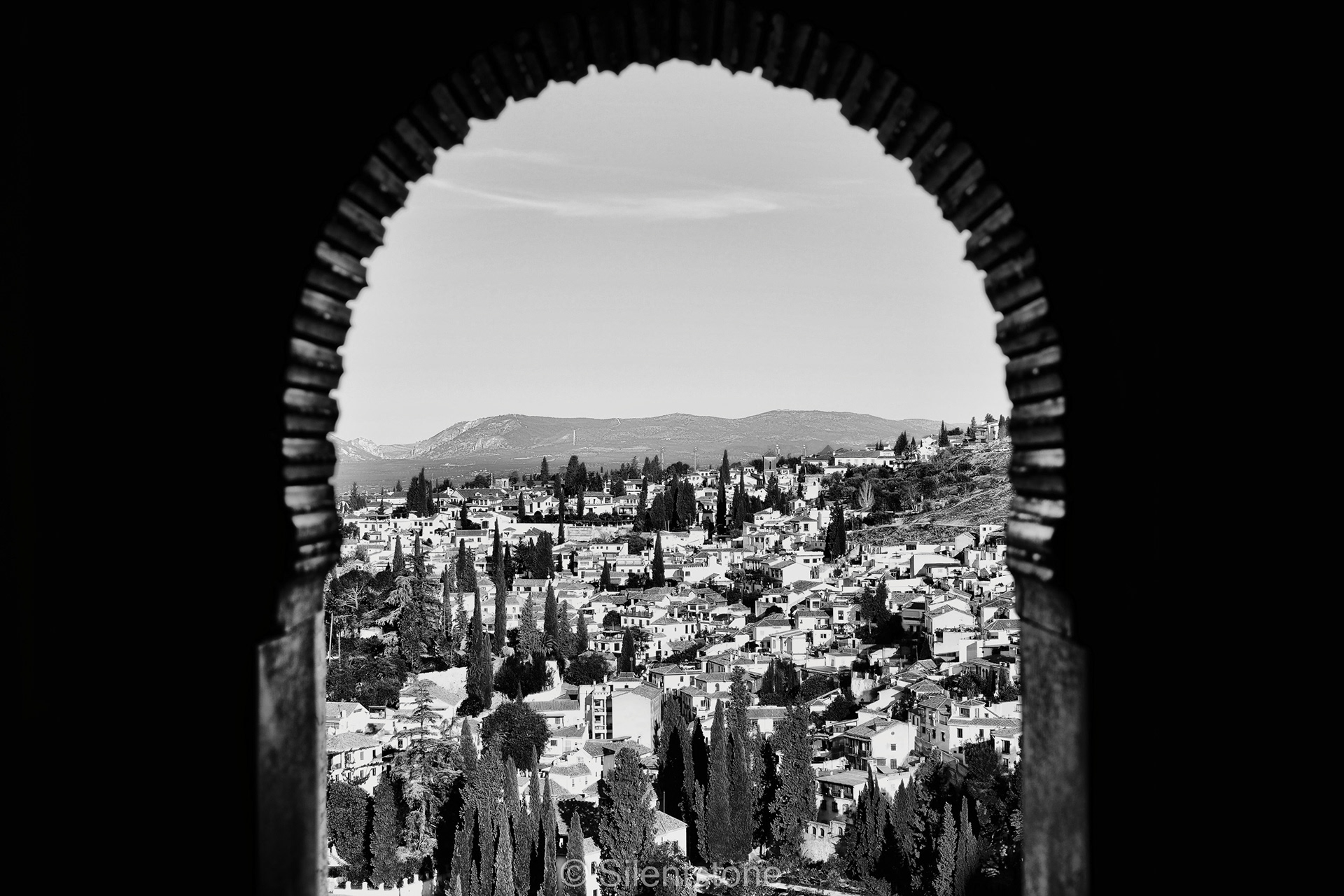
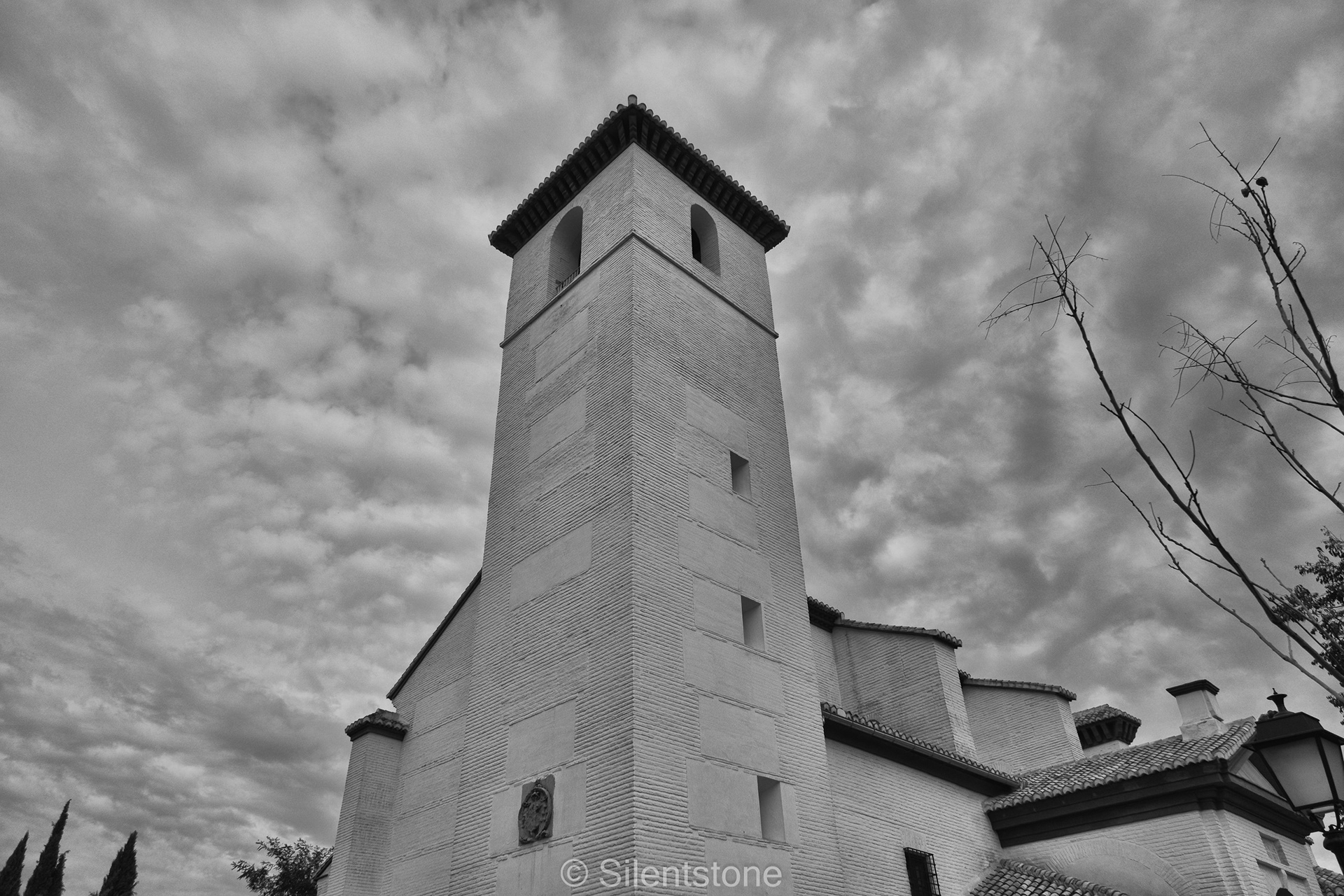
I arrived at dusk, when the shadows lengthened through the Albaicín, transforming every alleyway into a labyrinth of untold stories. The air, cold and clean, carried the scent of incense and jasmine from some hidden carmen. And then, I saw it.
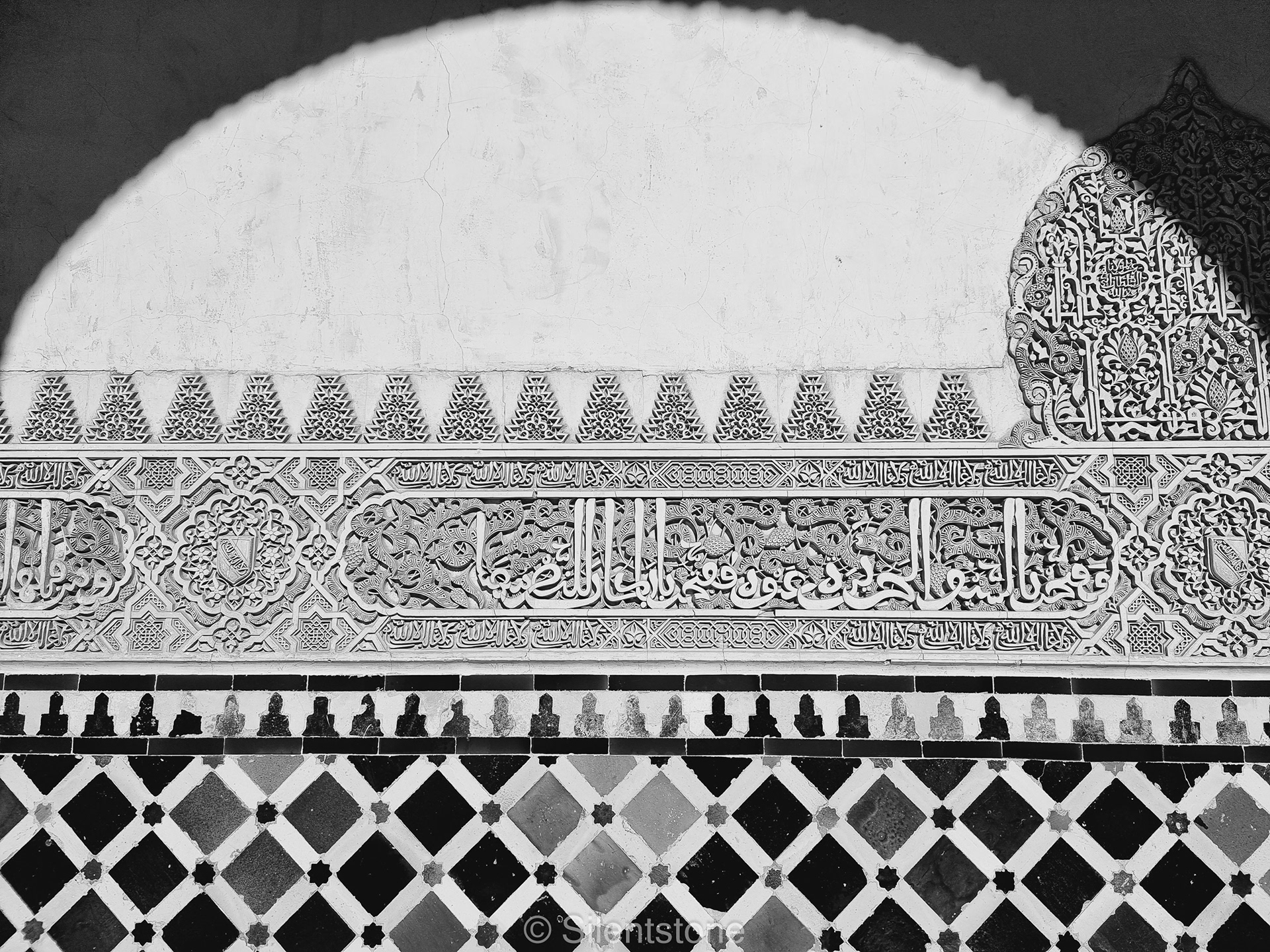
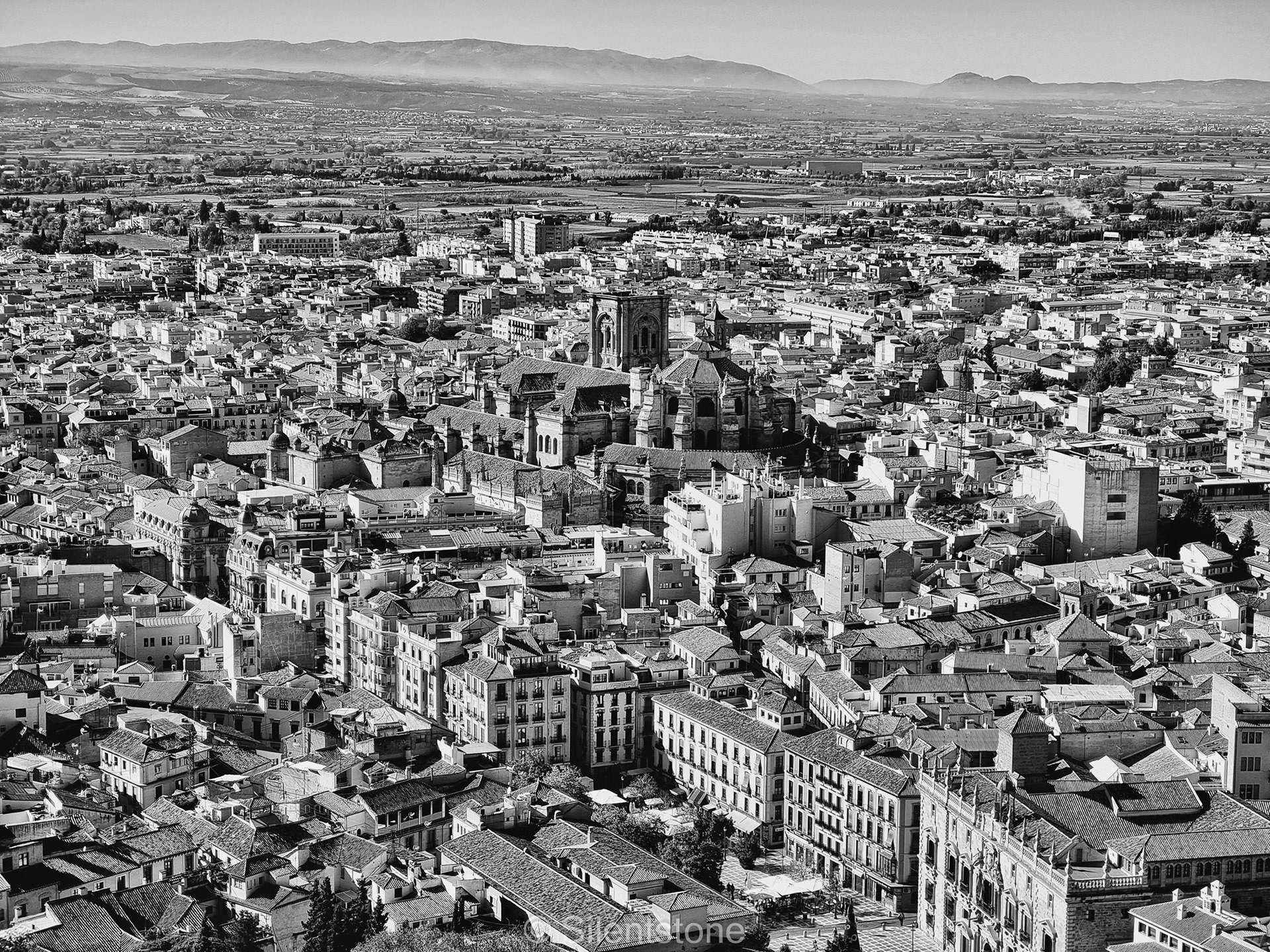
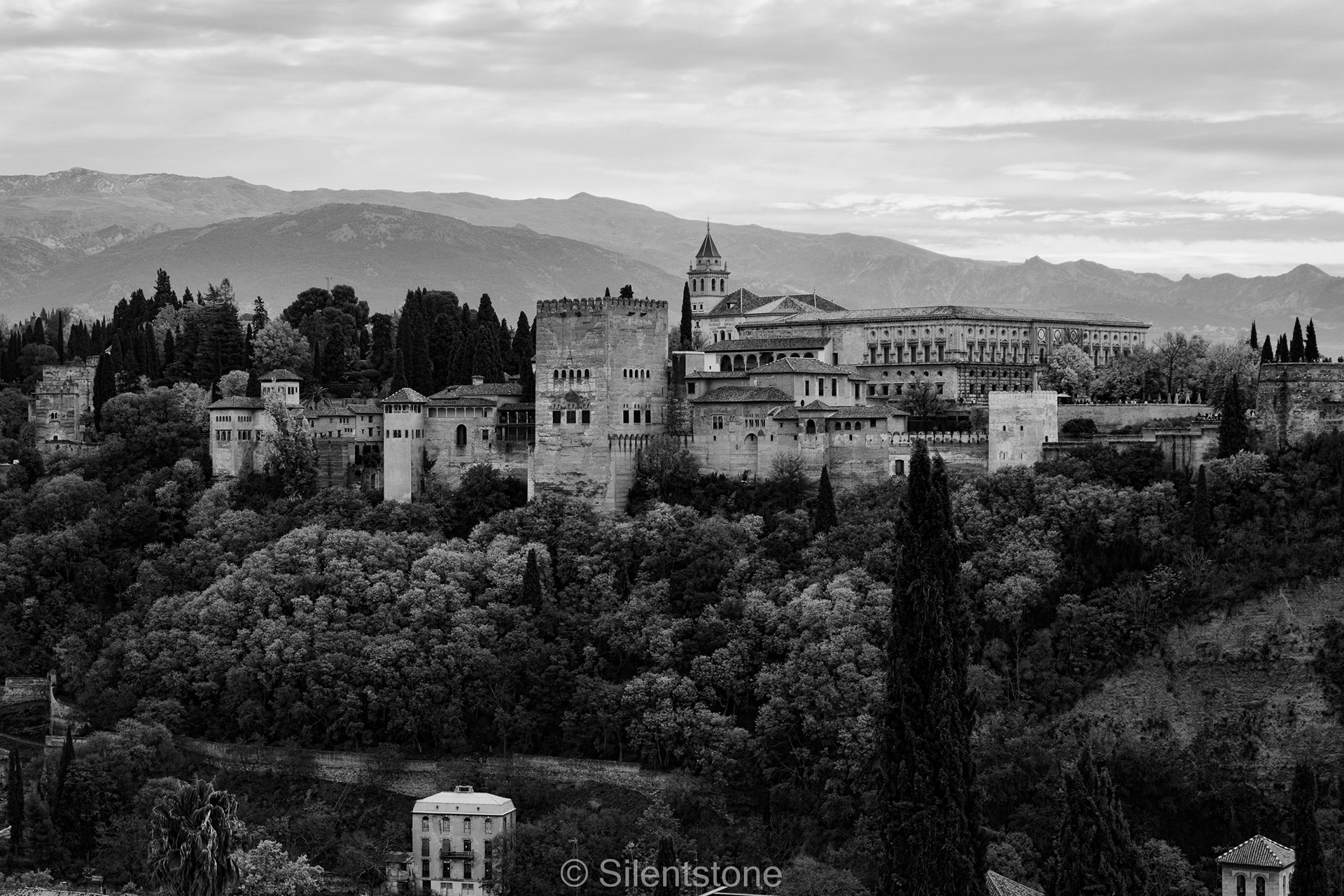
From the Mirador de San Nicolás, the Alhambra was not just a palace. It was a dream carved in red stone, perched upon the hill, with Sierra Nevada watching its back like a sentinel of crystal. Its towers, its walls, the Nasrid palaces... they were not inert. They seemed to float in time, suspended between the past and an unreachable eternity.
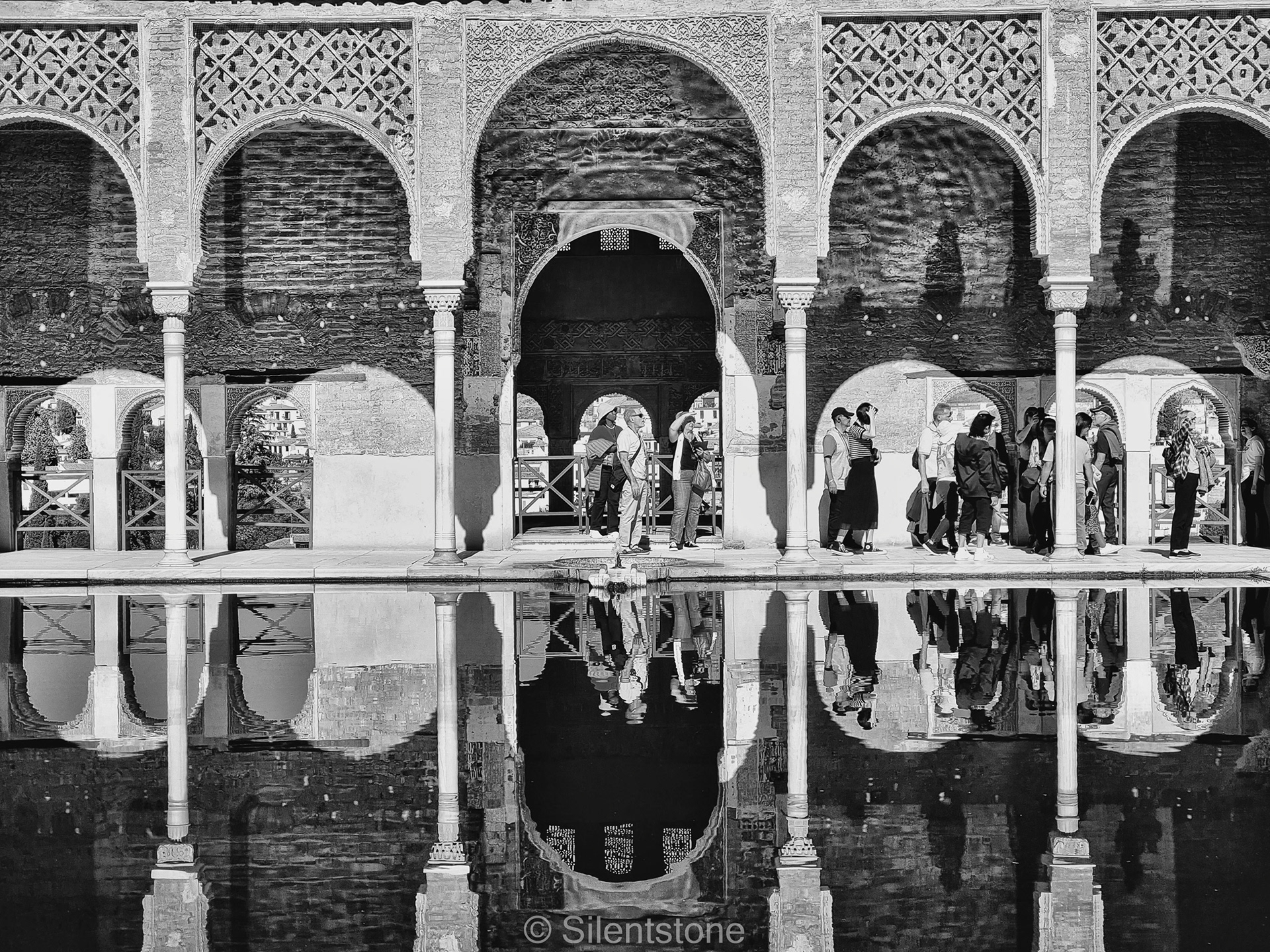
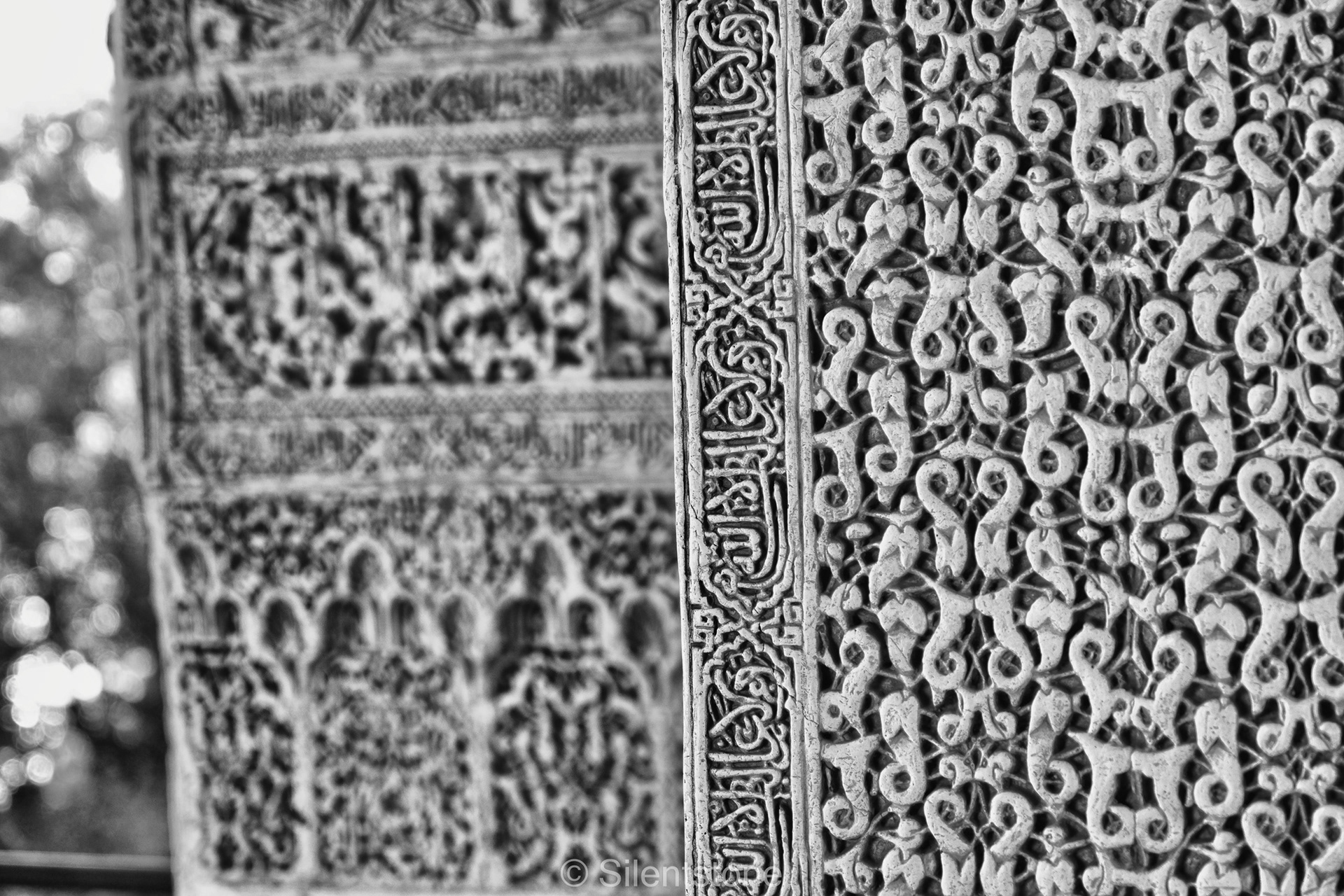
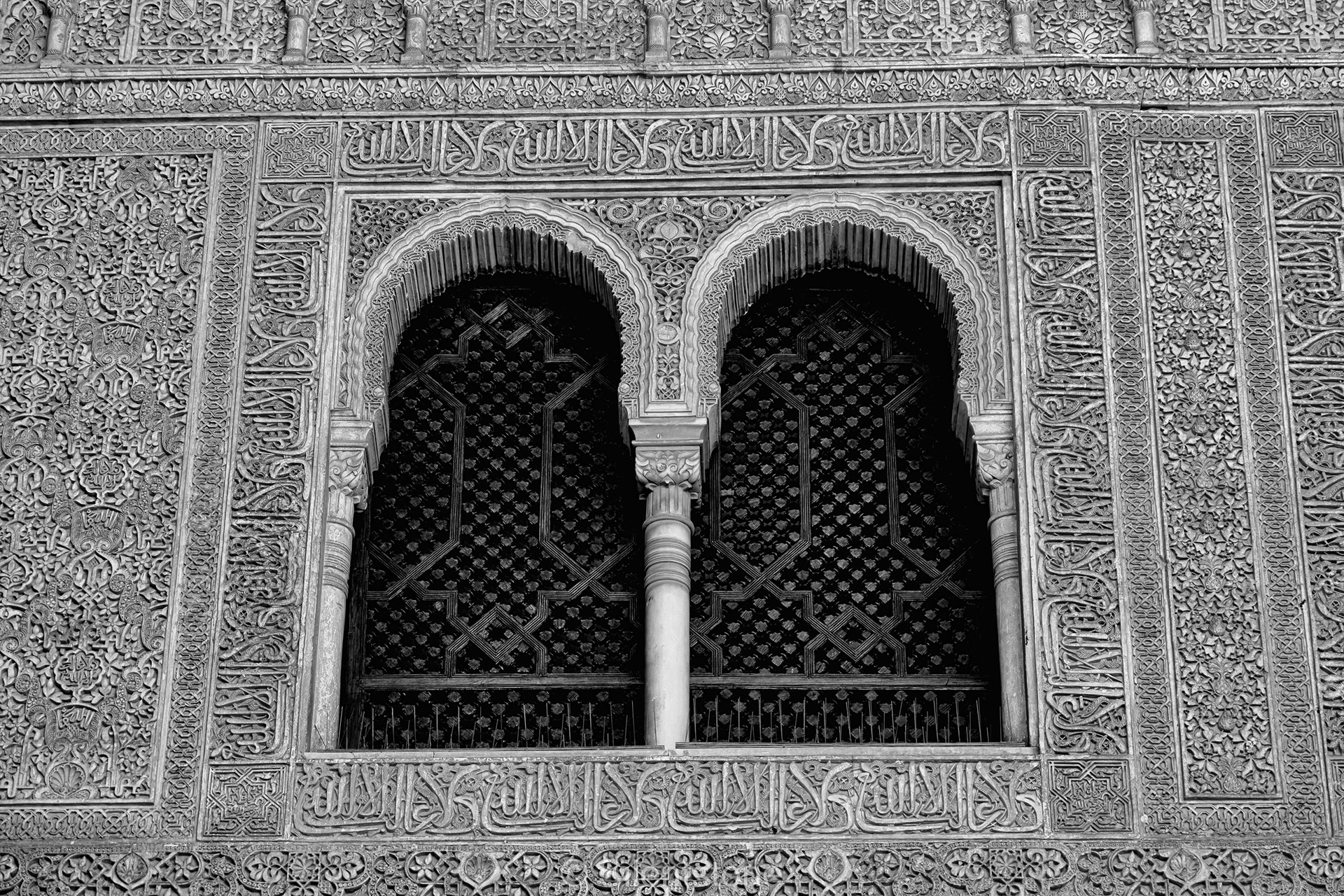
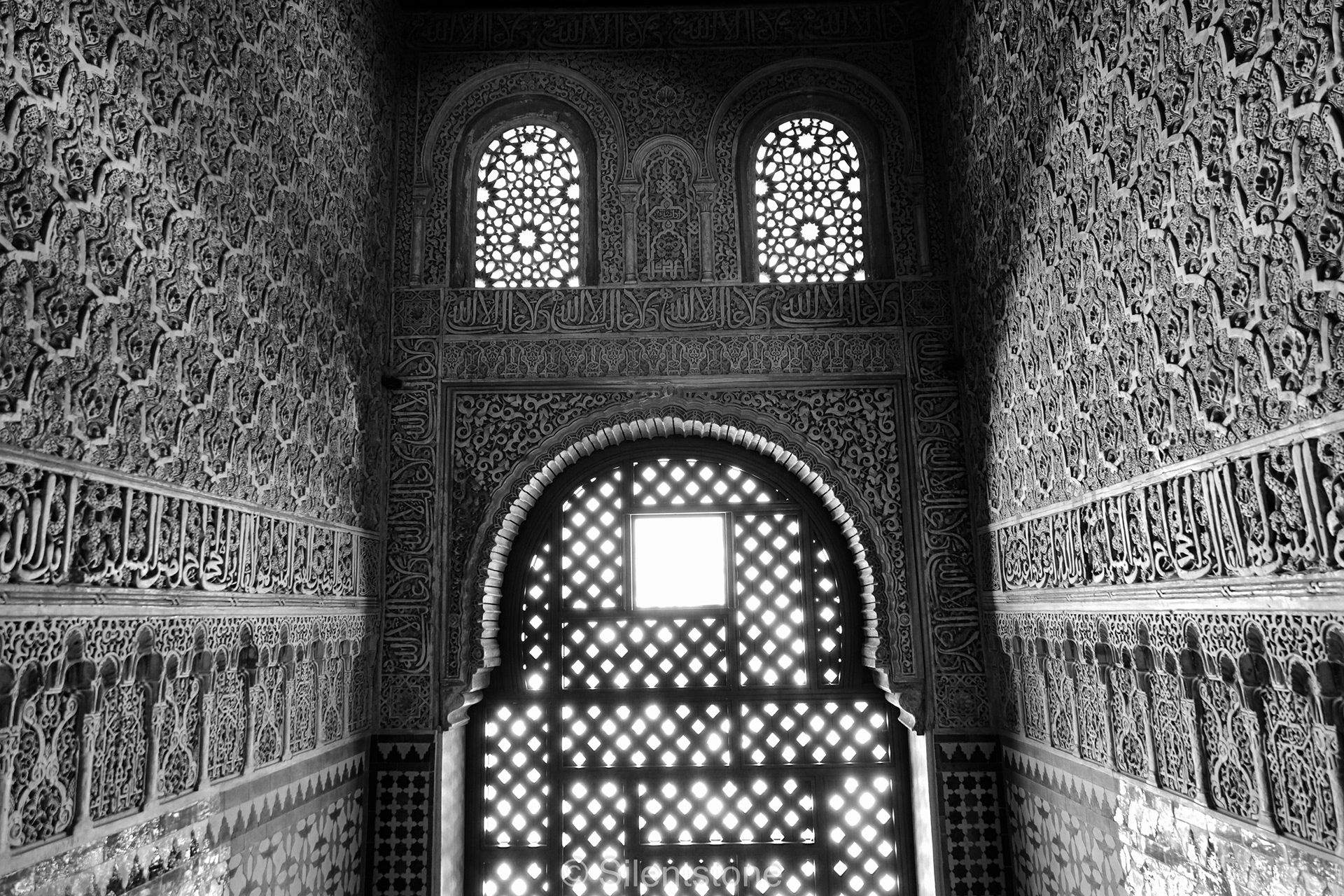
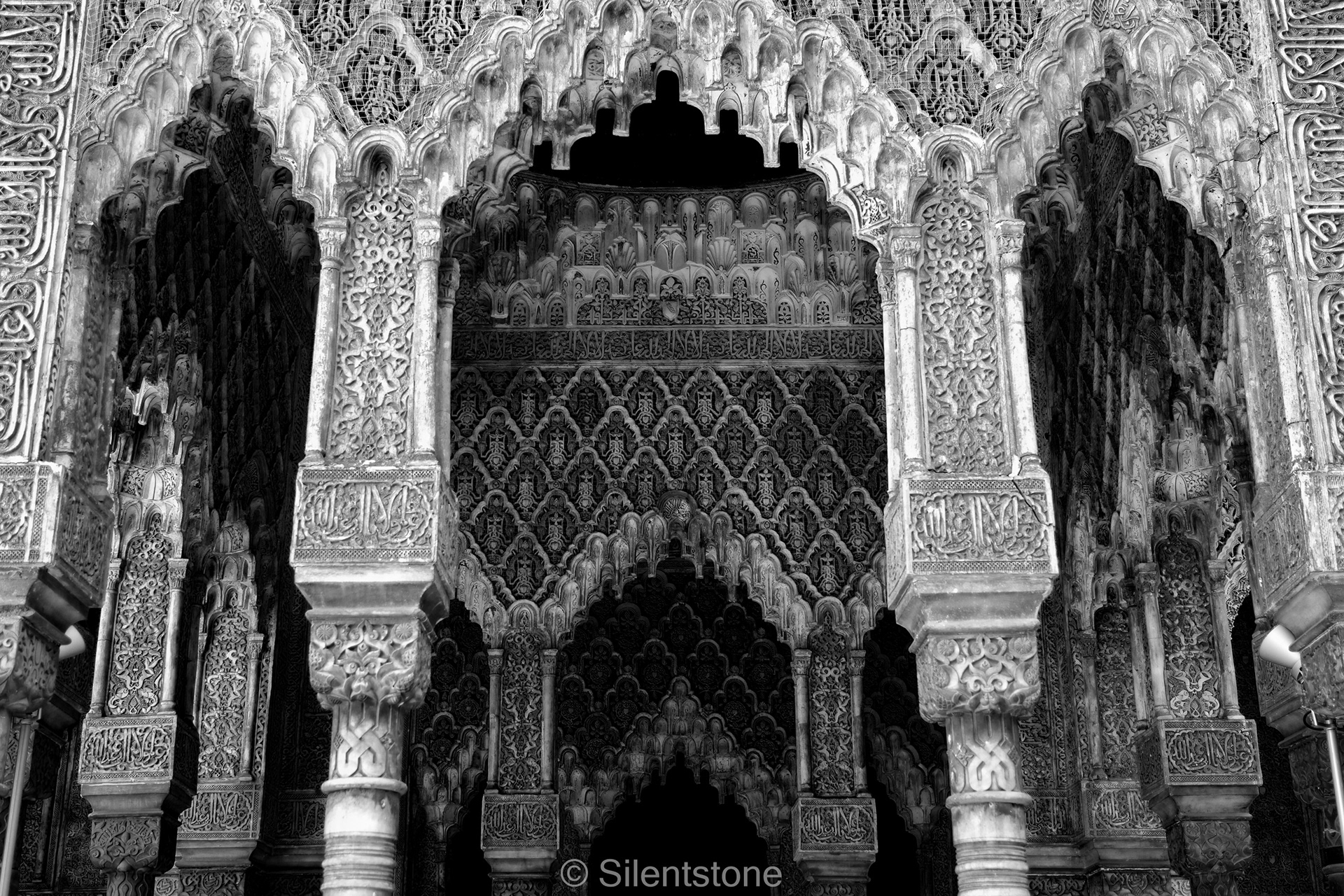
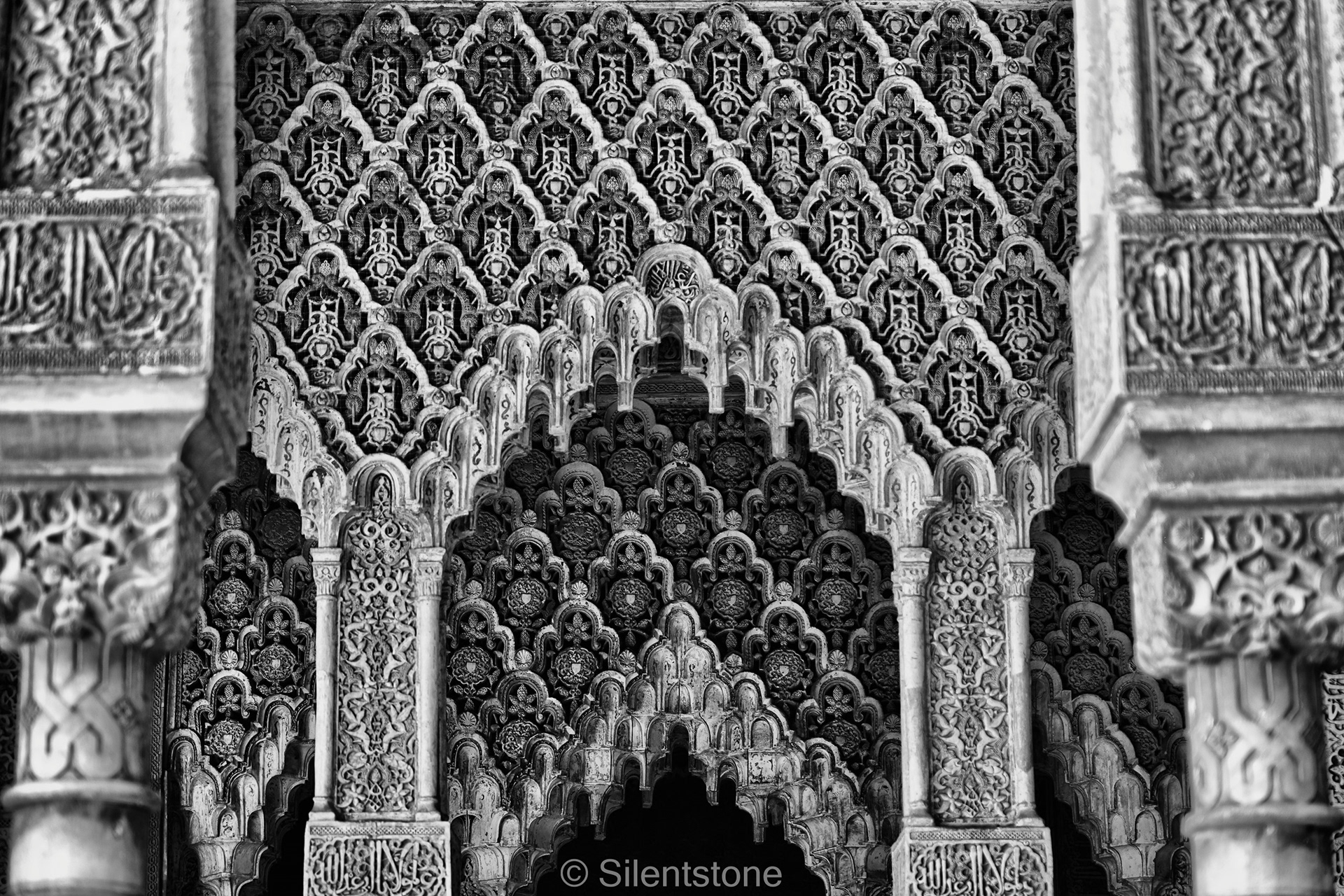
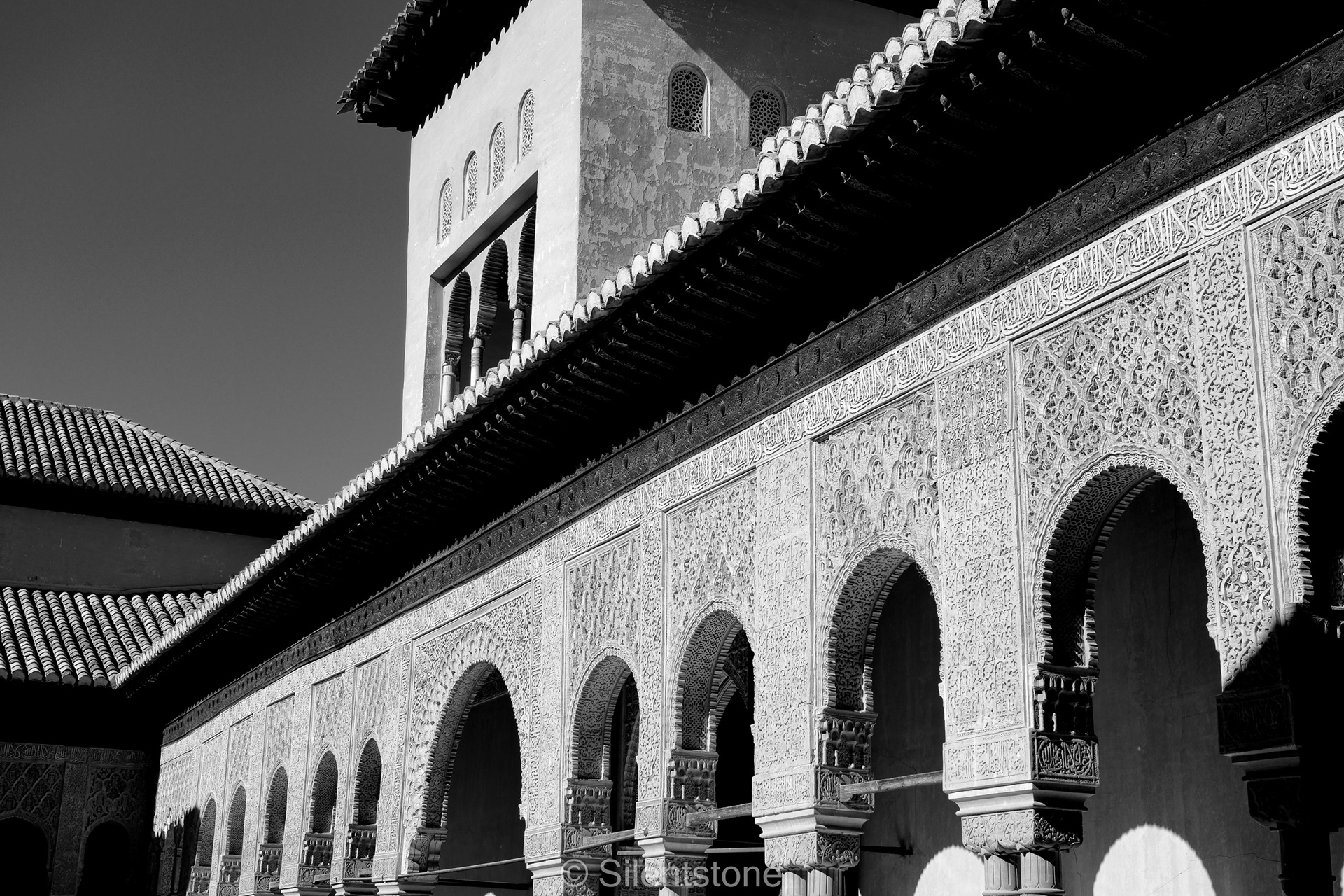
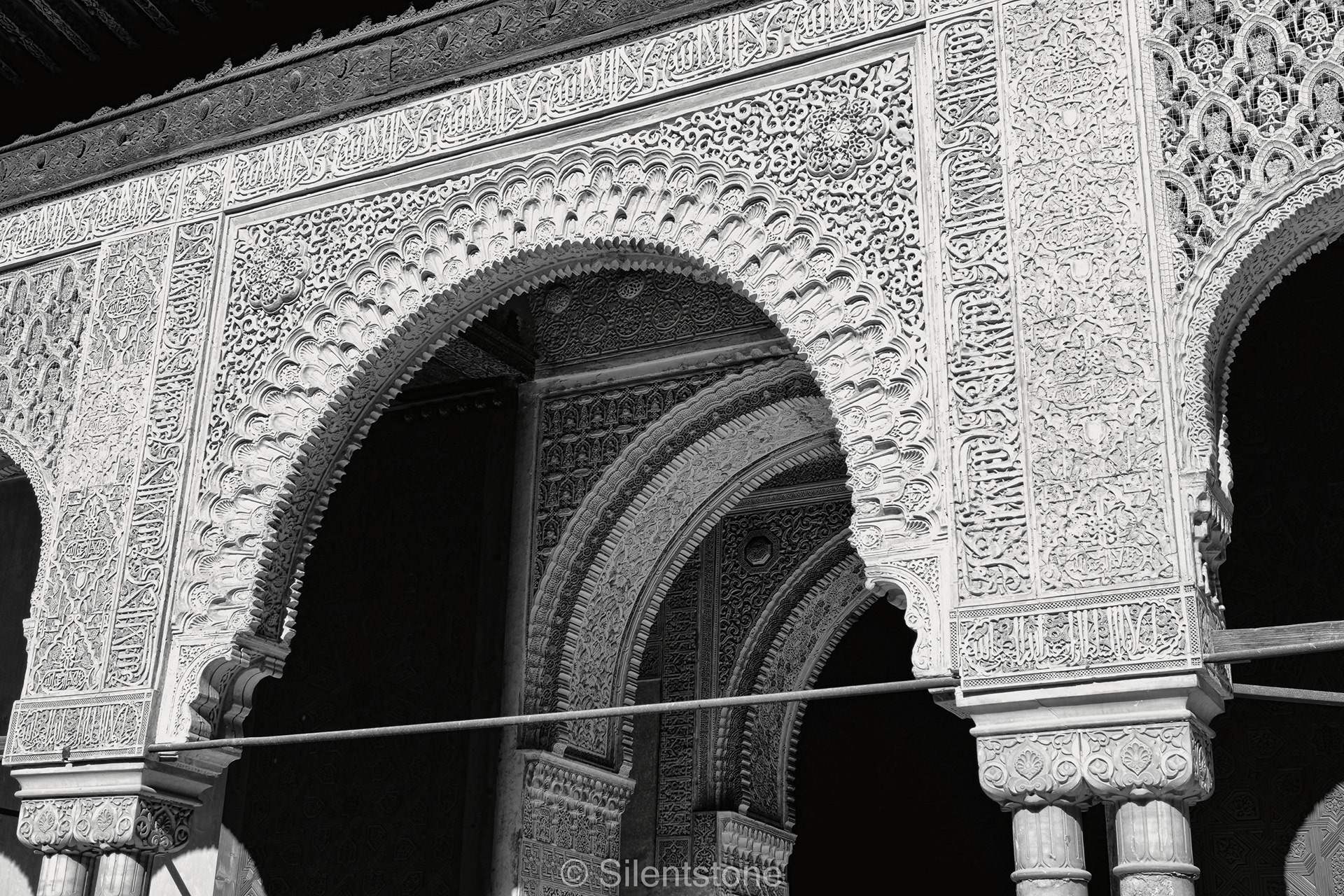
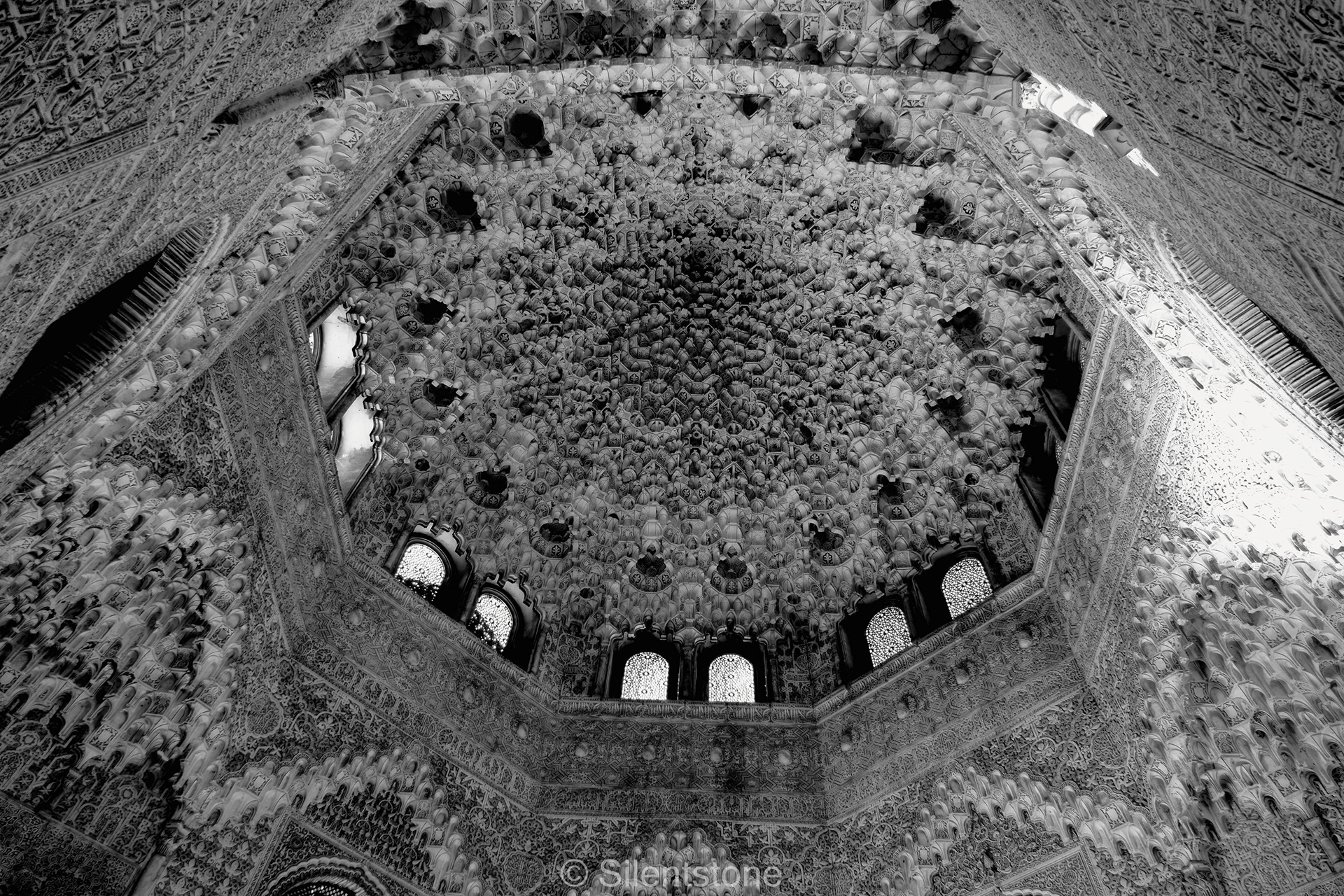
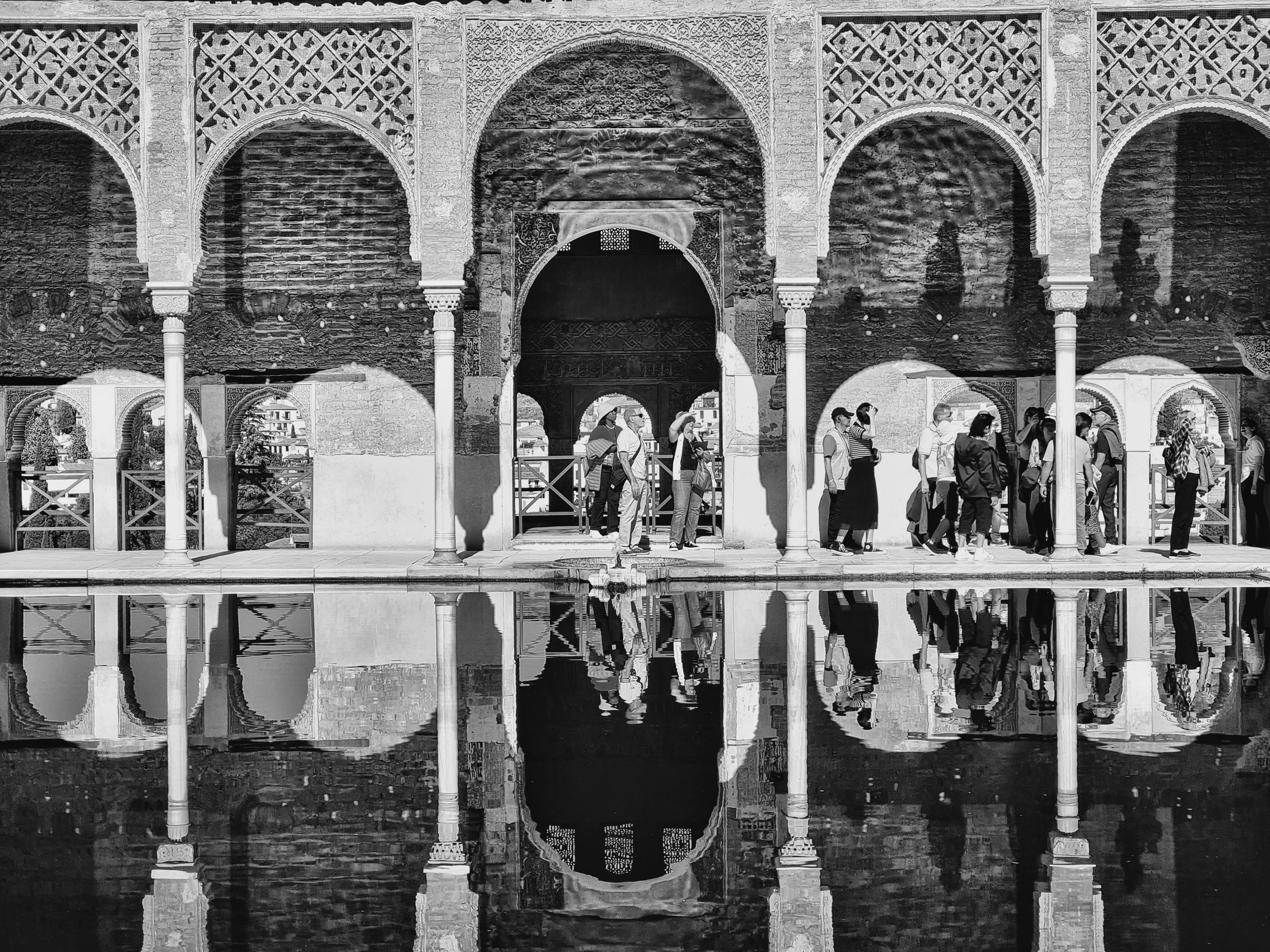
One night, under a crescent moon that offered barely any light, I ventured inside. The fountains danced in the Court of the Lions, whispering ancient fables of kings and poets, of forbidden loves and silent betrayals. In the Court of the Myrtles, the water reflected the architecture into infinity, and in that reflection, I believed I saw the face of a Moorish princess, her gaze heavy with a melancholy of centuries. The Alhambra is not just a monument; it is a spirit that inhabits the stone, a mystery that breathes and waits, patient, for the heart that dares to listen.
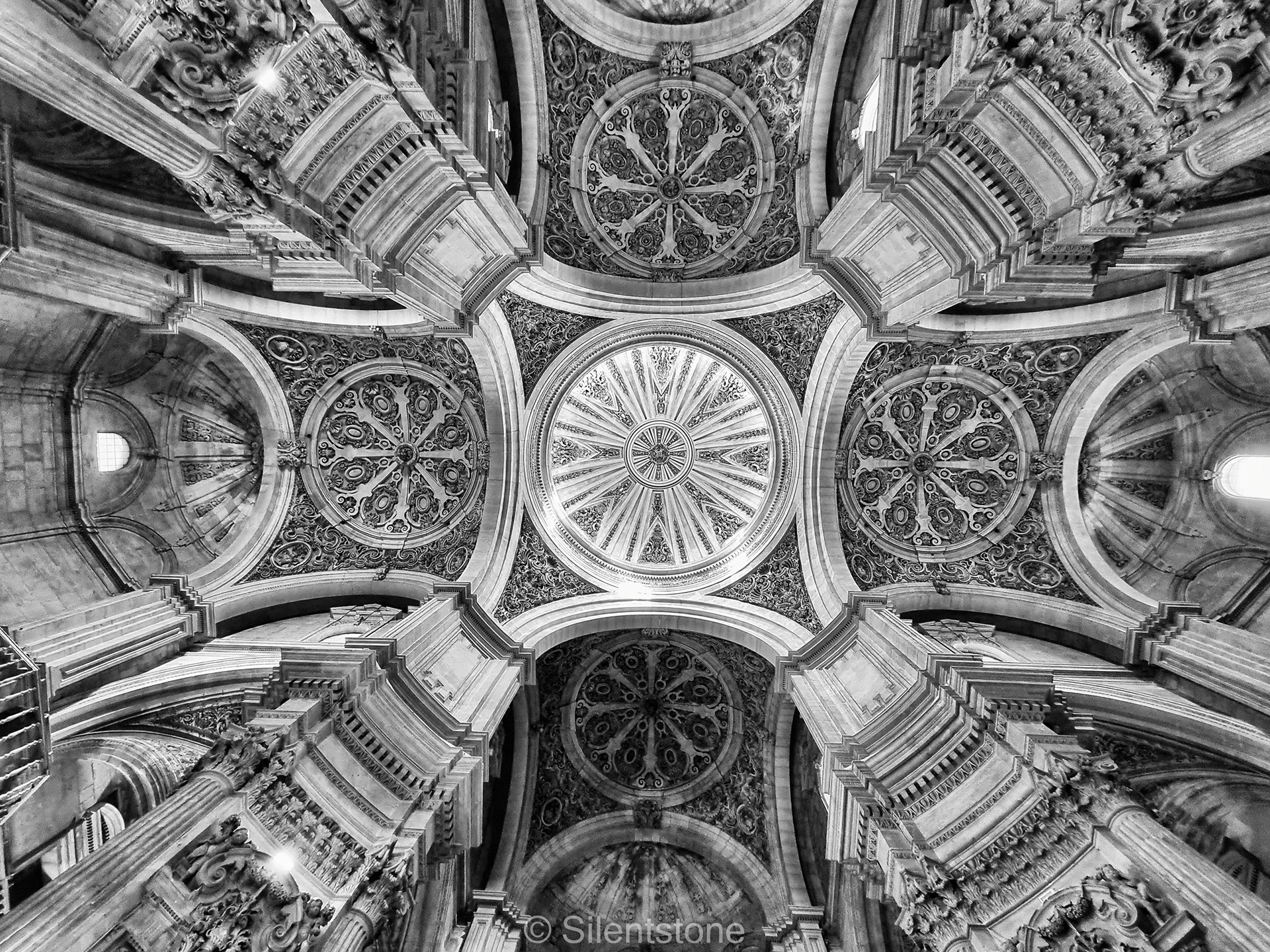
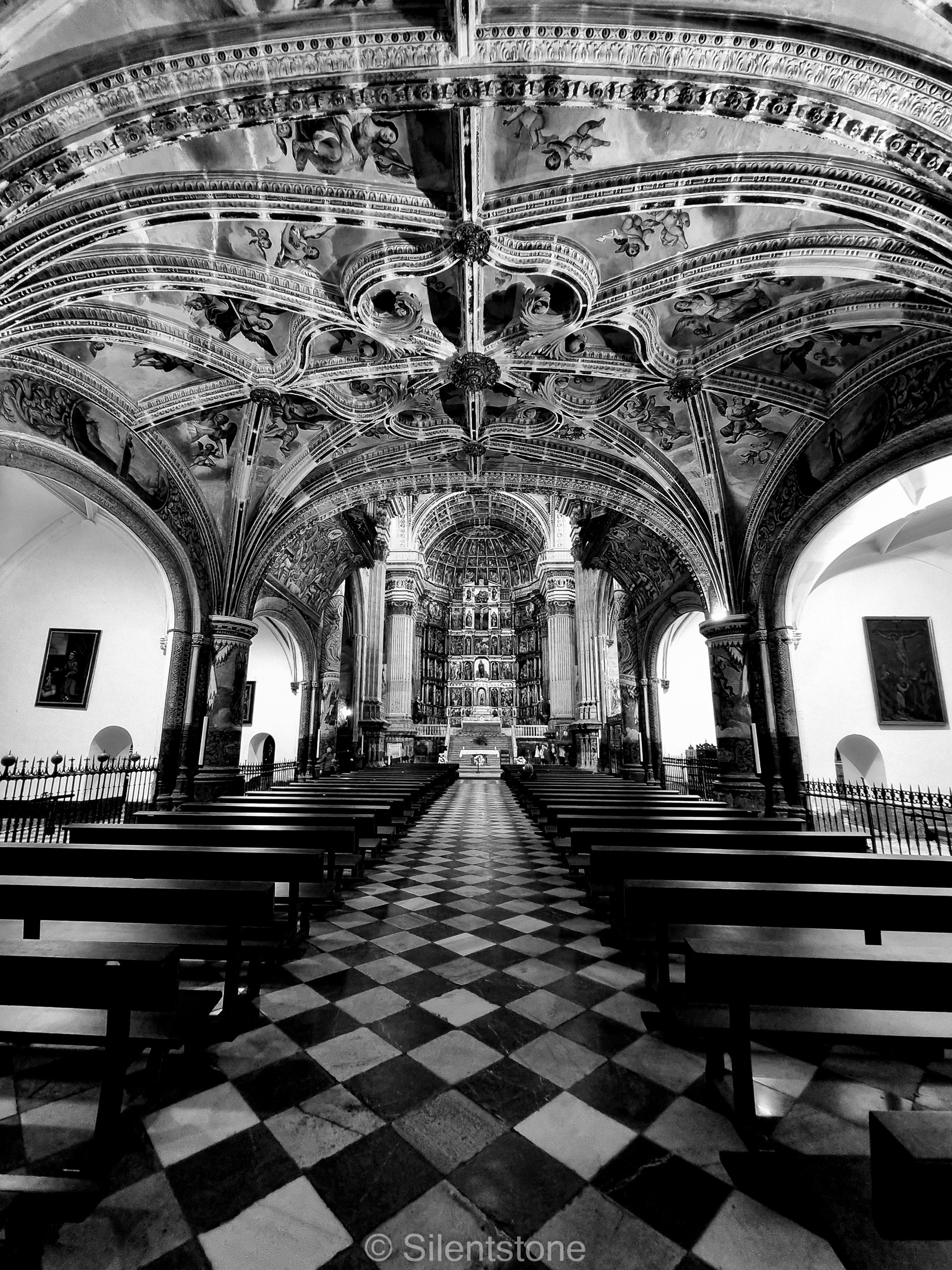
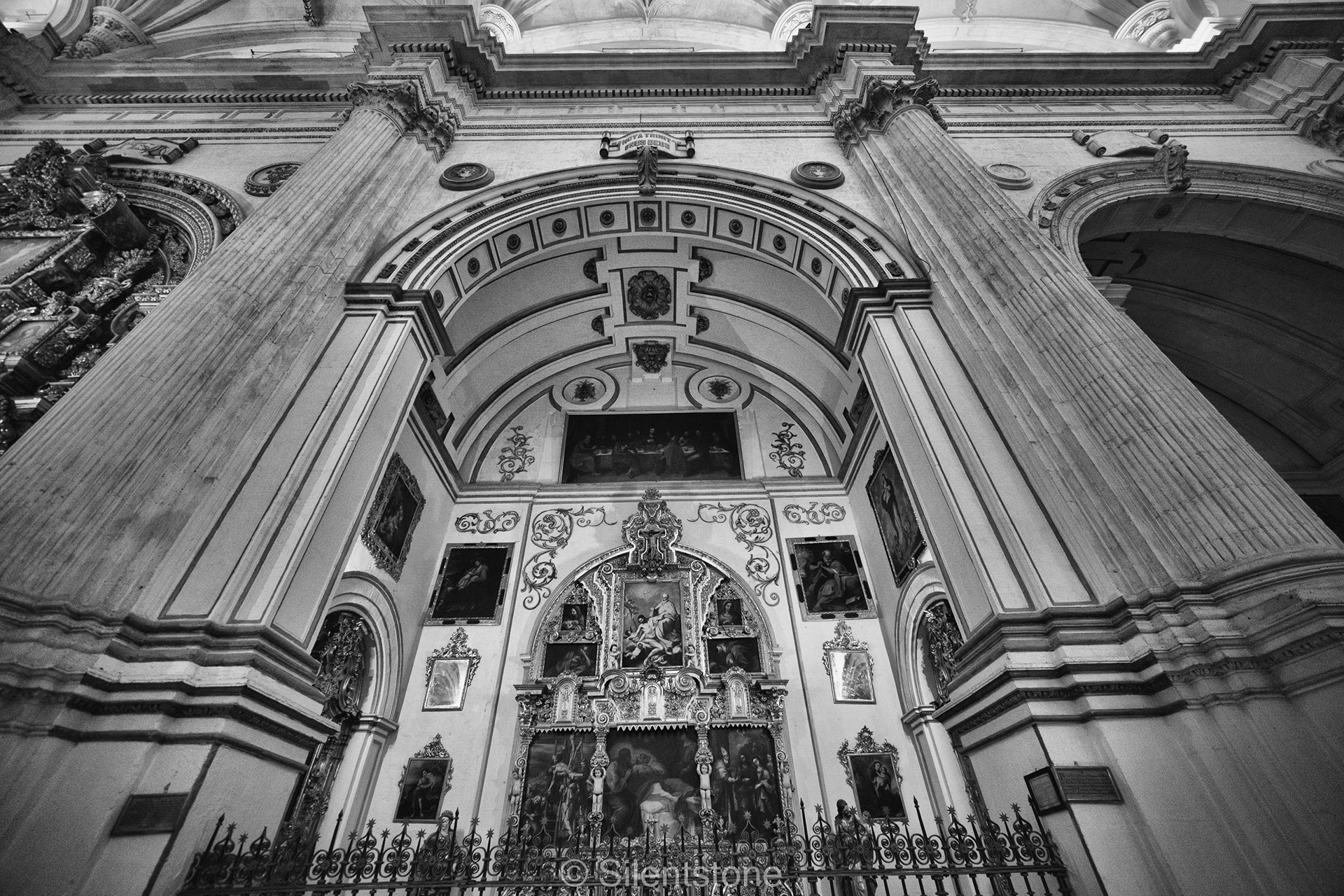
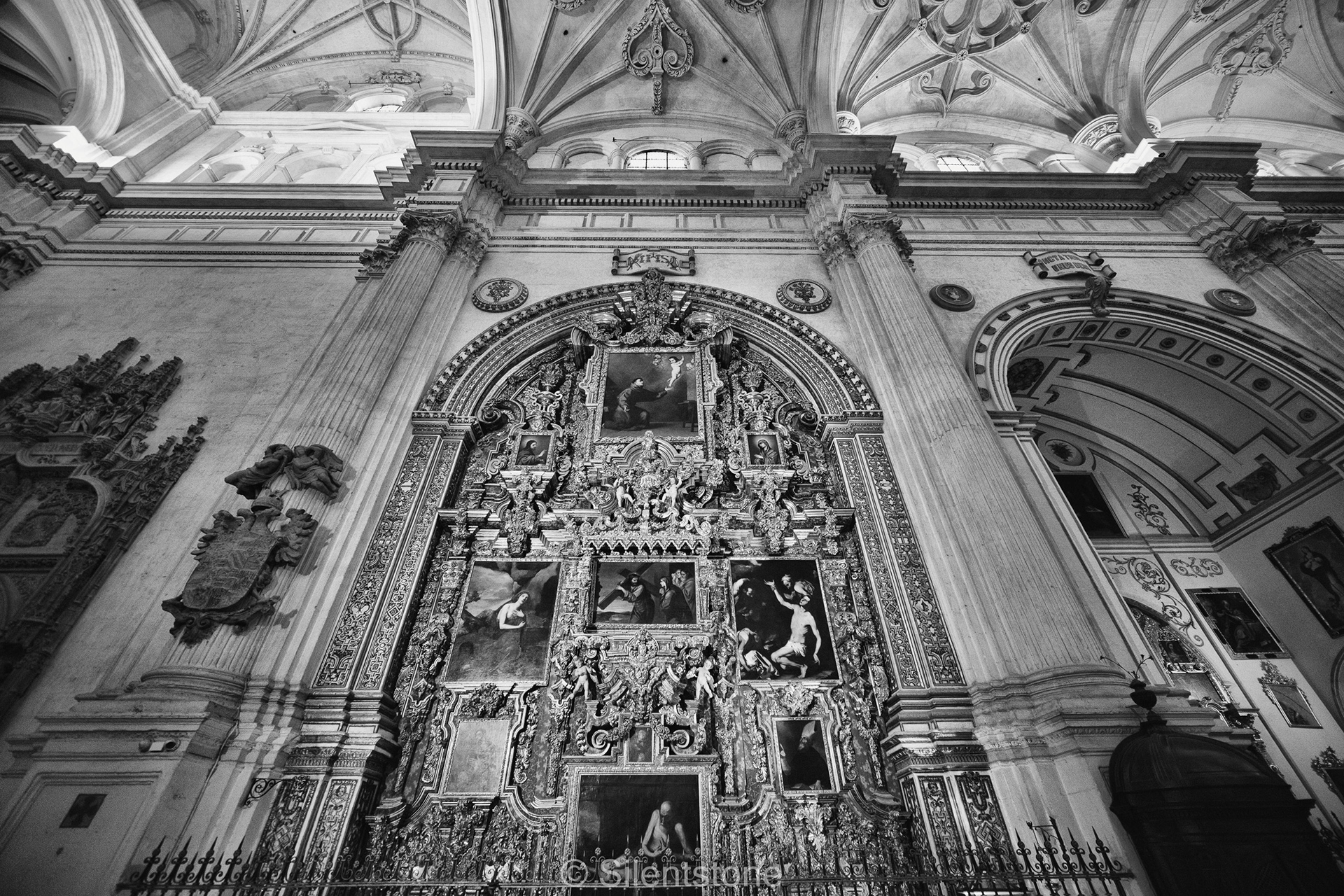
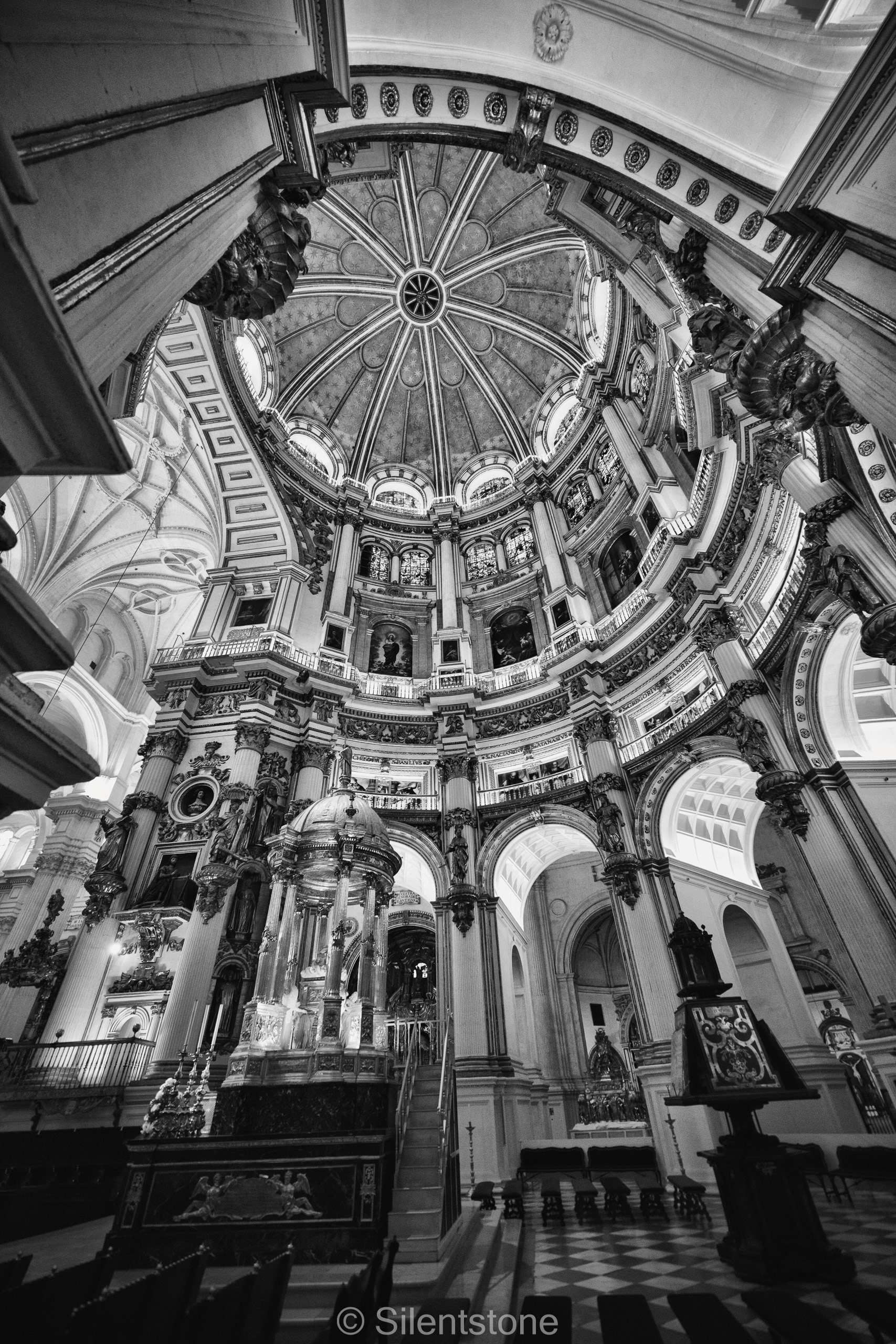
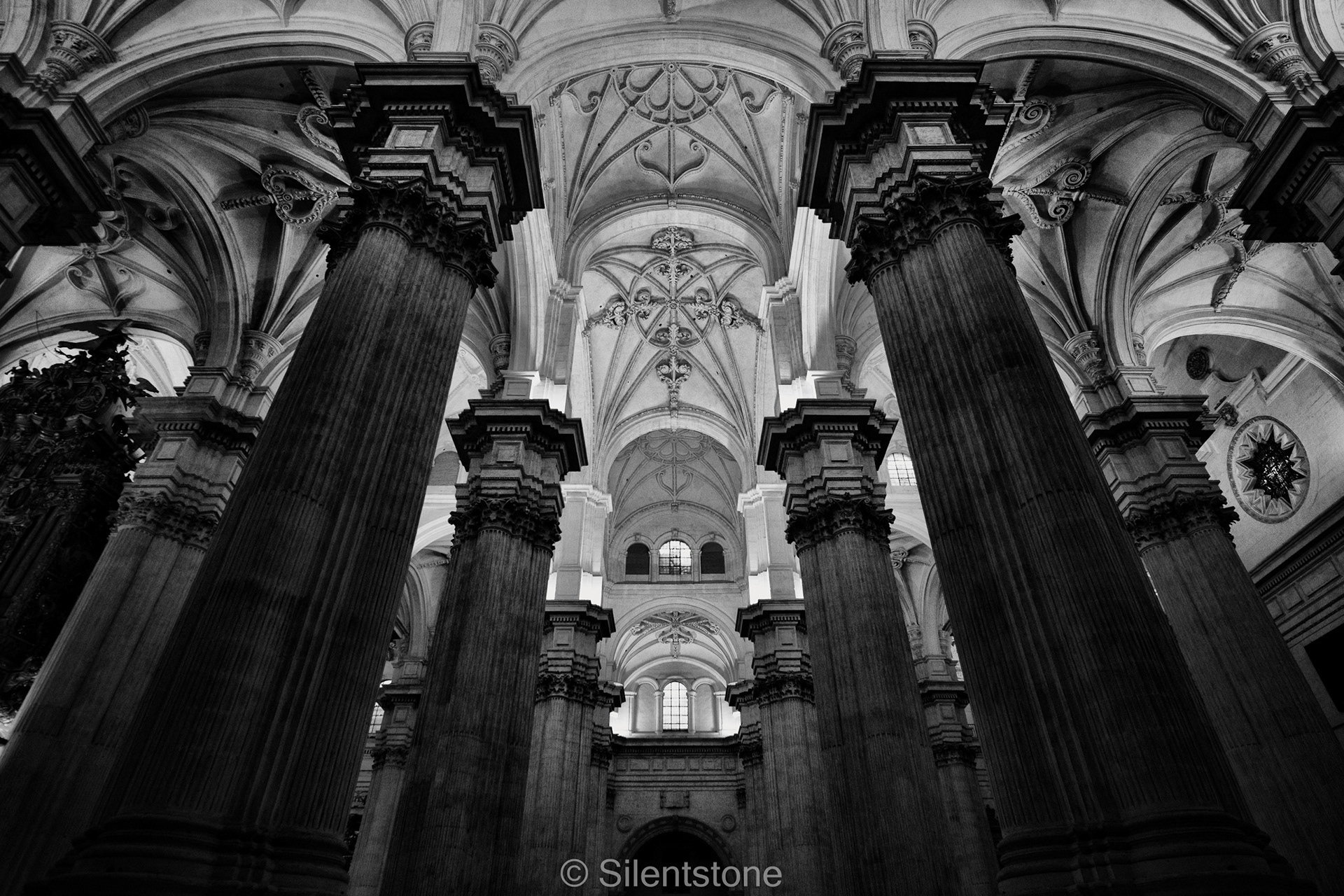
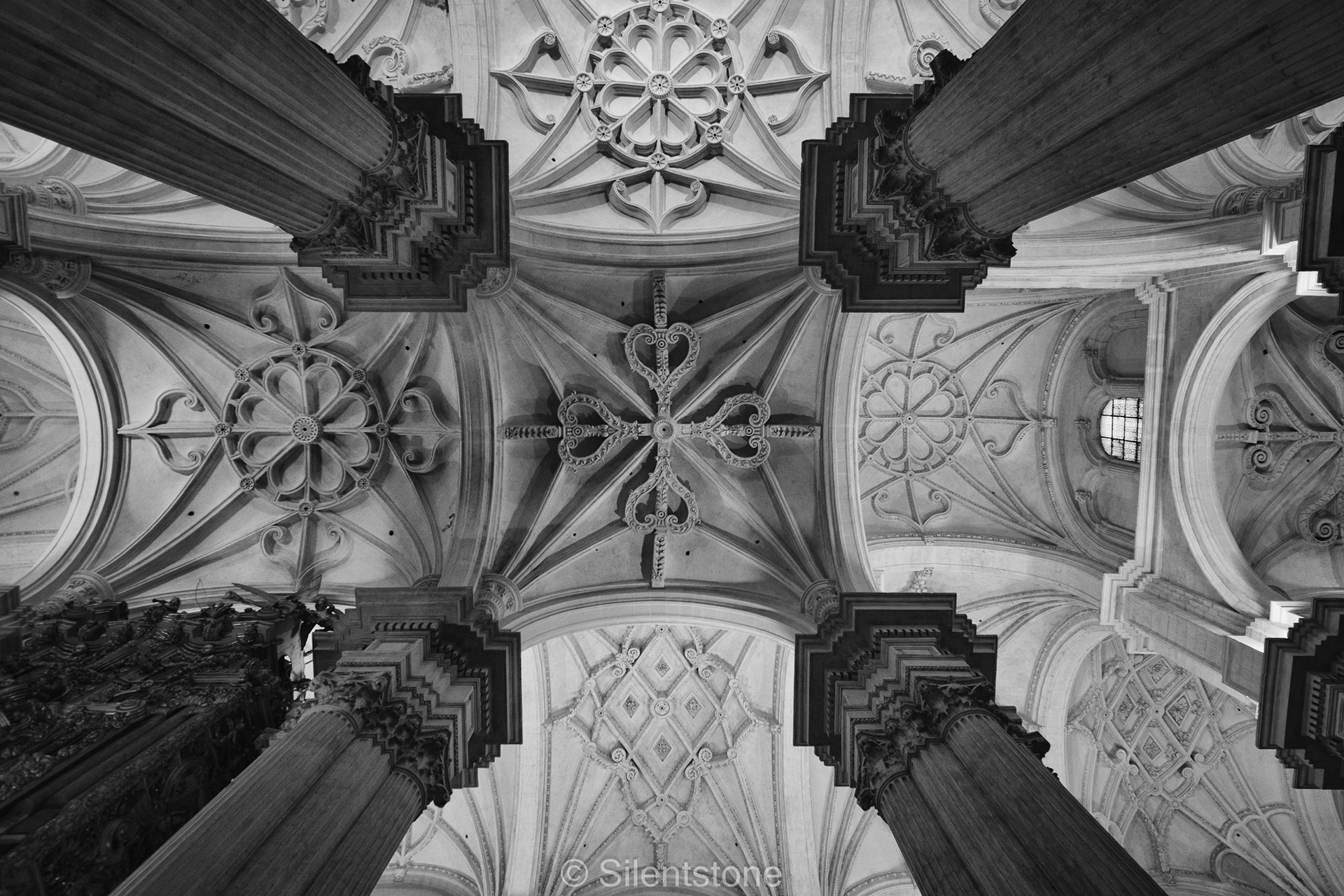
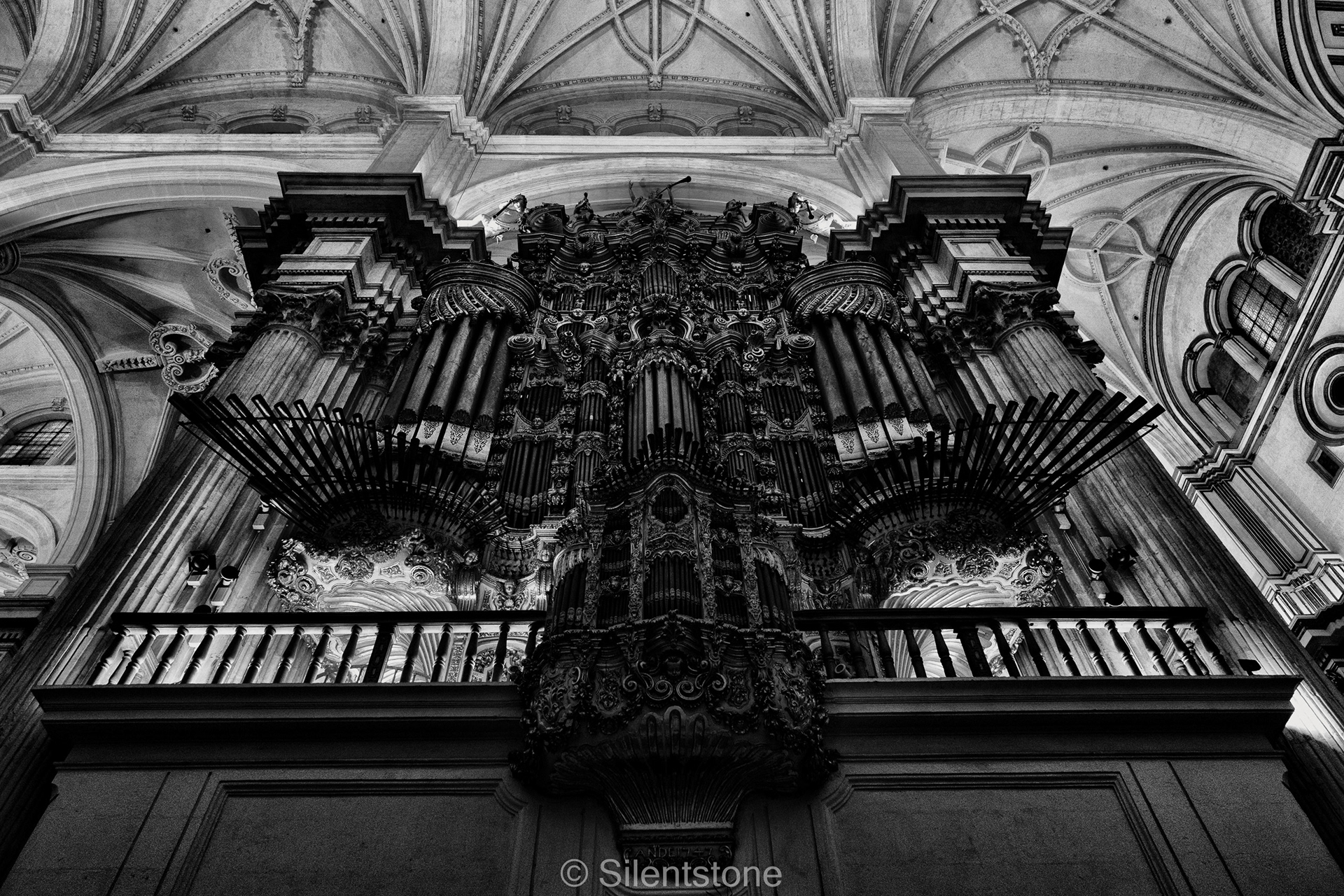
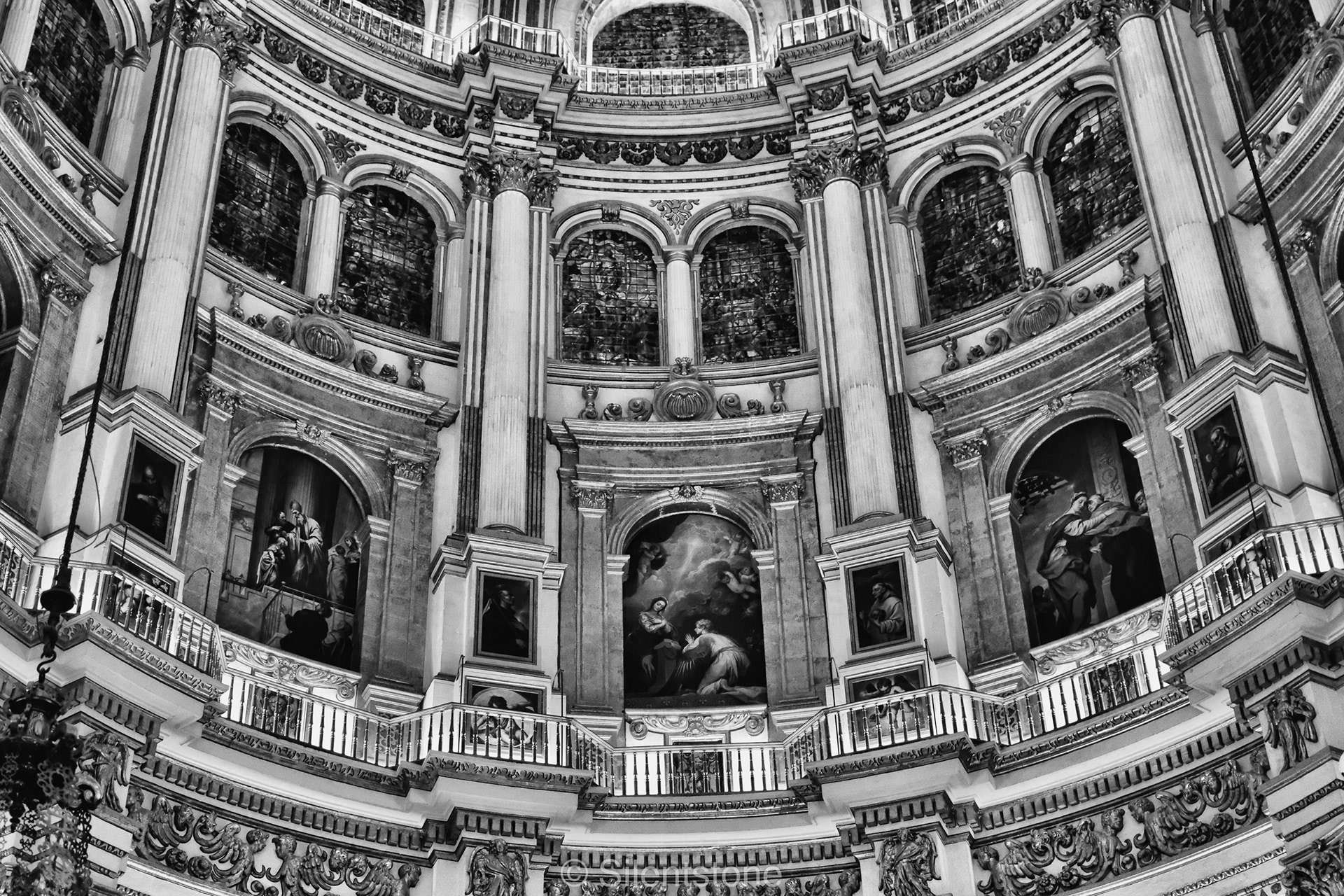
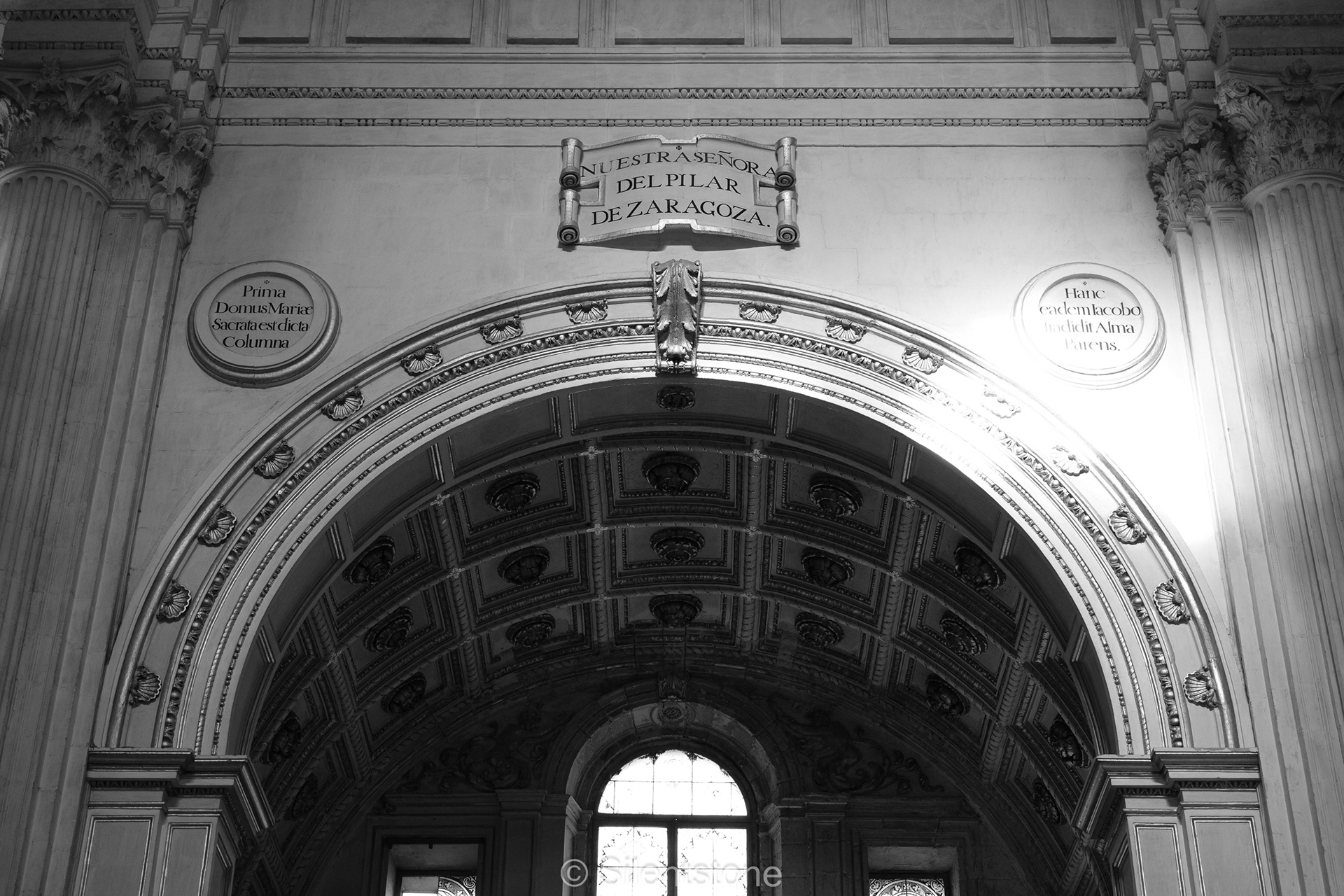
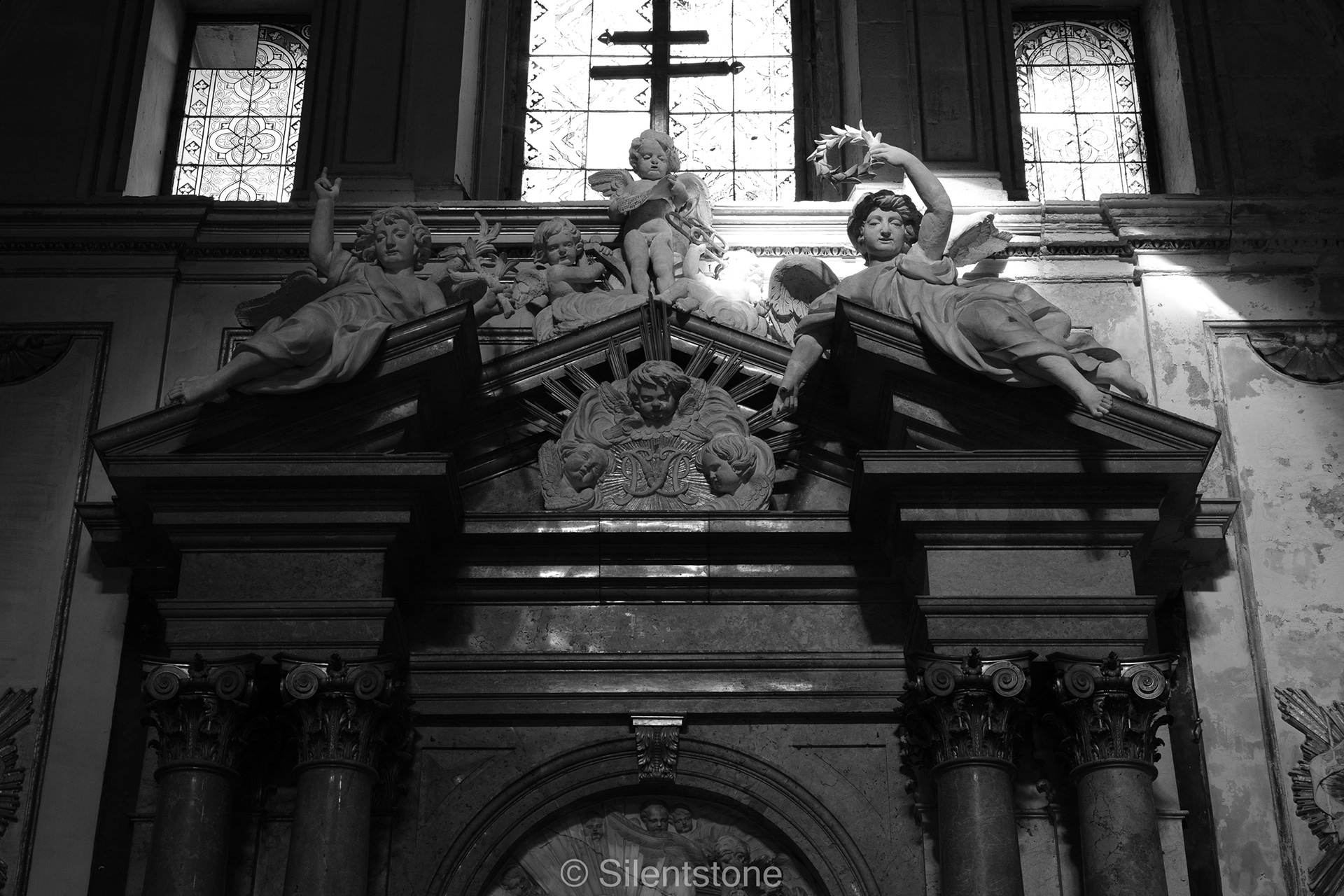
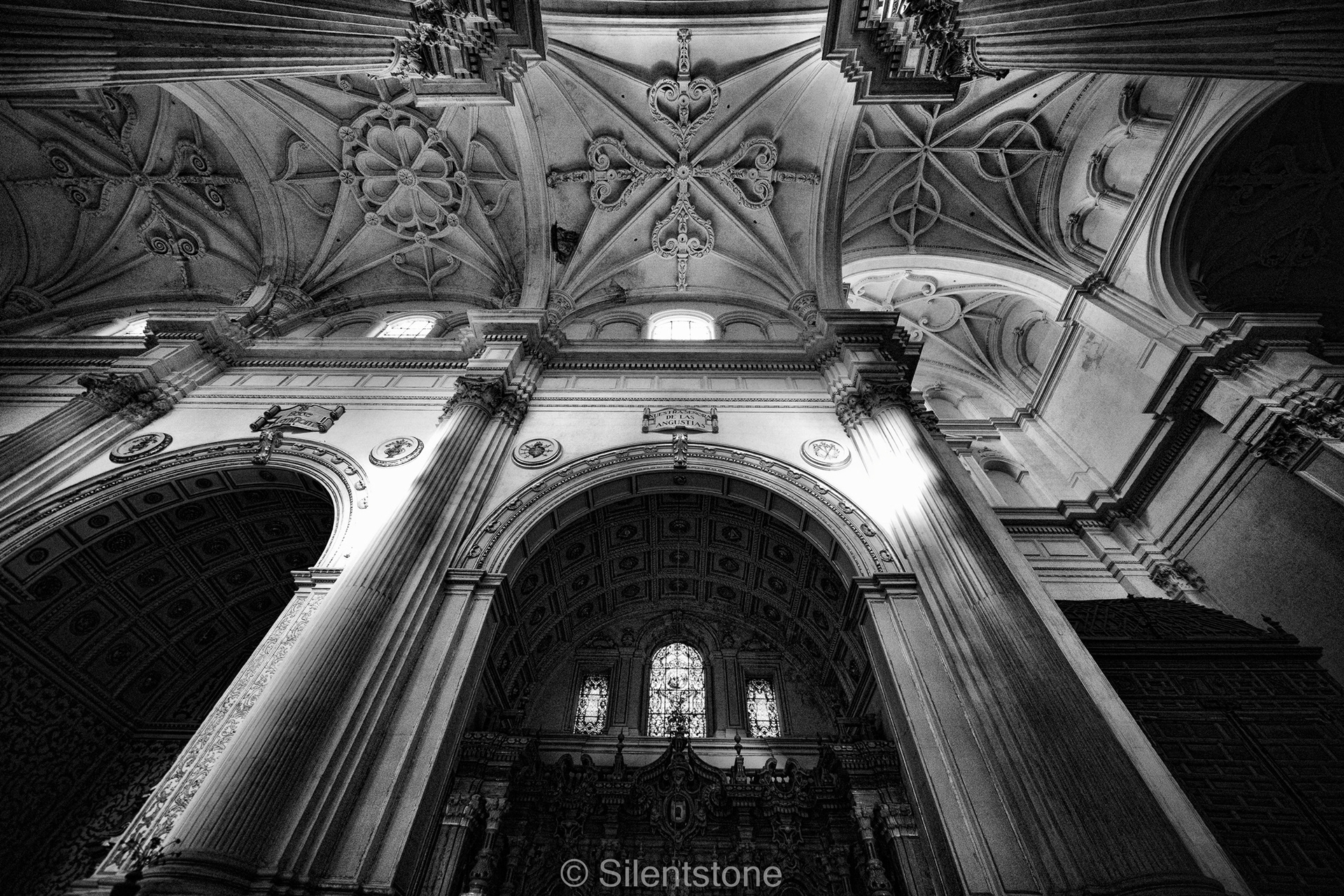
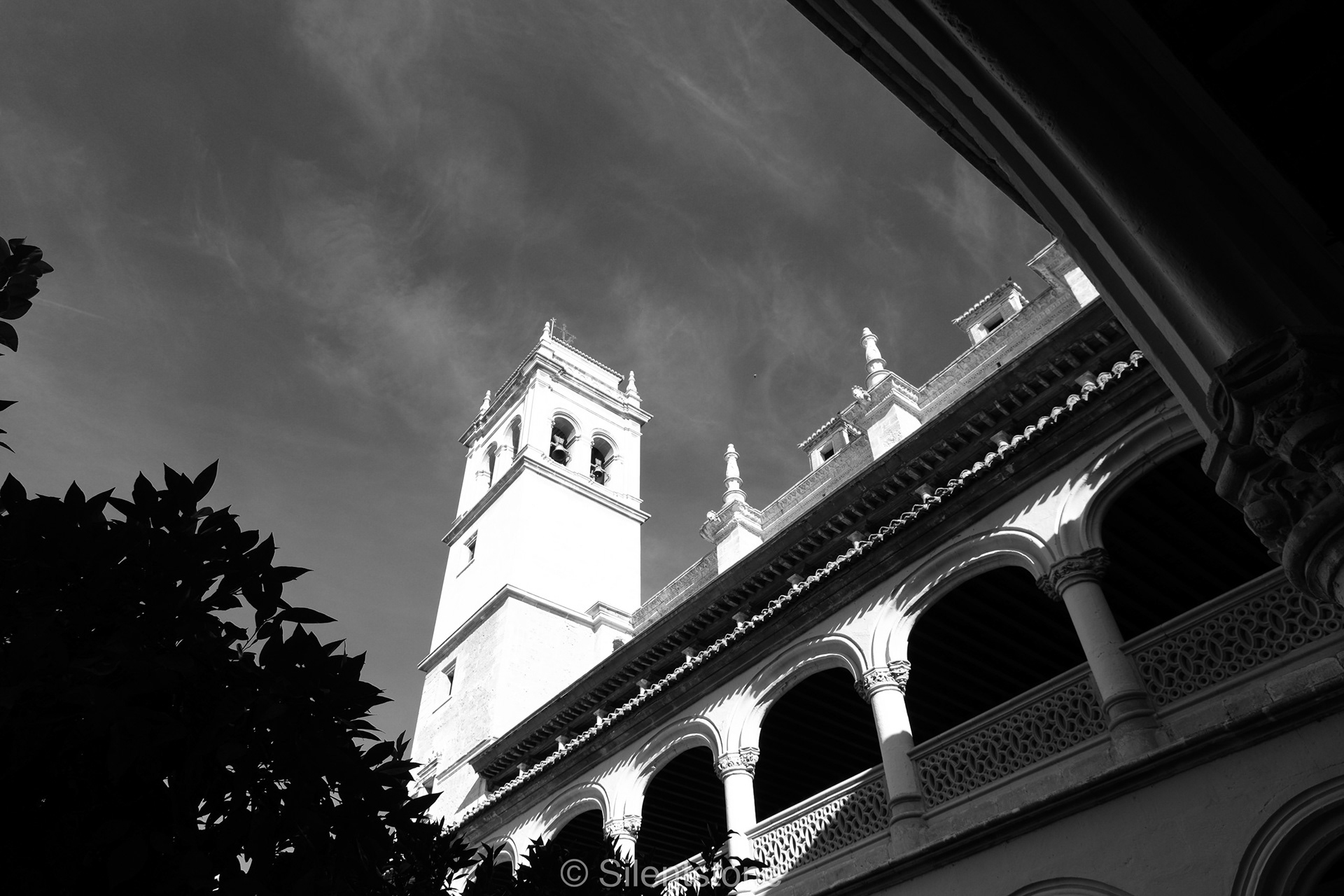
But Granada does not keep all its mysteries within the veils of the Islamic night. It also weaves them under the blinding light of its more recent faith. Ascending through the streets, I found the Charterhouses of Light—not a place, but a sensation that spreads through its Baroque temples, its altars rising to the sky with an almost irreverent opulence.
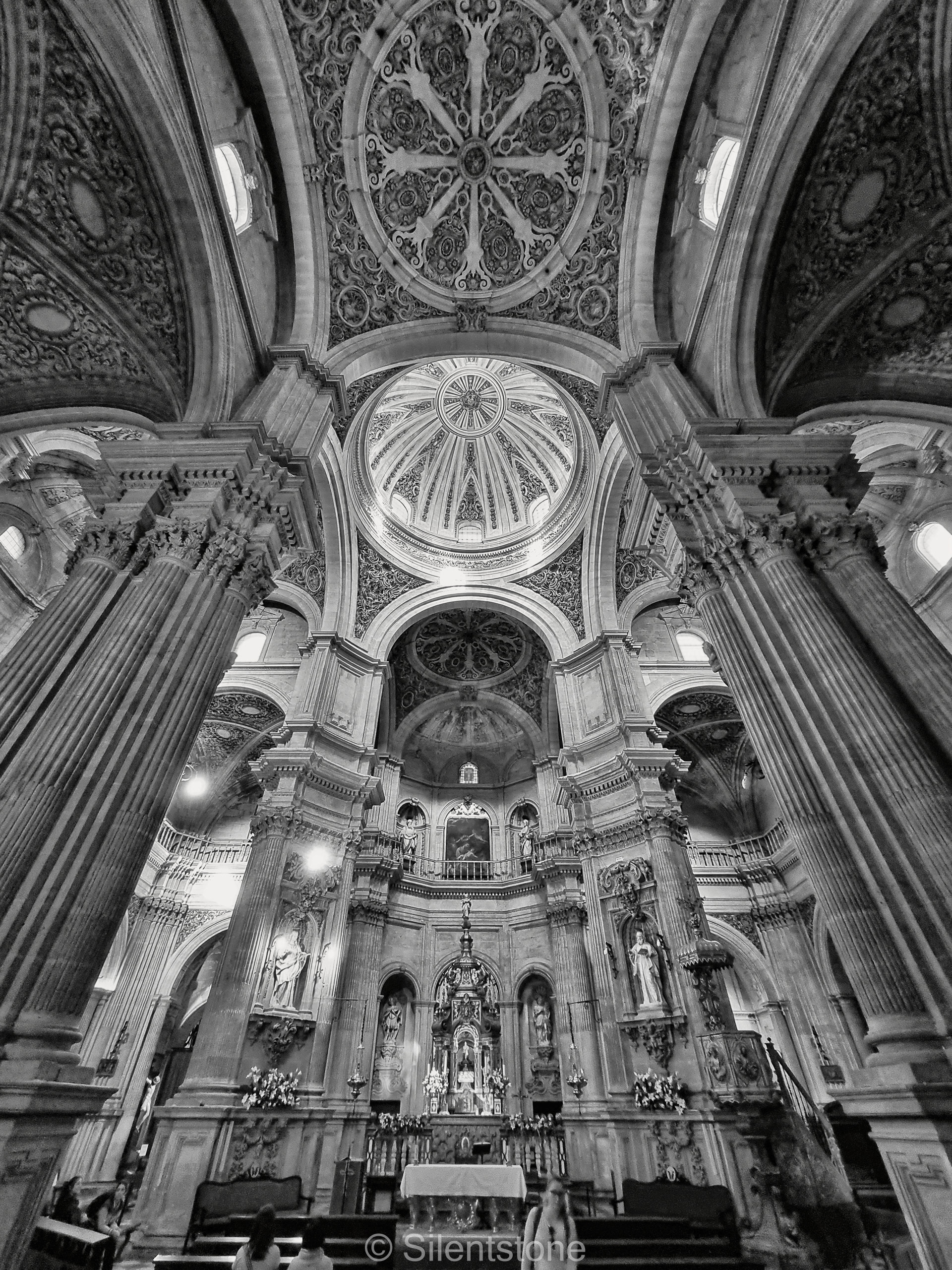
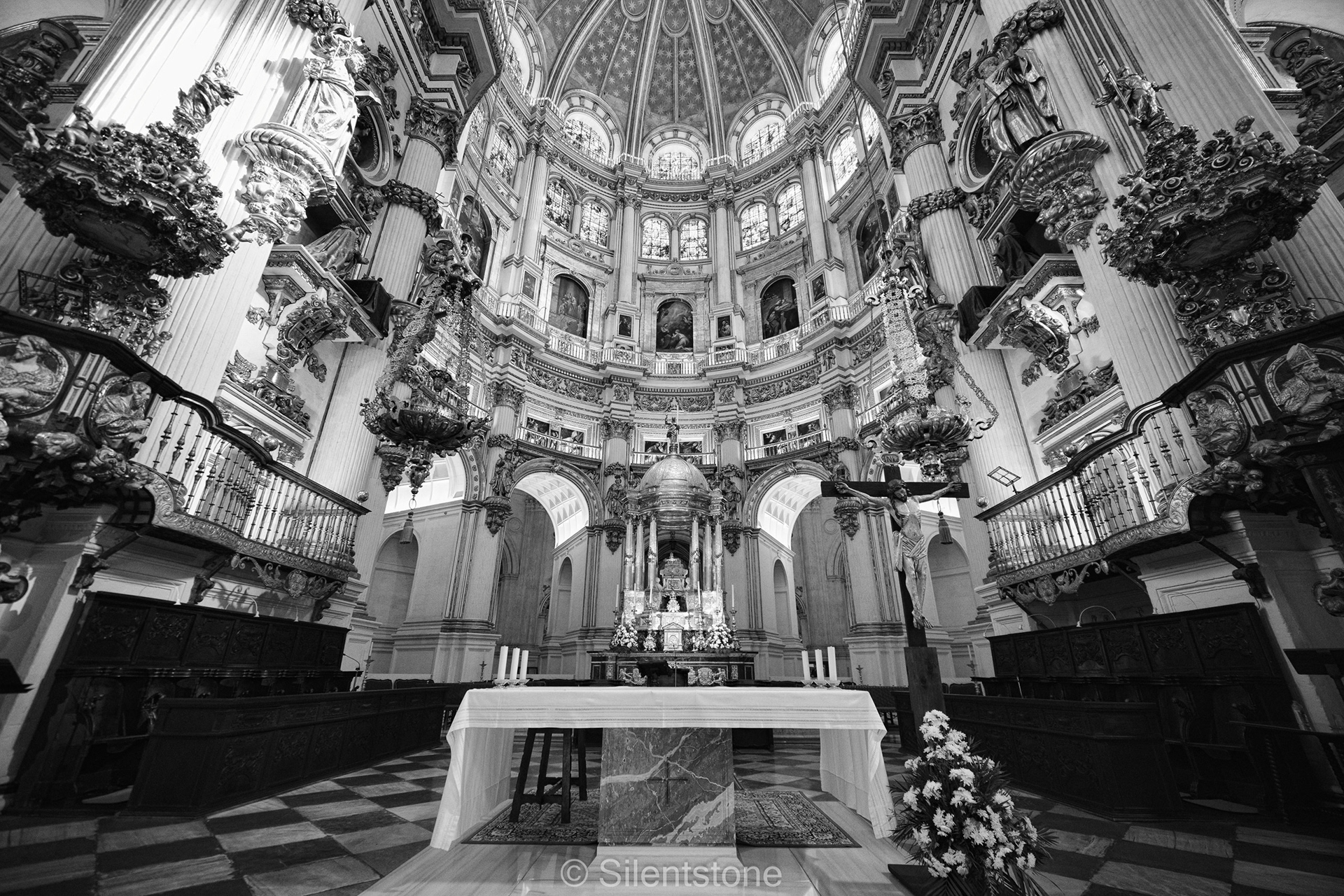
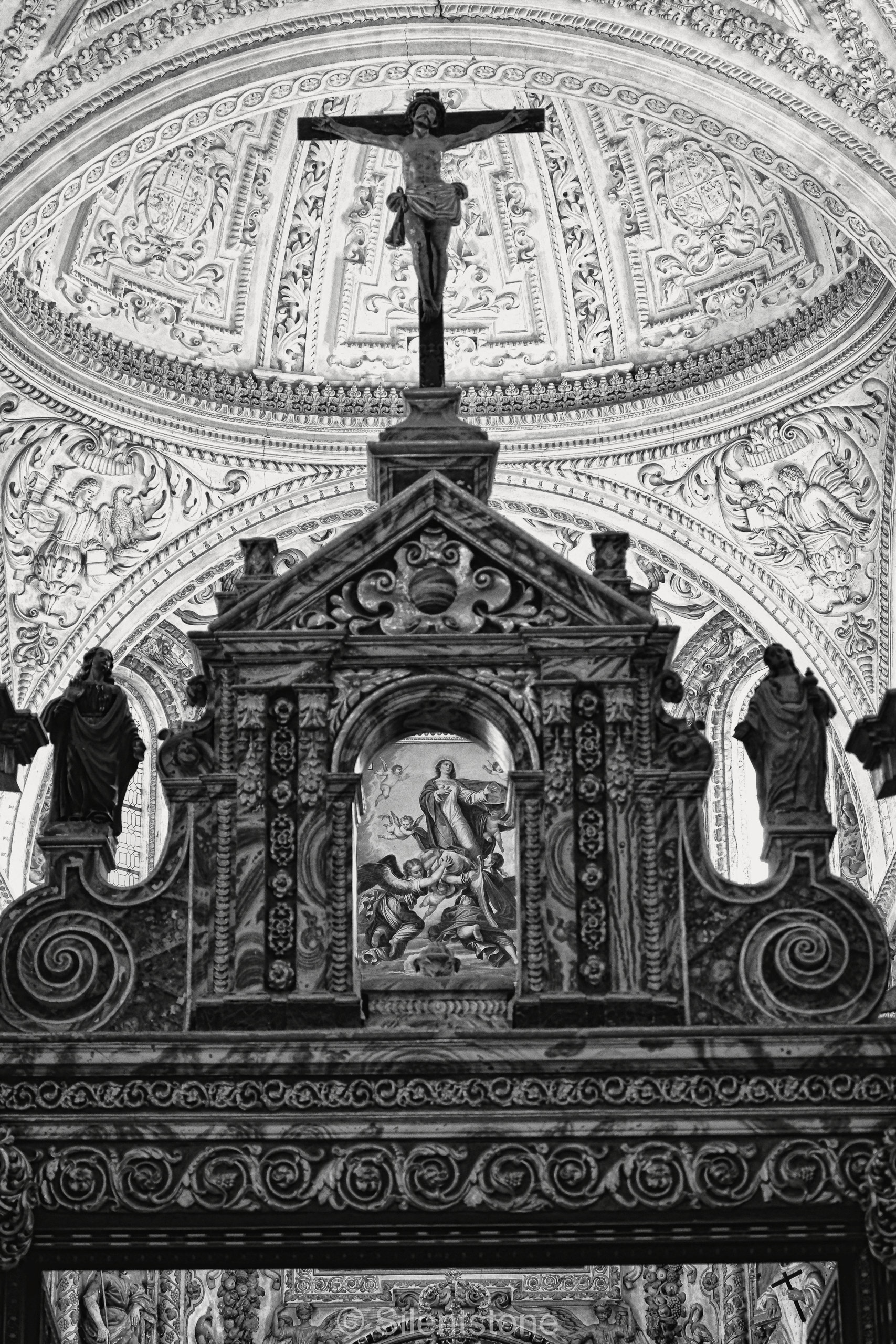
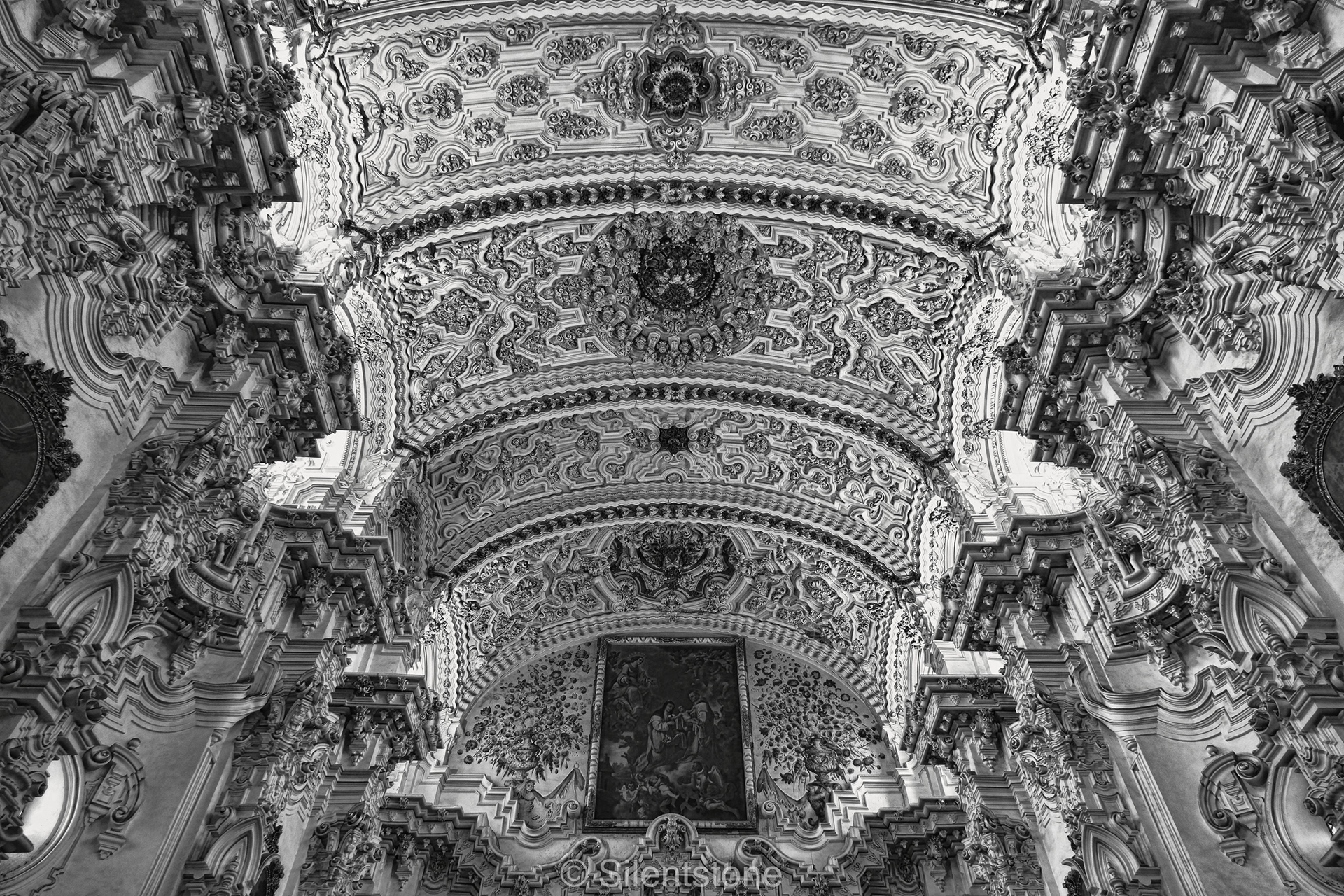
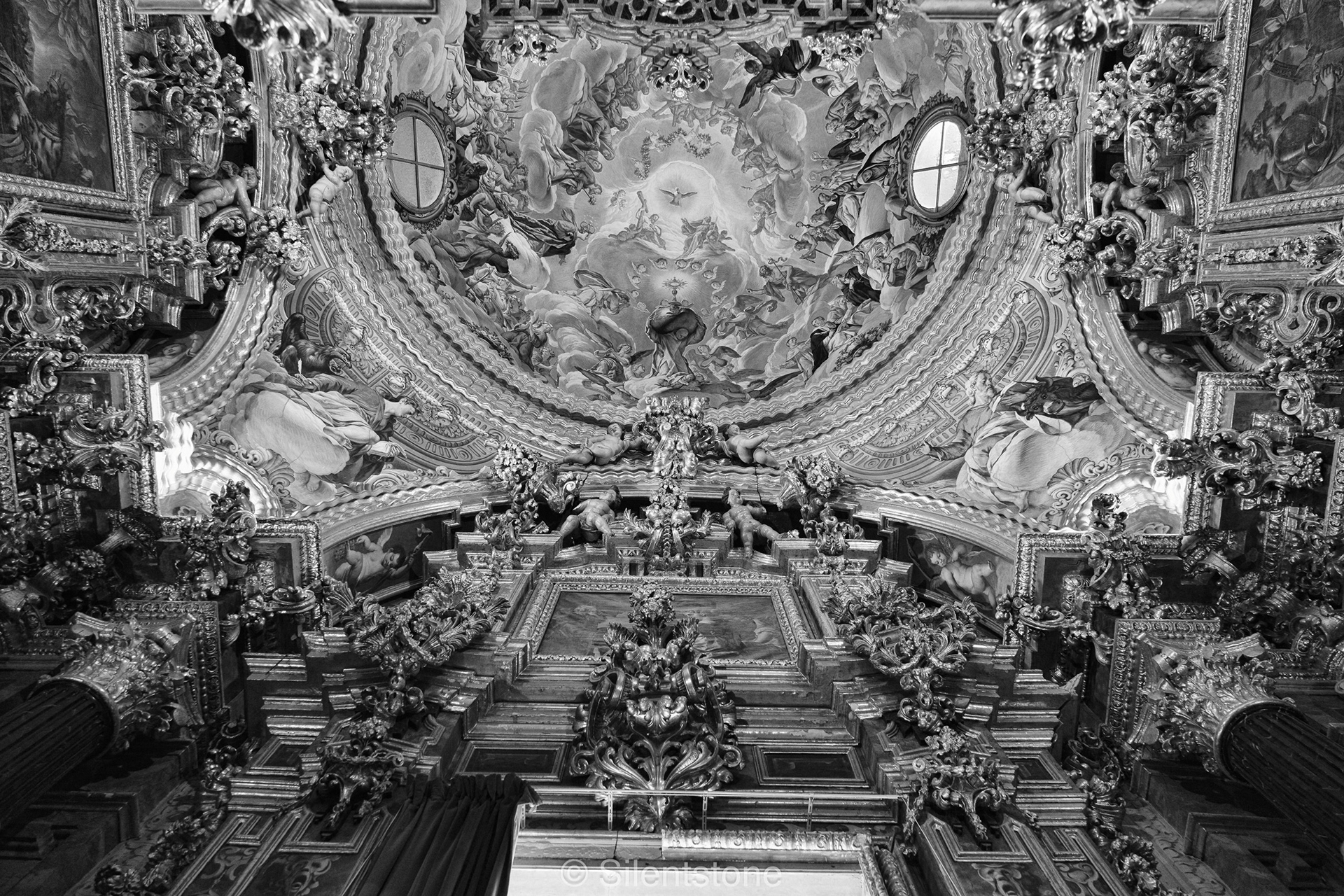
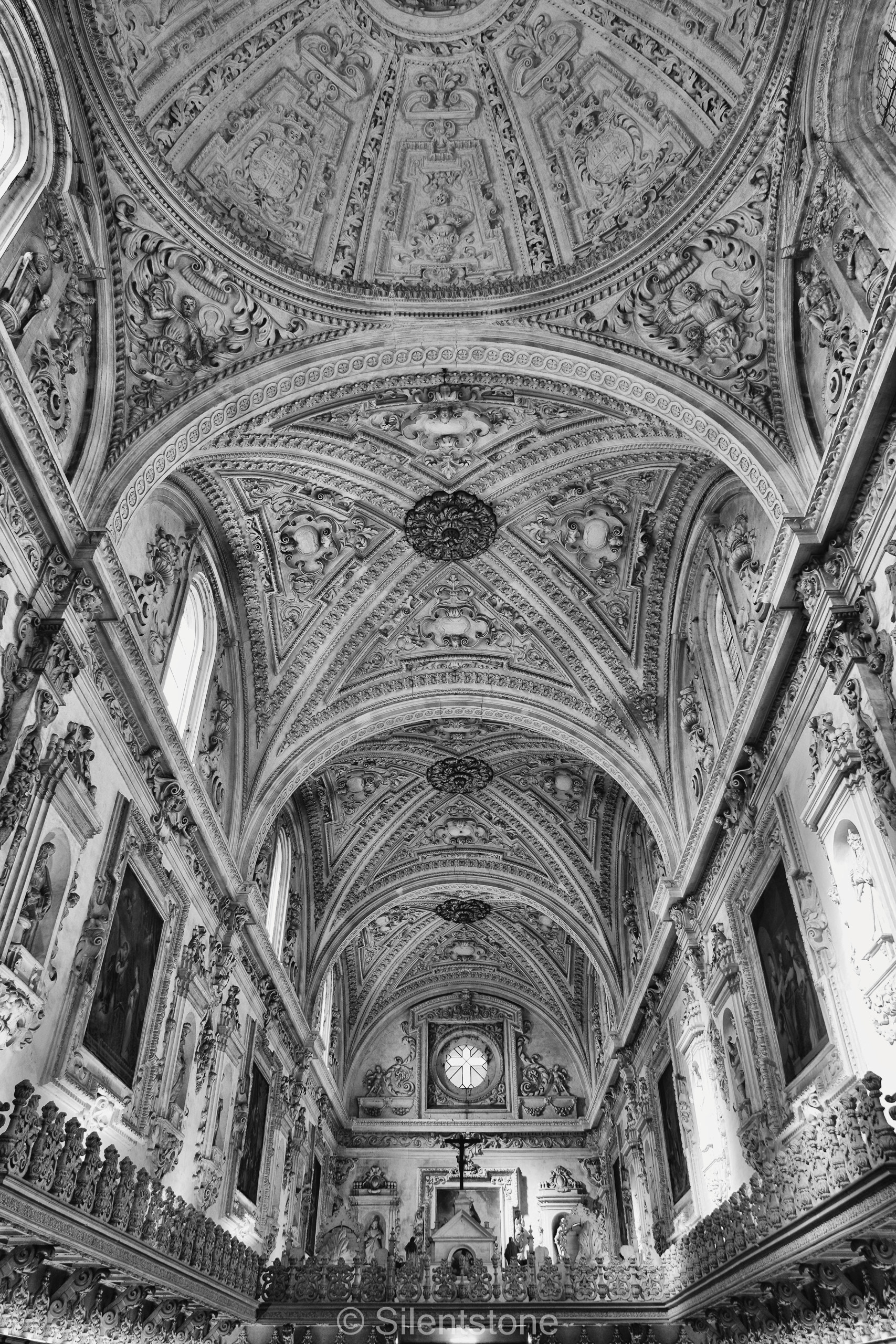
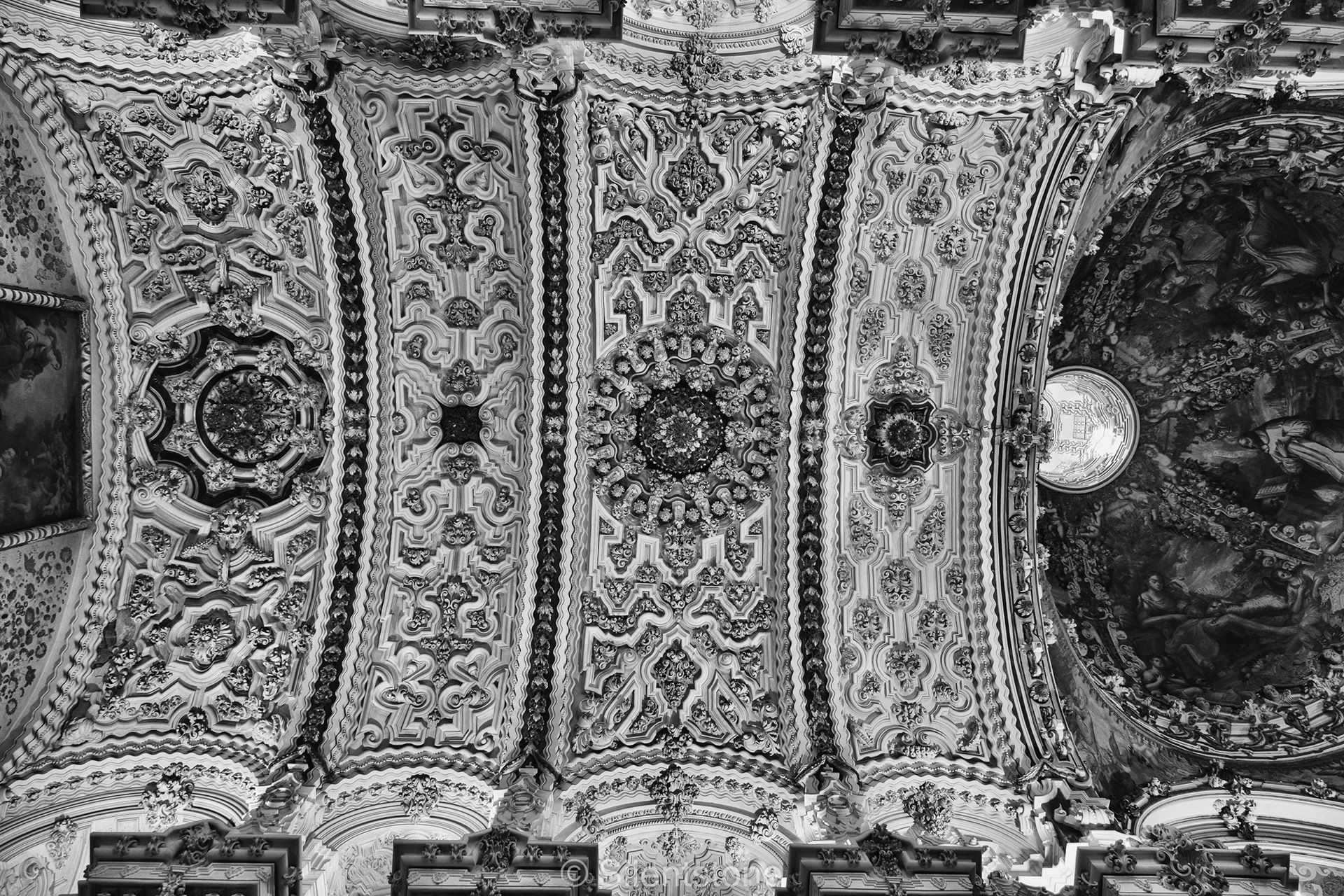
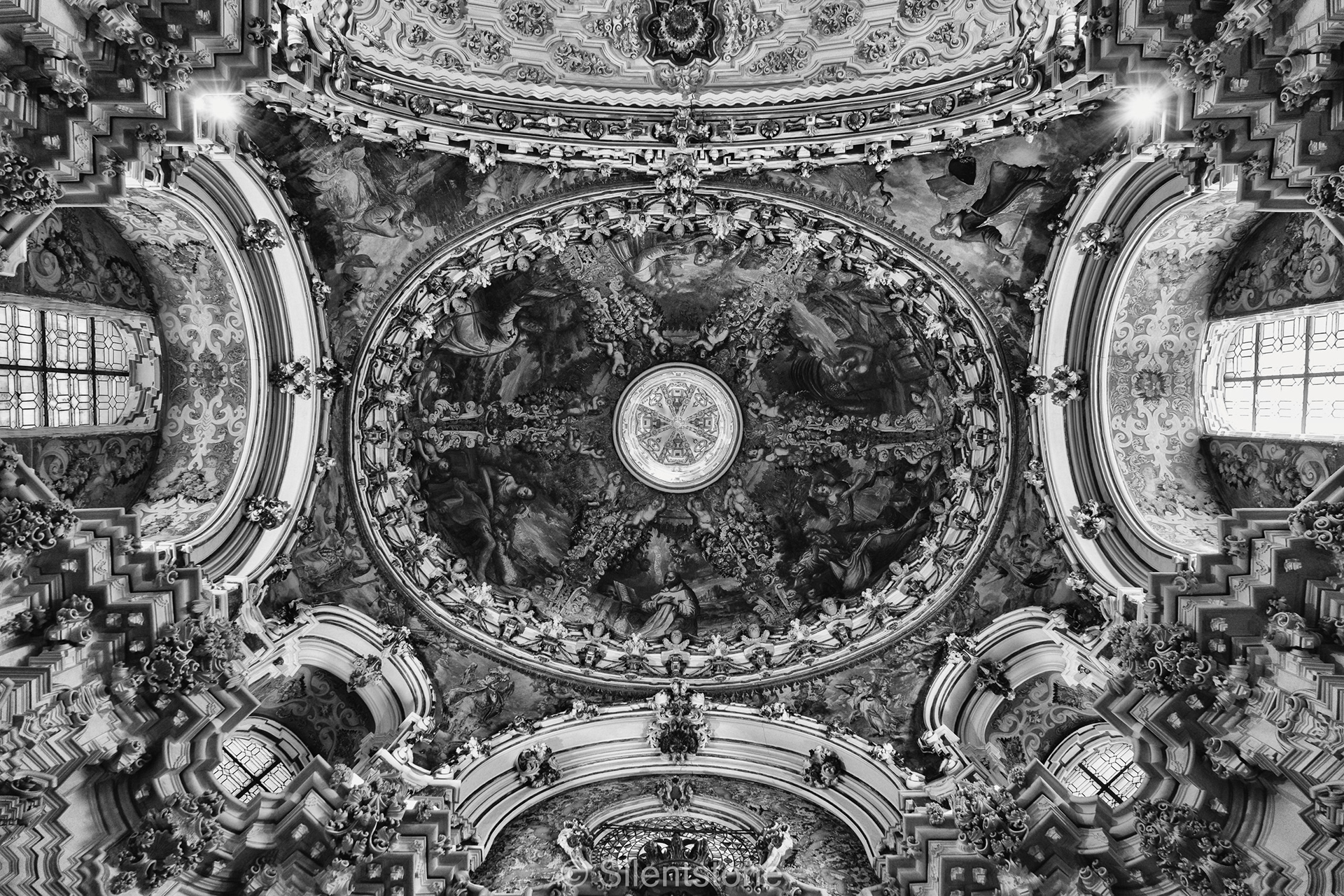
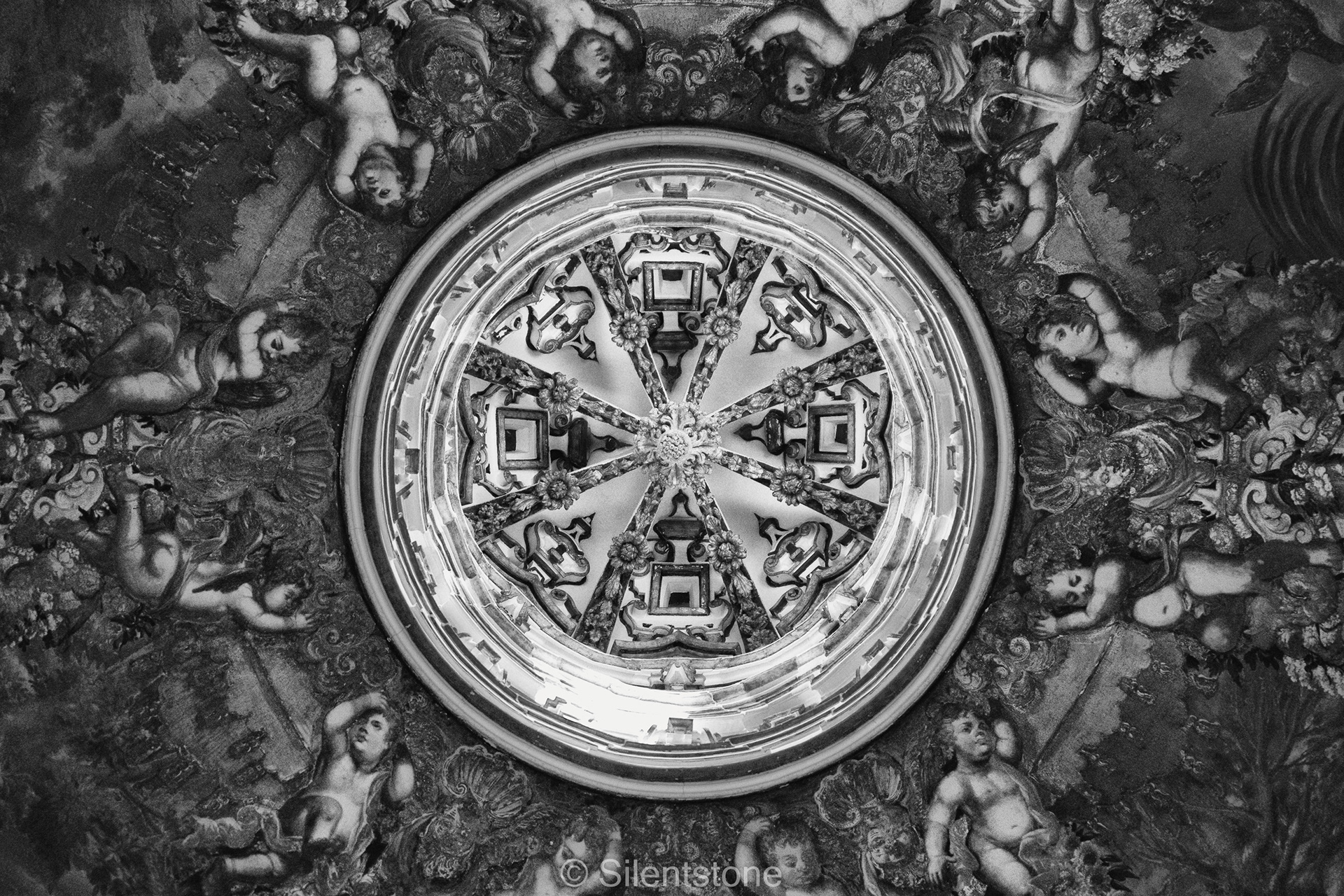
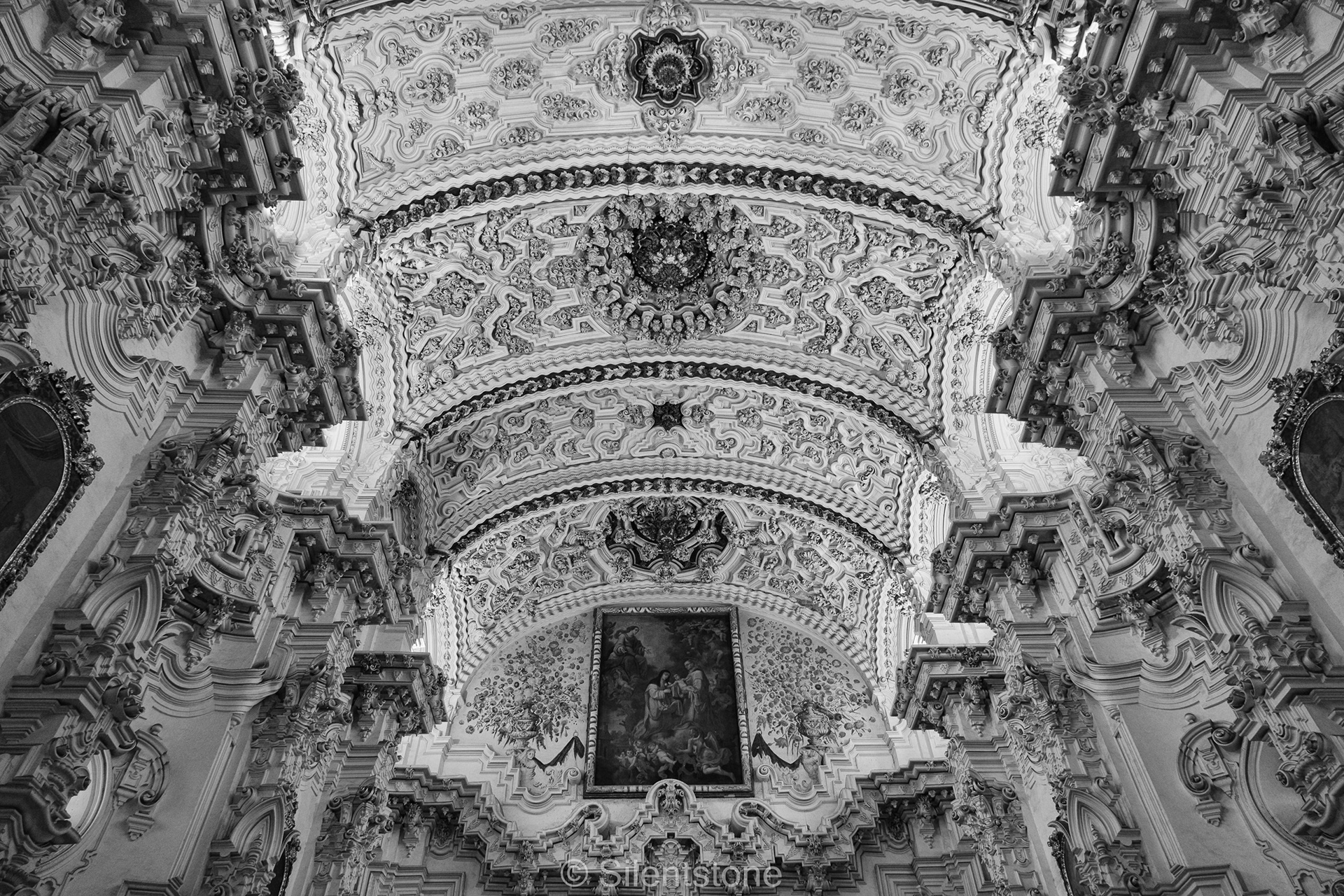
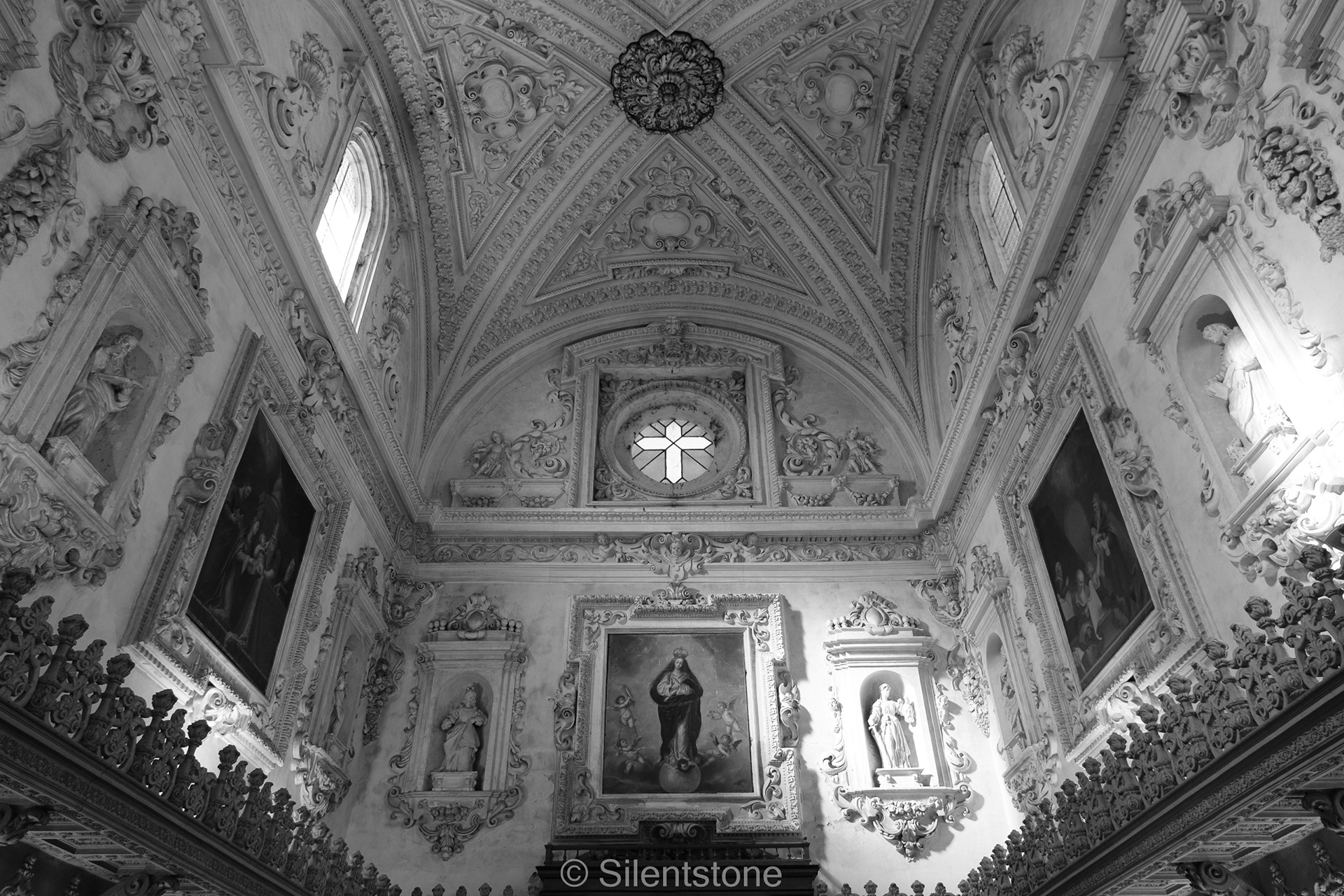
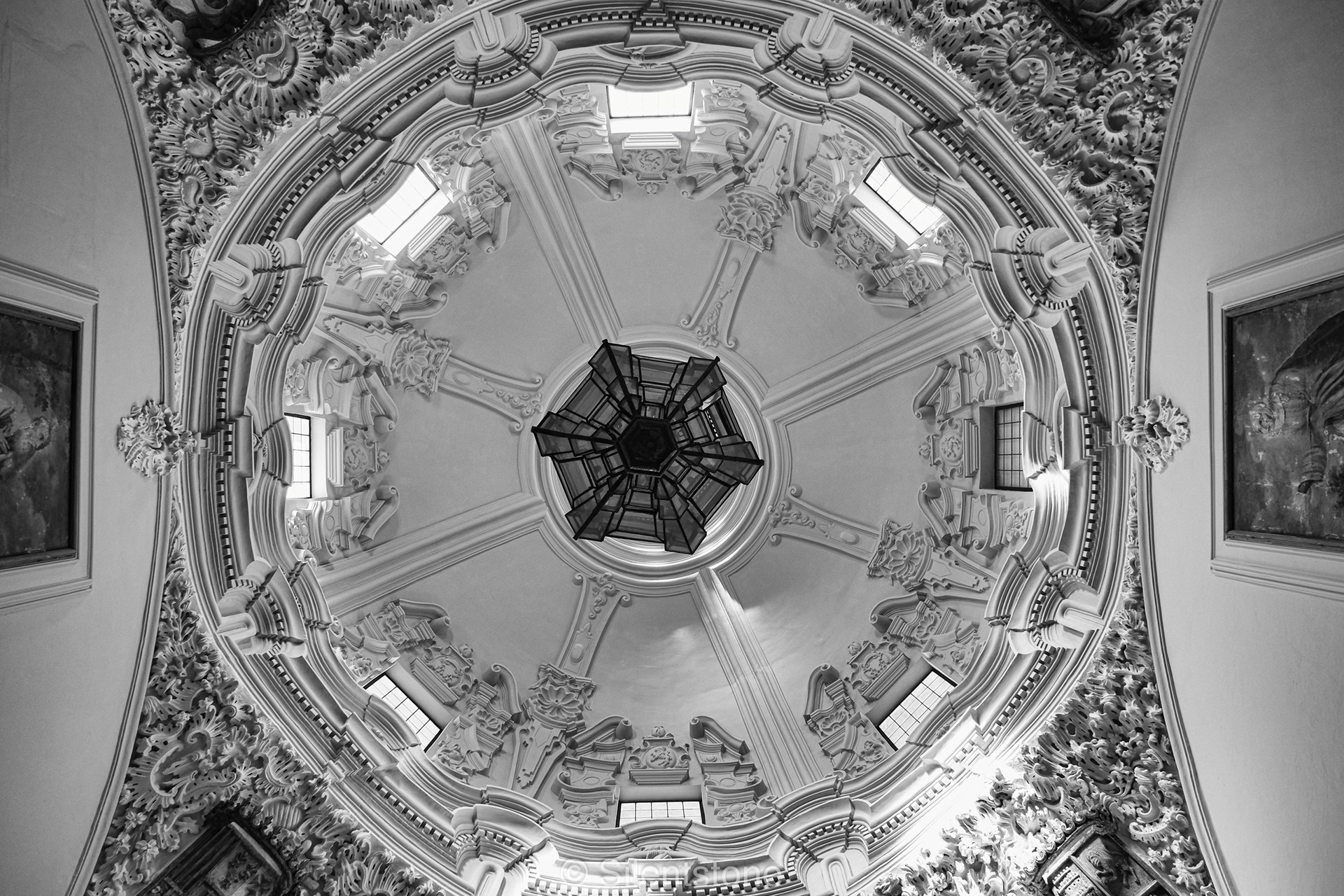
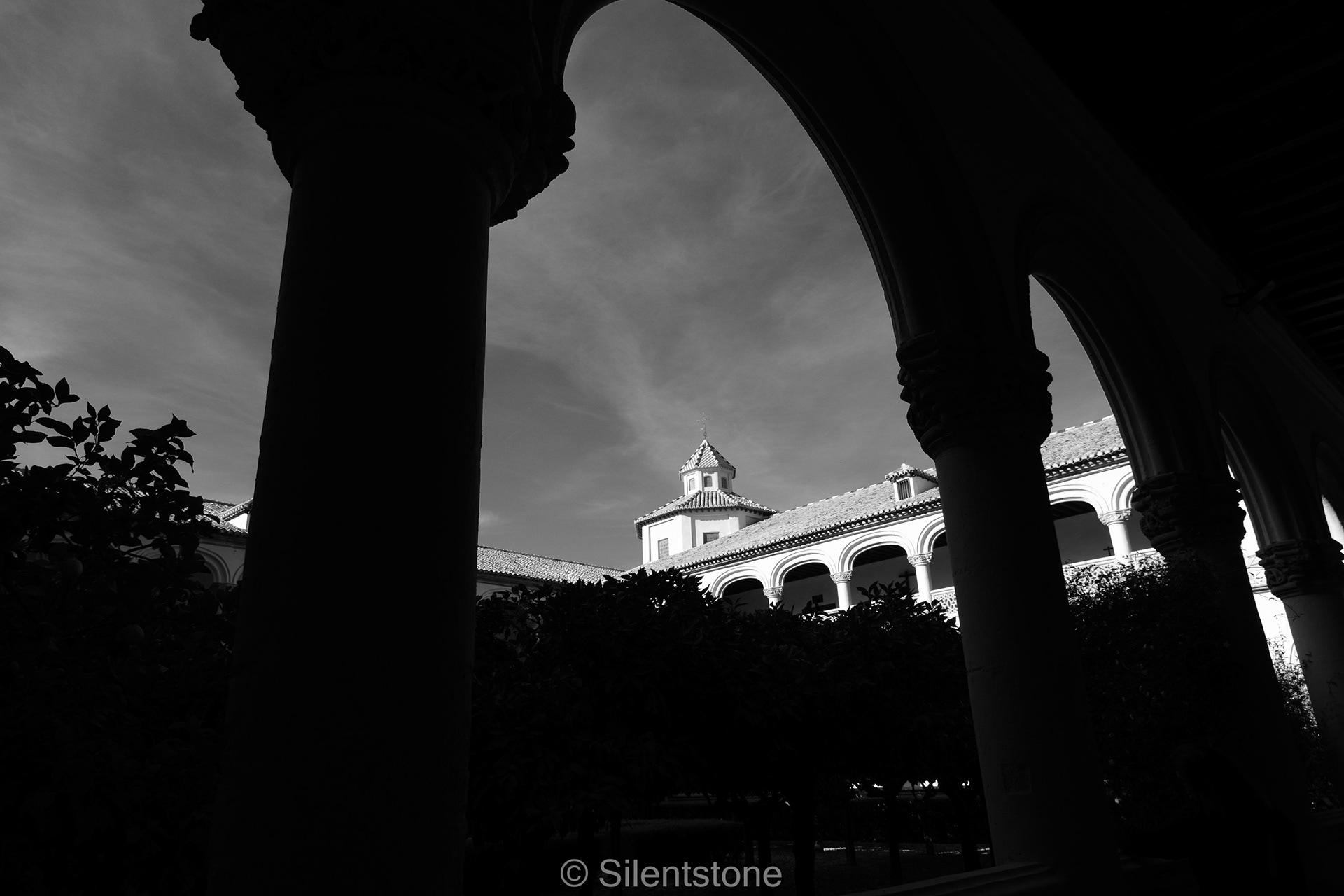
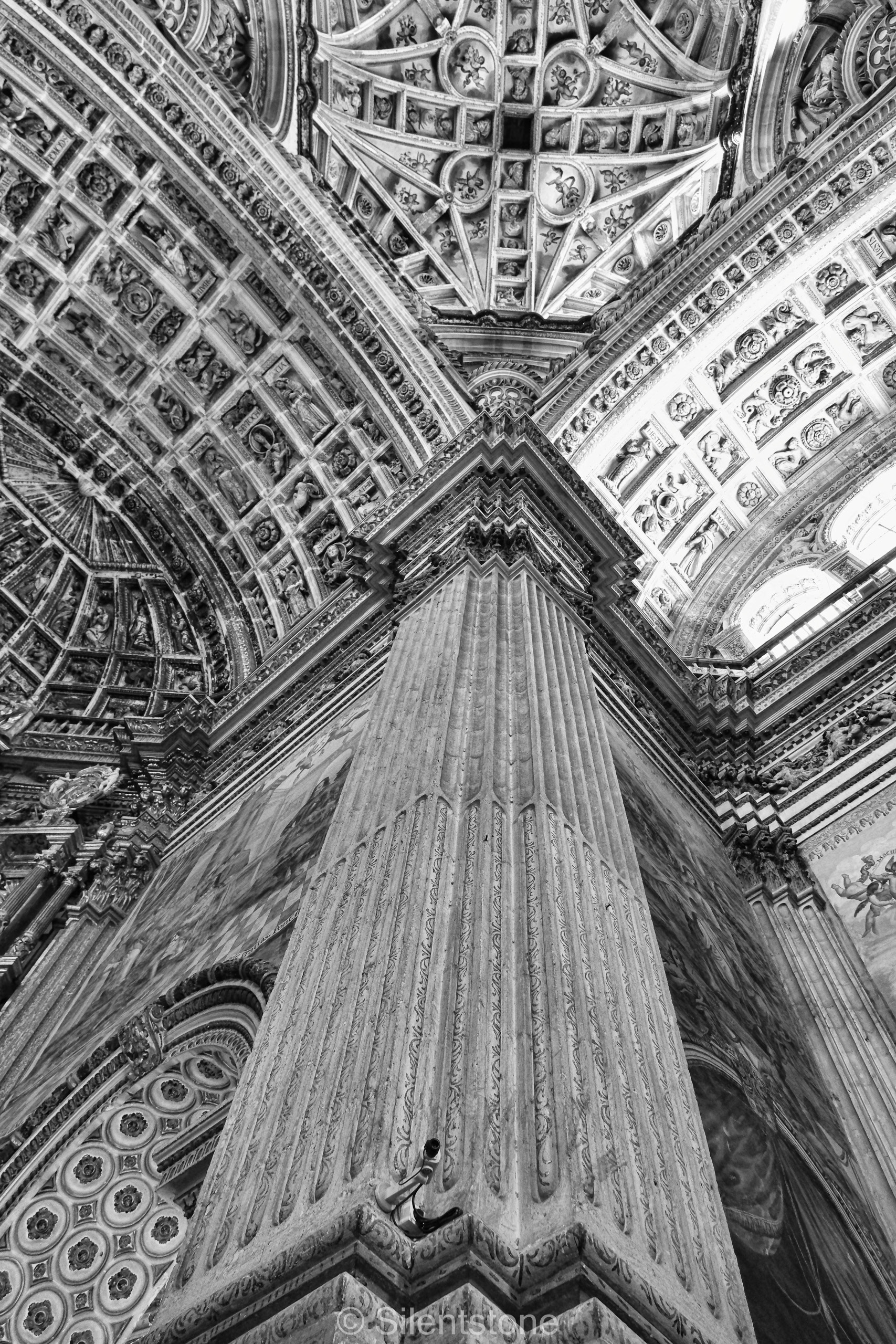
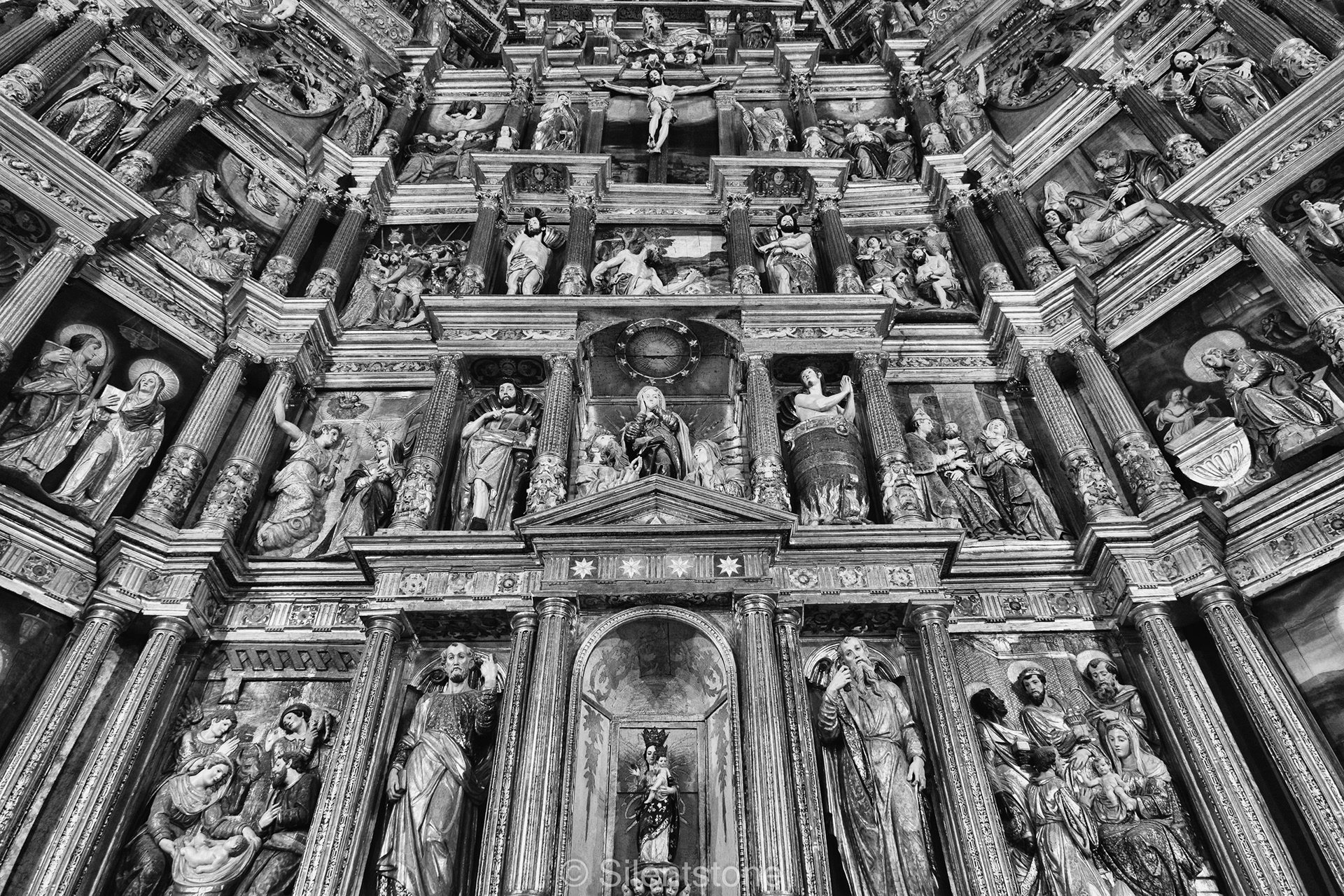
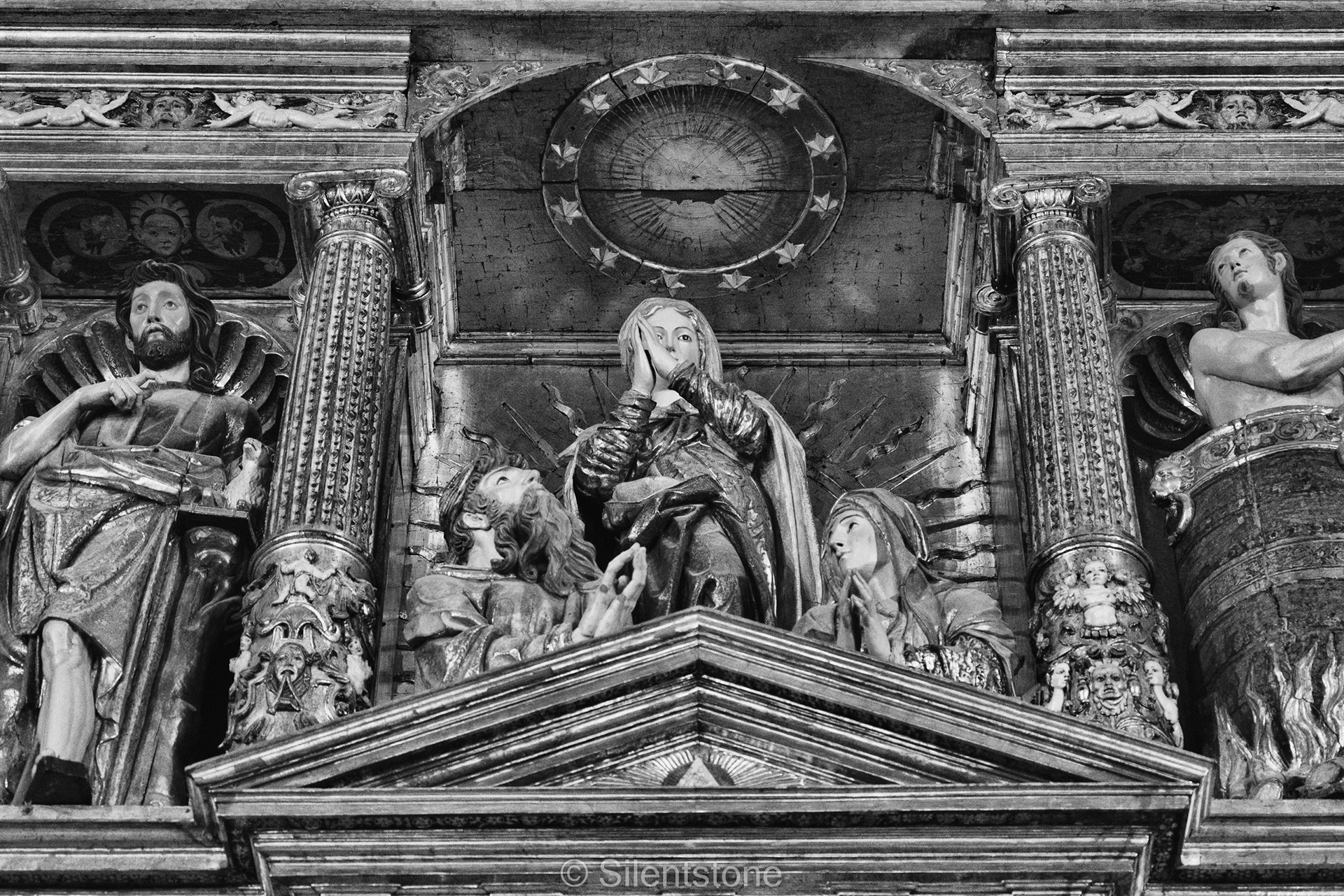
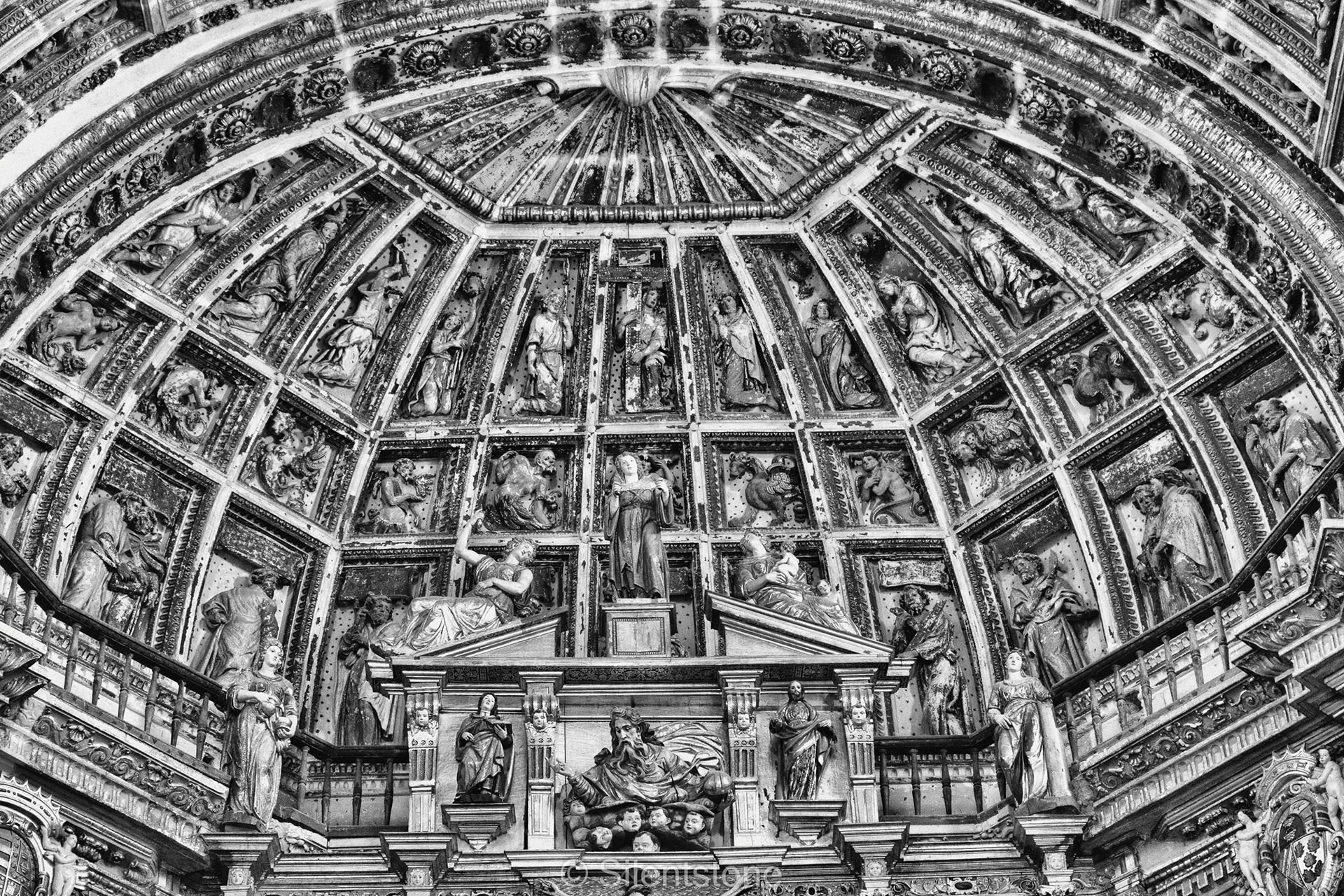
The Charterhouse of Granada (La Cartuja), in particular, strikes the soul. It is a riot of marble, gold leaf, and statues that dance between ecstasy and agony. Inside, the light refracts in such a way that the walls seem to breathe, and the angels in the frescoes observe you with a curiosity that transcends time. Was that opulence a way of containing an immense, almost dangerous faith, or an attempt to emulate the paradise that the Nasrids had dreamed of just a few hills away? The mystery lies not in its beauty, but in the intensity of that search.
And then there are its people. They are not just the heirs of the Reconquista, nor the descendants of the Moriscos, nor the gypsies of Sacromonte. They are a collage of them all. Their voices, as evening falls, blend with the strumming of a flamenco guitar emerging from a cave, or with the bustle of a plaza where children run under the watchful eyes of their grandparents.
I saw their eyes, deep and dark, guarding the wisdom of centuries. I felt their pride, their melancholy, their overflowing joy. And I understood that the true mystery of Granada does not reside in the Alhambra, nor in its Charterhouses. It resides in the soul of its people a soul that has absorbed the light and shadow of every empire, every faith, every sorrow, and every celebration. They are the ones who whisper the stories, who guard the secrets, who keep alive the magic of a city that refuses to forget.
Granada, in the end, does not let you go. Its mystery embeds itself in your heart, and its whispers haunt you, inviting you to return, to unveil a little more of its inexhaustible soul.