Barcelona Cathedral: A Legacy of Stone and Faith
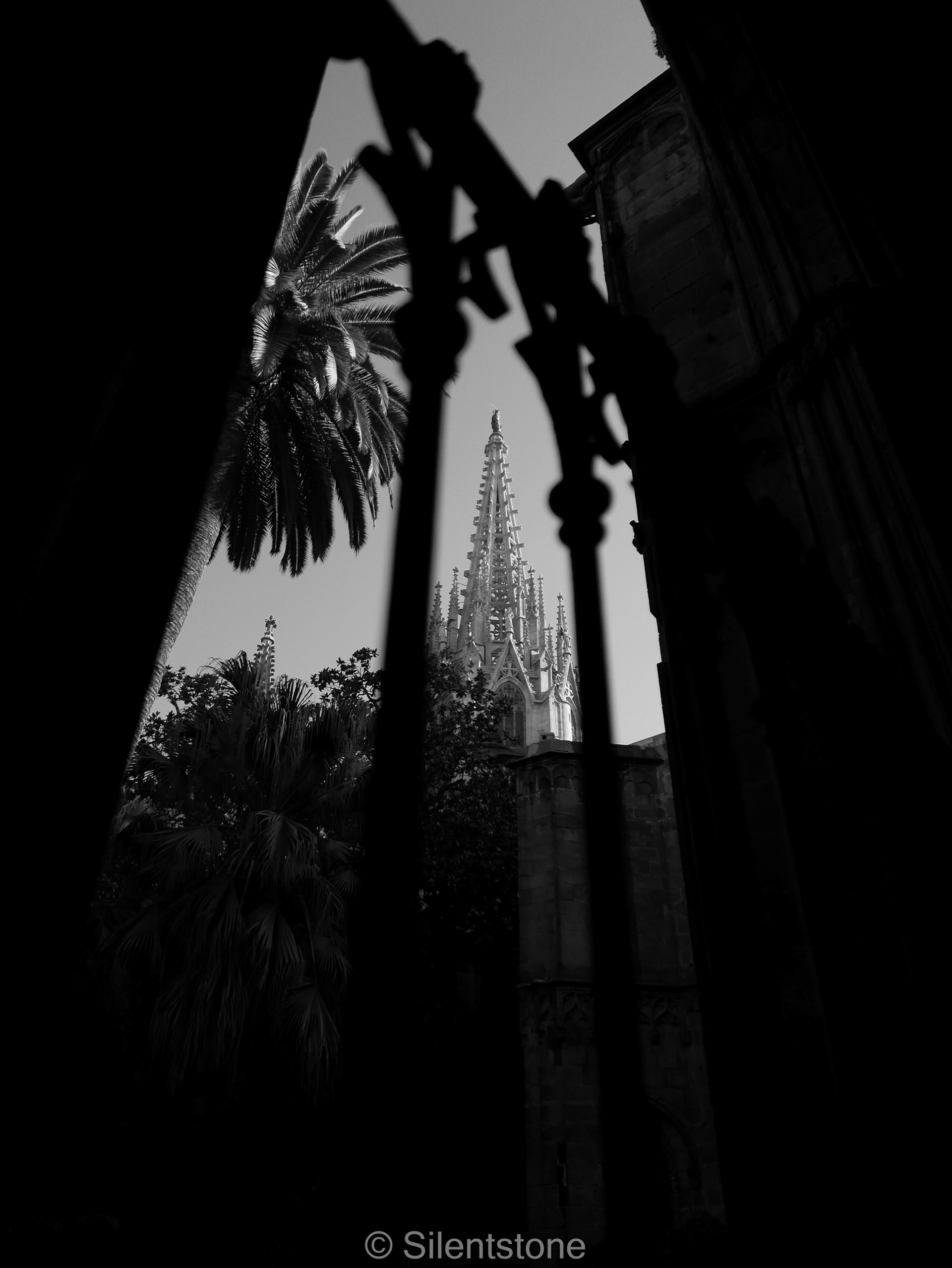
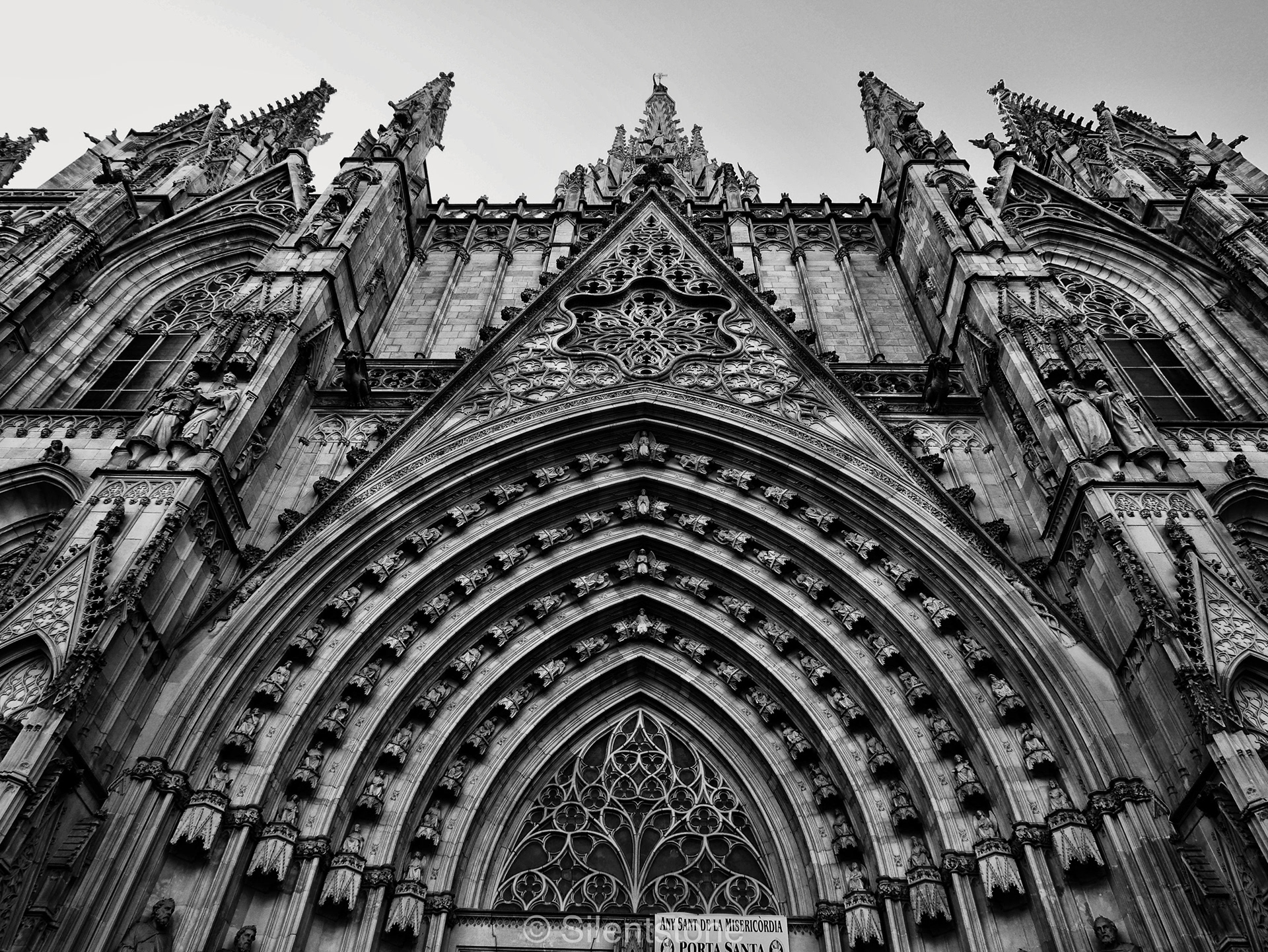
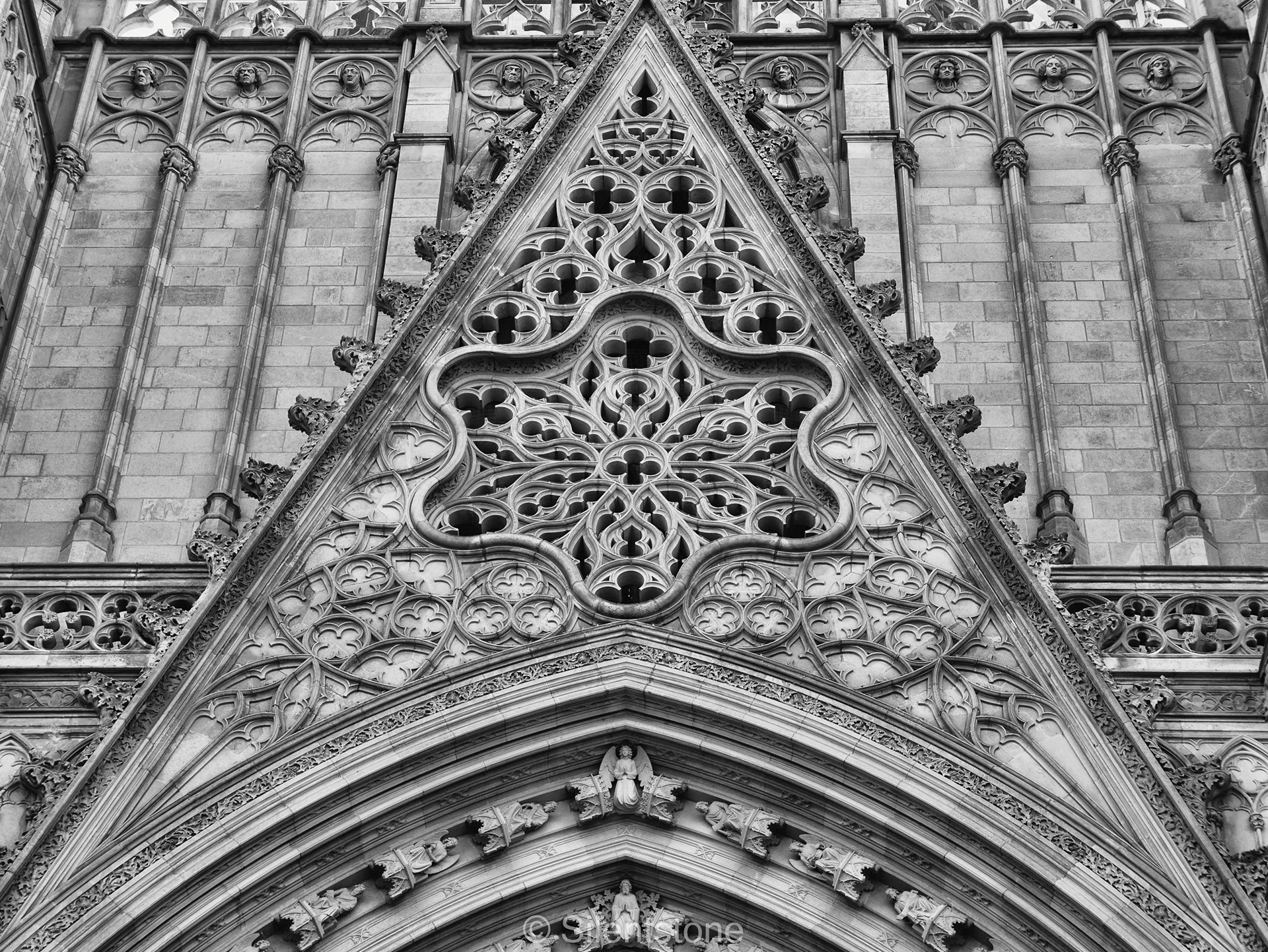
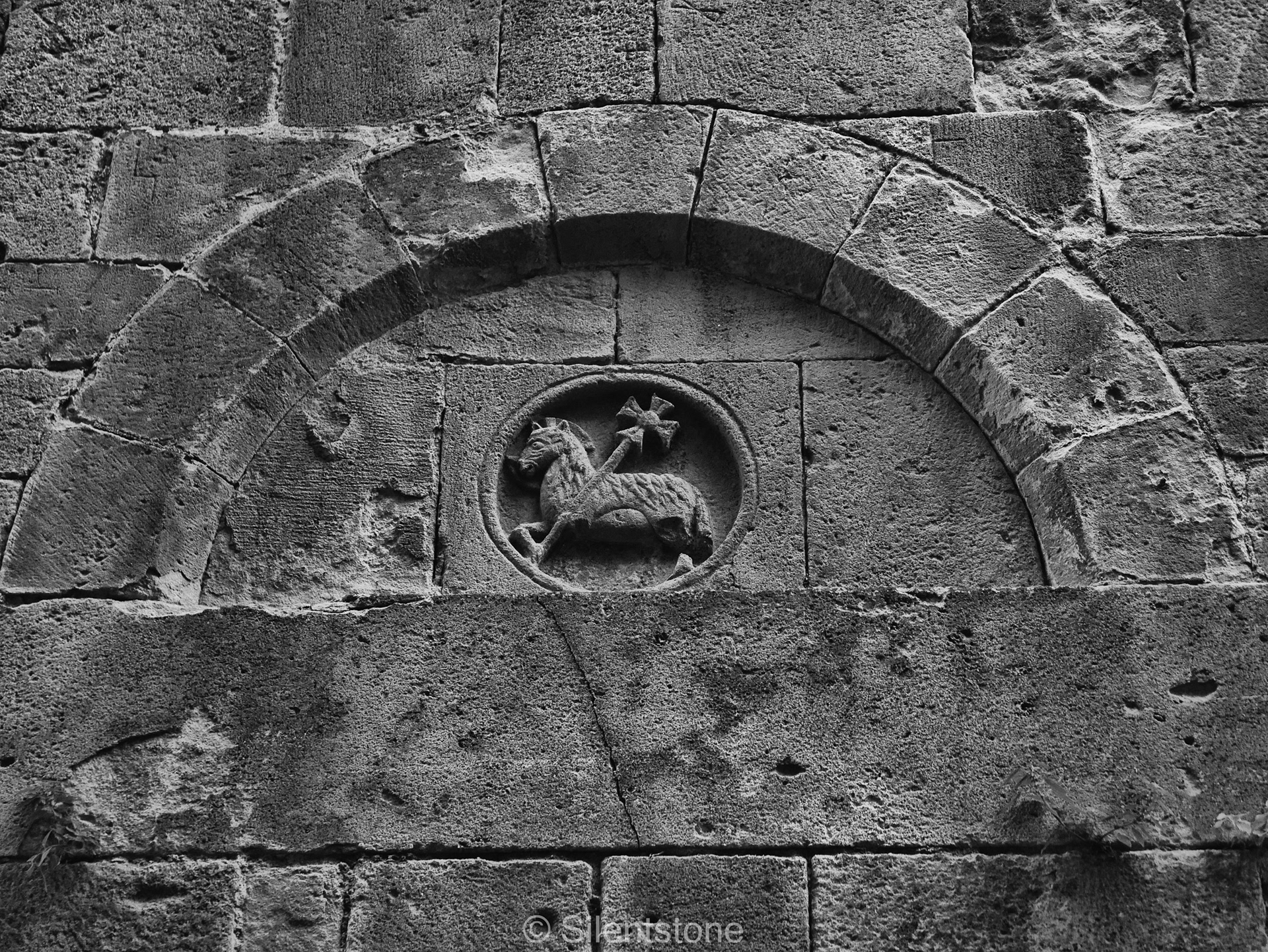
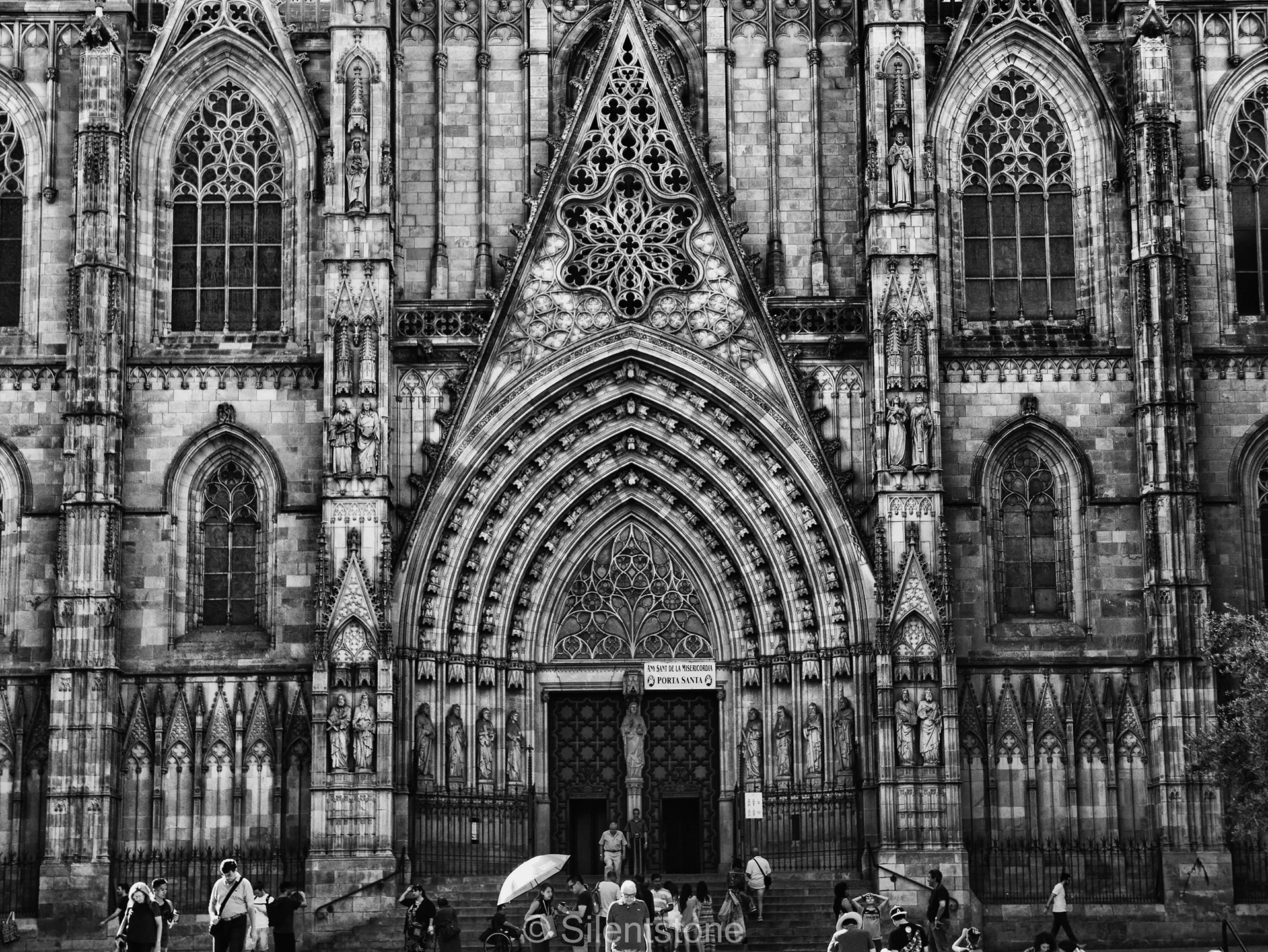
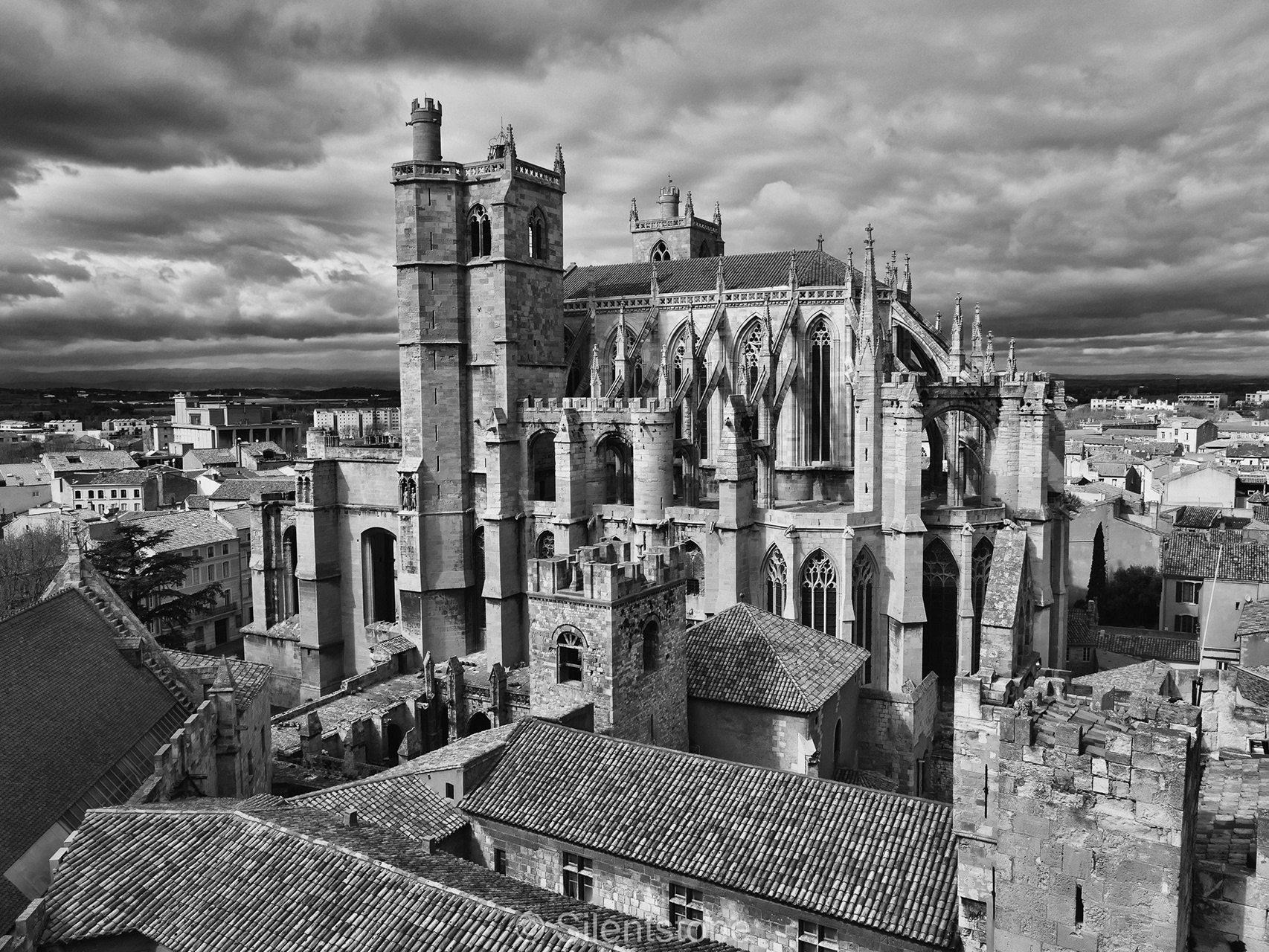
Located at the heart of the Barri Gòtic, the Cathedral of the Holy Cross and Saint Eulalia stands as a monumental testament to Catalonia’s spiritual and architectural history. While its construction began in the 13th century (1298) over the remains of a Romanesque church and a Paleo-Christian basilica, its stunning Neo-Gothic façade was not completed until the early 20th century, following the original medieval designs.
The Grandeur of Catalan Gothic
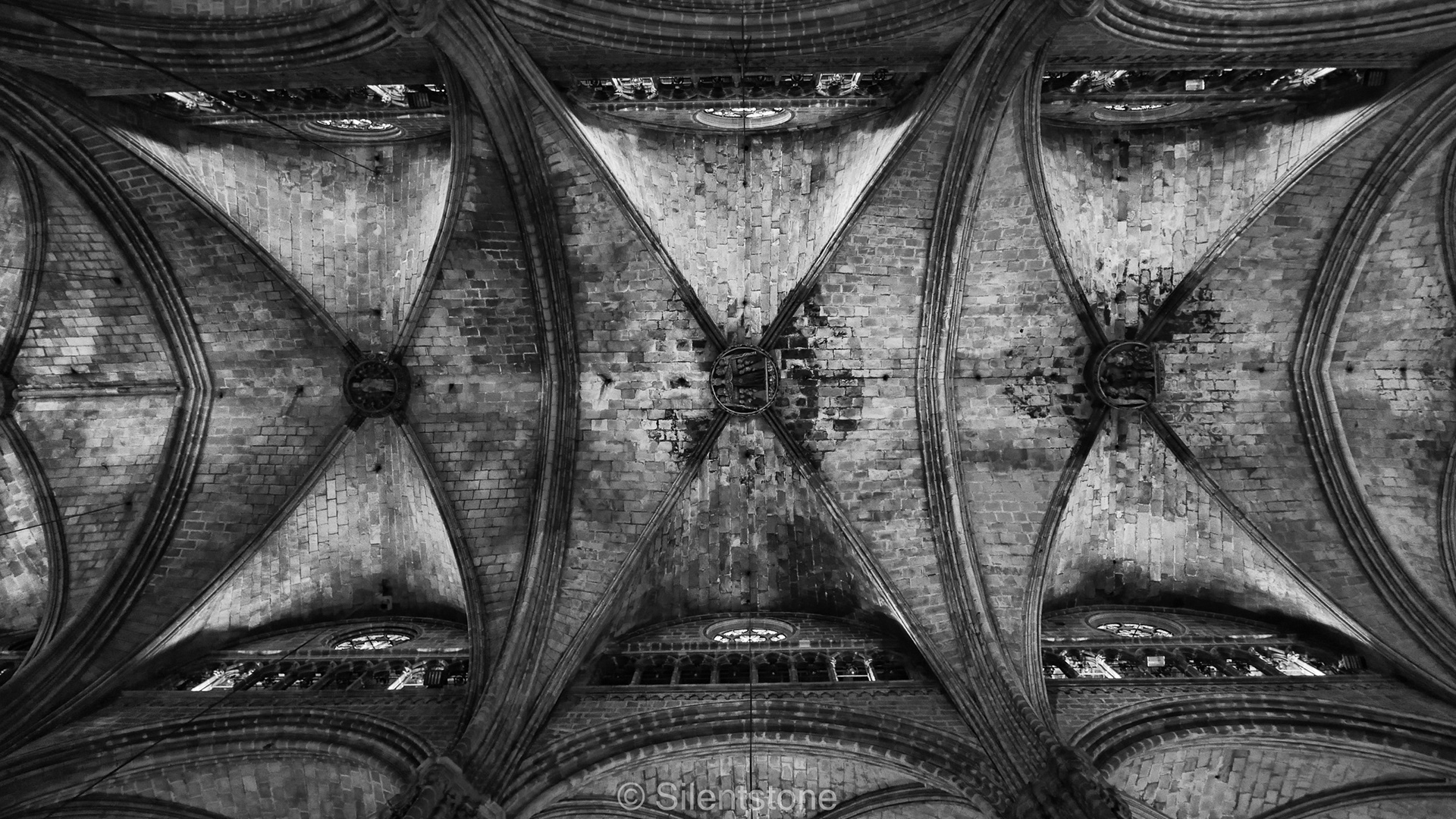
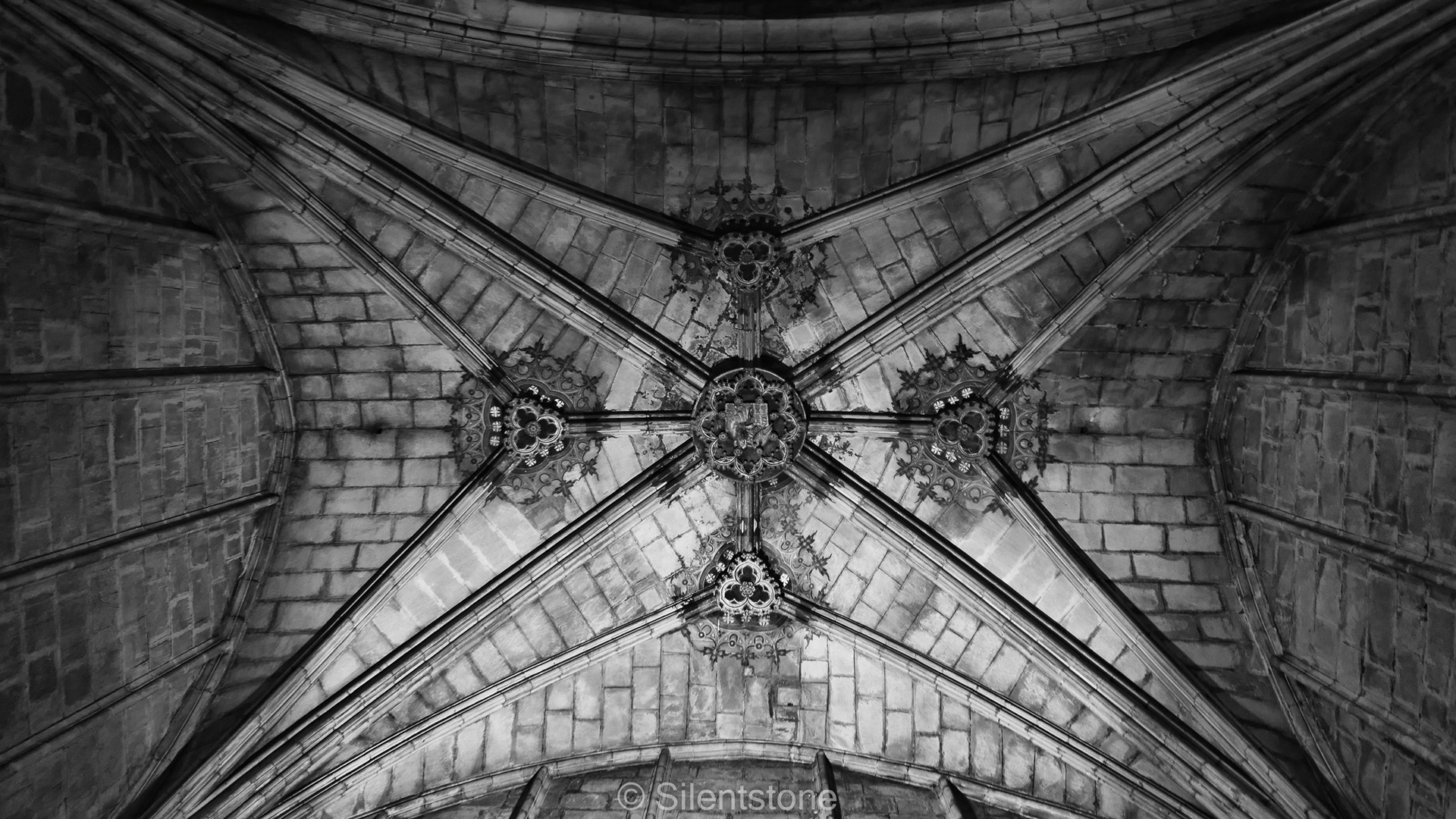
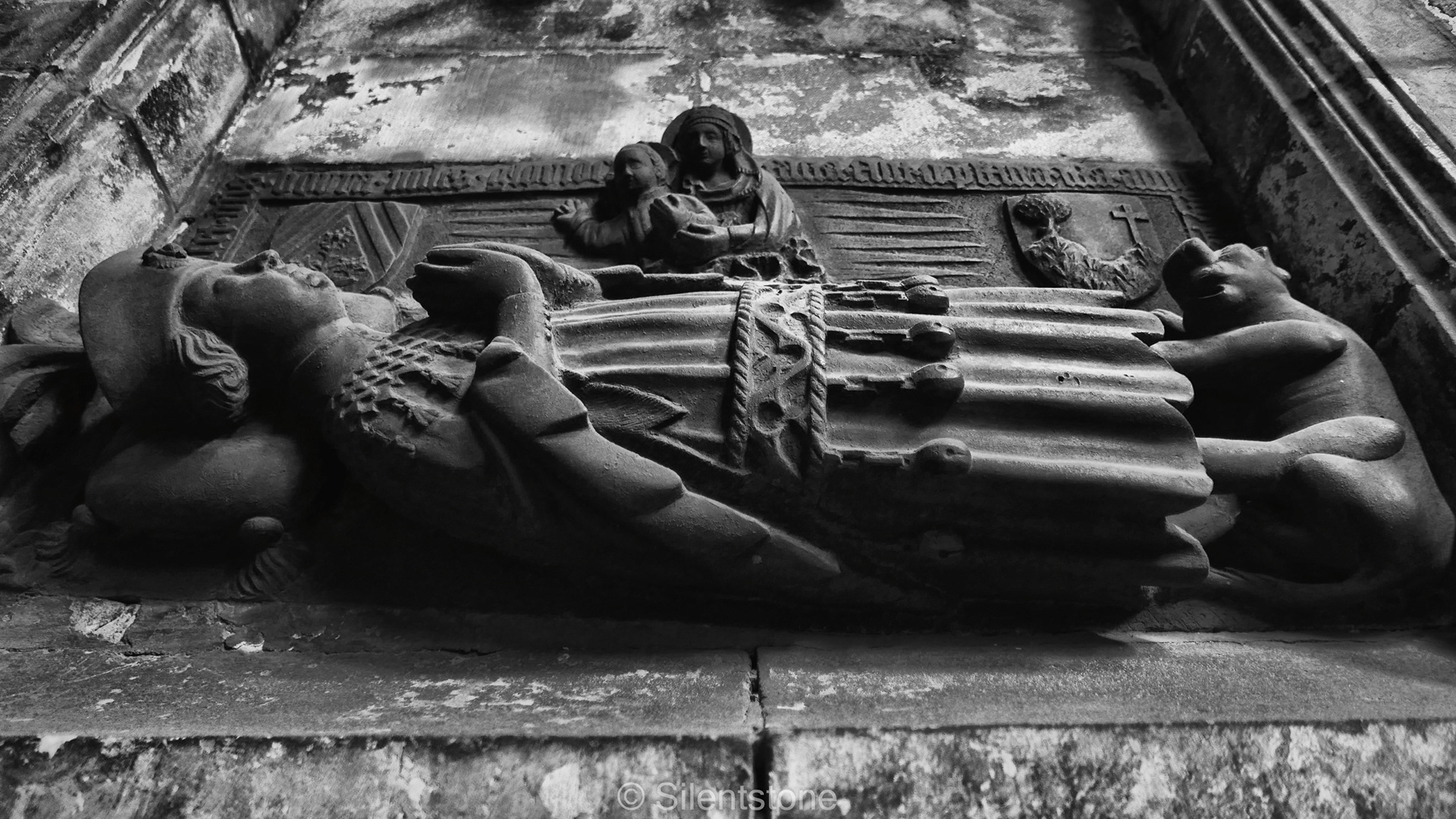
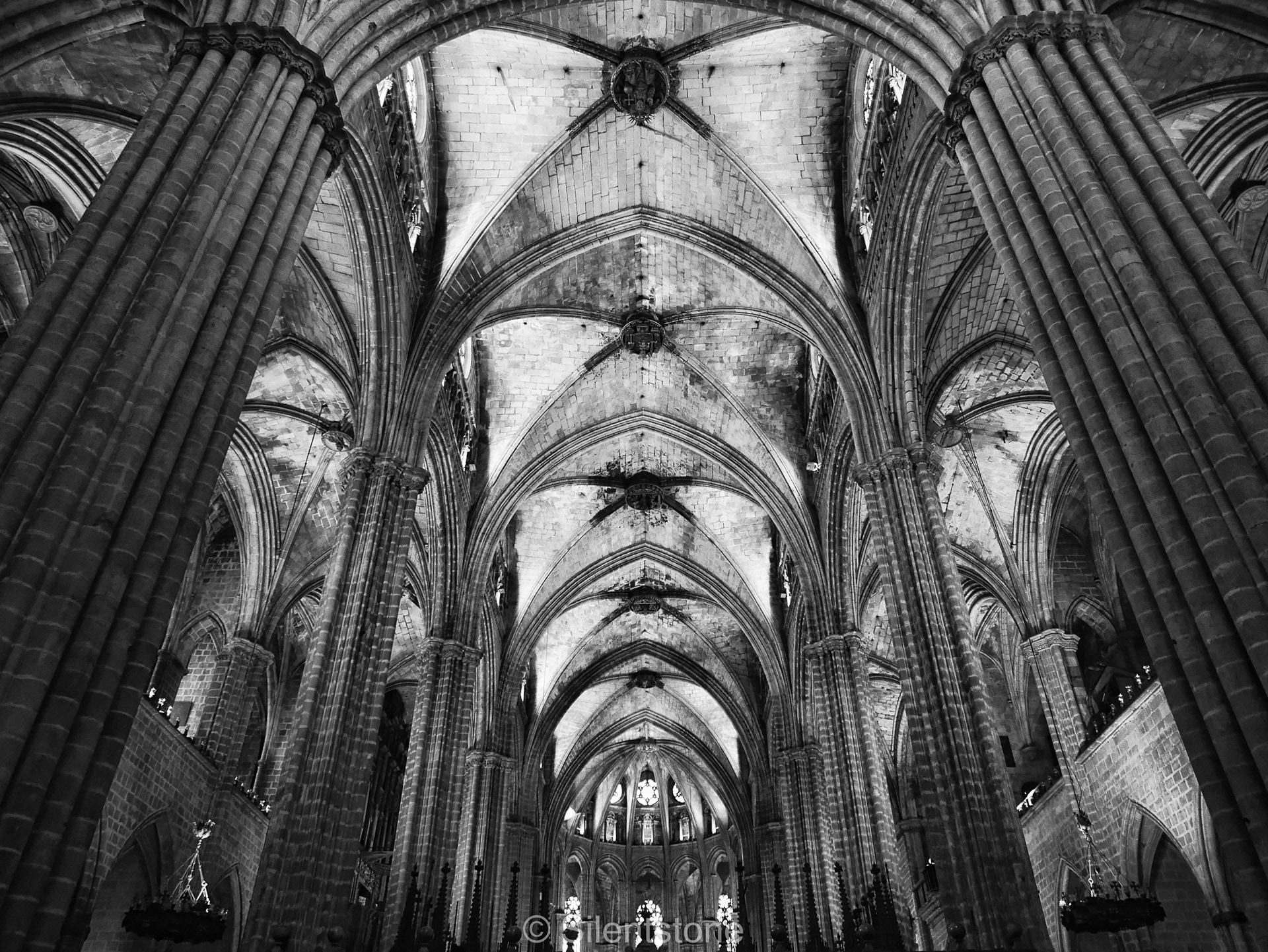
Unlike the flamboyant Gothic styles of Northern Europe, the Barcelona Cathedral is a prime example of Catalan Gothic. This style prioritizes horizontal balance over vertiginous height and favors spacious, airy interiors. The cathedral’s wealth lies in its structural harmony and its remarkable artistic details:
The Crypt of Saint Eulalia: A masterpiece of 14th-century sculpture, housing the relics of the city’s co-patron saint in an exquisitely carved alabaster sarcophagus.
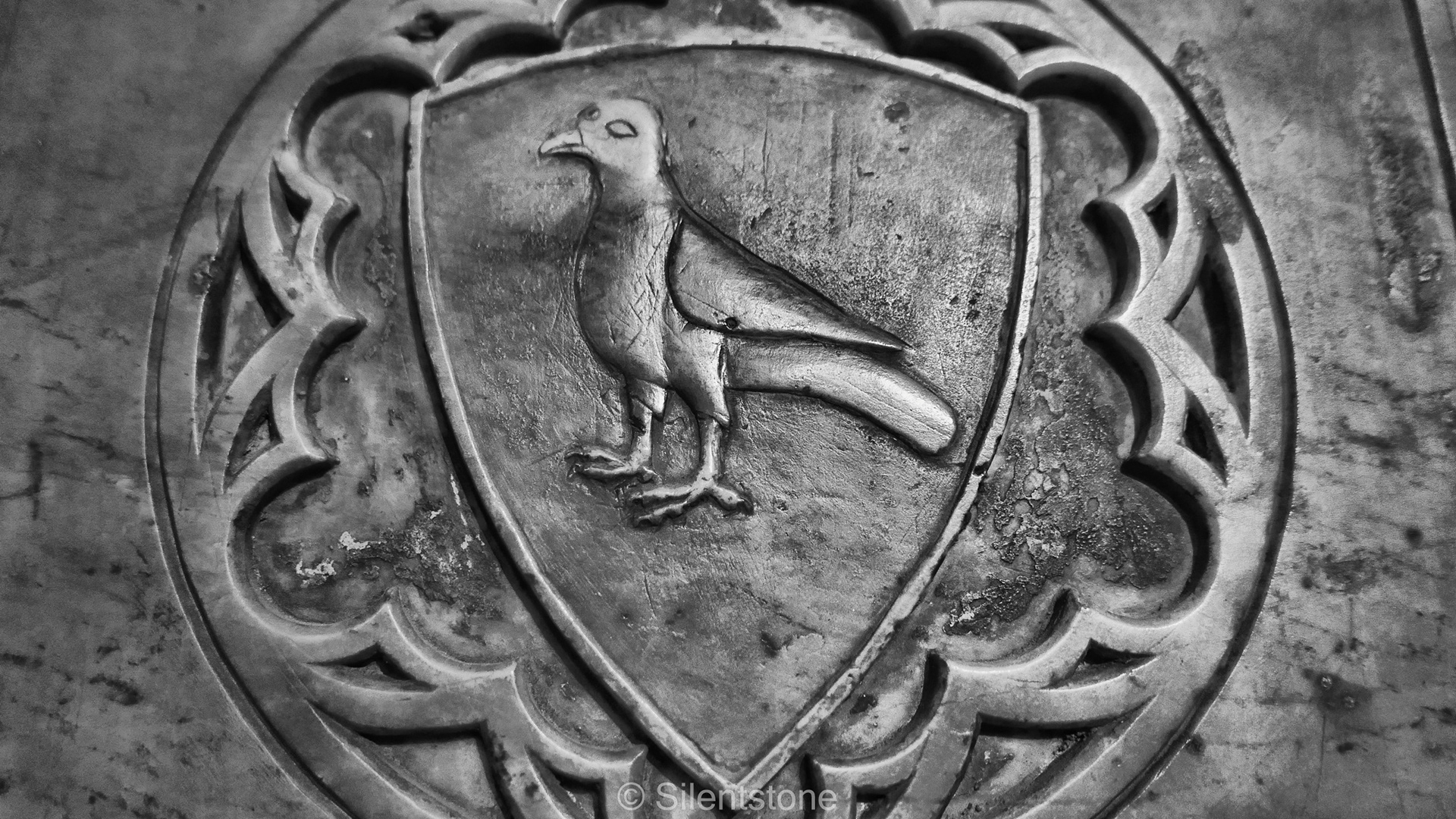
The Choir Stalls: Considered one of the finest examples of Gothic woodwork in Spain, featuring the heraldic coats of arms of the knights of the Order of the Golden Fleece.
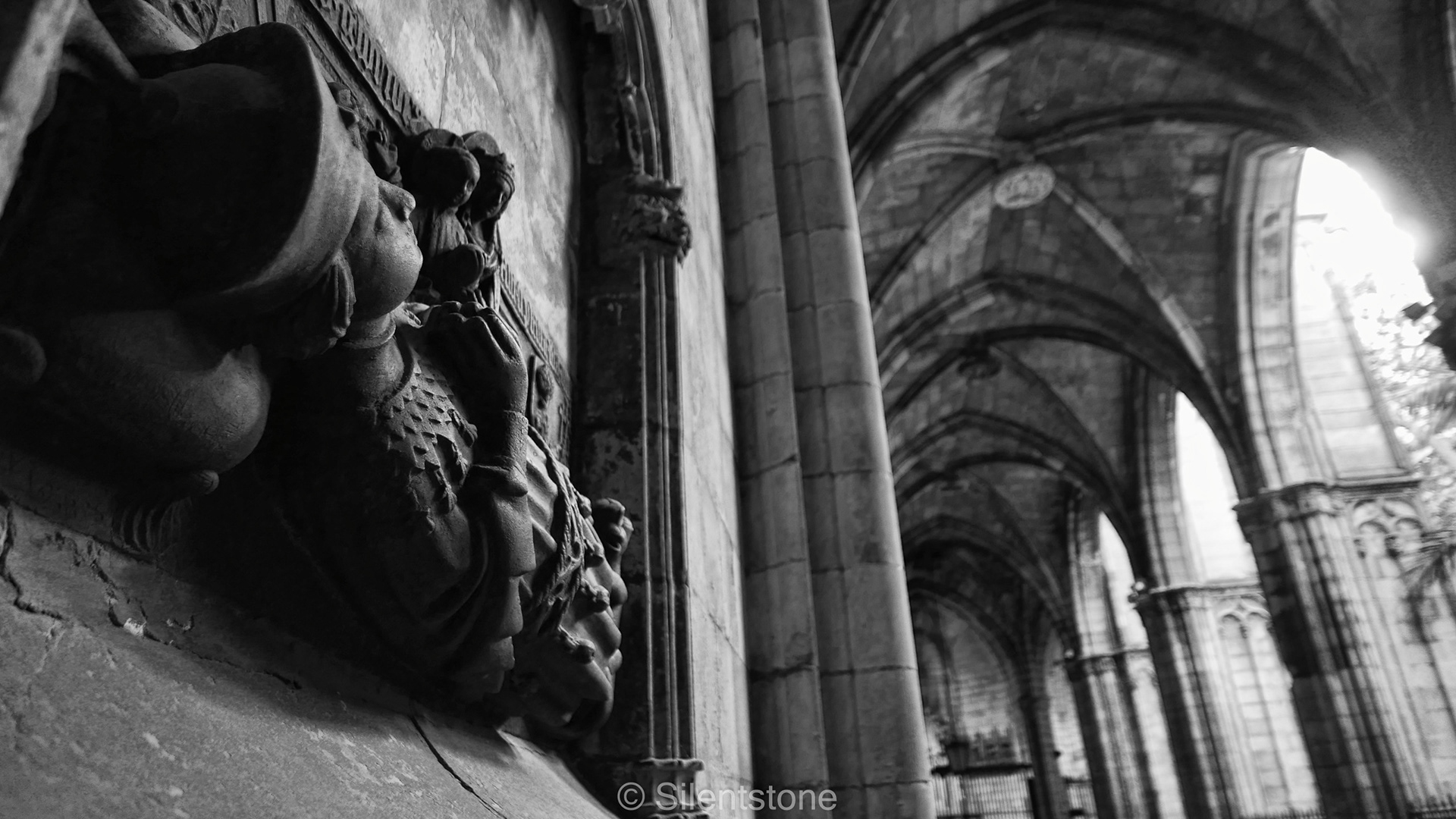
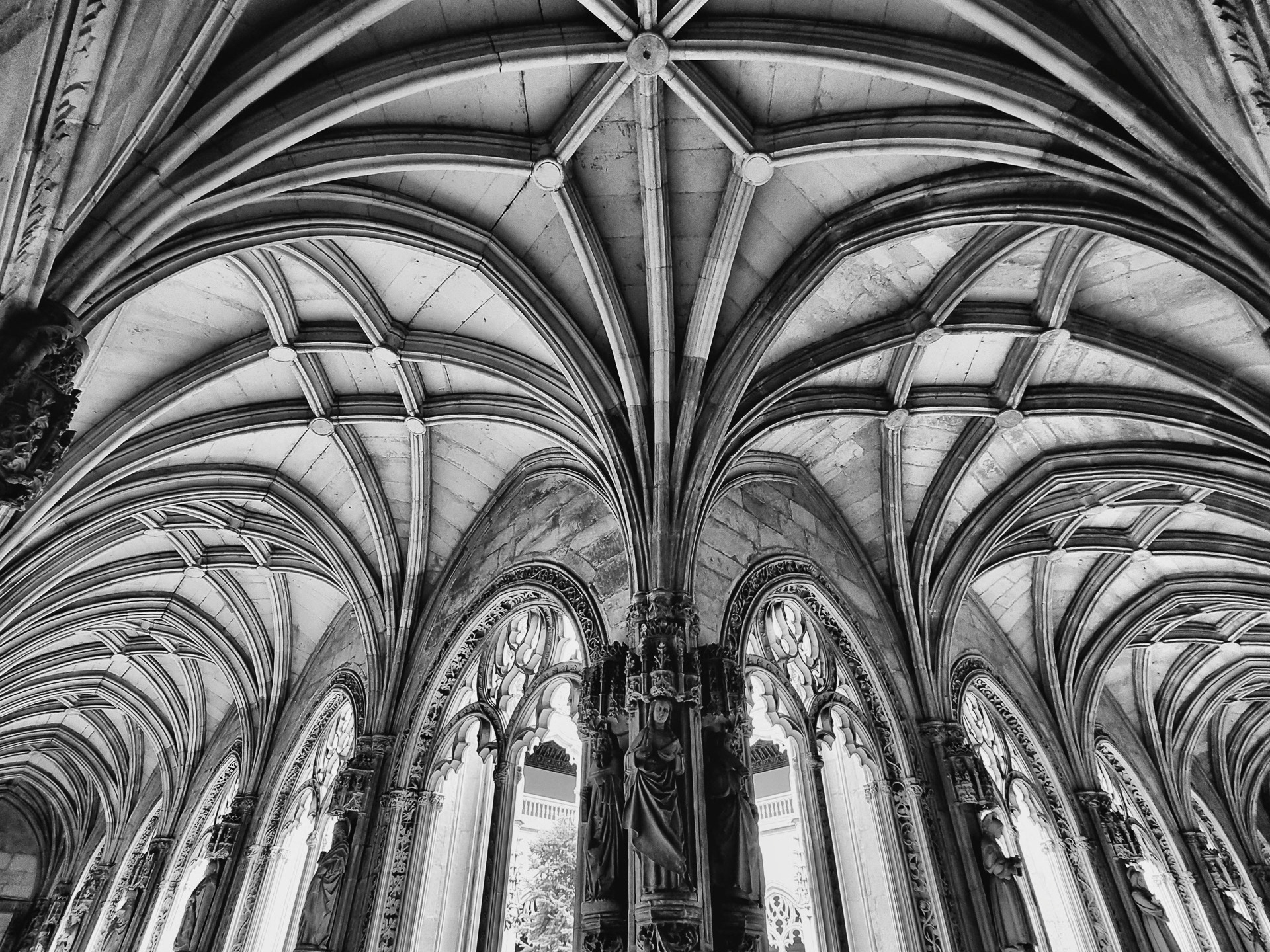
The Cloister: A sanctuary of peace within the bustling city, famous for its vaulted galleries, the fountain of Saint George, and the thirteen white geese that honor the age of Saint Eulalia at her martyrdom.
Light and Mystery
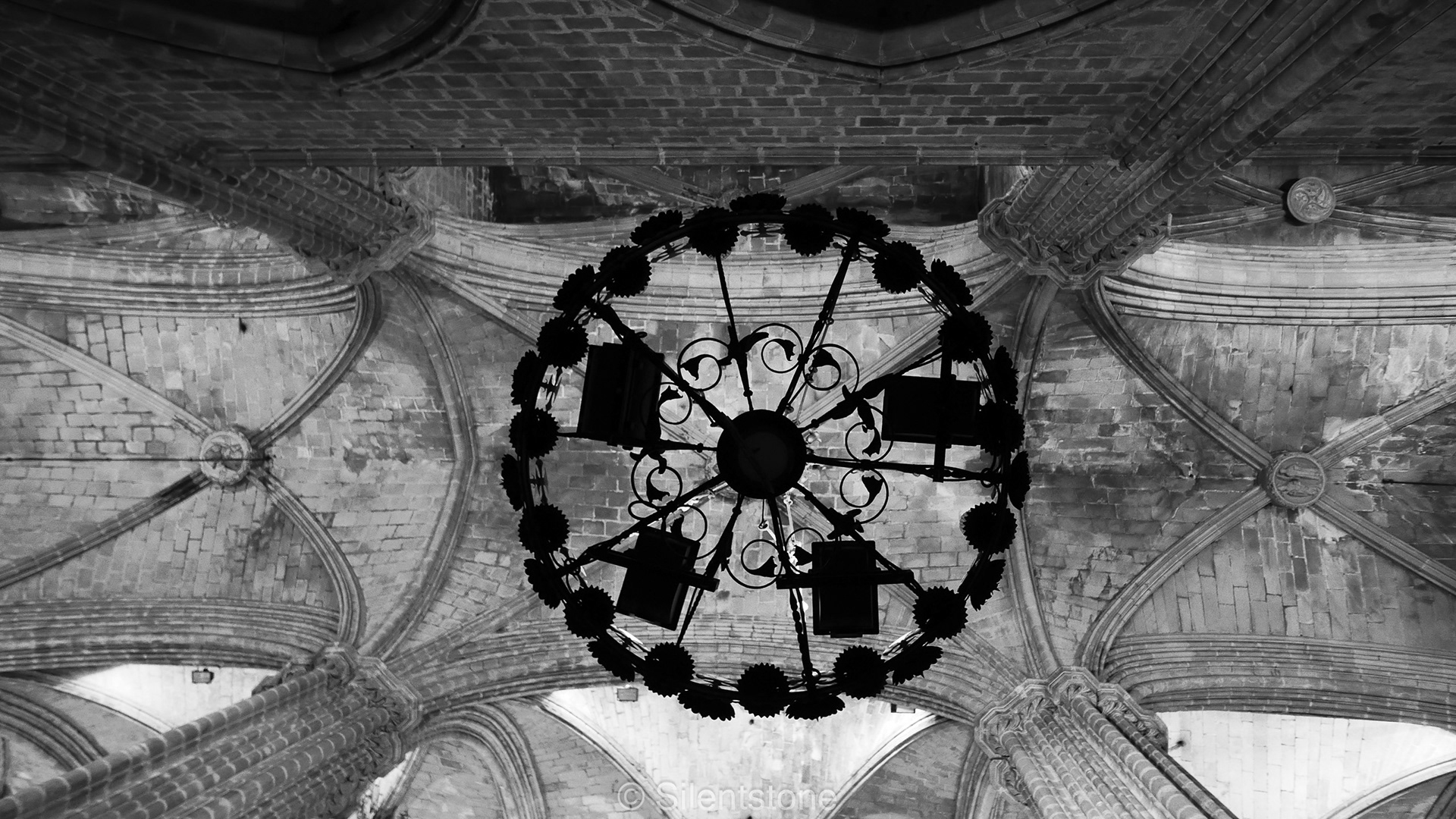
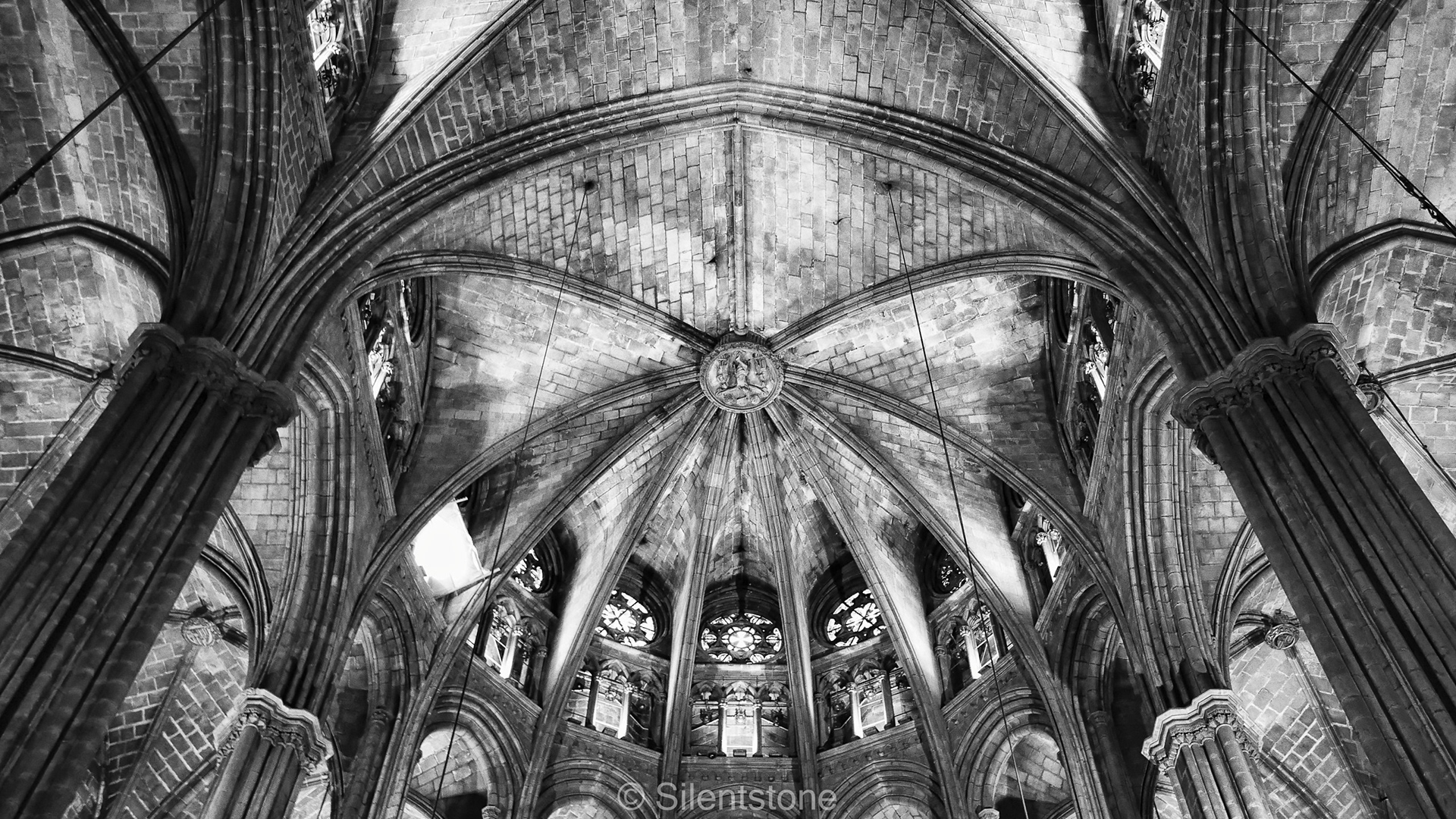
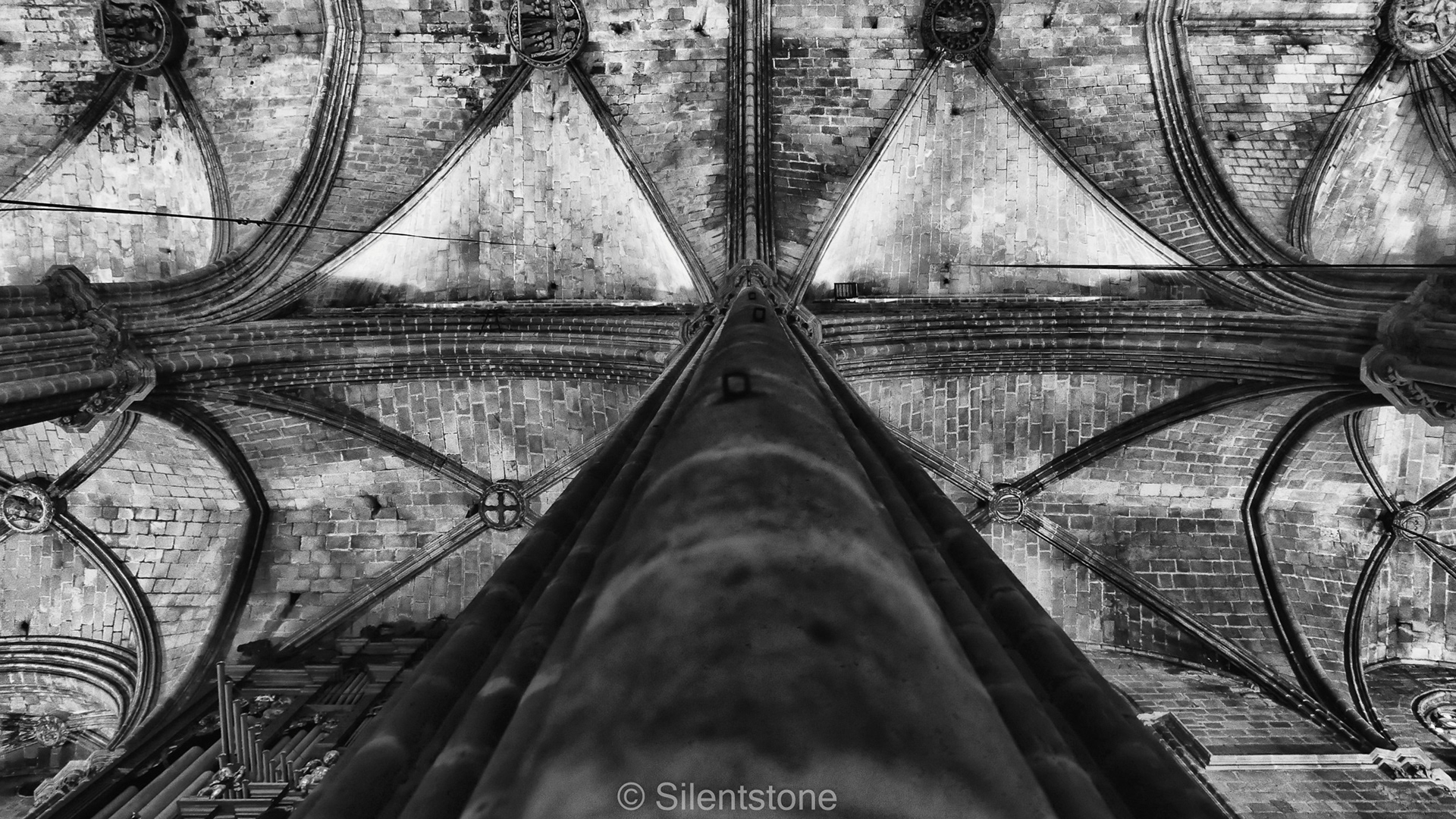
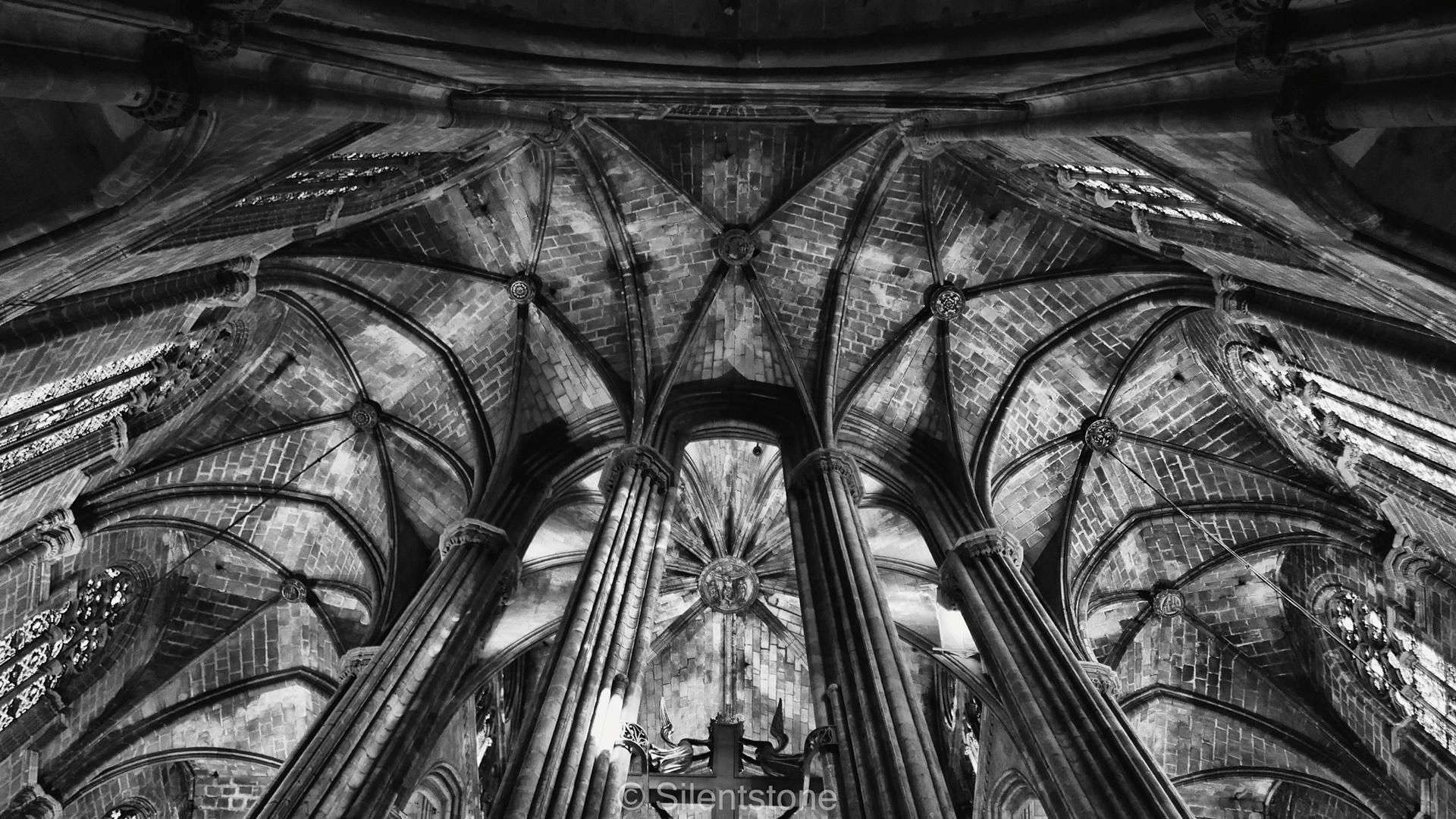
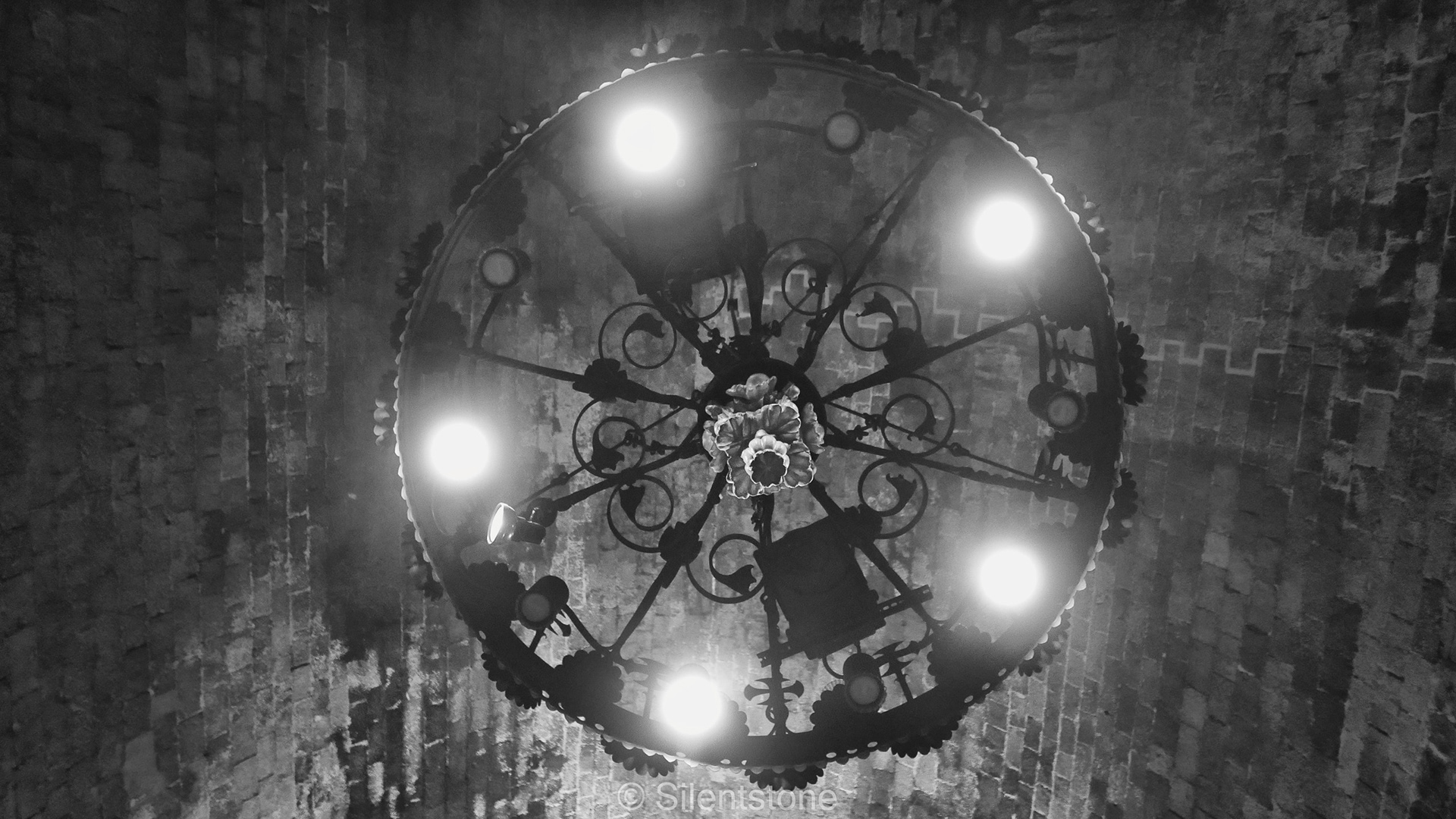
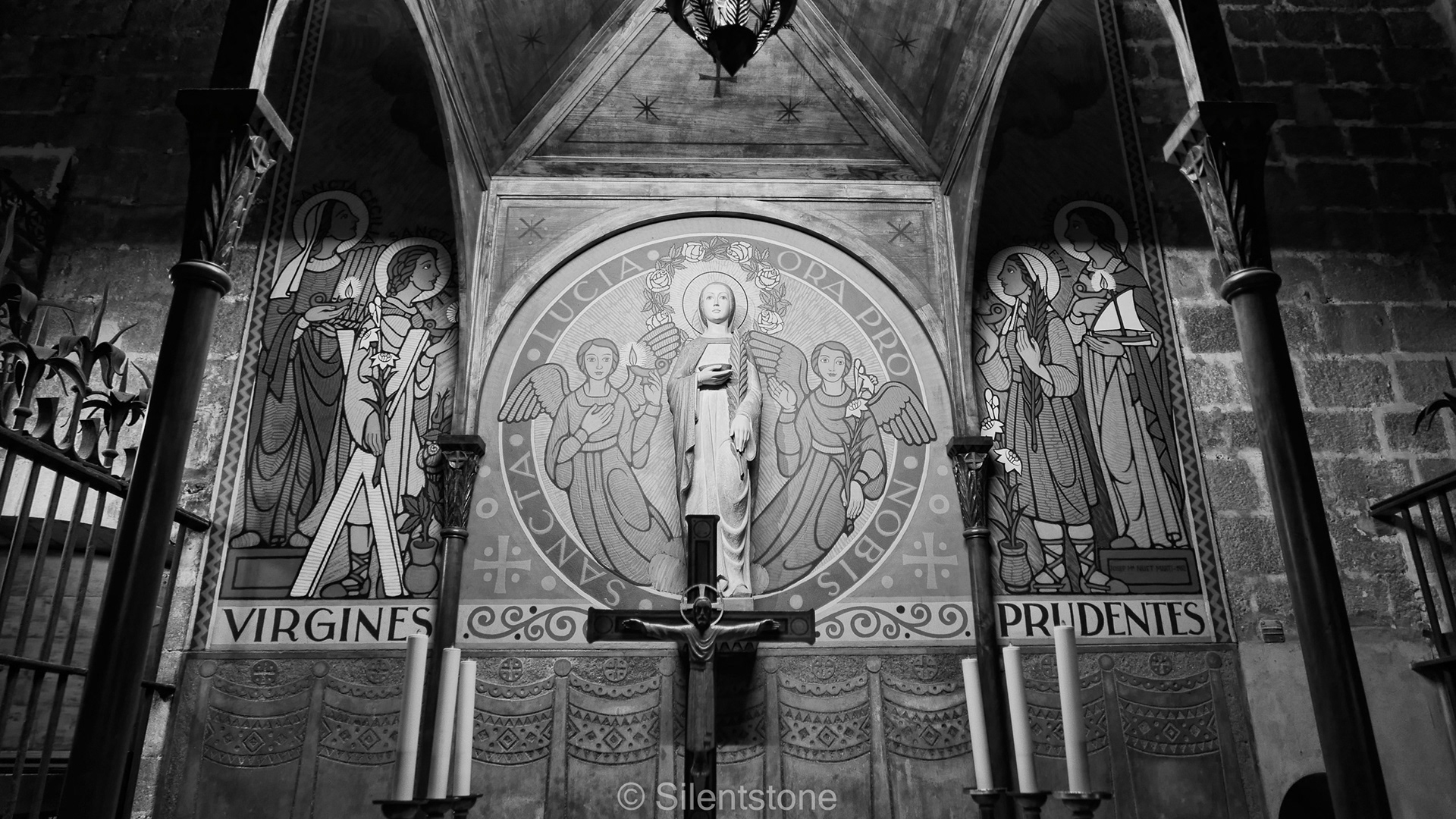
Through the lens of fine art photography, the Cathedral reveals a world of contrasts. The filtered light through its centuries-old stained glass creates a chiaroscuro that highlights the soaring ribbed vaults and the solemnity of the side chapels. It is a space where the weight of history and the ethereal quality of light meet in a silent, timeless embrace.