The Unfinished Giant
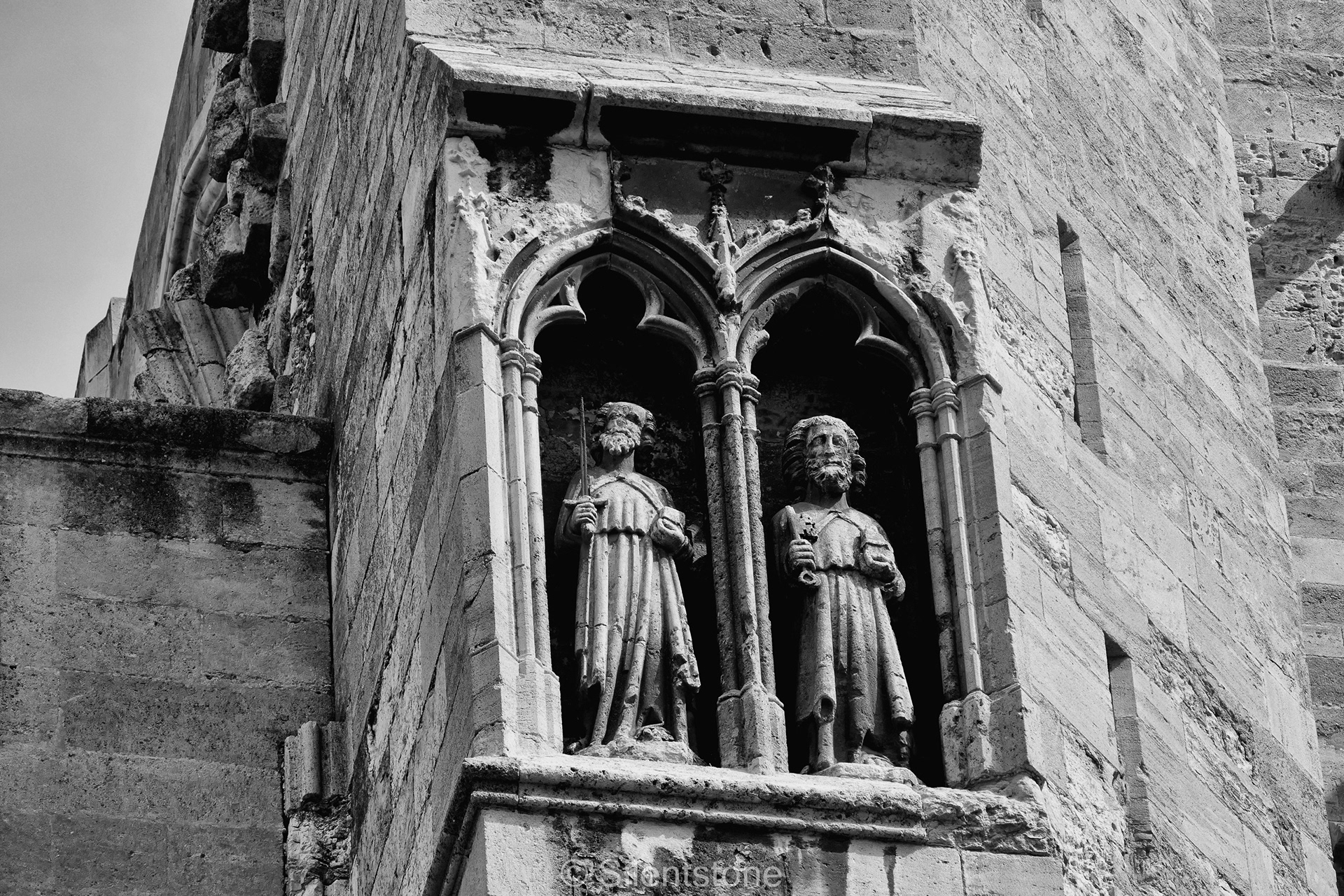
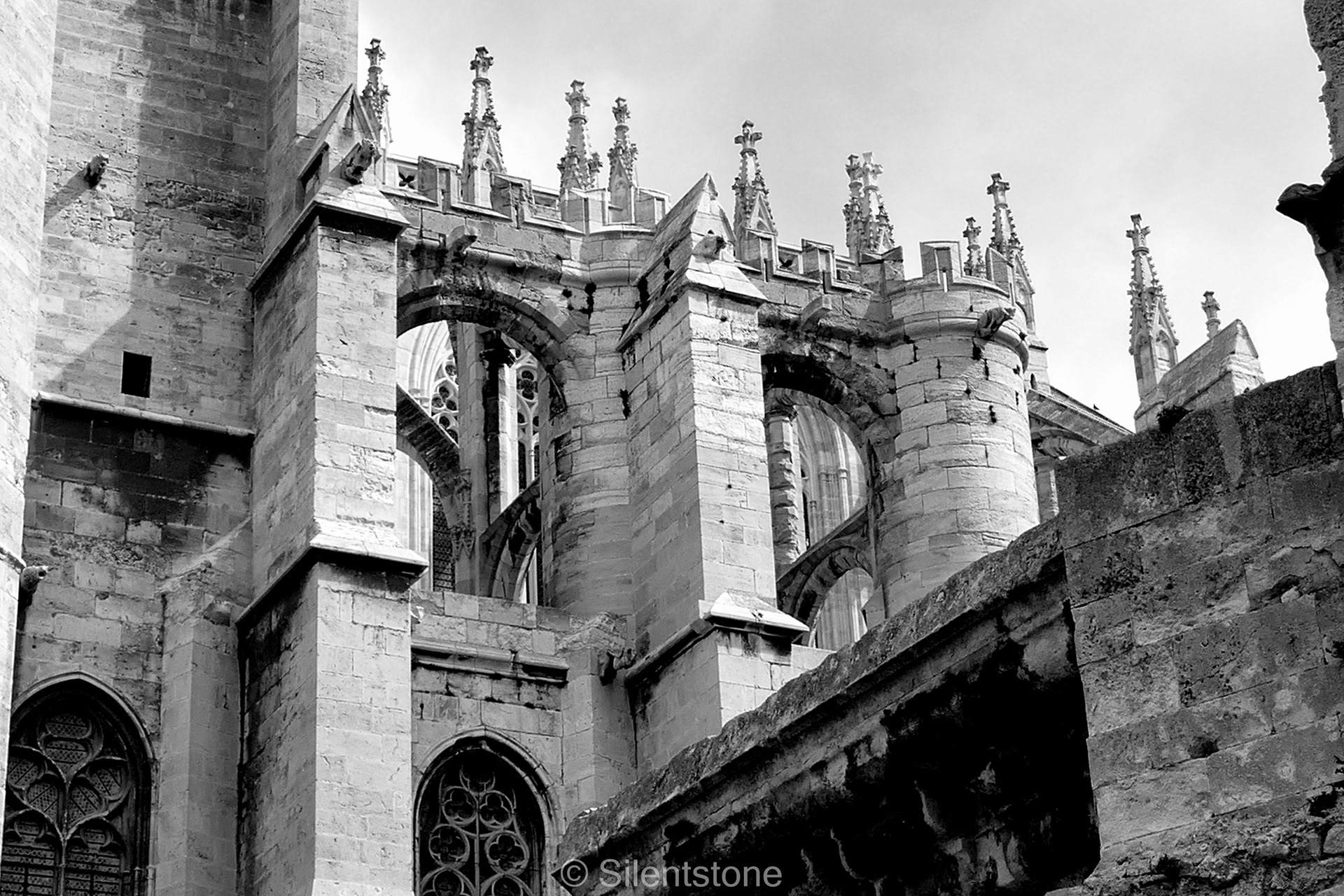
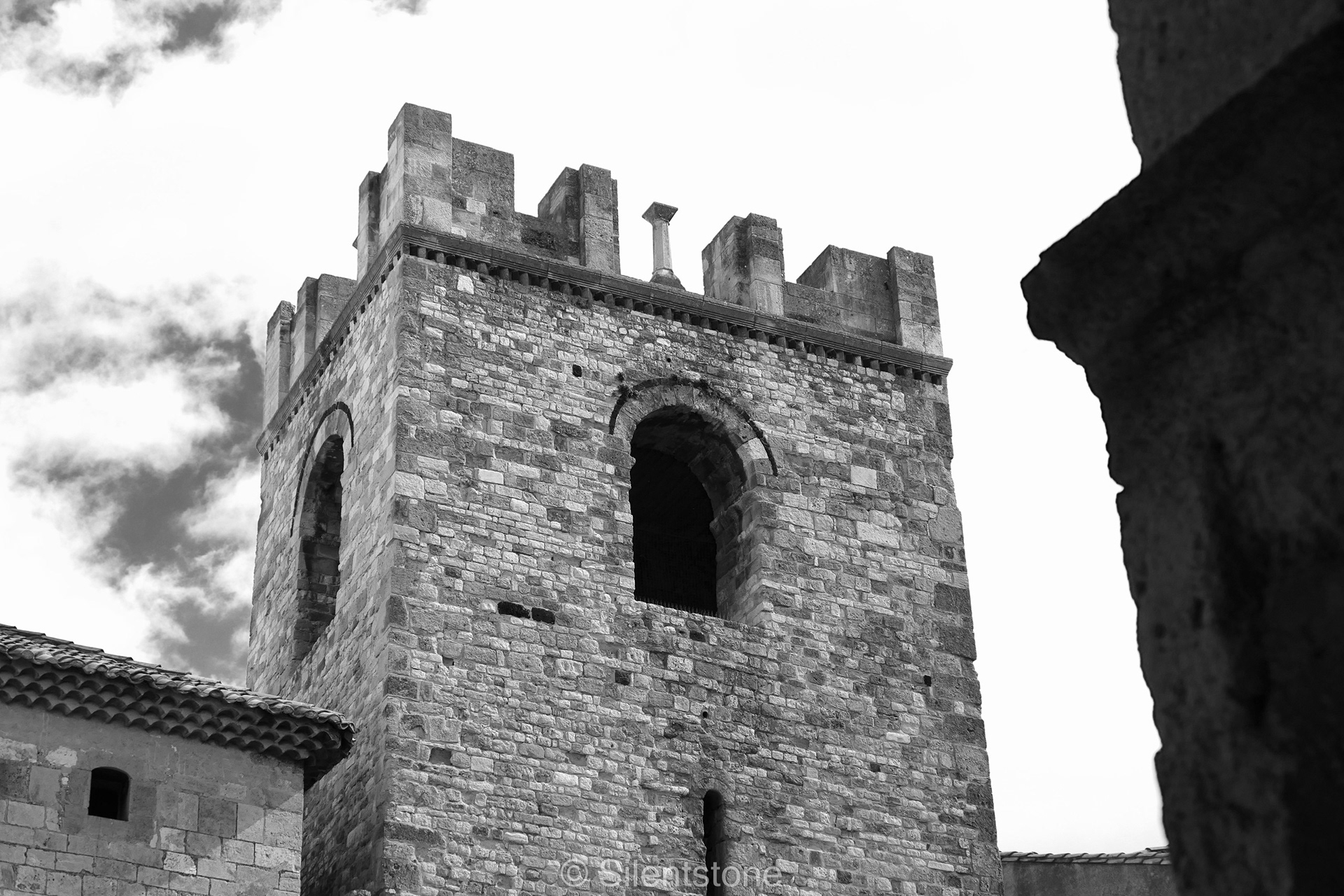
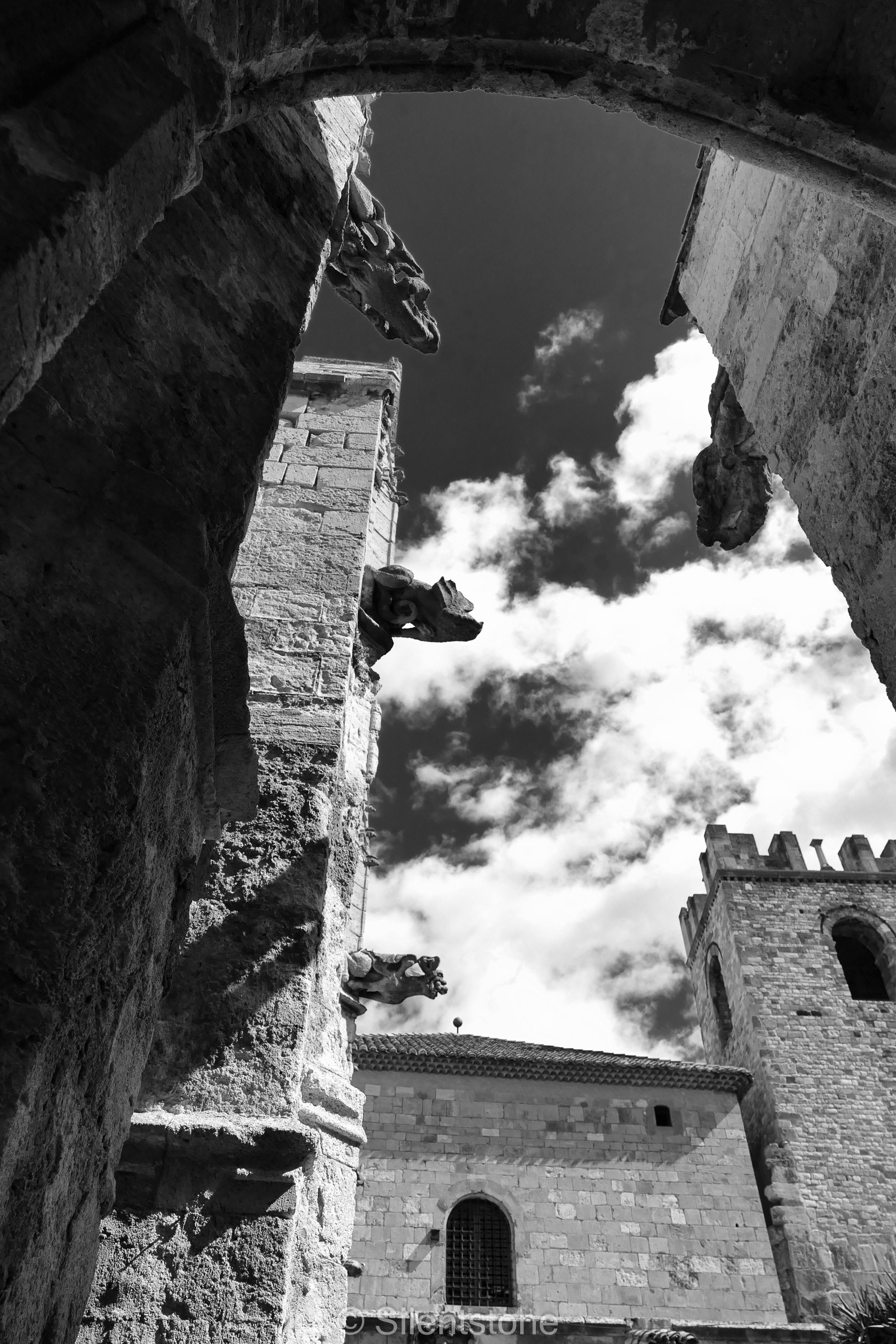
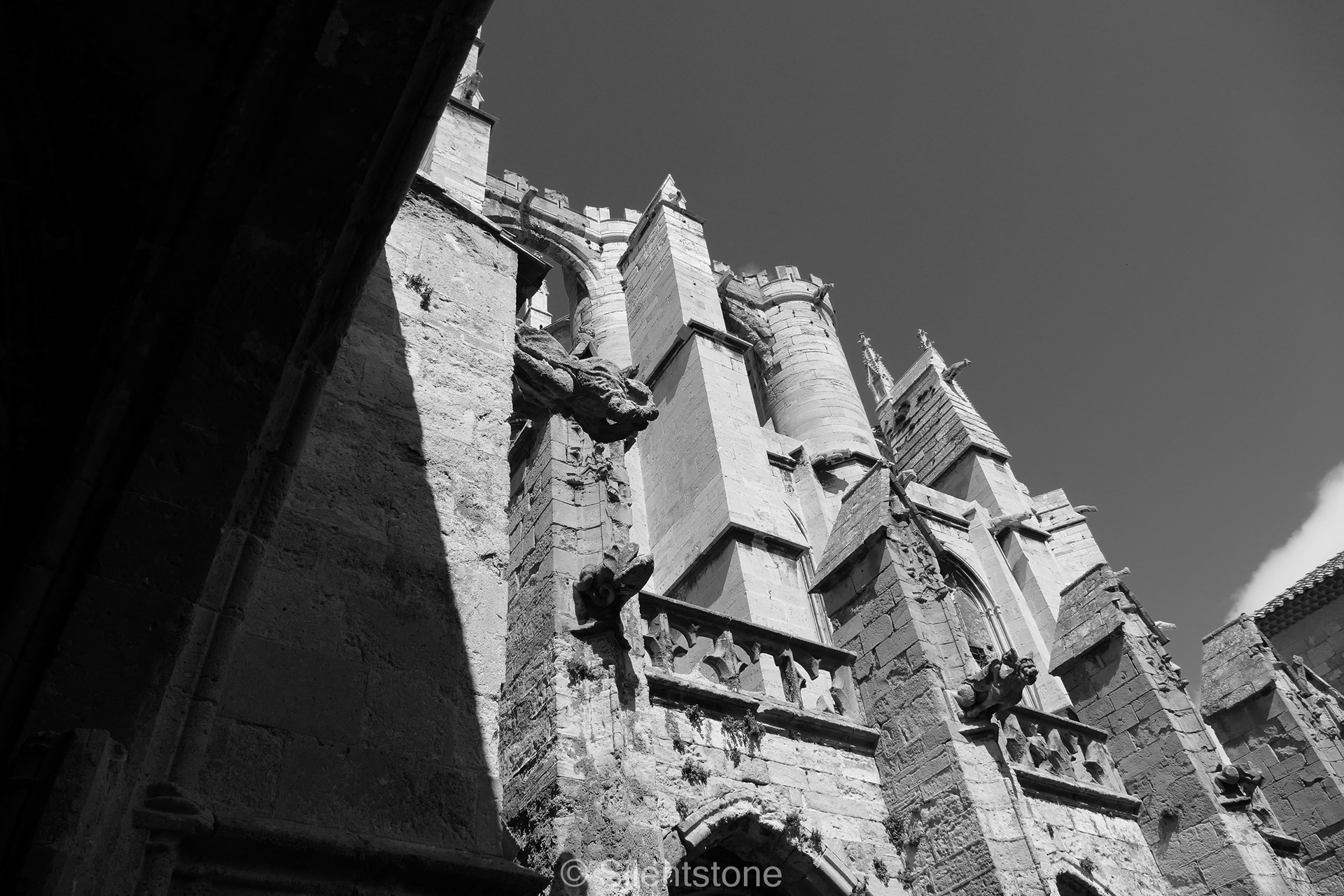
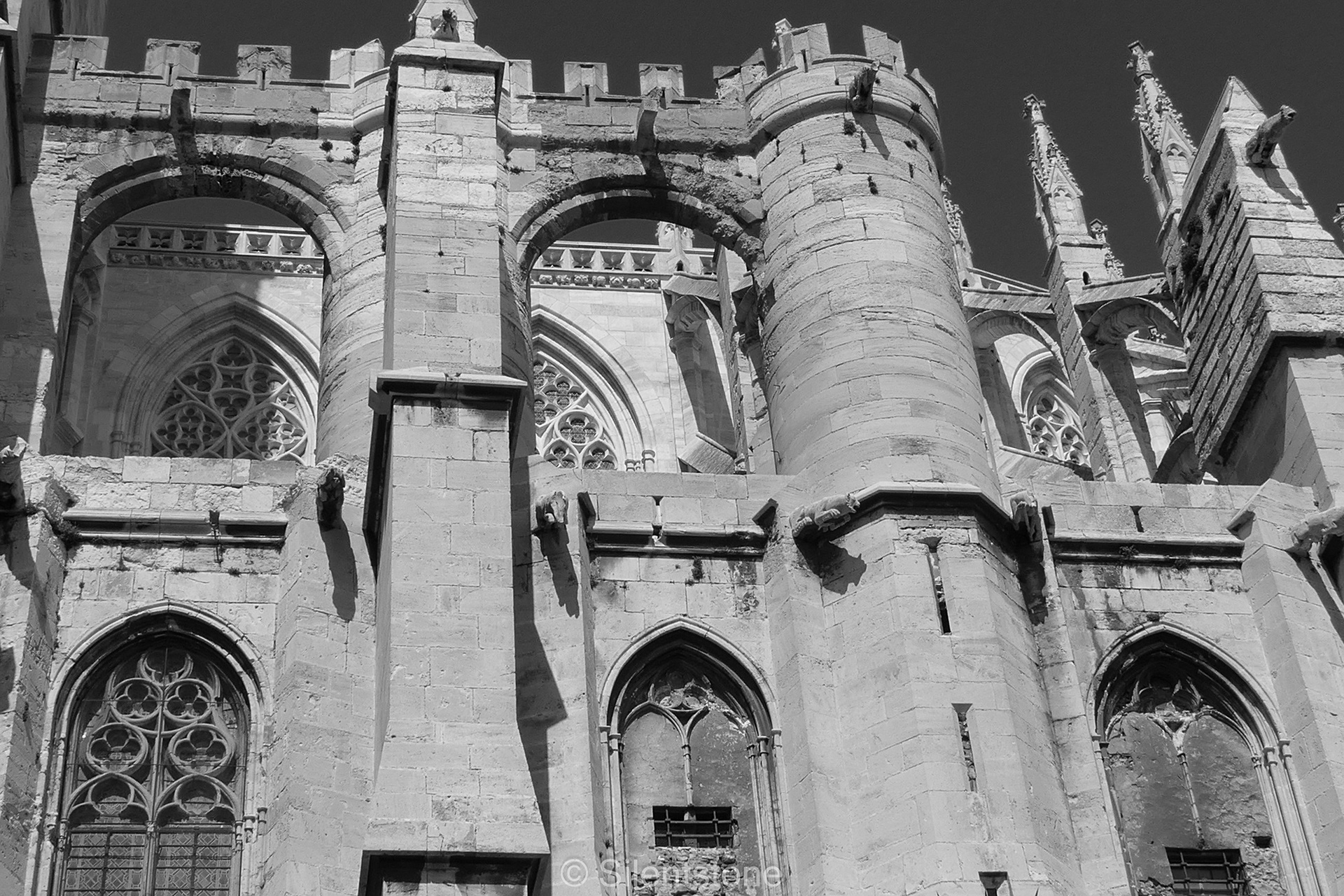
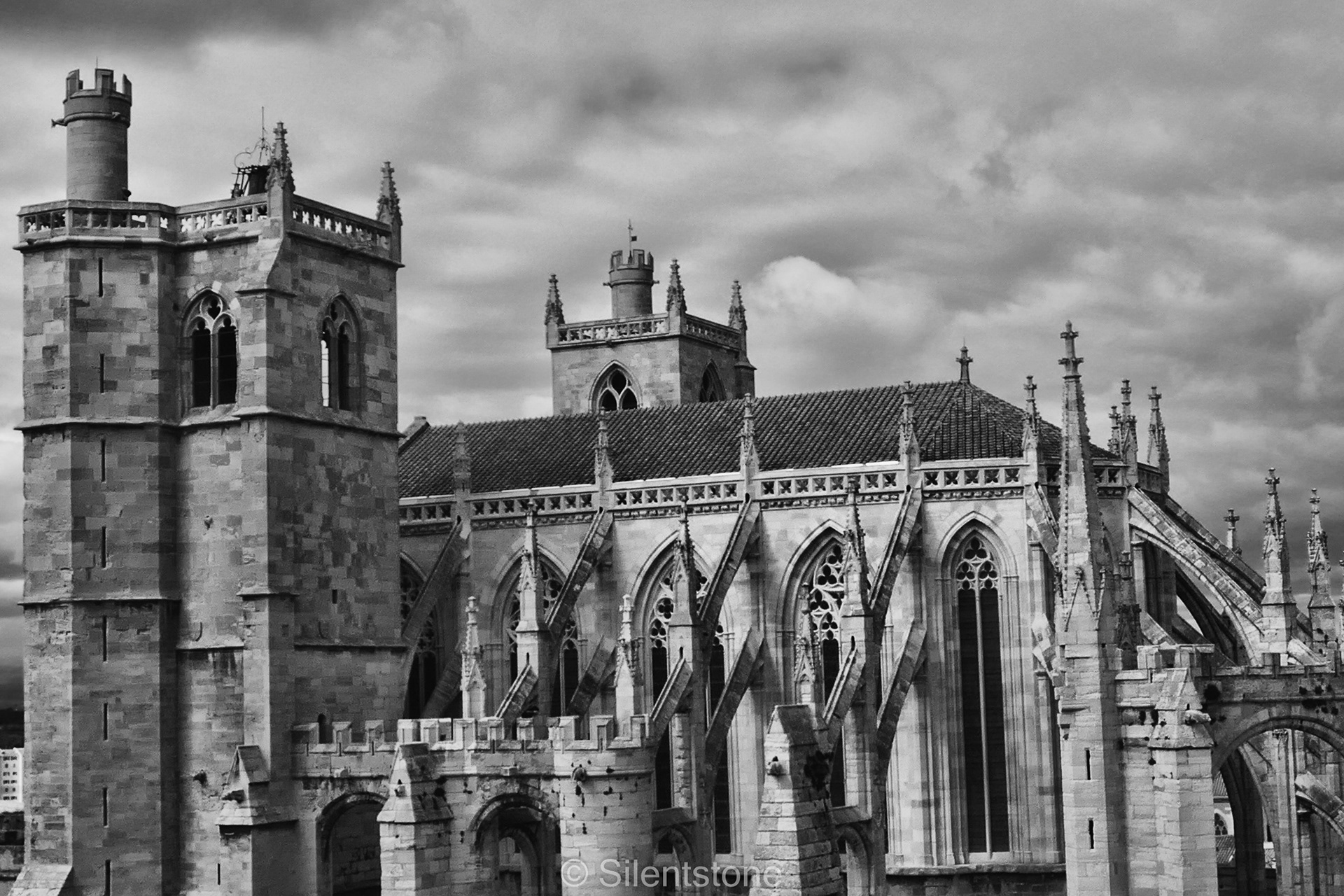
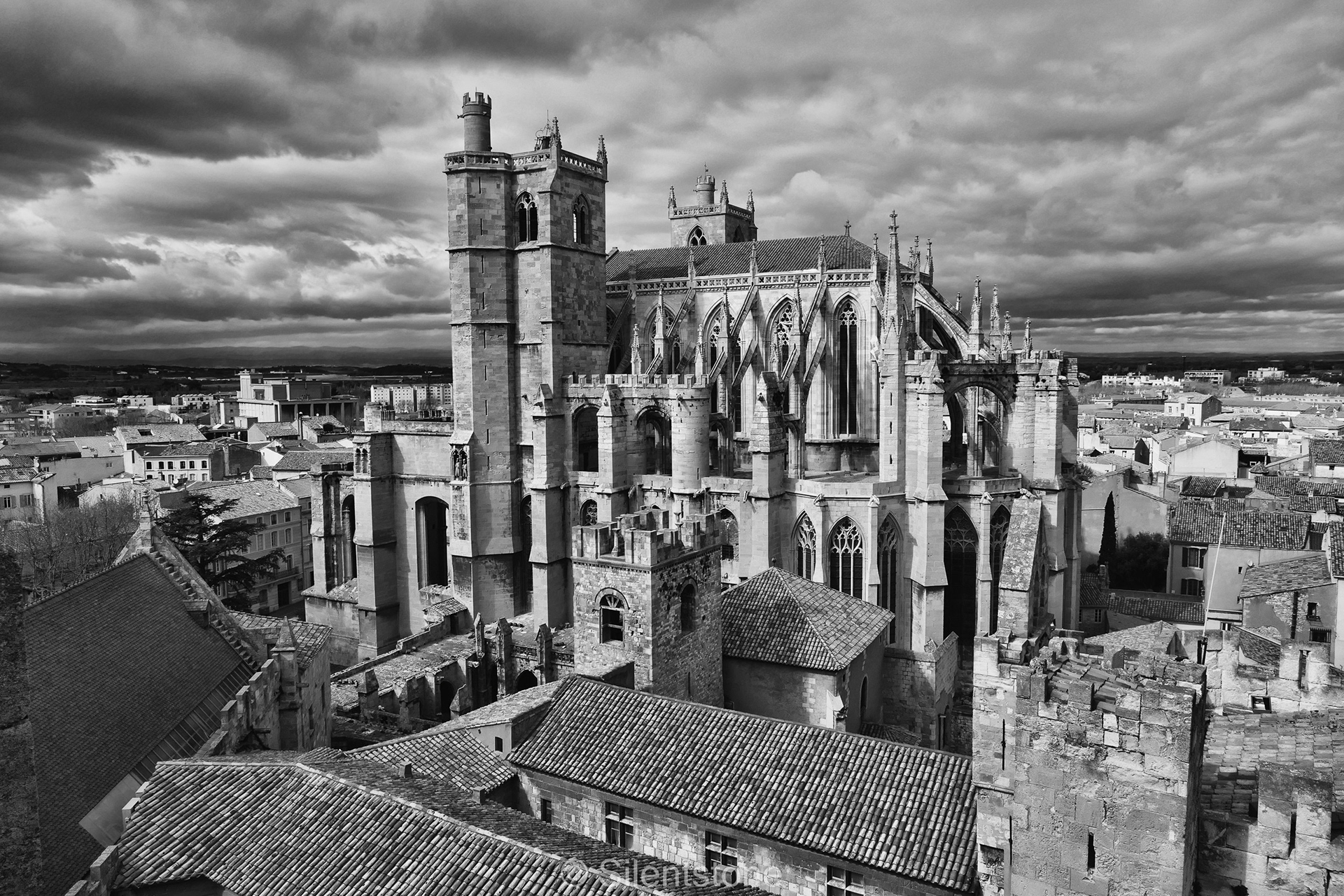
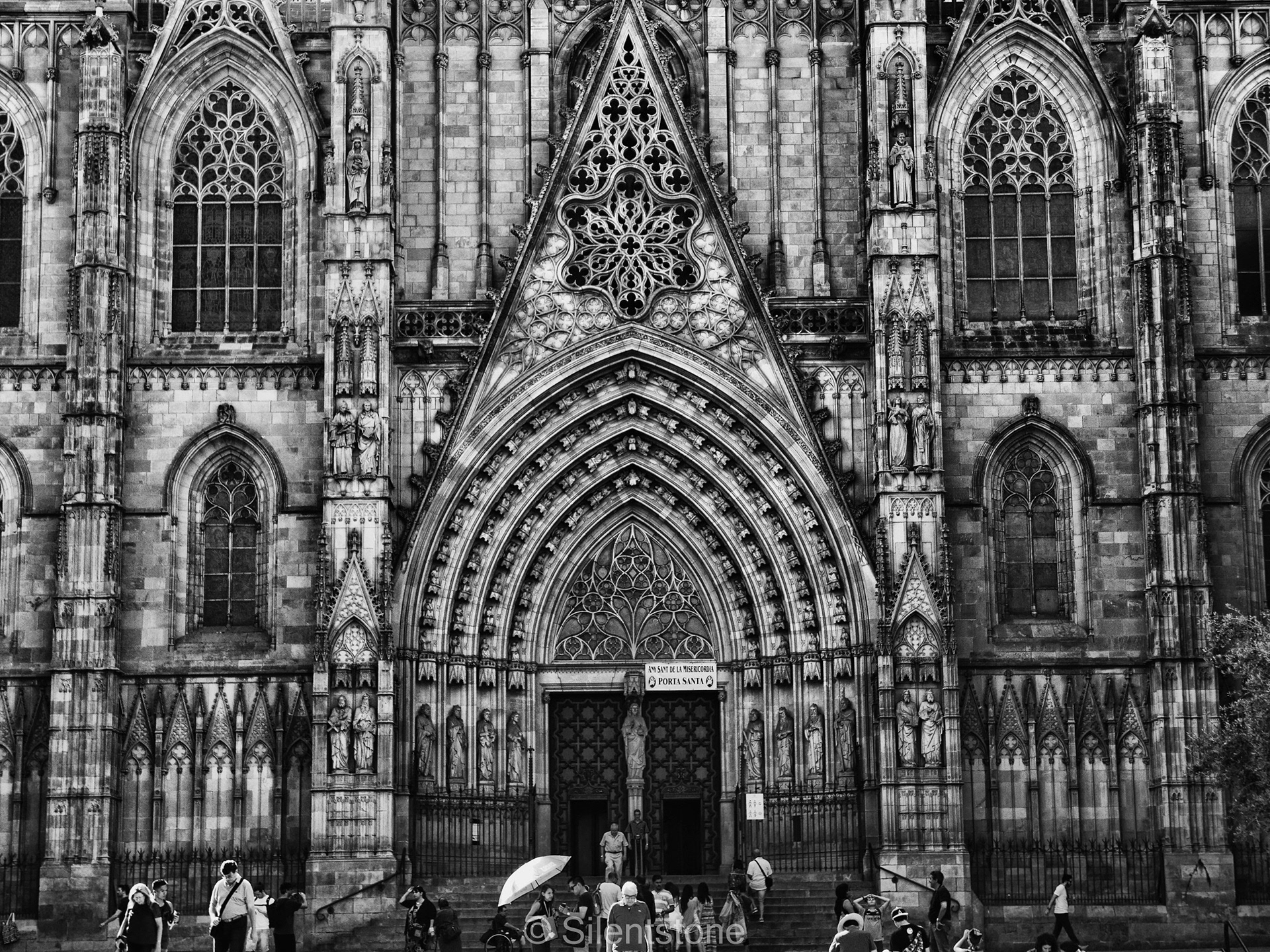
When you walk through the winding streets of Narbonne, nothing quite prepares you for the moment the skyline opens up. The Cathédrale Saint-Just-et-Saint-Pasteur is a masterclass in the unexpected—a towering, defiant monument that manages to be both a masterpiece of French Gothic architecture and one of history’s most famous "unfinished" projects.
The Challenge of Scale
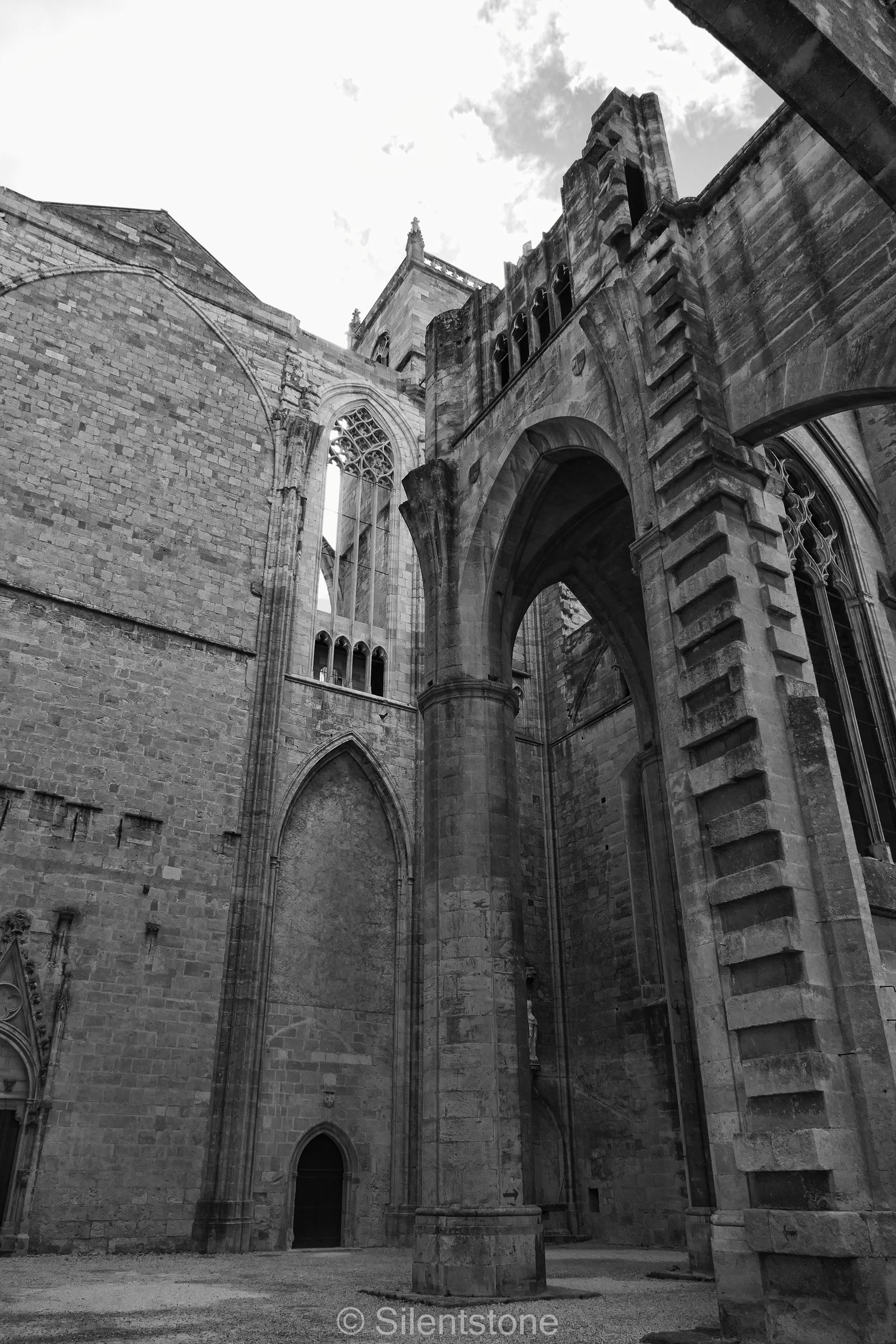
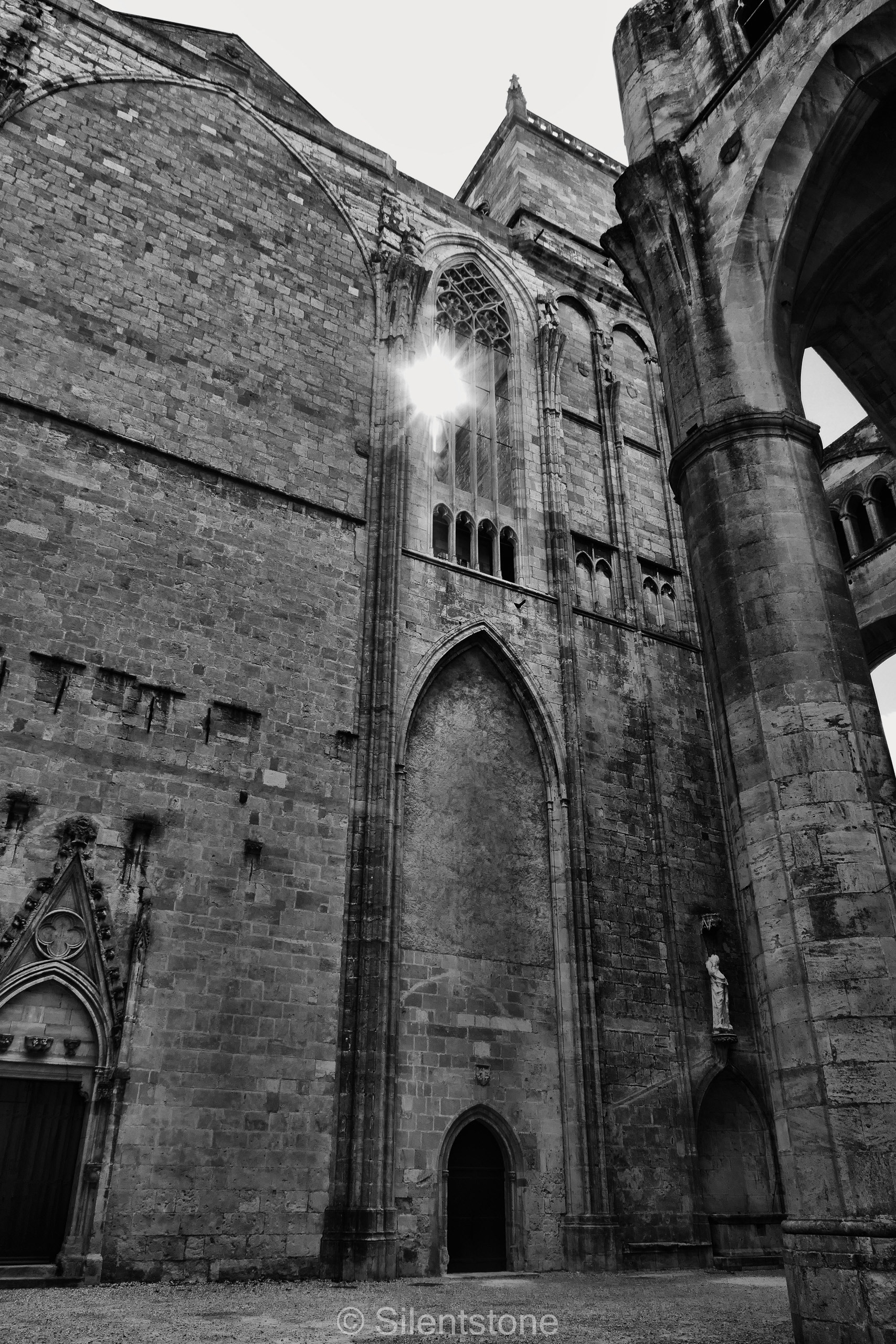
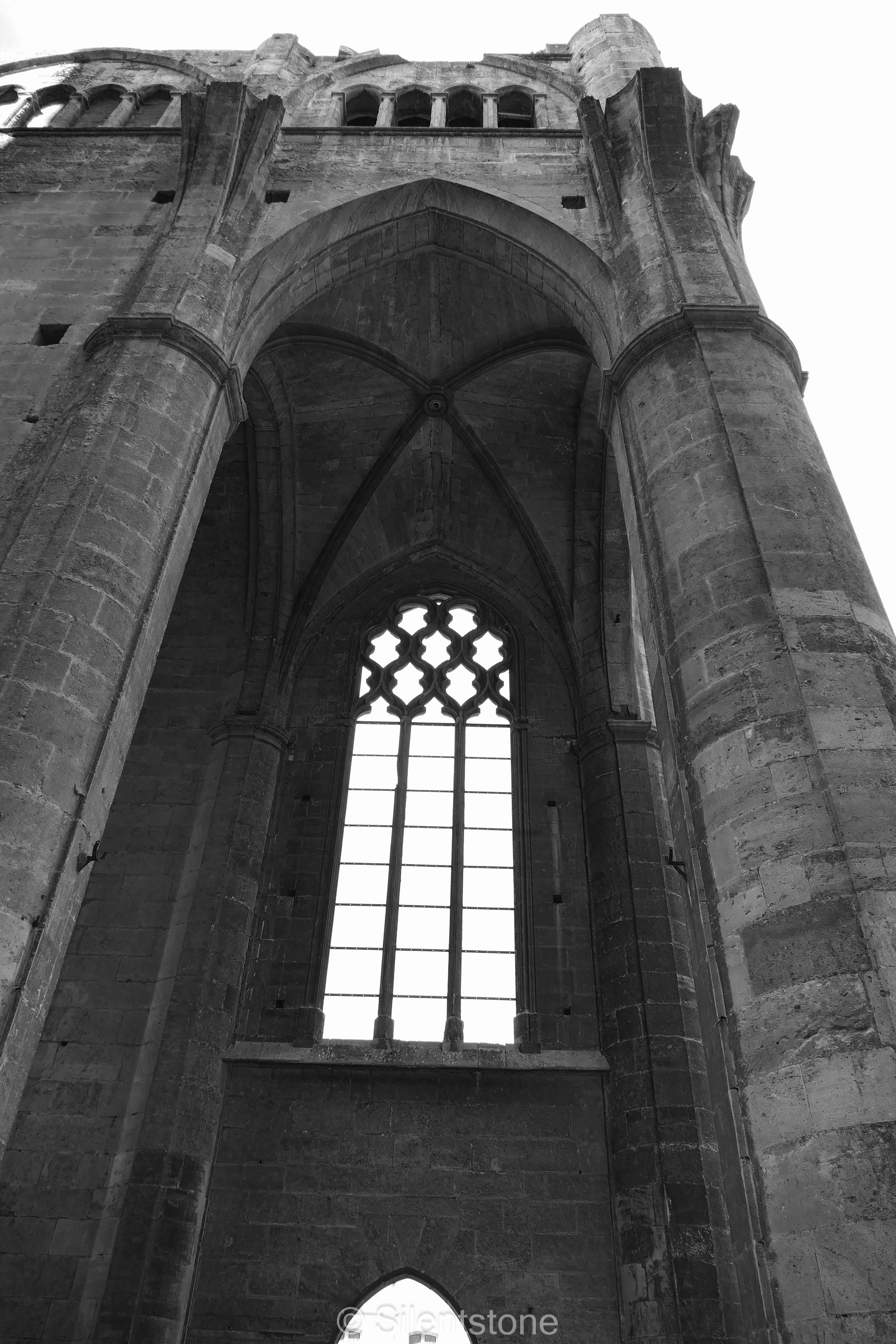
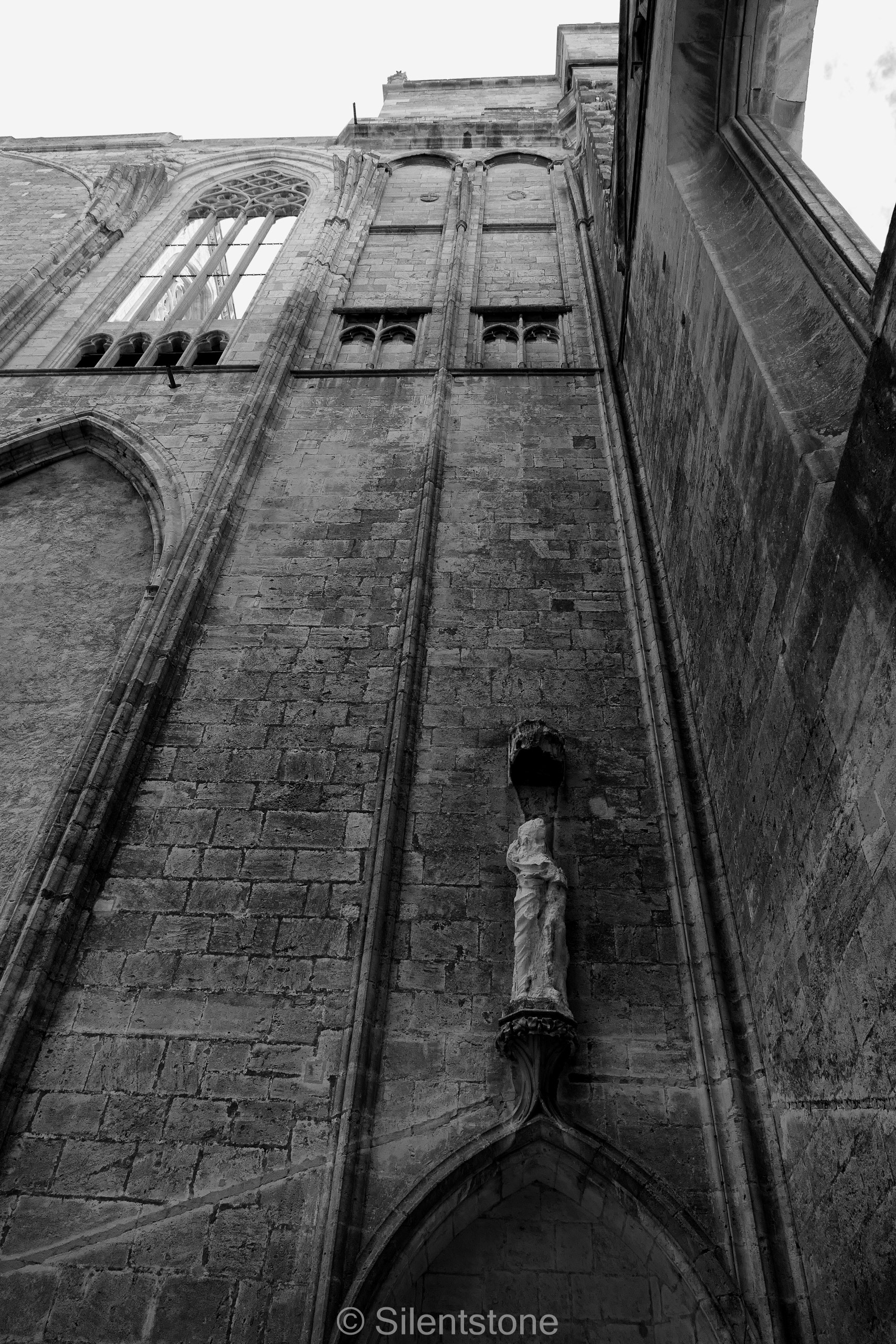
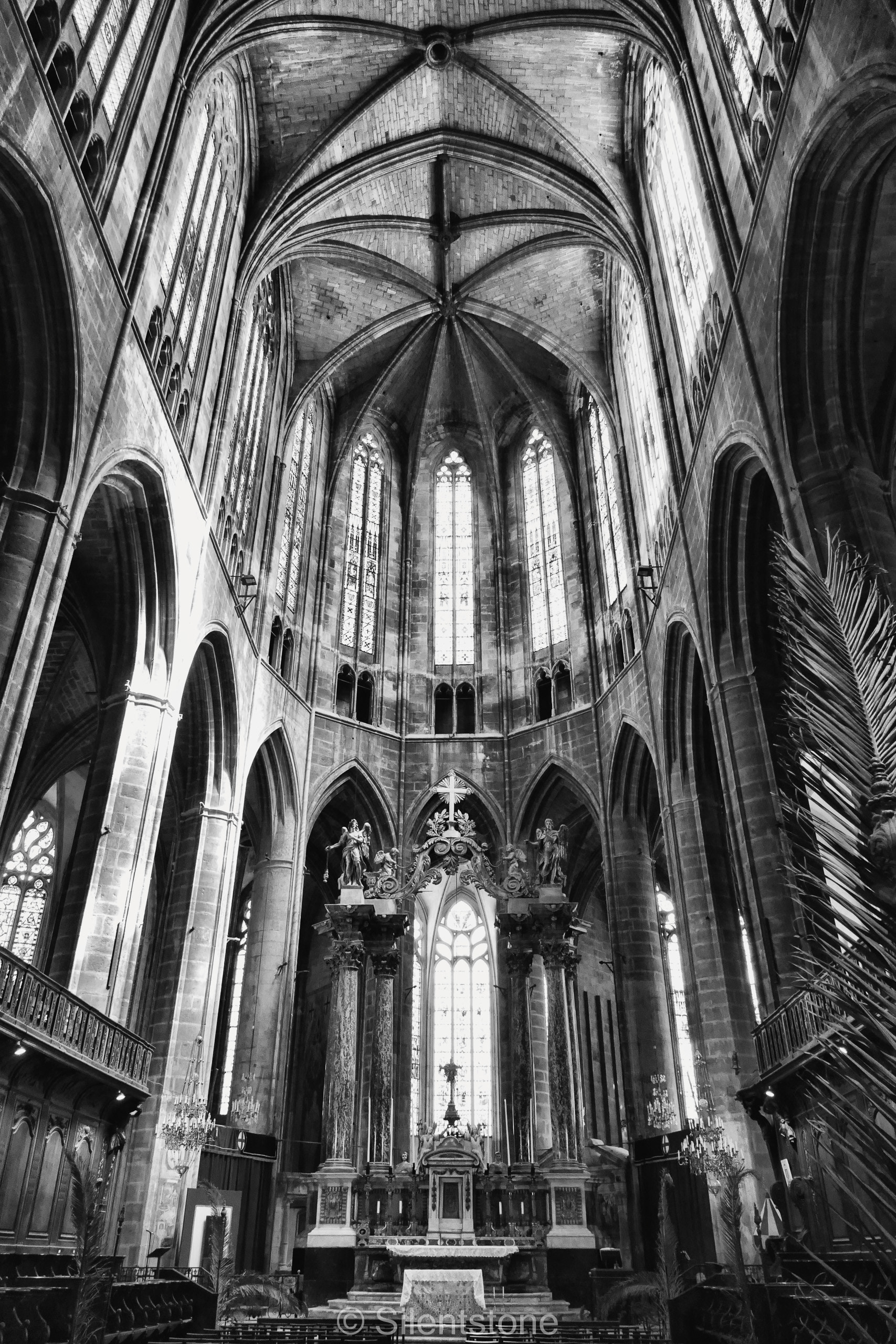
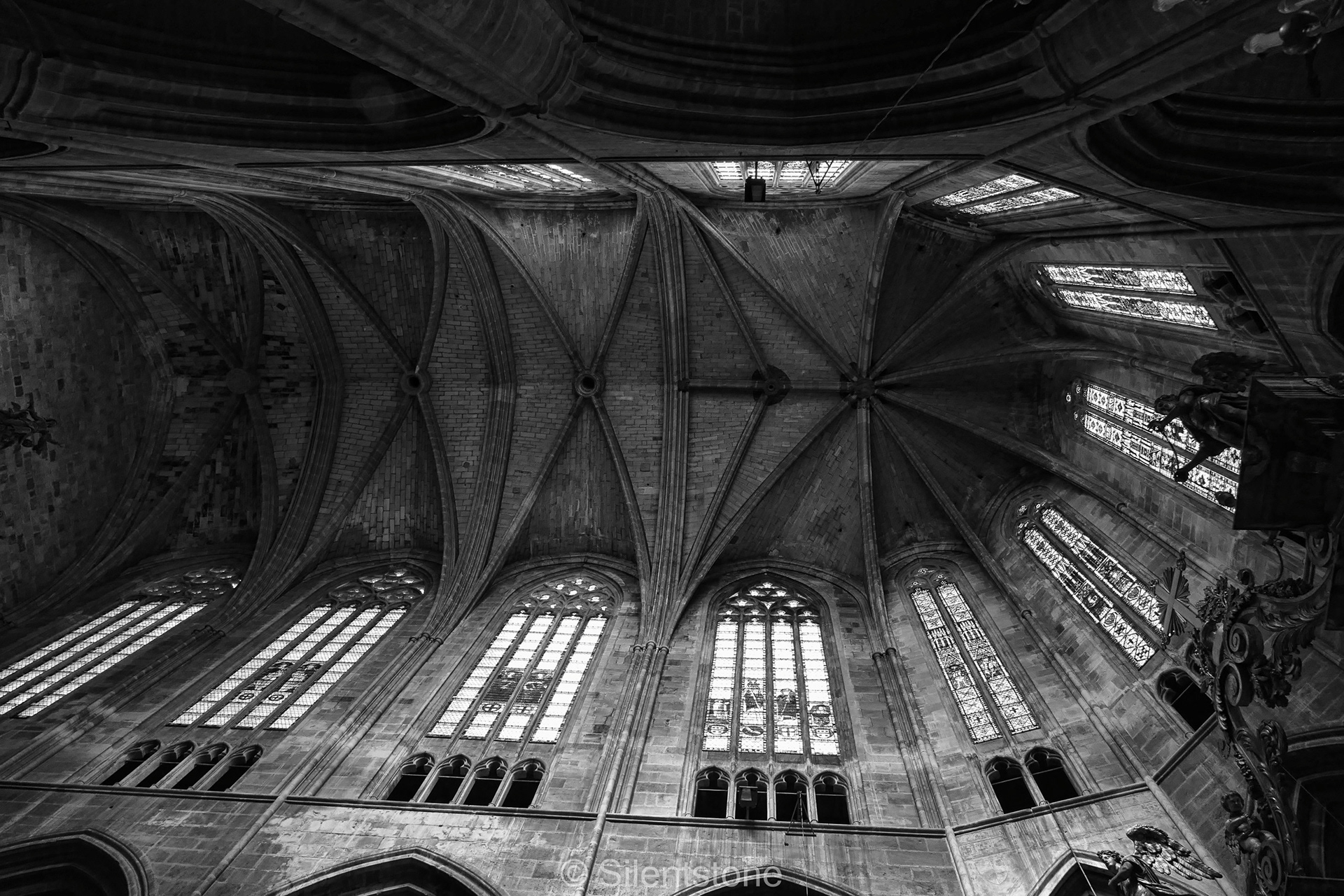
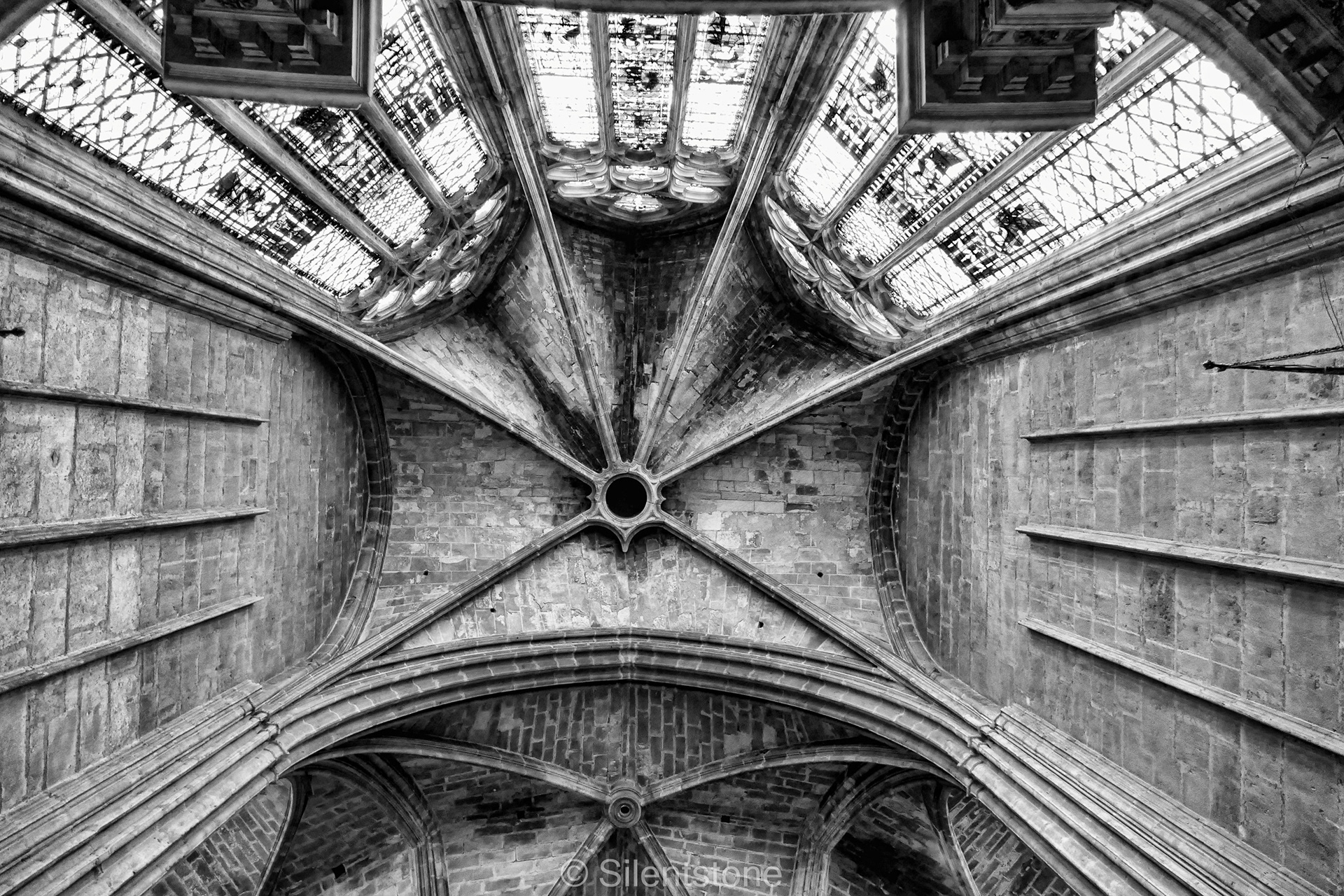
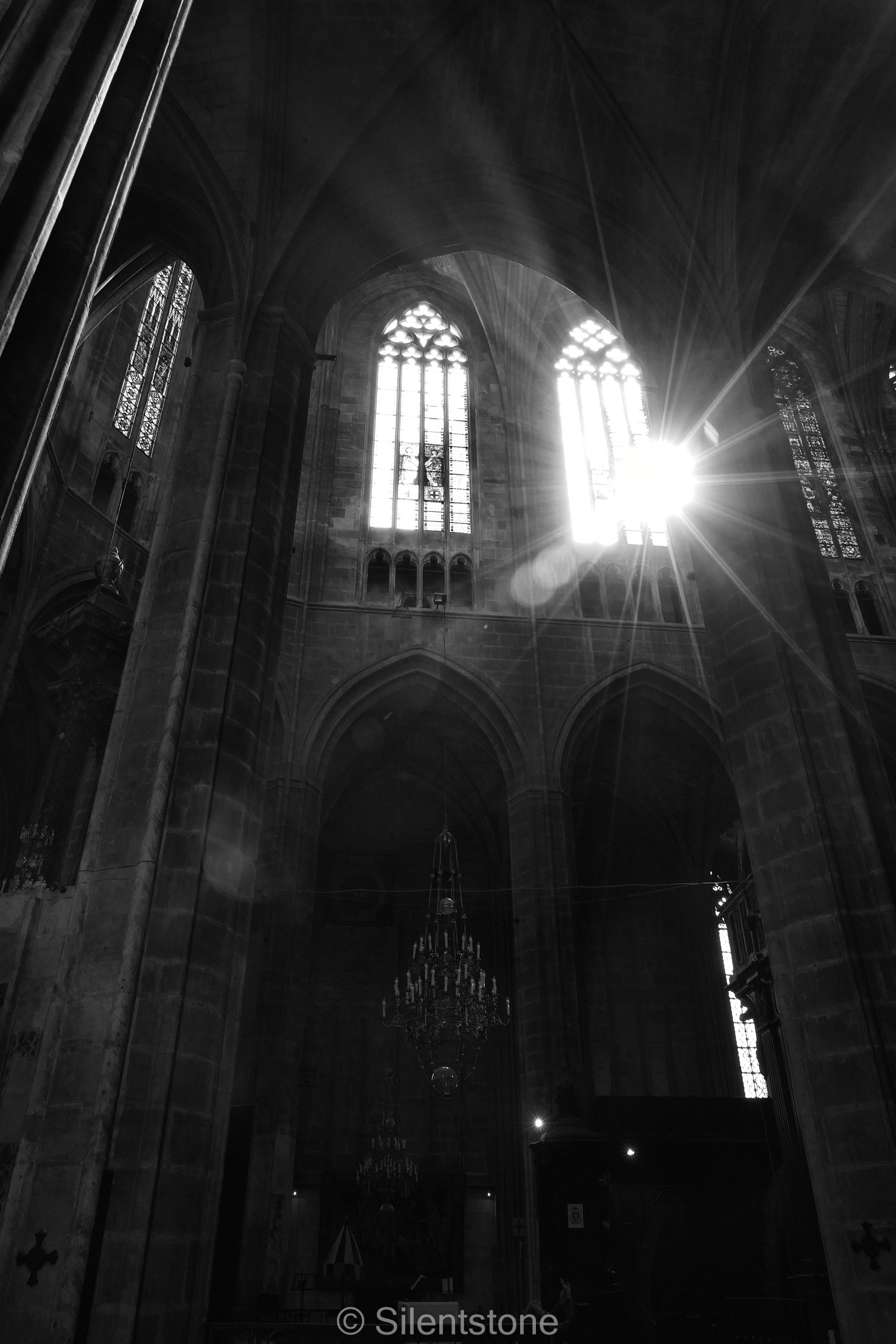
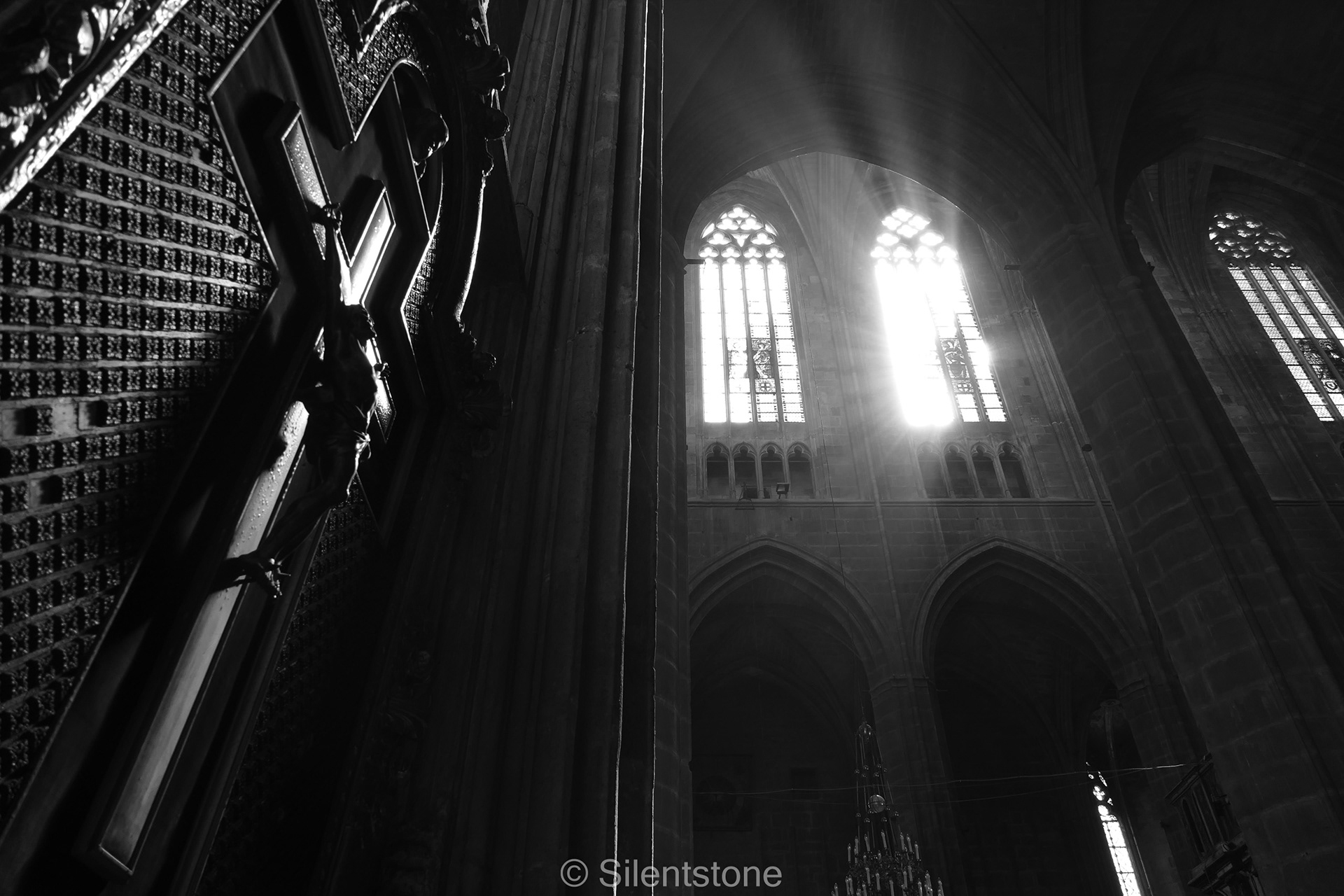
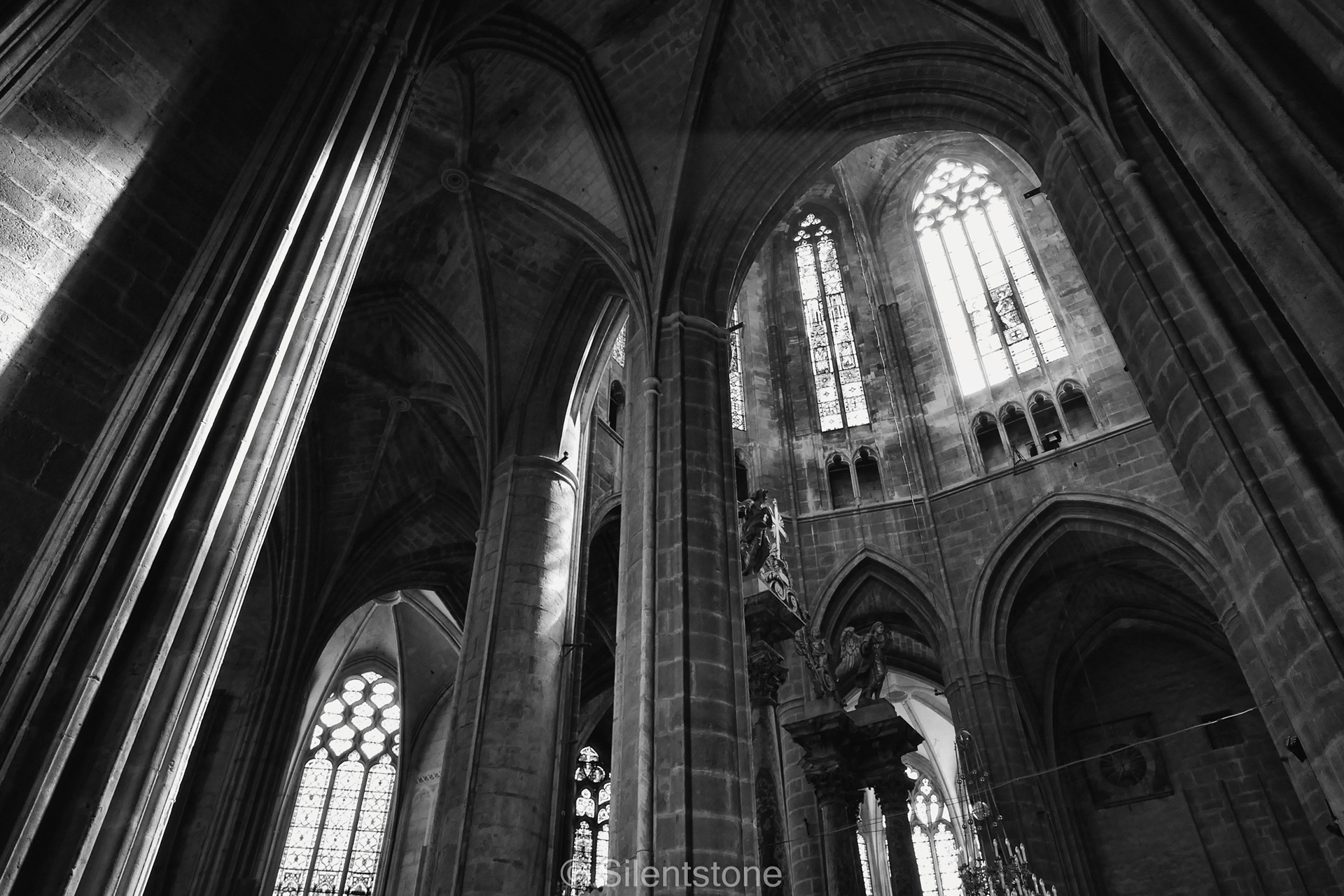
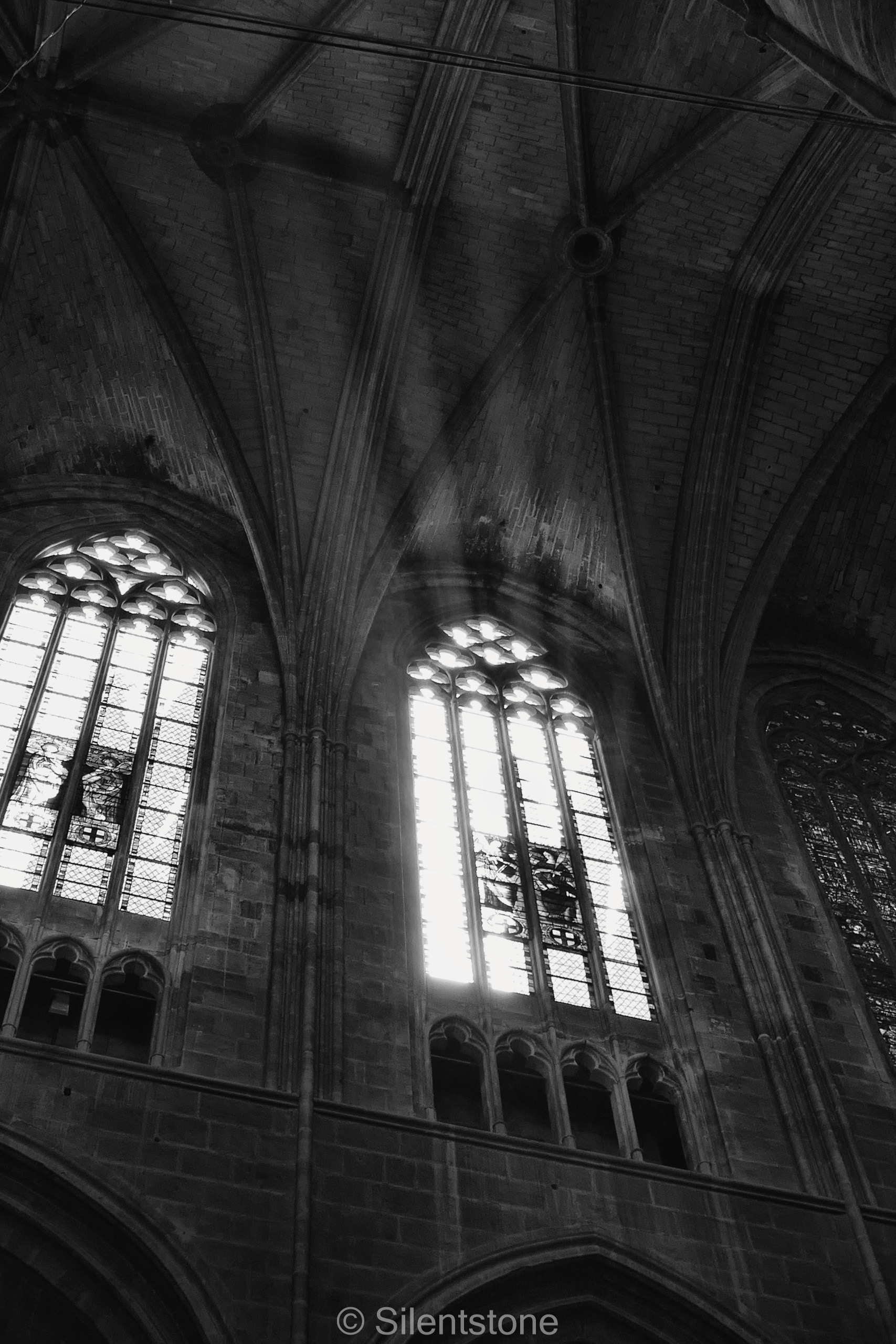
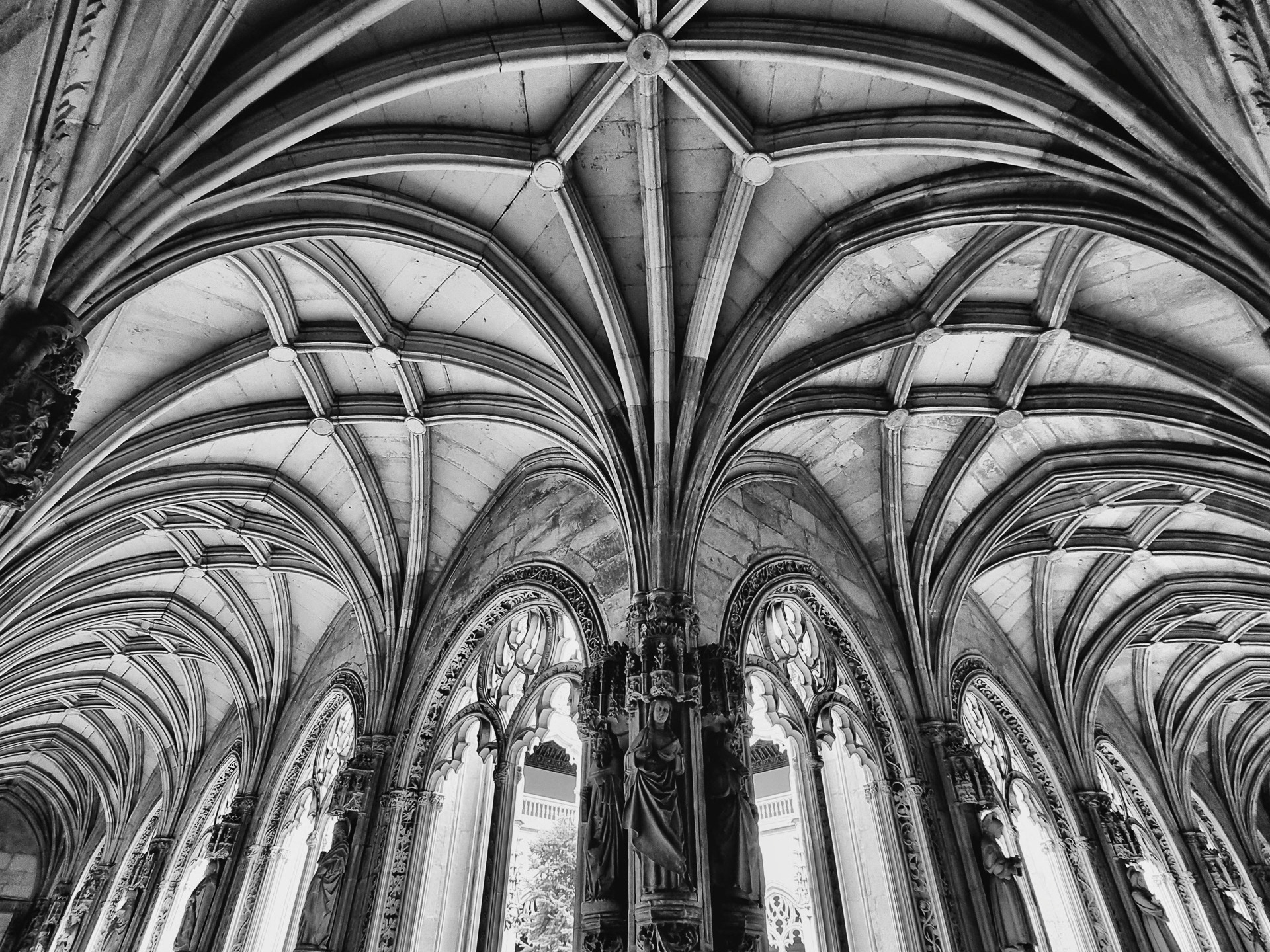
As a creator, capturing this cathedral was a daunting task. The sheer grandiosity of the structure is overwhelming; it possesses one of the highest Gothic vaults in the world, reaching an incredible 41 meters.
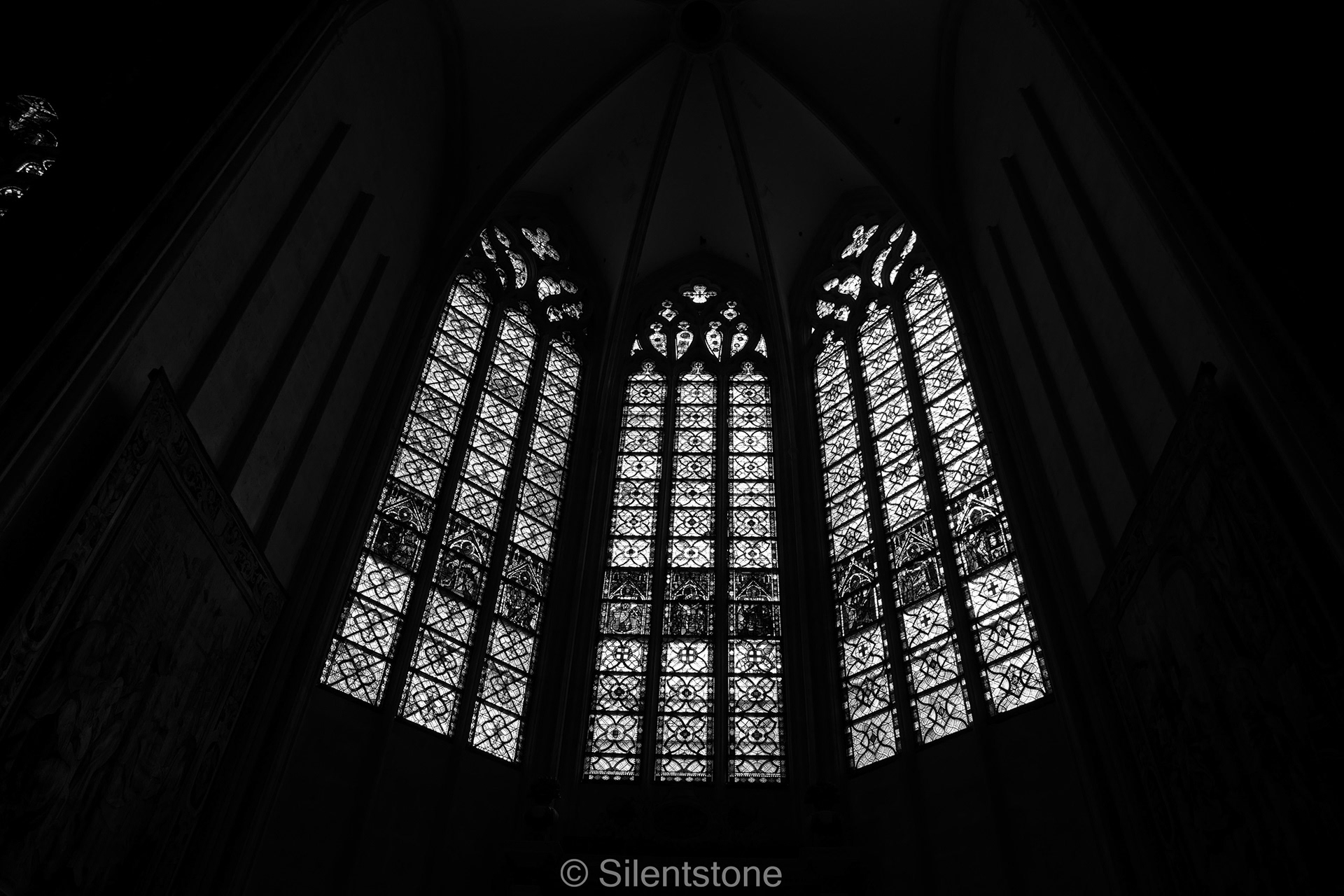
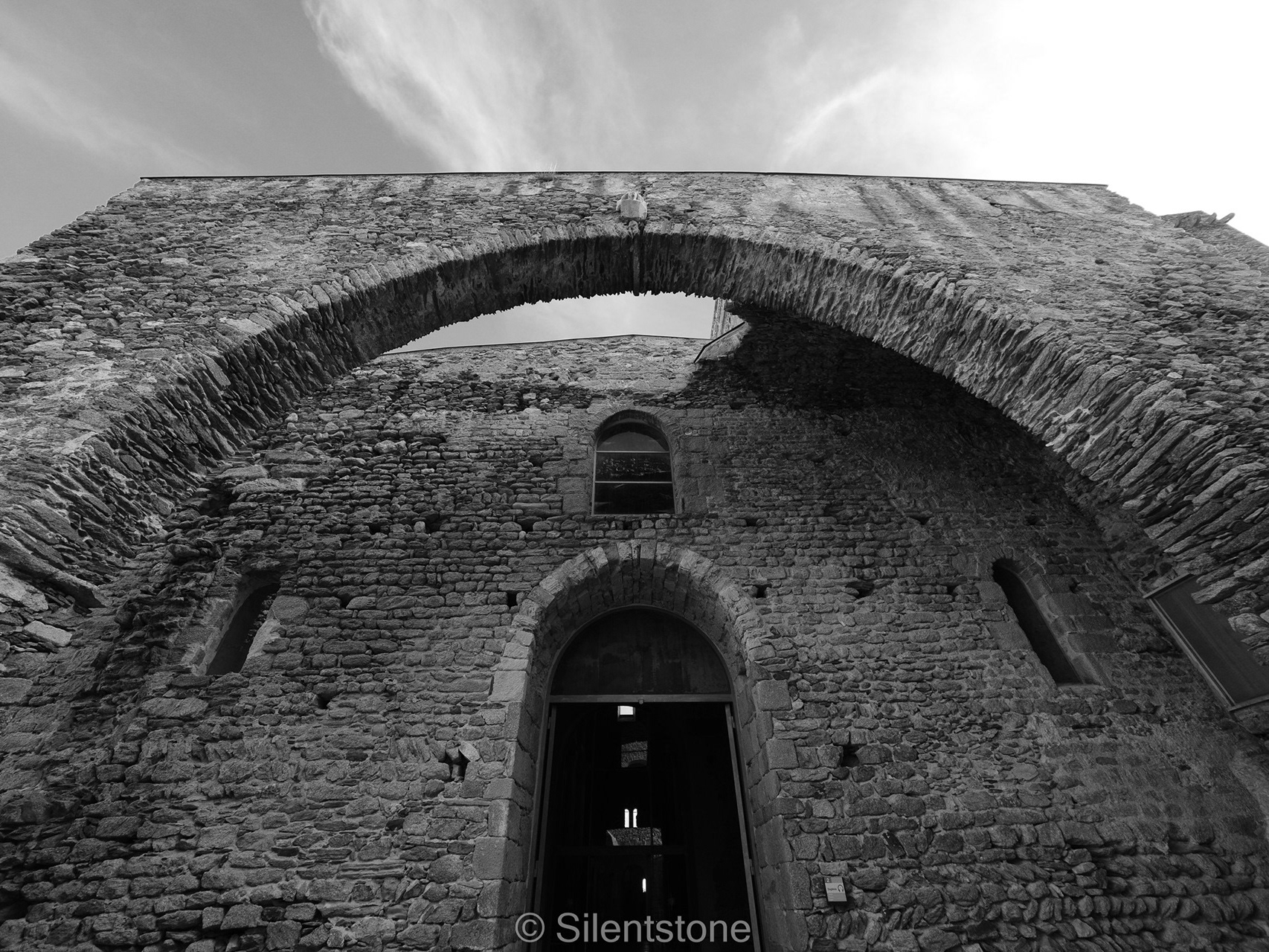
What I found most difficult was translating that scale into a single perspective. It isn't just a building; it is a vertical explosion of stone. Capturing the tension between its massive, fortress-like exterior and the ethereal light of the choir was a constant battle of proportions. You don’t just look at Narbonne Cathedral—you feel small beneath it.
A History of Ambition
The cathedral’s unique silhouette is the result of a fascinating historical crossroads:
Construction began in 1272, intended to be one of the most ambitious cathedrals in all of France, modeled after the great northern structures like those in Amiens.
By the 14th century, the builders reached a literal wall. To finish the nave, they would have had to demolish the city’s defensive Roman walls. The city consuls refused, and between that dispute and the arrival of the Black Death, the project stalled forever.
Because the nave was never completed, what remains is an exceptionally tall, concentrated choir that feels more like a "stone skyscraper" than a traditional church.
Today, it stands as a symbol of Narbonne’s medieval golden age—a breathtaking, soaring sanctuary that proves perfection isn't always found in completion.